I spent my first two years in a basement studio pinning hems for a bridal shop, and if there is one thing I learned, it’s that people will spend five hundred pounds on a “luxury” leather jacket and then proceed to treat it like a piece of plastic. I see it every week: someone buying a beautiful, heavy-grain piece only to ruin the silhouette with the wrong spray or, worse, ignoring it until the hide starts cracking like a desert floor. Most of the “expert” guides on how to care for leather are just glorified sales pitches for overpriced, chemical-heavy conditioning kits that do more harm than good. You don’t need a ten-step ritual; you need to understand the actual biology of what you’re wearing.
I’m not here to sell you a lifestyle or a subscription to a boutique cleaning service. My promise is much simpler: I’m going to show you the practical maths of maintenance. We’ll talk about which conditioners actually penetrate the grain without clogging the pores, why a damp cloth is often your best friend, and how to spot a cheap, corrected-grain leather that’s never going to age well, no matter how much you pamper it.
Understanding How to Care for Leather
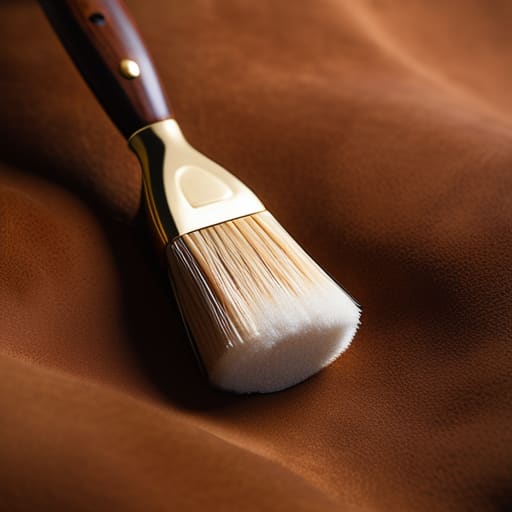
First, we need to talk about the difference between what you’re actually wearing. If you’re treating a suede jacket like a smooth leather trench, you’re going to ruin the nap and end up with a patchy mess. Smooth leather is about oils and surface tension; suede is about texture and avoiding moisture at all costs. I see people try to scrub suede with a wet cloth like they’re cleaning a kitchen counter, and it’s heartbreaking. You need a dedicated brush, not a sponge.
The real math of leather comes down to leather moisture retention. Leather is skin; it’s organic. If it gets too dry, the fibers tighten and snap, which is exactly how you end up with those ugly, irreparable fissures. Preventing leather cracks isn’t about buying some luxury “miracle cream” that costs fifty quid—it’s about consistent, sensible leather conditioner application every few months. You want to feed the material enough so it stays supple, but not so much that you turn your favorite boots into greasy, heavy bricks. It’s a balance, not a buffet.
Key Things to Know
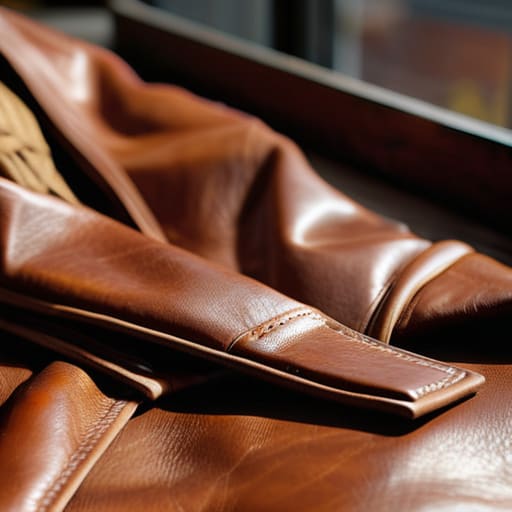
First off, stop treating your leather like it’s indestructible. It’s skin, which means it’s organic, and organic things dry out. If you aren’t intentional about leather moisture retention, you’re essentially watching your favorite jacket turn into a brittle, peeling mess. I see it all the time in the studio: someone buys a “forever” piece, ignores it for two years, and then comes to me asking if the cracks can be patched. They can’t. Once the fibers snap, the silhouette is gone.
You also need to learn the difference between your textures. Treating a suede jacket like a smooth leather biker is the fastest way to ruin both. There is no “one size fits all” solution here; cleaning suede vs smooth leather requires entirely different toolkits. While you can wipe down a smooth grain with a damp cloth, suede needs a brush and a very light touch. And please, for the love of all things practical, invest in a decent spray for leather protection from water. A little bit of prep prevents a massive, expensive headache when you inevitably get caught in a downpour.
Practical Tips and Steps
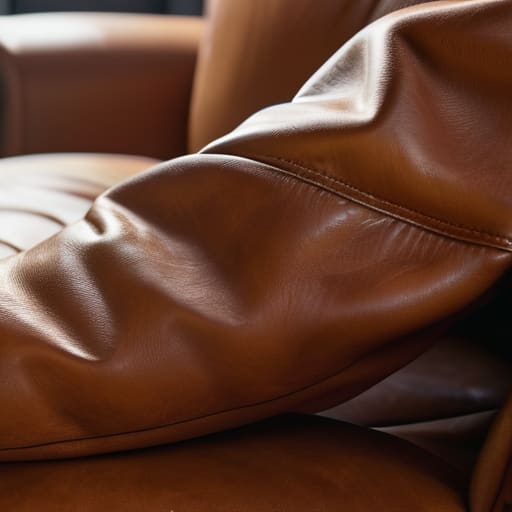
First, stop treating your leather like it’s indestructible. It’s skin, essentially, and it needs hydration just like you do. The most important part of your routine is leather conditioner application—and I don’t mean once a year when you remember you own a jacket. Aim for every few months, especially if you live somewhere with central heating that sucks the life out of everything. Apply it in small, circular motions with a soft cloth; if you go too heavy, you’ll just end up with a greasy mess that attracts dust. This is the real secret to preventing leather cracks before they become permanent, expensive repairs.
If you’re looking at your footwear, the approach changes slightly. The best way to clean leather shoes is to use a dedicated cleaner rather than a generic dish soap that strips the oils away. Also, please, for the love of everything, learn the difference between cleaning suede vs smooth leather. If you use a wet cloth on suede, you’ve basically just turned your boots into a spongey disaster. For smooth leather, keep it simple: wipe, condition, and protect.
Common Mistakes to Avoid
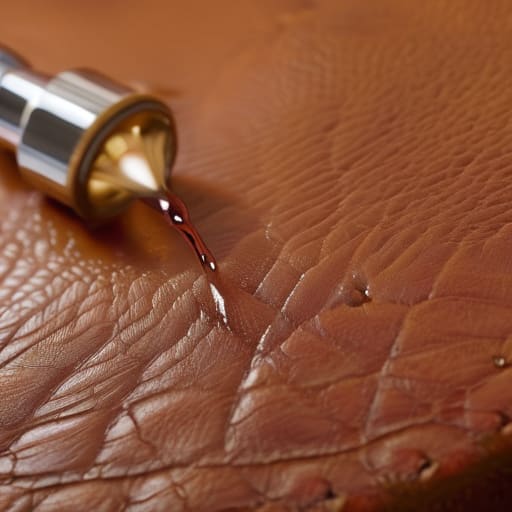
First off, stop treating your leather like it’s made of plastic. The biggest mistake I see—and I’ve seen the aftermath in my studio more times than I’d like—is using “all-in-one” supermarket sprays that promise to do everything. Most of those are just silicone in a fancy bottle. They sit on the surface, block the pores, and eventually lead to the very thing we’re trying to avoid: preventing leather cracks becomes impossible when the hide can’t breathe. If you can’t see the grain, you’re doing it wrong.
Another massive blunder is the “one size fits all” approach to texture. I cannot stress this enough: cleaning suede vs smooth leather is not a debate; it is a hard rule. If you take a damp cloth and some heavy cream to a pair of suede boots, you haven’t cleaned them; you’ve permanently ruined the nap. And please, for the love of everything holy, don’t put your leather shoes on a radiator to dry after a rainstorm. You’ll flash-dry the natural oils out of the skin, and that’s how you end up with a pair of stiff, brittle relics instead of a reliable wardrobe staple.
Final Thoughts
Look, I’m not telling you this so you can turn your wardrobe into a museum exhibit. The point of a good leather jacket or a pair of sturdy boots is to actually wear them. If you’re terrified of a little rain or a coffee splash, you’re not wearing the clothes; you’re just babysitting them. My goal isn’t to make you a professional cobbler, it’s just to make sure you aren’t throwing away a perfectly good silhouette because you neglected some basic leather moisture retention.
If you do nothing else, just remember that consistency beats intensity every single time. You don’t need a ten-step ritual; you just need to stay ahead of the damage. Preventing leather cracks is significantly cheaper than trying to patch a seam on a hide that’s become brittle and bone-dry. Treat your pieces with a bit of respect, keep an eye on the texture, and remember that a little bit of maintenance now saves you from a massive “replacement” bill later. Style isn’t about buying new; it’s about making what you have last until the seams actually give up.
Five ways to stop your leather from becoming a tragedy
- Stop treating leather like it’s waterproof. It isn’t. If you get caught in a downpour, don’t panic and don’t blast it with a hairdryer—that’s how you get cracked, brittle skins. Just stuff it with newspaper to hold the shape and let it air dry naturally away from a radiator.
- Buy one decent conditioner and actually use it. I’m talking about a simple, scentless cream, not some “luxury” leather spray that costs forty quid and is mostly water. If you use it once every few months, you’re adding years to the life of the hide; if you don’t, you’re basically paying for a jacket that will peel by next winter.
- Learn to tell the difference between real leather and “vegan” plastic. If it’s synthetic, most of these leather conditioners will actually ruin it by leaving a greasy film that never dries. Real leather breathes; plastic just sits there. Check the tag before you start rubbing stuff into it.
- Don’t overstuff your leather bags. I see this constantly with people who buy a beautiful leather tote and then treat it like a bottomless pit for laptops, water bottles, and heavy books. It stretches the grain permanently, and no amount of tailoring or leather repair is going to fix a structural bulge in a bag.
- Use a soft brush, not a scrub sponge. When you’re getting rid of dust or surface dirt, use a horsehair brush or a very soft microfiber cloth. If you go at it with something abrasive, you’re micro-scratching the finish, and once that top layer is gone, the piece loses its luster for good.
The real cost of leather
Stop treating leather like it’s a finished product you just wear; it’s a living material that needs a bit of help to stay in shape. I’d rather spend twenty quid on a decent conditioner every six months than watch a three-hundred-pound jacket crack at the elbows and turn into a very expensive rag by next winter.
Neve Okonkwo-Barr
The Bottom Line
Look, caring for leather isn’t some high-maintenance ritual reserved for people with massive wardrobes; it’s just basic math. If you spend twenty minutes every few months conditioning a jacket and actually stop treating it like a piece of disposable plastic, you’re saving yourself the hundreds of pounds it costs to replace it. Remember: avoid the heat, watch the moisture, and for the love of everything, stop using cheap supermarket sprays that just clog the pores of the hide. It’s about preventing the crack before it starts, because once the grain is gone, no amount of expensive cream is bringing that structure back.
At the end of the day, the best thing you can wear is something that has a bit of a history. A leather bag or a well-loved coat shouldn’t look brand new forever; it should look like it’s lived a life with you. There is a massive difference between a garment that looks battered because it’s been neglected and one that looks beautiful because it has developed a natural patina. Don’t aim for perfection; aim for longevity. Buy things that can handle a little wear, treat them with a bit of respect, and they will stay in your rotation long after the “must-have” trends of this season have ended up in a landfill.
Frequently Asked Questions
Is it actually worth paying a professional to clean my leather jacket, or can I just do it myself with a cheap kit from the supermarket?
If it’s a thrifted leather jacket with some surface grime, a decent conditioner and a soft cloth will do the trick. But if the leather feels stiff, smells like old basement, or has deep salt stains, don’t DIY it. Supermarket kits are often too harsh and can strip the natural oils, leaving you with a cracking mess. For a high-quality piece, pay the professional. It’s cheaper than replacing the whole jacket next season.
If I find a vintage leather piece at a charity shop that feels stiff or dry, can it actually be saved or is it a lost cause?
It’s rarely a lost cause, but don’t go throwing heavy-duty oils at it like you’re greasing a bike chain. If it’s just stiff, it usually needs a gentle conditioning treatment—think a high-quality leather balm, not some cheap supermarket stuff that will clog the pores. If the leather is actually cracking through the surface, though? That’s a structural failure. At that point, you’re just masking a corpse. Check the grain before you commit.
How do I know if a specific leather conditioner is going to ruin the finish or change the color of my clothes?
The golden rule is: never, ever trust the bottle. Even if the label says “safe for all leathers,” it’s a marketing claim, not a guarantee. Find a spot that’s hidden—like the inside of a hem or a patch near a seam—and dab a tiny amount on. Wait twenty minutes. If it darkens significantly or feels gummy, walk away. It’s better to spend ten minutes testing a cheap conditioner than twenty pounds replacing a ruined jacket.
