I spent three years pinning hems in a basement studio, and if there is one thing I’ve learned, it’s that a logo doesn’t actually change the way light hits your retina. We’ve been sold this massive, glossy lie that luxury eyewear is about superior craftsmanship, but most of the time, you’re just paying a massive premium for a brand name to be etched into the temple. When people ask me about the history and evolution of designer sunglasses, they usually expect a lecture on runway trends, but I want to talk about why we stopped prioritizing actual construction in favor of status symbols. Most “designer” frames today are just glorified plastic that will scratch the moment you look at them sideways.
I’m not here to give you a history lesson that reads like a marketing brochure. Instead, I’m going to break down how we got from functional, high-quality acetate to this era of disposable luxury. I’ll show you how to spot a frame that actually has enough weight to sit properly on your bridge, which historical silhouettes actually suit different face shapes, and—most importantly—how to tell if a pair is worth the price tag or if you’re just being robbed by a label.
Iconic Eyewear Brands History vs Real Craftsmanship
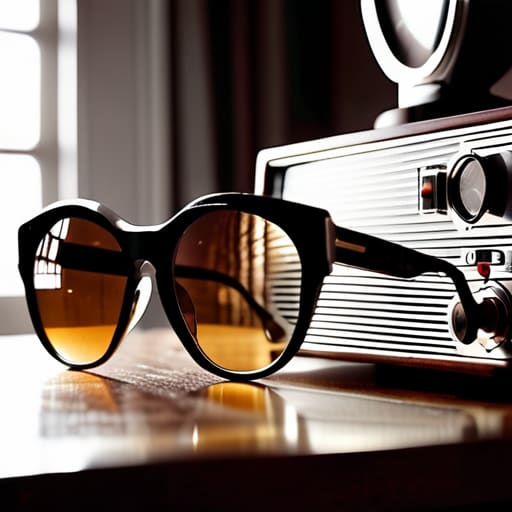
When you look into the iconic eyewear brands history, it’s easy to get swept up in the glamour of the names. We’ve been taught to associate certain logos with prestige, but if you’re looking at the timeline of how these houses grew, most of that “prestige” was built on celebrity influence on sunglasses rather than a sudden leap in quality. A star wearing a specific shape in a 1960s film can move millions of units, but that doesn’t mean the acetate is any thicker or the hinges are any sturdier than the pair you found in a charity shop.
The truth is, there is a massive gap between marketing a legacy and practicing high-end optical craftsmanship. I see it all the time: a brand spends millions on a campaign, yet the frames are injection-molded plastic that feels flimsy the moment you put them on. Real craftsmanship is found in the weight of the frame, the way the temple arms taper, and whether the lenses are actually treated for UV protection or just tinted for aesthetic. Don’t mistake a storied brand name for a guarantee that the glasses won’t pinch your nose or snap by next season.
Evolution of Sun Protection Technology and Lens Worth
We need to talk about the gap between looking cool and actually seeing clearly. For decades, the industry leaned heavily on celebrity influence on sunglasses to sell a vibe, often prioritizing a specific shape or a massive logo over what was actually happening behind the lens. In the early days, “protection” was a loose concept; you might have had tinted glass that looked great in a black-and-white film but did absolutely nothing for your retinas. The real evolution of sun protection technology didn’t happen on the runways, but in the labs, moving from simple dark tints to sophisticated UV-blocking polymers and polarized layers that actually stop glare.
If you’re digging through a thrift store for vintage designer eyewear styles, you have to be careful. A pair of frames from the 70s might have incredible character, but the lens tech is often decades behind. I always tell my clients: don’t get blinded by the aesthetic. You can find a beautiful pair of old frames, but if the lenses aren’t providing high-end optical craftsmanship, you’re essentially just wearing expensive, tinted plastic. Real value is when the tech matches the silhouette.
Stop Paying for the Logo: 5 Ways to Actually Judge a Pair of Shades
- Check the hinge weight, not the brand name. Designer history is built on acetate and metal, but modern “luxury” often uses hollow, lightweight plastic to save on shipping. If the temple feels like a toy, it’s not a heritage piece; it’s just expensive trash.
- Prioritize lens density over “designer” tint. A vintage-inspired gradient lens looks pretty in a mirror, but if it doesn’t have a proper UV rating, you’re just looking at the world through a fashionable, expensive blur. Real craftsmanship is about what the lens does for your eyes, not just how it matches your outfit.
- Look for the “seam” of the frame. High-quality acetate frames—the kind that actually last decades—should feel substantial and have smooth, rounded edges. If the edges feel sharp or “scratchy” against your temple, the manufacturing was rushed to meet a trend cycle, regardless of the price tag.
- Don’t ignore the bridge fit. You can buy the most iconic silhouette in history, but if the bridge doesn’t sit right on your nose, you’ll spend the whole day pushing them up. A $50 pair of frames that fits your anatomy is infinitely more “designer” than a $500 pair that slides down your face every ten minutes.
- Do the math on the repairability. Before you buy, ask yourself: if a screw falls out or a temple snaps, can a local tailor or optician actually fix this? Avoid “disposable” luxury frames with proprietary, glued-in components that force you to buy a whole new pair the second something goes wrong.
The Bottom Line on Your View
At the end of the day, the history of designer eyewear is a tug-of-war between genuine optical progress and clever marketing. We’ve moved from basic tinted glass to sophisticated UV-blocking lenses that actually protect your retinas, but don’t mistake a high price tag for high performance. You can track the evolution of a brand through its logos all day, but if you want to know if a pair is actually worth your hard-earned money, look at the hinge quality and the weight of the acetate. A heavy, high-quality frame that sits correctly on your bridge is worth ten times more than a flimsy, branded piece that slides down your nose every time you sweat. Stop chasing the heritage of a name and start prioritizing the physical specs of the lens and the frame.
My advice? Stop treating sunglasses like a status symbol you buy to impress strangers and start treating them like a piece of essential equipment. A great pair of shades should feel like an extension of your face, not a mask you’re wearing to hide behind. Whether you’re digging through a charity shop for a vintage silhouette or saving up for a single pair of well-engineered frames, make sure the math actually adds up for your lifestyle. You don’t need a wardrobe full of trends; you just need one pair that fits your face, protects your eyes, and survives a real Wednesday without falling apart.
If you’re looking at a pair of frames and can’t tell if the hinge is actually going to hold up or if the acetate is just going to crack after three months of being shoved into a bag, you need to look past the brand name and start checking the construction details. I always tell my clients that a heavy, well-balanced frame is worth more than a flimsy designer logo every single time. If you want to stop guessing and actually start understanding the nuances of high-quality builds and how they actually hold up in real life, I’ve been digging through the resources at oma ficken lately; it’s a great way to get a sense of what genuine quality looks like before you drop your hard-earned money on something that’s essentially just expensive plastic.
