Stop listening to the “curated vintage” influencers who act like thrifting is a high-stakes scavenger hunt for rare designer labels. Most of that advice is just a way to make a hobby feel more expensive than it actually is, and frankly, it’s exhausting. If you’re looking for how to shop secondhand well, you don’t need a mood board or a massive budget; you need to know how to spot a decent seam and a fabric that won’t pill after three washes. I spent two years in a basement studio pinning hems for people who couldn’t afford a new wardrobe, and I learned that a $5 polyester blend is a waste of money compared to a $15 vintage wool blazer that just needs a little bit of tailoring magic.
I’m not here to sell you on a lifestyle; I’m here to give you the technical toolkit I use every day. I’ll show you how to read a care label like a pro, which shoulder constructions are worth the hunt, and exactly when a garment is a bargain versus when the alteration costs will actually make it more expensive than buying it new.
Forget Trends How to Shop Secondhand Well for Real Longevity
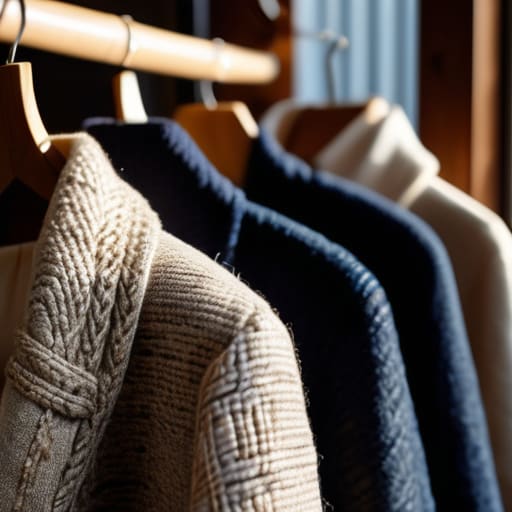
The biggest mistake I see when people start thrift store hunting is that they treat a charity shop like a fast-fashion warehouse. They see a neon green polyester top with a trendy slogan and think, “This is cute, I’ll grab it.” Then three washes later, it’s a shapeless rag. If you want clothes that actually last, you have to stop looking at the print and start identifying quality fabrics. I’m looking for the heavy weight of a real wool coat, the cool touch of silk, or the structural integrity of thick denim. If it feels like it’s made of melted plastic, leave it on the rack. Trends are designed to expire; natural fibers are designed to endure.
Don’t get distracted by what’s “in” on TikTok. Instead, do a quick pre-loved item inspection by checking the seams and the hem. A garment with a generous seam allowance is a goldmine because it means a tailor can actually work with it to fix your fit. I’ve rescued more beautiful, high-quality pieces by spending £15 on alterations than I ever have by buying something “on-trend” from a high street window. Look for the bones of the garment, not the decoration.
The Fabric Math Identifying Quality Fabrics That Actually Last
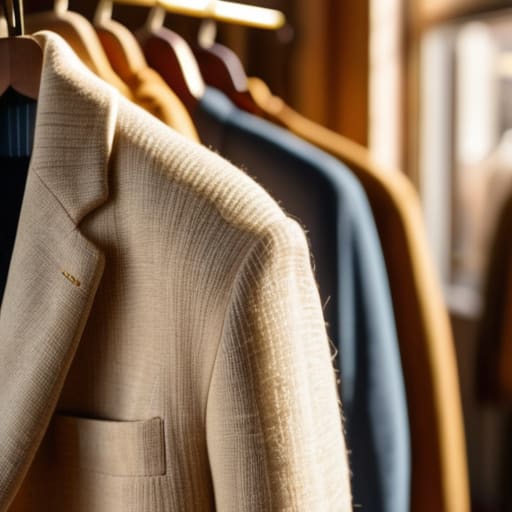
When you’re out there, stop looking at the brand name and start looking at the fiber content tag. This is the core of identifying quality fabrics without needing a degree. If you’re pulling a sweater off a rack and it feels like a scratchy, synthetic cloud of polyester, put it back. Polyester doesn’t breathe, it doesn’t age well, and it eventually turns into a ball of pills that no amount of fabric shaver can fix. I want you hunting for the heavy hitters: wool, linen, silk, and thick cotton. These materials have structural integrity. A 100% wool blazer from a charity shop might look a bit tired, but because the fibers are natural, they can be steamed, brushed, and revived.
Think of it as a cost-per-wear calculation. A cheap, acrylic blend might cost you five pounds, but it’ll lose its shape by Tuesday. A pre-loved silk blouse might cost ten, but it will survive a decade of washing if you treat it right. This is my favorite pre-loved item inspection hack: grab the fabric and give it a gentle tug. If it snaps back, it’s got life. If it stays stretched out like a piece of chewing gum, walk away.
Your Thrift Store Hunting Guide to Avoiding Expensive Mistakes
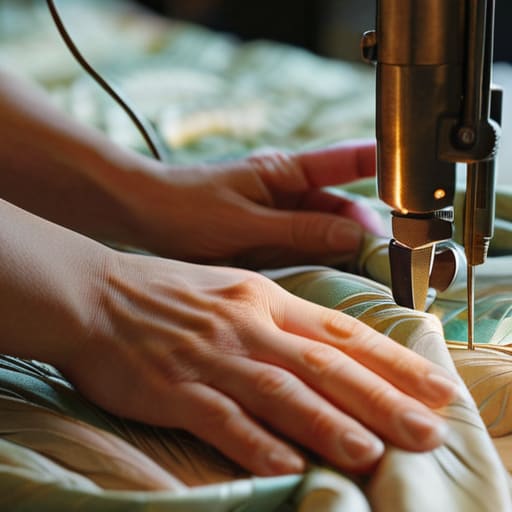
The biggest mistake people make is treating a thrift trip like a scavenger hunt for “vibes” rather than a technical inspection. I see so many people grab a gorgeous silk blouse only to get home and realize the underarms are shredded or the hem is unevenly weighted. You need a serious pre-loved item inspection routine. Before you even look at the price tag, turn the garment inside out. Check the seam allowances—if they’re narrow and finished with a messy overlock, that piece isn’t going to survive a heavy wash, no matter how much you love the print.
Don’t get blinded by a brand name, either. A designer label on a polyester blend is just an expensive way to look cheap in six months. Instead, use this thrift store hunting guide to look for “the bones.” Check the zippers; if they catch or feel flimsy, you’re looking at a $20 repair bill that immediately kills the “bargain” math. Look for heavy buttons, reinforced stitching at stress points, and natural fibers that feel substantial in your hands. If it feels like it’s wearing you rather than the other way around, put it back on the rack.
The Inspection Protocol a Pre Loved Item Inspection Checklist
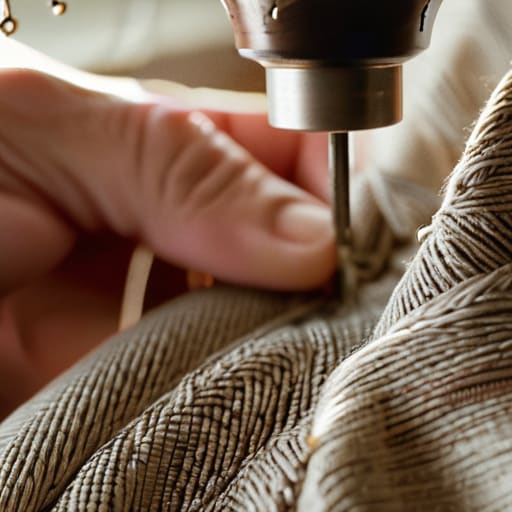
Before you head to the register, you need to perform a rigorous pre-loved item inspection. I don’t care how much you love the print; if the structural integrity is gone, you’re just buying expensive landfill. Start with the “stress points.” Turn the garment inside out and tug gently on the seams. If you see the threads pulling apart or daylight peeking through the stitch, walk away. Check the armholes and the crotch of trousers specifically—these areas take the most heat, and once the fabric thins out there, a tailor can’t perform miracles.
Next, do a tactile sweep for “hidden” damage. Run your hands along the underarms for salt stains or discoloration, and check the zipper teeth for any missing links or uneven tracks. A broken zipper is a $20 fix, which might be fine, but a moth hole in a delicate wool sweater is a death sentence. This part of your thrift store hunting guide is about being ruthless. If the hardware feels flimsy or the buttons are hanging by a single thread, factor that cost into your mental math immediately.
Decoding Resale Market Trends and Vintage Clothing Authentication
Don’t get caught in the “depop trap.” Just because a specific style is trending on social media doesn’t mean the item in front of you is actually vintage or even high quality. A lot of what people call “vintage” online is just fast fashion from five years ago that’s been washed until the seams are screaming. Real vintage clothing authentication isn’t about the aesthetic; it’s about the construction. I look at the zippers, the way the hem is finished, and the care labels. If that tag feels like thin, scratchy plastic, it’s likely modern mass-production, not a relic from the 70s.
When you’re navigating current resale market trends, stop looking for the “look” and start looking for the build. Trends move fast, but a well-made wool blazer from 1992 will outlast any “vintage-inspired” polyester piece you find in a trendy resale app today. If the silhouette is trendy but the fabric is a synthetic blend that doesn’t breathe, walk away. You aren’t buying a trend; you’re buying a garment that needs to survive your actual life.
The "Should I Actually Buy This?" Checklist
- Check the seam allowance before you hit the till. If you find a vintage wool blazer that’s a bit tight in the shoulders, flip it inside out. If there’s at least an inch of extra fabric tucked inside the seam, a tailor can let it out for maybe £15-£20. If the seam is right on the edge of the fabric? Walk away. You can’t manufacture more cloth.
- Ignore the size tag and trust the tape measure. Sizing is a lie that changes every decade, and “vintage” sizing is even more chaotic. A size 12 in 1990 is a size 6 today. If you’re shopping online, ask for the pit-to-pit measurement. If it doesn’t match what you actually wear, it doesn’t matter how “aesthetic” it looks in the photo; it’s just going to sit in your closet feeling like a mistake.
- The “Button and Zip” Stress Test. Don’t just look at them—use them. Cheaply made secondhand items often have hardware that’s about to give up. If a zipper feels sticky or a button is hanging by a single, frayed thread, factor that into the price. A basic button replacement is cheap, but a broken metal zipper on a heavy coat is a nightmare that costs more to fix than the item is worth.
- Look for “Structure over Stretch.” A lot of modern secondhand stuff is heavy on elastane, which loses its shape and gets those weird little ripples after a few washes. If you’re hunting for longevity, look for natural fibers that hold their own architecture—heavy cotton twills, real denim, or linen. They might feel a bit stiff at first, but they actually hold a silhouette instead of just clinging to your body.
- Do the “Light Test” on knits. Hold any sweater up to the light. If you see tiny, irregular gaps or a “fuzzy” thinning in the weave, that’s a sign of pilling or fiber breakdown. It might look fine on the hanger, but it’s going to look like a ball of lint after one more wear. If the knit looks uneven under light, it’s already halfway to the bin.
The Golden Rule of Thrifting
Stop looking for what’s “in” and start looking for what’s built to last; I’d much rather see you find a slightly oversized, 100% wool blazer with a solid seam allowance that costs twenty quid to taper, than a trendy polyester piece that’s going to pill and lose its shape before your next paycheck.
Neve Okonkwo-Barr
The Bottom Line
Look, shopping secondhand isn’t about finding a “hidden gem” or scoring a designer label for pennies; it’s about being smarter than the marketing machine. If you can master the art of checking a seam allowance, identifying a heavy-weight wool versus a thin polyester blend, and ignoring the fleeting trends that will look ridiculous by next Tuesday, you’ve already won. Remember: a thrifted blazer with slightly oversized shoulders is just a twenty-dollar tailoring job away from being your new favorite piece. Don’t let a small flaw scare you off if the fabric and the bones are solid. That is where the real value lives.
At the end of the day, your wardrobe shouldn’t be a collection of things you bought because you were bored or because an algorithm told you to. It should be a curated kit of pieces that actually work when you have to face a Wednesday morning. Stop trying to shop your way into a new identity and start looking for the pieces that respect your budget and your body. When you stop chasing the high of a “haul” and start looking for durability and fit, you stop being a consumer and start being a collector. Now, go find something with good structure and a decent hem.
Frequently Asked Questions
I found a designer piece for next to nothing, but the shoulders look weird—is that a dealbreaker or can a tailor actually fix it?
It depends on the construction, but generally? Shoulders are the most expensive part of a garment to move. If it’s just a slightly wide seam on a soft knit, a tailor can usually nip it in. But if it’s a structured blazer with heavy shoulder pads and a complex sleeve head, you’re looking at a massive alteration bill that might cost more than the piece itself. Check the seam allowance first—if there’s no extra fabric inside, walk away.
How do I know if a vintage garment is actually "high quality" or if it's just old fabric that's about to fall apart?
Look at the seams, not the label. If the stitching is loose or the thread looks fuzzy and thin, run. I check the “stress points”—underarms and crotch seams—for fraying. Then, I do the light test: hold the fabric up to a bulb. If the weave looks uneven or patchy, that’s dry rot, and no amount of steaming will fix it. If it feels brittle rather than soft, it’s just old dust waiting to disintegrate.
Is it actually cheaper to buy secondhand and alter it, or am I just spending more money in the long run?
It’s only more expensive if you’re buying “vintage” junk with zero structure. If you find a $10 wool blazer with a bit of a boxy waist, a $25 taper at the side seams makes it look like a $300 custom piece. Do the math: $35 total for a garment that actually fits your body and survives ten washes. If the fabric is synthetic, don’t bother. If it’s natural fiber, the alterations are an investment, not a loss.
