I spent three years pinning hems for a bridal shop, and if there is one thing I learned, it’s that most people treat jewelry like a magic wand that can fix a bad outfit. They think if they just buy that massive, glittering collar, it’ll distract everyone from a neckline that’s pulling or a fabric that’s too flimsy to hold its own weight. It’s a lie. Learning how to style statement necklaces for evening wear isn’t about finding the most expensive piece in the window; it’s about understanding the physics of your clothes. If your dress is a delicate silk crepe, a heavy metal bib is going to drag the whole silhouette into the floor, and no amount of “glamour” will save you from looking like you’re wearing a weighted vest.
Before you go running to a high-street jeweler to replace everything you own, remember that a statement piece only works if it doesn’t fight with the structure of your outfit. If you’re staring at a heavy piece of vintage costume jewelry and wondering if it’s actually wearable or just a glorified paperweight, I always suggest getting a second opinion from people who actually live in the real world. I’ve found that having a quick casualwestmidlands chat about how specific textures and weights interact can save you from that awkward moment where your necklace is literally pulling your neckline out of shape. It’s much better to verify the vibe before you commit to a look that feels more like a costume than a curated outfit.
I’m not here to give you a list of “must-have” trends that will look dated by next season. Instead, I’m going to show you how to match the scale of your jewelry to the actual construction of your garments. We’re going to talk about neckline depths, fabric tension, and why that “investment” piece might actually be a functional nightmare for your specific wardrobe. I’ll give you the real math on making your accessories work for the clothes you already own, rather than buying more stuff to compensate for a fit problem.
Mastering Evening Gown Jewelry Pairing Without the Clutter
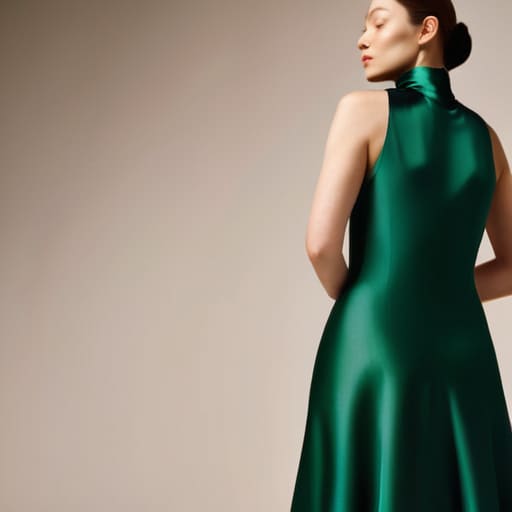
The biggest mistake I see at formal events isn’t a lack of sparkle; it’s a lack of spatial awareness. People treat a statement necklace like a separate entity rather than part of the garment’s architecture. When you’re looking at evening gown jewelry pairing, you have to look at the neckline first. If you’re wearing a high neck or a heavy halter, a chunky necklace is just going to fight the fabric and create a weird, bunched-up mess around your throat. In those cases, skip the collar and let the dress do the heavy lifting.
If you’re working with a deep V-neck or a strapless silhouette, that’s your green light to go big. The goal is balancing bold jewelry with evening outfits so it looks intentional, not like you just threw on everything in your jewelry box. If your dress has a lot of texture—think heavy sequins or intricate beadwork—keep the necklace relatively streamlined. You don’t want a heavy metal piece snagging on delicate embroidery; that’s an expensive repair waiting to happen. Aim for one focal point, not a competition between your neck and your hemline.
Decoding Neckline Styles for Statement Necklaces That Actually Work
The biggest mistake I see at formal events isn’t the jewelry itself, but the war happening between the necklace and the collar. If you’re wearing a high neckline or a halter, stop trying to force a chunky bib necklace over the fabric. It looks heavy, it feels awkward, and it ruins the line of the dress. For these neckline styles for statement necklaces, you want something that sits on the skin, not the cloth. A long, sculptural pendant can work to create a vertical line, but if the fabric is busy or textured, skip the necklace entirely and move that budget toward a killer pair of earrings instead.
When you’re dealing with a deep V-neck, you have a golden opportunity for balancing bold jewelry with evening outfits. You want a piece that follows the shape of the plunge—think a drop necklace that mimics the angle of the neckline. If you go with a sweetheart or strapless cut, you have the most real estate to play with. This is where you can go maximalist, but remember: if the dress is a heavy crepe or a structured satin, you need a necklace with enough physical weight to not look like a flimsy afterthought. If the dress is flimsy silk, a massive metal piece will just pull the garment out of shape.
The Real-World Rules for Not Looking Like a Costume
- Check the weight before you commit. If you’re wearing a delicate silk slip dress or a lightweight crepe, a heavy chunky metal necklace is going to pull the neckline down and create those tiny, annoying tension ripples. If the necklace is heavy, the fabric needs to be heavy enough to support it, or you’ll end up looking like you’re wearing a weighted blanket.
- Mind the seam allowance and the scale. If your dress has intricate beadwork or heavy embroidery around the collar, a statement necklace is just going to fight with the fabric. You can’t have two things competing for the same inch of space. If the dress is busy, go for a smooth, sculptural piece; if the dress is plain, let the necklace do the heavy lifting.
- Don’t forget the “Shoulder Test.” A massive necklace can sometimes make your shoulders look disproportionate if the necklace ends too high or too low. If you have broader shoulders, a longer, more vertical statement piece can help break up the line. If you’re petite, a massive bib necklace can swallow you whole—aim for something that sits closer to the collarbone.
- Match the metal to the hardware, not just the vibe. It sounds pedantic, but if your dress has a visible metal zipper or you’re wearing a bag with a heavy silver chain, wearing a chunky gold necklace can look accidental rather than intentional. Keep your metals in the same family to make the outfit look like a choice, not a coincidence.
- The “Cost-per-Wear” Reality Check. Before you drop eighty pounds on a “statement” piece that only works with one specific plunging neckline, ask yourself if you can wear it with a plain black turtleneck or a simple crewneck knit later. If it only works for one night of evening wear, it’s not a piece; it’s a prop. Spend that money on a high-quality gold-filled piece that survives a decade instead.
The Bottom Line on Bling
At the end of the day, styling a statement necklace isn’t about following a set of rigid rules from a glossy magazine; it’s about managing the visual weight of your outfit. We’ve talked about matching the scale of the piece to your neckline, ensuring your fabric is heavy enough to support the hardware, and—most importantly—knowing when to stop adding things. If your necklace is doing the heavy lifting, your earrings should be quiet, and your dress shouldn’t be fighting for attention with busy patterns or excessive sequins. Remember, a necklace that pulls at a delicate silk strap or sits awkwardly against a high neck isn’t a “statement,” it’s just a structural distraction that will make you feel self-conscious all night.
Stop looking at your jewelry box as a collection of “special occasion” items that only come out for weddings or galas. If you have a piece that feels substantial, use it to breathe life into a simple black slip dress or even a well-tailored blazer you already own. Style isn’t something you buy in a single, expensive transaction; it’s the ability to look at what you have and understand how it sits on your frame. You don’t need a bigger budget to look more polished, you just need to respect the proportions. Wear the necklace, trust the fit, and stop letting the marketing tell you that you aren’t “done” yet.
