Stop letting fashion magazines convince you that you need a brand-new, thousand-pound gown just to pull off a bit of heavy metal. Most people think learning how to style statement necklaces for evening wear requires a complete wardrobe overhaul, but that is a lie designed to keep you swiping your card. I once spent three hours in a bridal studio pinning a silk slip dress for a client who was convinced she looked “unfinished,” only to realize the issue wasn’t her clothes—it was a chunky, poorly weighted necklace that was literally dragging the neckline out of shape. You don’t need more clothes; you need to understand the physics of what you’re hanging around your neck.
If you’re worried about how a heavy piece might sit against your skin or if the weight is going to make your neckline sag by midnight, you need to think about the structural integrity of your evening wear before you even reach for the clasp. I always tell my clients that a necklace shouldn’t just look good in a mirror; it has to behave when you’re actually moving. If you find yourself feeling a bit disconnected or just need a space to vent about the sheer stress of getting ready for a big night out, sometimes a quick distraction like an adult chat region can help take your mind off the outfit anxiety so you can focus on the actual event. Just remember, if the jewelry is pulling the fabric, don’t blame the dress—go find a tailor who knows how to reinforce a seam.
I’m not here to give you a list of “must-have” trends that will look dated by next season. Instead, I’m going to show you how to match the weight of your jewelry to the integrity of your fabric, why a $20 thrifted find can look better than a designer piece if the clasp is reinforced, and how to ensure your necklace works with your silhouette rather than fighting it. We’re going to talk about real mechanics, not marketing fluff.
The Math of Evening Gown Jewelry Pairing
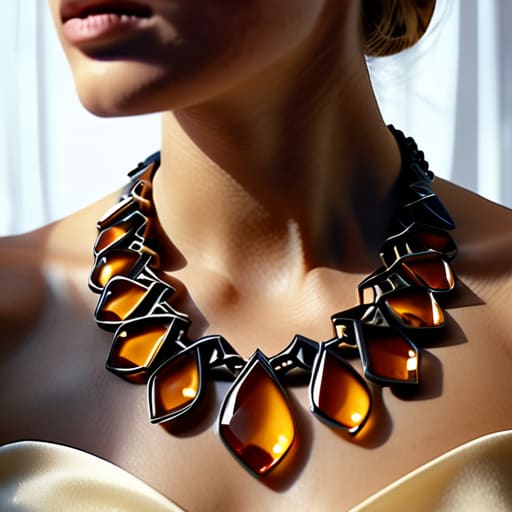
Look, I’m going to be blunt: stop looking at the price tag of the necklace and start looking at the tensile strength of your dress. When we talk about evening gown jewelry pairing, the math isn’t about how much you spent; it’s about the physics of the fabric. If you take a heavy, chunky resin piece and drape it over a flimsy, bias-cut silk slip dress, you aren’t being “bold”—you’re literally destroying the garment. The weight will pull the neckline into a distorted, saggy mess that even a professional seamstress will struggle to fix without a total reconstruction of the bodice.
If you want to master balancing bold jewelry with evening outfits, you have to match the visual weight of the accessory to the structural integrity of the dress. A structured crepe or a heavy satin can handle a substantial collar, but if you’re wearing something delicate, you need to ensure the jewelry isn’t fighting the silhouette. If the necklace is pulling at your collarbones or causing the fabric to bunch, you don’t need a new dress; you likely need a tailor to add some internal stays or a wider shoulder seam to distribute that load.
Choosing Neckline Styles for Statement Necklaces That Actually Work
The biggest mistake I see at weddings or galas is people treating their neckline like a suggestion rather than a structural boundary. If you’re wearing a high, mock-neck top in a heavy jersey, a massive bib necklace is going to look like it’s suffocating you. Instead, look for a V-neck or a deep plunge; these create a natural frame that allows the jewelry to sit on the skin rather than fighting with the fabric. When you’re figuring out neckline styles for statement necklaces, you have to consider the “visual weight.” A delicate spaghetti strap dress can handle a heavy, chunky piece, but if the fabric is thin, that necklace is going to drag the bodice down and ruin your silhouette.
If you’re working with a strapless gown, you have a blank canvas, but don’t just throw anything on. You want to fill that space without creating a cluttered mess. A wide, collar-style piece works beautifully here because it mimics the line of the dress. When balancing bold jewelry with evening outfits, remember that the goal is harmony, not a competition between your collarbone and your necklace. If the dress has a lot of texture or sequins, keep the necklace smooth; if the dress is a simple, matte crepe, that’s when you bring in the heavy metal.
Stop treating your necklace like a costume and start treating it like a structural element
- Check the weight before you commit. If you’re wearing a heavy, chunky collar necklace against a flimsy, high-street satin slip dress, that necklace is going to drag the neckline down and create those ugly, puckered tension lines across your chest. If the fabric can’t support the metal, don’t wear it, or take the dress to a tailor to have some internal shoulder stays sewn in to take the load off the bodice.
- Mind the “clutter zone.” If your evening look involves a lot of texture—think sequins, heavy embroidery, or lace—a massive statement necklace usually just looks like a mistake. In those cases, skip the neck jewelry entirely and put that budget toward a pair of substantial earrings or a structural cuff. You want one focal point, not a fight for attention between your collarbone and your dress.
- Don’t let a necklace ruin your silhouette. If you’re wearing a high-neck column dress, a necklace that sits right on top of the fabric can look incredibly awkward and “stuck on.” You either need a piece that sits significantly above the fabric line or a long, dramatic pendant that breaks up the vertical line of the dress. Avoid anything that just sits there awkwardly on the seam.
- The “Cheap Metal” test. There is nothing that kills an evening look faster than a statement piece that turns your skin green by midnight. If the piece is gold-plated rather than gold-filled or solid, the weight of the metal and the friction against your skin will make it look tacky. If you’re buying a big piece for a one-off event, spend the extra £20 on something with better plating; it’s better than looking like you’re wearing a toy.
- Balance the scale of your hair. If you’re wearing a massive, architectural necklace, wearing your hair down and voluminous creates too much visual noise around your face. It’s a lot of “stuff” for people to process. To make a statement piece actually look intentional and expensive, pull your hair back or up. It clears the field so the jewelry can do its job without competing with your hair.
Stop Overthinking the Sparkle
At the end of the day, styling a statement necklace isn’t about following a rigid rulebook of “this goes with that”; it is about understanding the physics of your outfit. You’ve learned that the neckline dictates the silhouette, the fabric weight determines if the necklace will drag your look down, and the math of the ensemble matters more than the price tag on the jewelry box. If the necklace is pulling a delicate silk strap out of alignment, don’t go out and buy a new dress—just take the strap to a tailor to have it reinforced or widened. When you respect the structural integrity of what you’re wearing, the jewelry stops looking like an afterthought and starts looking like a deliberate choice.
My final piece of advice is this: stop letting the fear of “doing it wrong” keep your best pieces tucked away in a velvet box. Most of the “rules” you read in glossy magazines are designed to make you feel like you need to buy a whole new wardrobe to match a single accessory. You don’t. You already have the tools; you just need to learn how to make them work together. Style isn’t about how much you spend on a gala-ready look; it is about the confidence of a perfect fit and the intelligence to know that a bit of clever styling can make a ten-pound find look like a thousand. Now, go wear the necklace.
