Stop buying those expensive, aesthetic acrylic bins just because an influencer told you they’d fix your life; they won’t. Most “complete guide to storage” articles are just glorified shopping lists designed to make you feel like your messy closet is a personal failure that can be cured by a trip to a big-box retailer. I spent two years in a cramped basement studio surrounded by piles of client garments, and I learned the hard way that expensive organizers are often just expensive ways to hide clutter that shouldn’t even be in your house in the first place. If you’re trying to solve a space problem by adding more plastic, you aren’t organizing—you’re just layering the chaos.
I’m not here to sell you a lifestyle or a specific brand of velvet hanger. Instead, I’m giving you a real, math-based approach to reclaiming your space by looking at what you actually own and how it functions on a Tuesday morning. This is a complete guide to storage rooted in fabric weight, shelf depth, and the actual cost of maintaining a wardrobe that doesn’t feel like a burden. We are going to talk about which items deserve a permanent home and which ones are just taking up expensive real estate in your life.
Understanding Complete Guide to Storage
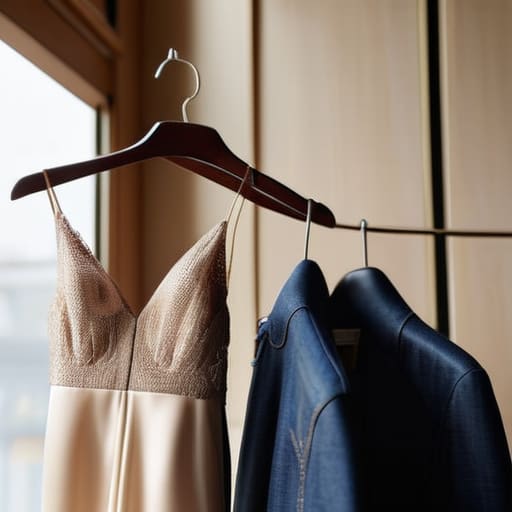
Before you go buying a single plastic bin or a set of matching velvet hangers, we need to talk about what you’re actually storing. A “complete guide” isn’t about how many boxes you can cram into a cupboard; it’s about understanding the lifecycle of your clothes. If you treat a silk slip dress the same way you treat a heavy denim jacket, you’re going to end up with a wardrobe full of ruined fibers. Real storage starts with preventing fabric damage by recognizing that different weights and weaves require different environments.
You also have to account for the rhythm of the year. Most people fail at organization because they try to fight the seasons instead of working with them. Effective seasonal wardrobe organization means moving the heavy wools out of your line of sight when it’s July, but doing it without suffocating them. I see people using vacuum seal storage bags for everything, but if you put a delicate knit in there, you’re basically asking for permanent crease marks and crushed fibers. We need to look at your shelf depth and your airflow, not just your floor space.
Key Things to Know
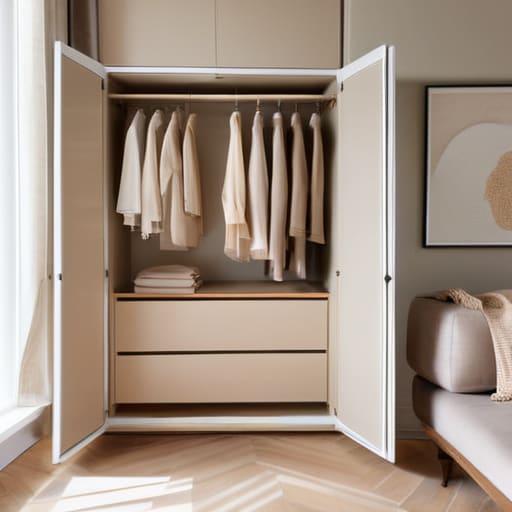
First things first: stop treating your closet like a graveyard for things you “might” wear. Real organization starts with closet decluttering tips that actually stick, which means being ruthless about what is actually worth the space. If you haven’t touched it in two years and it requires a specialist to fix a broken zipper or a blown-out seam, it’s not an “investment”—it’s just clutter. You need to clear the visual noise so you can actually see the quality pieces you’ve worked hard to curate.
Once you’ve cleared the dead weight, you have to think about survival. I see too many people ruin a perfectly good wool coat by shoving it into a plastic bin with everything else. You need to prioritize preventing fabric damage above all else. This means understanding that different fibers have different needs; for instance, silk needs air, while heavy knits should always be folded to prevent the shoulders from stretching into permanent, ugly bumps. If you’re doing any kind of seasonal wardrobe organization, please, for the love of your clothes, ditch the cheap plastic covers. They trap moisture and can actually rot your fabrics over time.
Practical Tips and Steps
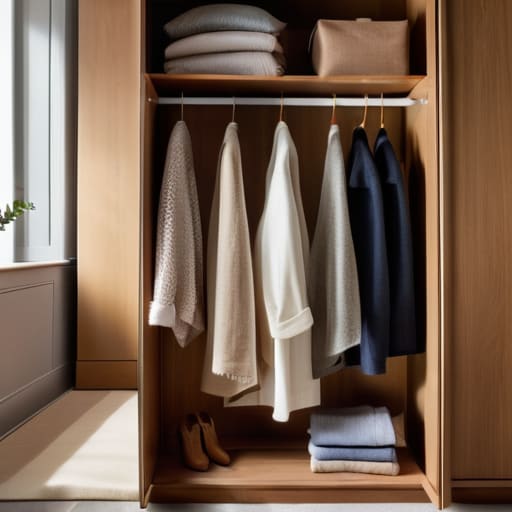
First, stop treating your closet like a graveyard for things you “might” wear. Real closet decluttering tips aren’t about throwing everything away; they are about auditing what actually fits your current life. If a seam is puckered or the fabric has lost its structural integrity, it’s not a “vintage find,” it’s a project or a donation. Once you’ve cleared the noise, focus on seasonal wardrobe organization. Don’t cram your heavy wool coats next to your summer linen blends. You’ll crush the fibers and create a microclimate of trapped heat that invites moths.
When it comes to the actual heavy lifting, please, for the love of your clothes, rethink your use of vacuum seal storage bags. They are fine for a puffer jacket you’re shoving in a suitcase, but if you use them for anything with natural fibers like silk or fine knits, you are essentially suffocating the life out of the fabric. Instead, invest in breathable cotton garment bags. It costs about the same as a fancy latte, but it’s the difference between a sweater that lasts a decade and one that comes out of storage looking like a crushed pancake.
Common Mistakes to Avoid

The biggest mistake I see—and it breaks my heart because it’s literally throwing money away—is treating your closet like a black hole. People go through a massive burst of closet decluttering tips they saw on TikTok, toss everything into bins, and then wonder why their favorite knitwear looks like a felted mess six months later. Stop using those aggressive vacuum seal storage bags for everything. Yes, they save space, but they are absolute killers for natural fibers. If you crush a wool sweater or a silk blouse into a plastic pancake for half a year, you aren’t “storing” it; you are effectively suffocating the life out of the weave.
Another huge blunder is ignoring the environment. I’ve seen beautiful vintage pieces ruined because someone shoved them into a damp corner of a basement or a non-ventilated plastic tub. You need to prioritize preventing fabric damage by monitoring your space. If your storage area isn’t maintaining optimal closet humidity, you’re basically inviting mold and mildew to have a party on your expensive linen. Don’t just buy more boxes to hide the chaos; invest in breathable cotton garment bags and actually respect the chemistry of your clothes.
Final Thoughts
Look, at the end of the day, a tidy closet isn’t about achieving some Pinterest-perfect aesthetic that looks good for ten minutes before you pull a sweater out and ruin the symmetry. It’s about making sure your clothes actually last. If you spend all this time on closet decluttering tips but then shove your delicate knits into tight, plastic vacuum seal storage bags, you’ve basically just organized your way into destroying your wardrobe. Airflow matters, and so does how you treat the fibers.
Don’t get caught in the trap of thinking you need a total overhaul every single month. Real style is sustainable, and that includes how you maintain what you already own. Focus on seasonal wardrobe organization that actually makes sense for your lifestyle—keep the heavy wools where they can breathe and protect the silks from light and dust. If you treat your clothes like the assets they are, instead of just more “stuff” to manage, you’ll stop the cycle of buying replacements for things that simply broke because they were stored poorly. Stop overcomplicating it; just respect the fabric.
Stop Buying Plastic Junk: 5 Ways to Actually Manage Your Space
- Stop treating storage like a shopping trip. Most people see a mess and think, “I need more bins,” but they actually just need to measure their shelf depth. Before you spend £20 on a set of clear plastic boxes that will crack in six months, grab a tape measure. If the box is even a centimetre too deep for your cupboard, it’s just expensive clutter that creates a dead zone behind it.
- Learn the difference between “display” and “utility.” If you’re buying those aesthetic, uniform linen boxes to hide things you never use, you’re wasting money. Use the pretty stuff for the things you actually reach for—like your daily knits—and save the heavy-duty, ugly-but-functional containers for the seasonal stuff tucked way up high.
- Respect the weight of your fabrics. I see people stuffing heavy wool jumpers into flimsy cardboard boxes in the attic all the time. That’s a recipe for crushed fibres and a permanent loss of shape. If you’re storing anything with structure or weight, you need breathable, sturdy containers that won’t collapse under the pressure of the stack above them.
- The “One-In, One-Out” rule isn’t just a cliché; it’s basic math. If you buy a new storage unit, something else has to leave your house. If you don’t have a plan for what is being evicted, you aren’t “organizing,” you’re just moving the mess from the floor to a shelf.
- Audit your “hidden” spaces once a season. We all have that one drawer or corner where things go to die. Instead of just shoving things in there to make the room look tidy for guests, spend ten minutes actually checking the contents. If you haven’t touched it in a year, it’s taking up valuable real estate that could be used for something that actually works for your life.
The Storage Delusion
Stop trying to solve a cluttered life by buying more plastic bins; you aren’t organizing your wardrobe, you’re just paying to hide the mess in a more expensive box. Real storage isn’t about what you can fit inside a container, it’s about knowing the depth of your shelves and the weight of your fabrics so you stop wasting money on organizers that break before the season even changes.
Neve Okonkwo-Barr
The Bottom Line on Your Space
At the end of the day, a “complete guide to storage” isn’t about buying a matching set of aesthetic linen baskets from a high-end lifestyle brand. It’s about understanding the actual dimensions of your life—knowing your shelf depth, measuring your drawer clearance, and realizing that most of the clutter you’re trying to hide is just stuff that shouldn’t be in your house in the first place. We’ve talked about avoiding the trap of “organizing” things you don’t even use, and why spending twenty quid on a sturdy, heavy-duty divider is a better mathematical decision than buying five flimsy plastic bins that will crack by next season. Stop treating storage like a decoration and start treating it like infrastructure.
My grandmother used to say that if you take care of your things, they’ll take care of you, and she was right. A well-organized space isn’t a luxury for people with endless time; it is a tool for people who have too much to do. When your clothes actually fit their designated spots and your essentials are where they belong, you stop fighting your environment every single morning. You aren’t just tidying a room; you are reclaiming your mental bandwidth. Build a system that works for your actual Tuesday morning chaos, not the Pinterest version of your life, and I promise you’ll feel the difference.
Frequently Asked Questions
How do I know if a storage solution is actually worth the money, or if I'm just buying more expensive clutter?
Stop looking at the price tag and start looking at the material. If it’s flimsy plastic that’s going to warp the second you put a heavy denim jacket in it, you’re just buying expensive trash. A real solution needs to match the weight of what it’s holding. Ask yourself: Does this solve a specific spatial problem, or am I just buying a pretty box to hide the mess? If it doesn’t have structural integrity, it’s not an investment; it’s clutter.
Which types of fabric or garment construction are most likely to be ruined by being shoved into standard storage bins?
If you’re shoving everything into plastic bins, you’re basically begging for a wardrobe disaster. Avoid compressing anything with structure—think blazers with shoulder pads or structured coats. You’ll crush the canvas and ruin the silhouette forever. Also, stay away from heavy knits; if you stack them, the weight of the pile will stretch the bottom layers into something unrecognizable. Lastly, keep delicate silks or anything with beadwork out of tight bins. Friction is the enemy of fine thread.
Is it actually cheaper to pay a tailor to fix my wardrobe than it is to keep buying new things just because my old ones don't fit my current space?
It is infinitely cheaper. Stop treating a change in body shape or lifestyle as a reason to go on a shopping spree. A £15 hem or a £20 waist nip on a high-quality wool trouser will always beat spending £60 on a polyester blend that loses its shape after three washes. You aren’t “outgrowing” your clothes; you’re just outgrowing the fit. Fix what you have, save the cash, and buy better fabrics later.
