I spent two years in a basement studio pinning hems for a bridal shop, surrounded by mountains of delicate silk and high-maintenance lace, and if there is one thing I learned, it’s that the industry is lying to you. They want you to believe that “care” means buying a specialized, $50 lavender-scented detergent for every single fiber in your closet. It’s a scam designed to make you feel like your wardrobe is fragile and your only option is to keep replacing it. Most people don’t need a boutique laundry room; they need a complete guide to clothing care that actually works for a person with a job and a life.
I’m not here to sell you on expensive fabric mists or artisanal garment steamers that just gather dust. Instead, I’m going to show you the real math of longevity: which stains are actually permanent, why your washing machine is secretly killing your favorite knits, and how to spot a fabric that will survive a year of real-world wear. This isn’t about perfection; it’s about knowing exactly how to handle what you already own so you can stop spending money on things that fall apart by Tuesday.
The Math of Longevity a Complete Guide to Clothing Care
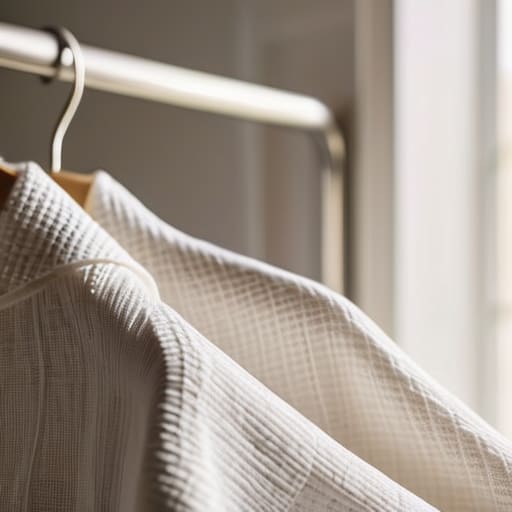
If you want to stop the cycle of buying a shirt in March only to have it look like a dishcloth by July, you have to stop treating your laundry basket like a black hole. Most people think “care” means just throwing everything on a 40-degree cycle and hoping for the best, but that is how you end up with a wardrobe of shrunk, pill-covered relics. Real longevity starts with actually reading the fabric care labels explained on the inside of your clothes. I know, it’s a chore, but that little icon tells you if a garment is going to survive a standard wash or if it needs a sink and some serious patience.
The real math of extending garment lifespan isn’t about buying more; it’s about how you treat what you already own. If you have a silk blouse or a fine knit, stop the machine madness and learn some basic delicate fabric washing techniques. It takes five minutes longer, but it saves you the £40 you’d spend replacing it. Also, learn one or two reliable ways for how to remove stains from clothes immediately—because a dried coffee spot is a death sentence for most mid-range cottons.
Cracking the Code Fabric Care Labels Explained for Real Life
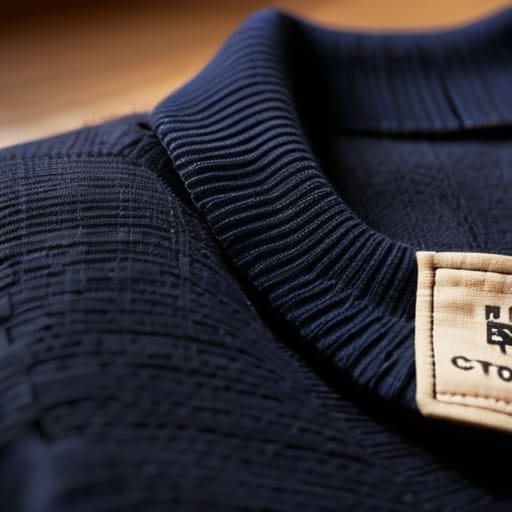
Look, I know the little white tag inside your shirt feels like a cryptic riddle designed by someone who hates you, but it’s actually the only thing standing between your favorite sweater and a total disaster. Most people treat fabric care labels explained as a suggestion, but they are actually a blueprint for preventing clothes shrinkage and structural failure. If a tag says “Dry Clean Only,” it isn’t a luxury flex; it’s often a warning that the internal structure—like the interfacing in a blazer or the delicate weave of silk—will collapse if it hits water.
Don’t just blindly follow the icons, though. You need to understand the why. If you see that little tub with a hand in it, it’s telling you the fibers are too weak for the mechanical agitation of a machine. For me, the real math comes down to temperature. High heat is the enemy of almost everything we actually want to wear. If you want to focus on extending garment lifespan, stop defaulting to the “hot” setting. Treat your clothes like they have a budget, because every time you melt a synthetic fiber or shrink a wool knit, you are literally throwing money into the bin.
How to Remove Stains From Clothes Without Ruining the Fiber
Look, I’ve seen more ruined silk blouses in my studio than I care to count, and 90% of the time, it wasn’t the spill that killed the garment—it was the panic-induced scrubbing. When you’re figuring out how to remove stains from clothes, the first rule is to stop treating a spot like a crime scene you need to scrub away. Friction is the enemy of fiber. If you take a heavy-duty brush to a delicate knit or a fine silk, you aren’t just moving the stain; you are permanently fraying the surface and creating a fuzzy patch that no amount of professional steaming can ever fix.
Instead, think like a tailor: work with the structure of the cloth. Blot, don’t rub. If you’ve dropped red wine on a linen shirt, use a clean cloth to lift the liquid upward. For protein stains like sweat or food, cold water is your best friend; hot water just cooks the proteins directly into the weave, making them a permanent part of the fabric. If you’re working with something high-end, remember that extending garment lifespan often means knowing when to put the sponge down and just take it to the dry cleaner. It’s cheaper to pay for a professional cleaning than it is to pay me to try and repair a hole you scrubbed through a sleeve.
Delicate Fabric Washing Techniques for Extending Garment Lifespan
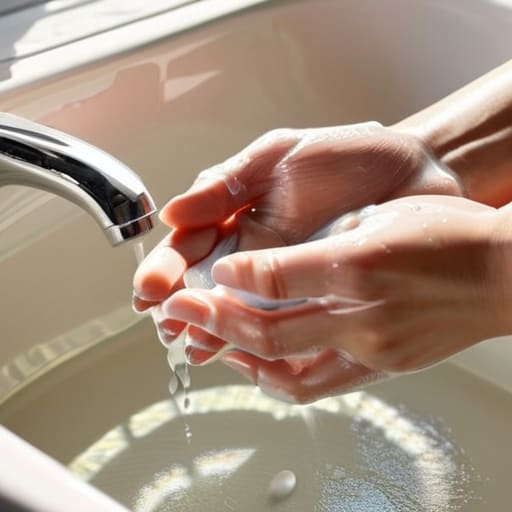
Look, I know the “Hand Wash Only” label feels like a personal attack on your free time, but if you’re wearing silk, fine wool, or anything with intricate beadwork, the machine is your enemy. Most people think they’re being careful by throwing everything on a “delicate” cycle, but the agitation alone is enough to fray fibers and ruin the drape of a high-quality garment. If you want to succeed at extending garment lifespan, you need to stop treating your delicates like gym gear. Get a plastic basin, use a pH-neutral liquid detergent—never powder, which can get stuck in the weave—and let the clothes soak. Don’t scrub them like you’re cleaning a kitchen floor; just gently squeeze the soapy water through the fibers.
When it comes to drying, this is where most people fail. Never, under any circumstances, put a delicate item in the tumble dryer unless you enjoy the sensation of wearing a shrunk-down version of your favorite blouse. Heat is the fastest way to trigger preventing clothes shrinkage failures. Instead, lay the item flat on a clean towel to dry. Hanging wet knits is a death sentence; the weight of the water will pull the shoulders out of shape, and you’ll end up with a garment that looks like it was stretched over a basketball.
Preventing Clothes Shrinkage and Smart Seasonal Wardrobe Organization
Look, nothing ruins a good find faster than a sudden, catastrophic loss of two inches in the waist. Most people think preventing clothes shrinkage is just about reading the tag, but it’s actually about temperature management. Heat is the enemy of structure. If you’re drying a cotton blend or a wool knit on high heat, you aren’t just drying it; you are essentially cooking the fibers into a permanent, stunted shape. If you want to succeed at extending garment lifespan, stop relying on the dryer for anything that isn’t a pair of heavy denim jeans or a towel. Air drying on a flat surface is a chore, I get it, but it’s the difference between a shirt that fits for three years and one that becomes a crop top after three washes.
Once you’ve actually kept your clothes in one piece, don’t just shove them into a dark corner of your closet. Proper seasonal wardrobe organization is about breathability, not just space. If you pack your summer linens into airtight plastic bins with your heavy winter knits, you’re asking for mildew and crushed fibers. Use cotton garment bags instead. It costs about tenner for a pack, which is much cheaper than replacing a moth-eaten cashmere sweater.
The "Don't Let Your Wardrobe Die in a Drawer" Checklist
- Stop over-washing everything just because you wore it once. If it doesn’t smell and it isn’t visibly dirty, hang it up near an open window instead. Every time you toss a garment in the machine, you’re essentially sandblasting the fibers, and that’s how a “good” sweater becomes a rag in six months.
- Invest in decent wooden hangers, especially for anything with structure like blazers or heavy coats. Wire hangers are cheap, but they’re also the reason your shoulders end up with those permanent, ugly bumps that no amount of steaming can ever fully fix.
- Learn the difference between a “dry clean only” label and a “dry clean preferred” label. Half the time, brands use that scary wording to protect themselves from liability, but if you’re sending every cotton shirt to the cleaners, you’re literally paying to destroy the fabric’s integrity.
- Treat your knits with respect by folding them, never hanging them. Gravity is the enemy of a loose knit; if you hang a heavy wool jumper, you aren’t “storing” it, you’re stretching it into a completely different (and much worse) size.
- Keep a small sewing kit—not the kind with the tiny, useless scissors, but actual decent thread and needles—on hand. Catching a loose thread or a tiny fraying seam early costs you nothing and five minutes of time, whereas waiting until it’s a hole means you’re looking at a repair bill that’s more expensive than the garment itself.
The Real Cost of Neglect
Stop treating your clothes like disposable props; if you spend forty pounds on a linen shirt but refuse to spend ten minutes learning how to wash it properly, you haven’t bought a garment, you’ve just bought a very expensive rag that’s going to fall apart by next Tuesday.
Neve Okonkwo-Barr
The Bottom Line on Your Wardrobe
Look, we’ve covered a lot of ground, from decoding those cryptic little care symbols to understanding why a high-heat dryer is basically a death sentence for your favorite knitwear. The takeaway isn’t that you need to become a professional laundress; it’s that you need to stop treating your clothes like disposable props. If you can master the basics of stain removal, respect your fabric weights, and actually read the damn labels, you are already ahead of 90% of the people out there. Remember, the goal isn’t perfection—it’s about extending the life of what you already own so you aren’t stuck in a cycle of buying cheap, poorly made things that fall apart by mid-February.
At the end of the day, a well-cared-for wardrobe is the ultimate hack for looking put-together without spending a fortune. When your clothes fit right and the fibers actually hold their shape, you stop feeling like you’re wearing a costume and start feeling like yourself. Stop chasing the high of the “new” and start finding the pride in the maintained. Style isn’t about how much you spend at a flagship store; it’s about the respect you show to the seams, the stitching, and the fabrics that carry you through your actual, messy, everyday life. Now, go hang up that shirt instead of leaving it in a heap on the chair.
Frequently Asked Questions
I found a great vintage wool blazer at a charity shop, but it smells like a basement—can I actually save it without shrinking the structure?
First, don’t you dare throw that in the washing machine. You’ll kill the internal structure—the canvas and shoulder pads—and then you’re left with a shapeless rag. Since it’s wool, try a heavy steam from a distance or hang it in a bathroom while you take a hot shower; the moisture helps lift the scent. If that fails, a professional dry cleaner is your best bet. It’ll cost you maybe £15, but it’s cheaper than a new blazer.
Is it actually worth paying for professional dry cleaning every time, or am I just throwing money away when a good steam and a hand wash would do?
Look, most people treat dry cleaning like a monthly subscription they can’t cancel, but it’s usually overkill. If it’s just a bit of sweat or a faint scent, a quick steam or a hang by an open window does the trick. Save your money for the heavy hitters: structured blazers, silk that loses its life in a sink, and anything with a lining that’s glued on. If you can hand-wash it without the seams puckering, do it.
My favorite high-street jeans are starting to pill and lose their shape; is that just the price of cheap denim, or is there a way to fix the fibers?
It’s usually a mix of both. High-street denim often uses shorter, cheaper cotton fibers that fray and tangle into pills when they rub against your thighs. If they’re losing shape, the elastane is likely dying from too many hot washes. You can’t “fix” the fibers once they’ve snapped, but you can shave the pills off with a fabric shaver to reset the surface. Just stop using the dryer—it’s killing the stretch.
