Stop letting “luxury” winter collections trick you into thinking a heavy price tag equals warmth. I’ve spent too many afternoons in a basement studio watching people bring in “designer” boots that have already lost their structural integrity because the sole was glued on with hope rather than stitched with purpose. Most marketing tells you that style is about the silhouette, but when you’re navigating a slushy Tuesday morning, style is actually about not having frozen toes. Learning how to choose winter boots shouldn’t feel like a math exam or a test of your credit limit; it should be about understanding the difference between a pretty leather finish and a boot that actually holds a wax and keeps the water out.
I’m not here to sell you a trend or a brand name that will crack by February. Instead, I’m going to show you how to inspect a seam, why the weight of the lug sole actually matters for your gait, and how to spot real insulation before you tap your card. We are going to look at the actual construction—the stuff the glossy ads skip—so you can build a footwear rotation that survives the season without needing a miracle or a massive repair bill.
Stop Buying Hype How to Choose Winter Boots That Actually Last
Stop buying hype: How to choose winter boots that actually last
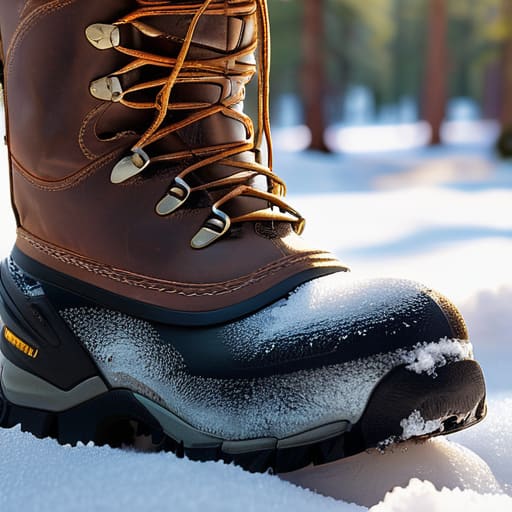
Marketing teams love to sell you “lifestyle” shots of people sipping lattes in pristine white boots, but they never show you what happens when you actually step into a slush pile. Most of those “designer” winter boots are just fashion sneakers with a thicker sole, and they will fail you by January. If you want the best winter boots for snow, stop looking at the logo and start looking at the construction. I want to see a Goodyear welt or at least a heavy-duty cemented sole that doesn’t feel like it’s made of recycled sponge. If the sole is too soft, it won’t provide the necessary traction for icy conditions, and you’ll be doing an accidental impression of a cartoon character on your way to the office.
Also, let’s get real about the “waterproof” claims. There is a massive difference between water-resistant—which is basically just a polite way of saying “good luck if it rains”—and truly waterproof materials with sealed seams. If you’re buying expensive leather, make sure it’s treated; if it’s synthetic, check the membrane. A boot that looks stunning but lets moisture seep through the stitching is just a very expensive way to get wet feet.
The Math of Warmth Thermal Insulation for Footwear vs Heavy Fluff
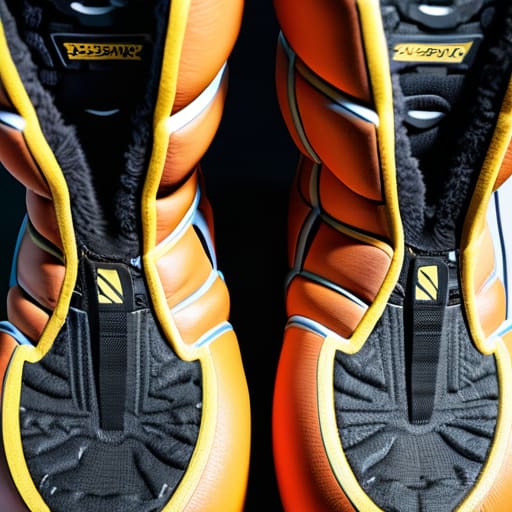
Marketing teams love to sell you “fluff.” They’ll show you a boot lined with three inches of synthetic faux-fur that looks cozy in a studio shoot, but here is the reality: excessive bulk is actually the enemy of heat. When a boot is too stuffed with cheap pile, it compresses your foot, cutting off the very circulation you need to stay warm. You want thermal insulation for footwear that provides a barrier without sacrificing space. Look for materials like Thinsulate or high-density wool blends that trap air without turning your feet into a cramped, sweaty mess.
The math is simple: if your toes can’t move, they’ll freeze regardless of how much polyester is stuffed inside. This is why I always tell people to check the internal volume before they commit. You need enough room for a decent sock, but not so much that your foot slides around—which, by the way, is a one-way ticket to blisters and cold extremities. If you’re looking for the best winter boots for snow, prioritize a structured lining that maintains its loft even after a month of heavy wear.
Waterproof vs Water Resistant Boots Dont Pay for a Lie
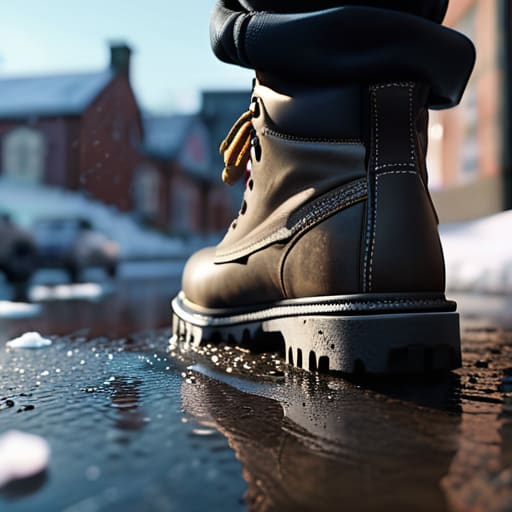
Marketing departments love to use these terms interchangeably, but if you’re standing in a slushy puddle, that distinction is the difference between dry toes and a very miserable walk home. “Water-resistant” is basically a polite way of saying the fabric has a light coating that will eventually surrender to a heavy downpour or deep snow. It’s fine for a quick dash from the car to the office, but don’t mistake it for real protection. If you are actually looking for the best winter boots for snow, you need to look for a dedicated waterproof membrane—something like Gore-Tex or a high-quality treated leather—that sits between the outer shell and your foot.
Here is the math: a water-resistant boot might cost you £60, but once the moisture seeps into the lining, your thermal insulation for footwear is effectively dead because wet fabric doesn’t trap heat. You’ll end up replacing them by January. A truly waterproof boot might cost £120, but it actually does its job. Check the seams, too; if the stitching looks loose or overly decorative, the water will find its way through the needle holes regardless of what the label says. Don’t pay for a fancy logo if the construction can’t keep a single raindrop out.
Traction for Icy Conditions Why the Sole Is Your Real Asset

Look, you can have the most expensive shearling lining in the world, but if you’re sliding across the pavement like a cartoon character, that thermal insulation for footwear isn’t doing you any favors. When I’m looking at a boot, I don’t care how “aesthetic” the silhouette is; I’m looking at the lug pattern. You want deep, aggressive grooves that can actually bite into the slush. If the sole is smooth or the tread is shallow, you aren’t buying a winter boot; you’re buying a very expensive way to end up in the A&E.
Don’t fall for those flimsy, fashion-forward soles that look great in a studio shot but offer zero traction for icy conditions. I always tell my clients to check the rubber compound. You want something that stays somewhat pliable in the freeze; if the rubber is so hard it feels like plastic, it’ll turn into a literal ice skate the moment you hit a patch of black ice. Look for a wide lug spacing—this prevents snow from getting packed into the treads, which is exactly how you lose your grip halfway through a walk.
The Real Winter Boot Sizing Guide Leave Room for the Sock
Here is the hard truth: if you buy your winter boots to fit your feet while you’re standing in a thin pair of summer cotton socks, you have already failed. I have seen so many people walk into a shop, try on a pair of “best winter boots for snow,” and walk out thinking they’re perfect because there’s no immediate rubbing. But the moment you pull on a heavy-duty wool sock, that boot becomes a vice. You need enough volume in the toe box to accommodate the extra layer without compressing your toes. If you compress your toes, you kill your circulation, and no amount of thermal insulation for footwear will save you from frostbite if your blood isn’t moving.
When you’re following a winter boot sizing guide, do the “wiggle test.” You should be able to slide a finger behind your heel when your toes are pushed forward, and your toes should have room to dance. If the boot is skin-tight, it’s a bad investment. A slightly larger boot that you can properly layer up is infinitely better than a “perfect fit” that leaves your feet freezing by lunchtime.
The "No-BS" Checklist Before You Tap Pay
- Check the welt, not the logo: Run your finger along where the upper meets the sole; if it’s just glued on with a thin layer of synthetic, that boot is going to delaminate the first time it hits a salt-covered sidewalk.
- Test the flex: Pick the boot up and try to bend the toe. If it’s as stiff as a plank, you’ll be walking like a robot and your calves will hate you by lunchtime; you want a sole that moves with your foot, not against it.
- Inspect the lining’s “give”: If the boot is lined with cheap, high-pile faux fur, remember that it will compress and flatten within three weeks, leaving you with zero insulation and a lot of cold toes.
- The weight-to-warmth ratio: Don’t mistake “heavy” for “warm.” A massive, clunky boot that weighs five pounds is just an ankle injury waiting to happen; look for high-density foam or felted wool that provides heat without the gym workout.
- Factor in the repair cost: Before you buy, ask yourself if a cobbler can actually fix these. If the sole is a weirdly molded plastic shape that can’t be replaced, you aren’t buying a boot, you’re buying a disposable piece of landfill.
The real cost of a "cheap" boot
Stop looking at the price tag and start looking at the welt and the leather density; a £40 pair of boots that swell and crack after one slushy Tuesday is actually more expensive than a sturdy pair that just needs a bit of wax and a cobbler’s touch to last you five winters.
Neve Okonkwo-Barr
The Bottom Line
At the end of the day, choosing winter boots isn’t about finding the most Instagrammable silhouette or the brand with the loudest logo. It’s about the technical reality of what’s happening between your foot and the pavement. You need to look past the marketing fluff and check the actual construction: is the leather thick enough to hold a wax, is the sole actually made of a rubber that won’t turn into a plastic skating rink when the temperature drops, and—most importantly—is there enough room in the toe box so your circulation doesn’t die by noon? If you can’t see the lug pattern or if the waterproofing sounds suspiciously vague, walk away. Buying for function saves you money in the long run, because a pair of well-made, properly sized boots can be resoled and maintained, whereas a “trendy” pair that leaks by January is just expensive landfill.
Please, stop treating your footwear like a disposable fashion accessory. Your feet are the foundation of your entire body, and if they are cold, wet, or sliding around in a boot that’s a half-size too big, your whole day is ruined. You don’t need a massive budget to look put-together; you just need to respect the mechanics of the garment. Find the boots that respect your gait and your climate, treat them well, and they will carry you through more than just one season. Style isn’t about how much you spend; it’s about knowing exactly what you’re wearing and why it works.
Frequently Asked Questions
I found a pair of designer boots on sale that look amazing, but the leather feels paper-thin—is it worth buying if I just get them treated with a heavy waterproofer?
No. Do not do this. A heavy waterproofer is a bandage, not a cure, and it won’t fix structural weakness. If the leather feels paper-thin, it’s likely a low-grade corrected grain or a thin split leather that lacks the fiber density to hold its shape once it gets damp. It’ll crack at the flex points within a month. Save your money; a cheap, sturdy boot with actual substance beats a “designer” one that disintegrates by February.
If I get my boots resoled by a cobbler, does that actually make a cheap pair better than buying one expensive high-end brand?
It depends on the construction, not the price tag. If your “cheap” boots are glued together (cemented construction), a cobbler can’t do much; once that sole peels, the boot is trash. But if they’re Goodyear welted or have a stitched platform, yes—a £60 pair with a £40 resole beats a £400 “luxury” boot that’s just fancy leather glued to a disposable sole. Check the stitching before you buy; if you can’t fix it, don’t own it.
My feet always get sweaty even when it's cold; should I be looking for specific linings like wool, or will that just make the moisture problem worse?
If your feet sweat, stay far away from cheap synthetic linings; they’re basically plastic bags that trap moisture and turn your boots into a swamp. You want natural fibers. Wool is your best friend here—not because it’s “warm,” but because it’s breathable and manages moisture better than anything else. If you can find a boot with a leather lining, even better. It’s a bit more upfront, but it’s the difference between dry feet and blisters.
