Stop calling a polyester-blend blazer an “investment” just because it has a logo on the sleeve. I’ve spent far too many afternoons in a basement studio staring at “designer” pieces that fell apart after three wears, and let me tell you: the secondhand market is incredibly unforgiving. Most people think they understand how resale value works, but they’re actually just falling for clever marketing that ignores the reality of fabric durability. If the seam allowance is paper-thin or the buttons are cheap plastic, your “asset” is going to be worth exactly zero the moment you try to list it online.
I’m not here to sell you on a lifestyle or tell you to shop more; I’m here to show you the actual maths of your wardrobe. In this guide, I’m going to break down why certain construction details determine your return on investment and which fabrics actually hold their integrity over time. We’re going to look past the hype and focus on the structural truth of a garment, so you can stop wasting money on things that won’t survive a single season, let alone a resale listing.
Understanding How Resale Value Works
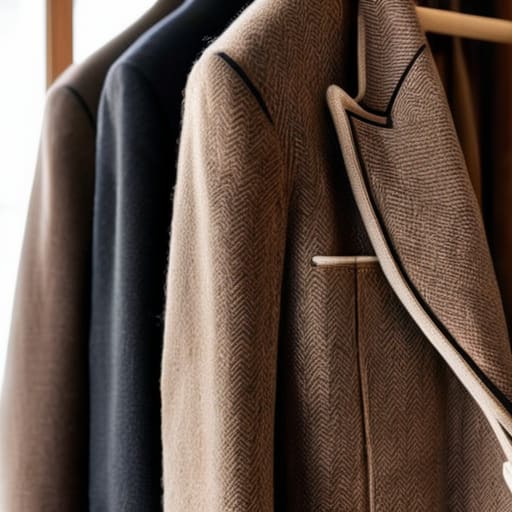
To understand how resale value works, you have to stop looking at the price tag and start looking at the construction. A piece of clothing doesn’t hold its worth because of a logo; it holds its worth because it can survive a second, third, or fourth life. When I look at a garment, I’m calculating the product lifecycle and value based on the fiber content. A 100% wool blazer might cost more upfront, but its ability to be steamed, brushed, and even tailored means it stays in the “high value” category for years. Synthetic blends, on the other hand, tend to pill and lose their shape, meaning their resale potential drops to zero almost immediately.
The secondhand market isn’t a mystery; it’s just a reflection of market demand for luxury goods versus sheer utility. People pay a premium for items that are “repairable.” If a seam rips on a high-quality trench coat, a tailor can fix it for thirty quid and the coat is as good as new. If the fabric itself is thin and cheap, no amount of stitching will save it. You have to weigh the initial cost against how much of that money you can actually claw back later.
Key Things to Know
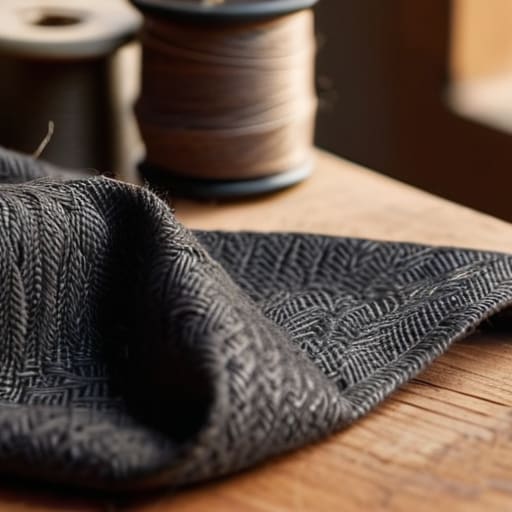
First, let’s talk about the actual mechanics of what makes a garment hold its worth. It isn’t just about the brand name on the tag; it’s about the product lifecycle and value. If you buy a heavy wool blazer with reinforced seams, it can be tailored, repaired, and passed down. If you buy a “luxury” polyester blend that pills after three washes, your resale value is essentially zero because the item has no life left in it. You have to look at the construction as much as the logo.
Second, you need to keep an eye on factors affecting secondhand price, specifically condition and seasonality. A heavy cashmere coat is a goldmine in October, but it’s much harder to move in July. I always tell my clients to check the “wearability math”: if a piece is too niche or too fragile to survive a second owner, you aren’t buying an asset, you’re just renting a headache. Real value comes from pieces that stay relevant regardless of used market trends, meaning they are built to last and easy to style.
Practical Tips and Steps
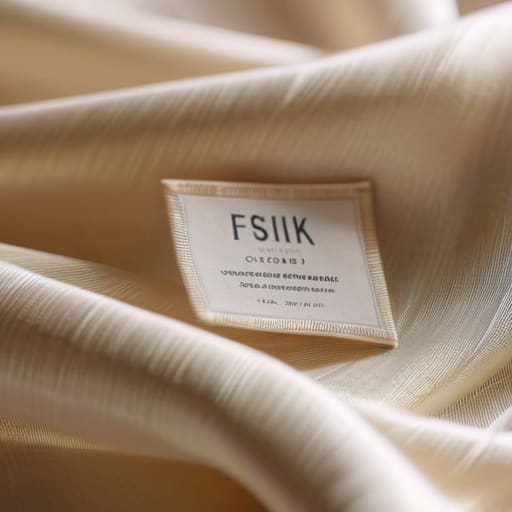
First, stop looking at the brand name and start looking at the composition tag. If you want to actually retain value over time, you need to buy for the long haul. A silk blouse might feel like a splurge, but a polyester blend version will pill, lose its shape, and hit a zero-dollar resale value within six months. I always tell my clients: check the fiber content before you hit the till. If the fabric can’t survive a heavy wash cycle or a busy Tuesday, it has no place in a resale strategy.
Second, treat your clothes like they are already being watched by a buyer. This means being ruthless about how you store things. A leather jacket left in a damp closet or a wool coat with a single loose thread might seem fine now, but those tiny details are the primary factors affecting secondhand price once you try to flip it. You aren’t just buying an outfit; you are managing a product lifecycle. If you keep the seams straight and the fabric clean, you aren’t just being tidy—you’re protecting your math.
Common Mistakes to Avoid
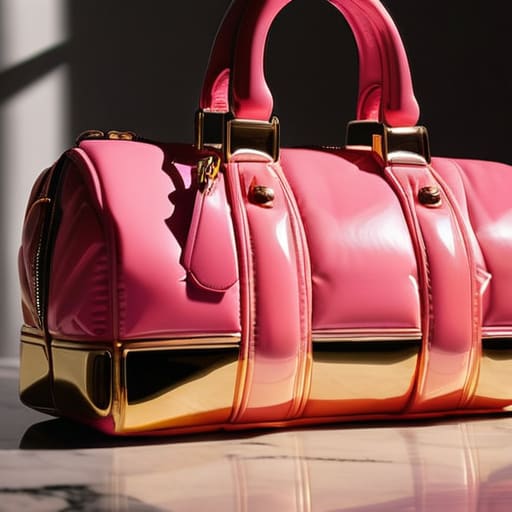
The biggest mistake I see people make is falling for the “luxury halo.” Just because a piece has a heavy gold logo doesn’t mean it’s a stable store of value. I’ve seen more people lose money on “it-bags” than I’ve seen them make, mostly because they ignore the actual market demand for luxury goods and instead chase a fleeting trend. If you buy a neon-pink puffer jacket because everyone on TikTok is wearing one, you aren’t buying an asset; you’re buying a ticking clock. When the trend dies, your resale value hits zero.
Another trap is neglecting the physical reality of the garment. You can talk all you want about retaining value over time, but if you’ve ignored a loose thread or a tiny snag, you’ve already tanked the price. People treat their clothes like museum pieces until they try to sell them, only to realize that factors affecting secondhand price include things like seam integrity and fabric pilling. If the fabric is thin or the construction is cheap, no amount of “brand prestige” will save it from the scrap heap.
Final Thoughts
Look, at the end of the day, your wardrobe shouldn’t be a graveyard of “good intentions” that you can’t even pass on to a friend. If you’re buying something just because the brand name promises high resale, do the math first. You need to look at the actual product lifecycle and value—is that polyester blend going to pill after three washes, or is it a heavy wool that will actually look better in five years? If the fabric fails, your resale potential dies with it.
Stop chasing the hype and start looking at the construction. The real secret to retaining value over time isn’t found in a marketing campaign; it’s found in the seam allowance and the weight of the cloth. A well-made, slightly oversized vintage blazer will always outlast a trendy, flimsy “it-item” that loses its shape by Tuesday. Buy for the fit, fix what doesn’t work, and only spend the big money when the quality actually justifies the price tag. That is how you build a wardrobe that actually pays you back.
The Real Math: 5 Ways to Ensure Your Clothes Actually Hold Value
- Check the fiber content before you touch the hanger. If it’s 100% polyester or a cheap acrylic blend, it’s not an investment; it’s a disposable item that will pill and lose its shape by next season, meaning your resale value is zero. Stick to natural fibers like wool, silk, or heavy cotton—they age better and buyers actually look for them.
- Look at the seam construction, not just the brand name. A designer piece with cheap, loose overlocking or thin, flimsy linings will fall apart after three washes, and no one is going to buy a “luxury” item that’s shedding threads. If the construction feels flimsy in your hands, the resale value is already dead.
- Buy for the “Wednesday Test.” If a piece is so trendy or niche that you can only wear it to one specific event, its resale window is tiny. Pieces that work for a regular Wednesday—classic silhouettes in durable fabrics—stay in demand longer and hold a much higher percentage of their original price.
- Factor in the “Alteration Tax.” If you buy a beautiful vintage blazer but need to spend £40 to take in the waist and shorten the sleeves so it actually fits your body, that £40 needs to be part of your math. If the cost of making it wearable eats up your potential profit, it’s a hobby, not a smart purchase.
- Condition is everything, but durability is the foundation. You can’t “condition” your way out of bad fabric. A high-end silk blouse is great until it develops a snag, and once that happens, it’s worth nothing. Buy pieces that are built to be washed, worn, and lived in, because a garment that survives a year of heavy rotation is the only kind that stays valuable.
The Real Math of Resale
Stop calling a jacket an ‘investment’ just because it has a designer label; if the fabric is thin enough to pill after three washes or the seams are so poorly finished that they won’t survive a single trip to my sewing machine, your resale value is heading straight to zero. Real value isn’t in the brand name—it’s in the weight of the wool and how well the garment holds its shape when you actually live in it.
Neve Okonkwo-Barr
The Bottom Line
At the end of the day, resale value isn’t some mystical aura that clings to a designer logo; it is a cold, hard calculation of fabric integrity and construction quality. If you buy a “luxury” piece that is actually just polyester blended with a prayer, it won’t matter how many people recognize the brand—the pilling and the limp seams will kill its value within three months. Remember that the goal is to buy things that can actually survive being worn, cleaned, and passed on. If you prioritize natural fibers, check the seam allowances, and spend that extra twenty quid to get the waist nipped in by a proper tailor, you aren’t just buying a garment; you are securing a liquid asset for your wardrobe.
Stop letting marketing departments convince you that a high price tag is a guarantee of longevity. Real style isn’t about having a closet full of expensive things that fall apart; it is about owning a curated collection of pieces that actually work on a Wednesday and still look sharp five years from now. When you stop shopping for the “look” and start shopping for the build, you win. You get better clothes, you save money in the long run, and you stop being a victim of the trend cycle. Build a wardrobe that is meant to last, and the math will always be in your favor.
Frequently Asked Questions
If I spend £40 on a tailor to fix the waist of a vintage blazer, does that actually increase the resale price, or am I just losing money?
It’s not losing money; it’s shifting the value from the fabric to the fit. A vintage blazer with a boxy, shapeless waist is just a piece of old cloth. A blazer that actually hugs your ribs? That’s a garment. If that £40 alteration bumps your resale price from £30 to £70 because the silhouette finally works, you’ve made a profit. You aren’t just paying for thread; you’re paying to make it sellable.
Which specific fabric types actually hold their value on resale sites, and which ones should I avoid because they pill or lose shape after three washes?
If you want resale value, look for structure. Heavyweight wool, linen, and high-quality cotton twill are your best friends; they hold their shape and look just as good in a year as they do now. Avoid anything labeled “soft touch” or “brushed”—that’s usually code for cheap synthetics that pill after two washes. If it’s a polyester blend that feels like a plastic bag, it’s dead on arrival. Buy for the fiber, not the feel.
Is it better to buy a high-end brand that’s currently "out" but has good construction, or a trendy mid-range piece that might be worth nothing by next season?
Buy the high-end piece. Every single time. Trends are just marketing noise, but construction is math. A “trendy” mid-range jacket usually has cheap polyester linings and shallow seam allowances—it’ll fall apart before the trend even dies, leaving you with zero resale value. If the high-end piece has good construction, it’s a structural asset. Even if it’s “out,” a tailor can adjust the silhouette for £30, and the quality ensures it actually lasts.
