I spent two years in a basement studio pinning hems for a bridal shop, and if there is one thing those silk slip dresses taught me, it’s that a high price tag is a terrible way to judge quality. I’ve seen “luxury” blazers that fall apart after three dry cleans because the manufacturer hid a cheap polyester blend under a thin layer of wool. Most people think they need a stylist to tell them what’s good, but honestly, you just need to know how to read a garment label before you hand over your hard-earned cash. Marketing teams are experts at making synthetic scraps look like heirloom pieces, but the truth is always hiding in that tiny, itchy white strip tucked behind the neck.
I’m not here to give you a lecture on textile science or teach you how to become a chemist. My goal is to give you the practical math of clothing: I’ll show you which fiber blends actually hold their shape after a wash, which “dry clean only” tags are just lazy manufacturing, and exactly when a fabric is worth the maintenance cost. We are going to strip away the hype and focus on durability you can actually see, so you can stop buying trash and start building a wardrobe that actually lasts.
Stop Buying Trash How to Read a Garment Label
First, look past the brand name and find the fiber content. This is where the real math happens. If you’re looking at a “luxury” sweater that is 80% acrylic, run. Acrylic is essentially plastic; it pills after three wears and holds onto odors like a sponge. I want to see natural fibers—wool, cotton, linen, or silk—mixed with a tiny bit of elastane for stretch. Understanding textile fiber content meaning is the difference between a shirt that looks crisp for three years and one that turns into a shapeless rag after one wash.
Next, tackle those confusing little icons. Don’t just guess; a laundry symbols guide is your best defense against a ruined wardrobe. If I see a “dry clean only” tag on a basic polyester blend, I know the brand is just trying to offload the maintenance cost onto you. It’s a red flag for low-quality construction. If the care instructions are overly complicated for a simple garment, it usually means the fabric won’t survive the friction of a standard machine cycle. Check those symbols before you hit the checkout.
The Real Textile Fiber Content Meaning and Your Wallet
When you look at that little white tag, don’t just scan for the brand name; look at the percentages. That’s where the textile fiber content meaning actually hits your bank account. If you see a blazer that’s 100% polyester, you aren’t buying a “sleek silhouette”—you’re buying a plastic shell that will trap heat like a greenhouse and likely pill before your second Tuesday at the office. I always tell my clients: natural fibers like wool, cotton, or linen might cost more upfront, but they breathe, they age gracefully, and they actually survive a washing machine cycle without turning into a shapeless rag.
The math is simple: high synthetic blends often mean high maintenance or zero longevity. If a shirt is a chaotic mix of five different fibers, it’s a nightmare for fabric durability and care because those fibers react to heat and water at different rates. You’ll end up with a hem that twists or a collar that puckers. Before you tap your card, check if that blend is actually going to work for your life, or if you’re just paying for a chemical cocktail that’s destined for a landfill.
Decoding Fabric Durability and Care Without the Hype
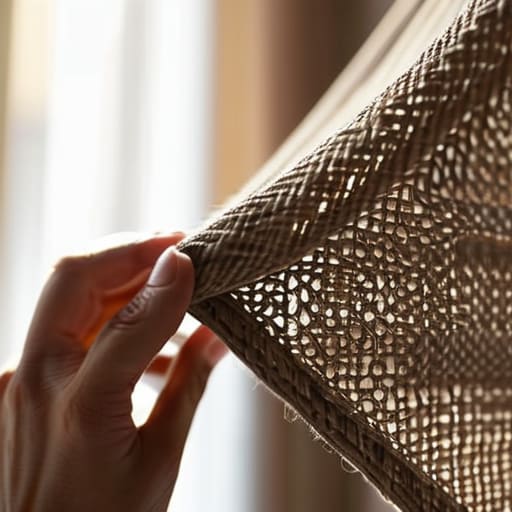
Here is the truth: a high percentage of what you see on the racks is designed to look good for exactly one hour under shop lights, then fall apart after three washes. When you are looking at fabric durability and care, stop looking at the brand name and start looking at the weave. A tight, dense weave in a natural fiber like linen or wool will outlast a loose, “breathable” synthetic blend every single time. If the fabric feels thin enough to see your hand through when held up to the light, it’s not a “lightweight summer piece”—it’s a garment that’s going to lose its shape by next Tuesday.
Don’t let the confusing laundry symbols guide on the back of the tag intimidate you, either. Most of those tiny, cryptic icons are there to protect the manufacturer from liability, not to actually help you. If you see a symbol that looks like a tub of water with a hand in it, that’s your signal that the garment is fragile and will likely shrink or pill if you treat it like a standard gym shirt. I always tell my clients: if the care instructions feel like a part-time job, you aren’t buying a piece of clothing; you’re buying a maintenance headache.
A Laundry Symbols Guide to Saving Your Best Pieces
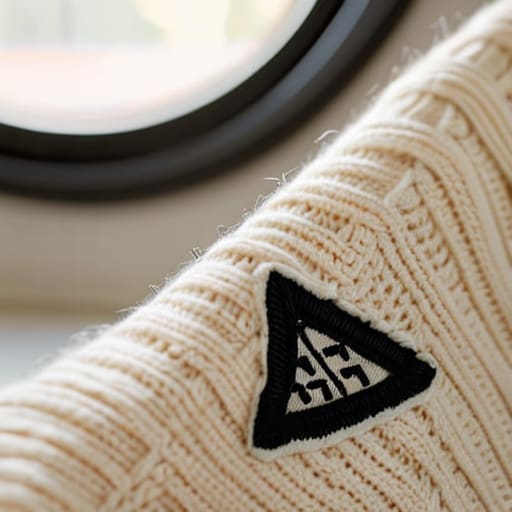
Look, I know the little icons on the care tag look like a secret code designed by a bored mathematician, but they are actually the only thing standing between your favorite sweater and a total structural collapse. Most people treat this laundry symbols guide like a suggestion, but if you see that little tub with a hand in it, it means your washing machine is your enemy. I’ve seen too many “expensive” wool blends turned into felted doll clothes because someone ignored the temperature icon. If it says 30°C, it means 30°C—not “30°C plus a little bit of warmth for good luck.”
Don’t get me started on the triangle. If that triangle has a big ‘X’ through it, do not, under any circumstances, use bleach, even if you think it’ll brighten things up. You’ll just eat through the fabric durability and care of the fibers and leave you with a garment that looks like it’s been through a war zone. Understanding washing instructions isn’t about being precious; it’s about not paying £60 for a shirt only to have it shrink to a crop top in one cycle.
Why Understanding Washing Instructions Beats an Expensive Mistake
Look, I’ve seen it a hundred times in my studio: someone brings me a “designer” silk blouse that looks like it was run over by a truck because they tossed it in a hot wash with their jeans. They’re devastated, but the truth is, they weren’t reading the signs. Understanding washing instructions isn’t just some chore for your Sunday afternoon; it is the literal difference between a garment lasting five years or five minutes. If you ignore those little icons, you aren’t just risking a shrink; you’re essentially throwing money directly into the bin.
When you combine the textile fiber content meaning with the care symbols, you get the full picture of how a piece will actually behave in your life. A high-percentage wool blend might feel like a dream in the fitting room, but if that label screams “dry clean only” and you’ve got a lifestyle that involves coffee spills and city commutes, that’s a hidden tax on your time and bank account. Don’t let a beautiful silhouette trick you into a maintenance nightmare. Check the icons, do the math on the upkeep, and buy for the life you actually live.
The Quick-Check Cheat Sheet: 5 Things to Look for Before You Head to the Till
- Check the fiber percentage, not just the name. If a “silk” blouse is actually 80% polyester, you aren’t buying luxury; you’re buying a plastic bag that will make you sweat and pill within three washes.
- Look for the “dry clean only” trap. If it’s a basic cotton knit or a simple linen blend that requires professional cleaning, walk away. You’re paying a permanent tax on that garment every time it needs a refresh.
- Feel the weight of the seam allowance. While you’re reading the label, grab the fabric near the tag; if the material is so thin that the seams feel like they’re pulling or puckering, no amount of “care” is going to stop it from ripping.
- Hunt for the “Made In” tag to gauge construction. I’m not being snobby, I’m being practical—certain regions have higher standards for finishing, and a garment with sloppy, loose threads at the label is a sign the whole piece is rushed.
- Do the “stretch math.” If the label says it’s mostly elastane or spandex, remember that those fibers eventually die. A garment with too much stretch might feel great in the fitting room, but it’ll lose its shape and become a baggy mess by next season.
The Math of the Tag
A garment label isn’t just a list of ingredients; it’s a receipt for your future stress. If the fiber content says ‘cheap blend’ and the care instructions say ‘dry clean only,’ you aren’t buying a piece of clothing—you’re buying an expensive, high-maintenance roommate that’s going to fall apart by next Tuesday.
Neve Okonkwo-Barr
The Bottom Line
Look, reading a label isn’t some high-brow fashion school ritual; it’s a survival skill for your bank account. We’ve covered the lot: how to spot a polyester blend masquerading as luxury, why that “dry clean only” tag on a basic knit is a massive red flag, and how to actually interpret those weird little laundry symbols so you don’t accidentally shrink your favorite sweater to doll size. At the end of the day, the label tells you exactly what you’re signing up for. If the fiber content is 90% plastic and the care instructions are a logistical nightmare, it’s not a bargain—it’s a liability. Stop letting the marketing department do the talking and start letting the fabric composition tell you the truth.
My goal isn’t to make you a textile expert, but I do want you to stop feeling like you’re failing at “style” just because a shirt lost its shape after three washes. Style isn’t about having a closet full of new things; it’s about having a closet full of things that actually last. When you start reading the fine print, you stop being a passive consumer and start being a curator. You’ll realize that a well-made, slightly more expensive piece with manageable care is worth ten cheap “must-haves” that fall apart by Tuesday. Buy for the fiber, check the seams, and remember: the best wardrobe is the one you don’t have to keep replacing.
Frequently Asked Questions
If a label says "dry clean only" but the fabric feels like a sturdy cotton, can I actually get away with a gentle machine wash?
Look, I’ve seen this a thousand times. If it feels like sturdy cotton but says “dry clean only,” the brand is likely just covering their backsides against a shrinking disaster. If you risk a machine wash, use a mesh bag, cold water, and a low spin. But if that “cotton” is actually a heavy blend with a structured lining or a delicate finish, one wrong cycle and you’ve turned a shirt into a doll’s outfit. Proceed with caution.
How much should I expect to pay a tailor to fix a garment if the label says the fabric is too delicate for heavy alterations?
If the label says “delicate,” you’re likely looking at silk, fine rayon, or lightweight wool. These aren’t “impossible,” but they require a steady hand and a fine needle. Expect to pay a 20-30% premium over a standard hem. A basic trouser hem might be £15, but a silk slip dress adjustment could easily hit £30 or more. You aren’t just paying for the stitch; you’re paying for the specialist who won’t snag your investment.
Are those tiny laundry symbols actually reliable, or are brands just using them to dodge responsibility when a shirt shrinks?
Look, let’s be real: those symbols are a legal shield. Brands love a “hand wash only” tag because it lets them blame you when a $60 linen shirt turns into a doll’s crop top after one cycle. The symbols themselves are standard, but the instructions are often lazy. Don’t trust a label that says “dry clean” for a basic polyester blend just to avoid testing how it handles a machine. If the fabric is cheap, the care label is usually a trap.
