I spent two years in a cramped basement studio pinning hems for a bridal shop, surrounded by the smell of steam and the constant thrum of a heavy-duty sewing machine. I watched people drop hundreds, sometimes thousands, on “designer” silhouettes that looked like they were wearing a tent, only to realize the magic wasn’t in the label, but in the seam allowance. Most fashion influencers want you to believe that looking polished requires a massive budget, but they’re lying. Real style isn’t about what you buy; it’s about learning how to use tailoring as a styling tool to bridge the gap between a garment that merely covers you and one that actually fits you.
I’m not here to sell you an “investment piece” or some vague aesthetic dream. I’m going to show you the actual mechanics of a good wardrobe: which fabrics won’t warp after one trip to the tailor, what a reasonable price for a waist nip should look like, and how to spot a cheap construction that’s impossible to fix. We are going to stop treating your clothes like disposable items and start treating them like assets. By the end of this, you’ll know exactly how to make a twenty-pound charity shop find look like it was custom-made for your body.
Stop Shopping for Style Why Your Wardrobe Is a Fit Problem
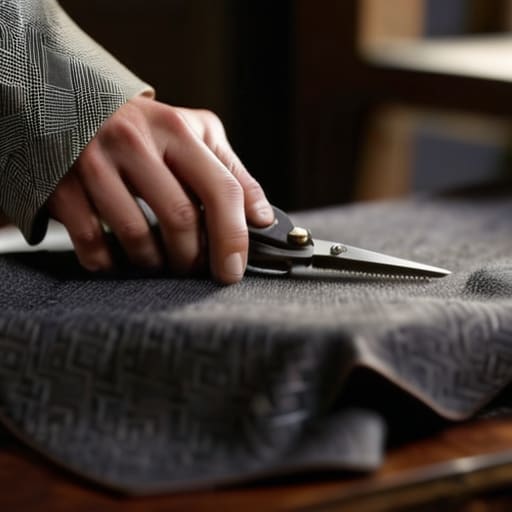
We have been conditioned to believe that if we don’t feel “put together,” the solution is a new transaction. We scroll through feeds, see a silhouette we like, and think, if I just buy that specific midi skirt, I’ll finally look like that. But here is the reality: you can buy the most expensive silk slip dress in the world, but if the waist sits two inches too low or the hips pull awkwardly, you aren’t going to look chic. You’re just going to look like you’re wearing someone else’s clothes. Most of what we call “bad style” is actually just a failure of geometry.
Instead of chasing the next trend, focus on improving garment silhouette through what you already own. When you stop viewing clothes as static objects and start seeing them as adjustable structures, the game changes. You don’t need a whole new wardrobe; you need to understand that professional garment adjustments are the bridge between “off the rack” and “made for me.” Whether it’s taking in a boxy blazer or shortening a hemline so it doesn’t swallow your frame, the goal isn’t to change who you are—it’s to stop letting the fabric dictate how you move through the world.
The Math of Custom Fit Clothing Benefits Over Fast Fashion
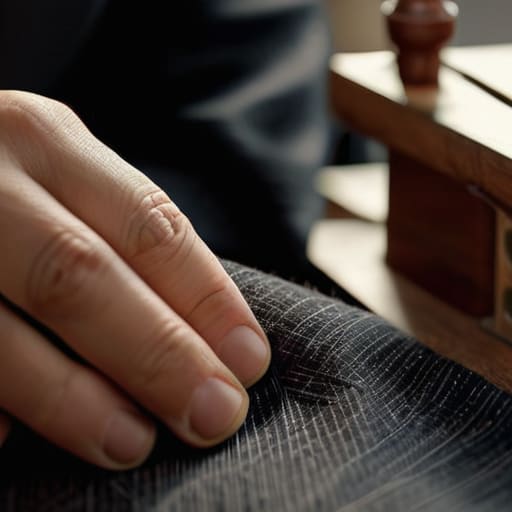
Let’s do the actual math, because “investment piece” is usually just marketing fluff used to justify a 400% markup. If you buy a £20 polyester blazer from a high-street giant, it’s going to look like a cardboard box because the pattern was cut for a mannequin, not a human. You’ll wear it three times before the seams pull or the fabric pills, and then it’s landfill. Now, compare that to a £60 vintage wool blazer from a charity shop that actually has decent seam allowance. Spend £25 on professional garment adjustments to nip the waist and shorten the sleeves, and you’re looking at an £85 garment that actually looks expensive.
That is the real way to achieve elevating wardrobe through fit without draining your savings. When you factor in the cost-per-wear, the tailored vintage piece wins every single time. You aren’t just paying for a better look; you’re paying for a garment that survives more than a season. Stop chasing the high of a new purchase and start looking at the cost of the fix versus the cost of the replacement.
Mastering Clothing Silhouette Optimization Without Breaking the Bank
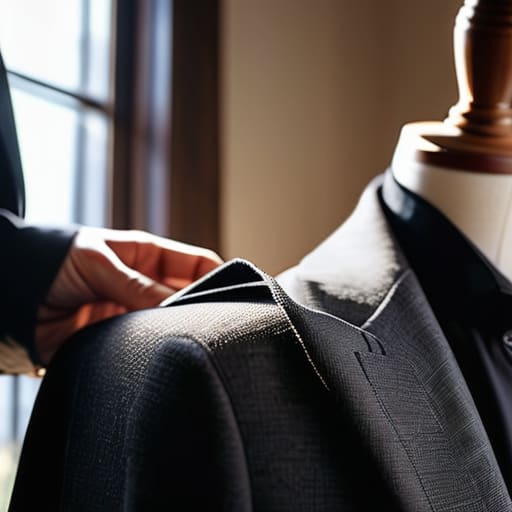
Once you’ve accepted that fit is the real engine of style, you have to stop looking at clothes as finished objects and start seeing them as raw material. Improving garment silhouette doesn’t require a designer’s budget; it requires knowing where the fabric is fighting your body. Most off-the-rack pieces are cut for a generic, static mannequin, which is why they look “fine” on a hanger but ridiculous once you actually move in them. The secret is identifying the tension points—the way a waistband digs in or how a sleeve swallows your wrist—and realizing that professional garment adjustments are the bridge between looking like you’re wearing a costume and looking like you own the room.
Don’t get intimidated by the idea of “custom” looks. You aren’t looking for a bespoke suit; you’re looking for clothing silhouette optimization through small, strategic wins. If you have a pair of trousers that fit your hips but pool around your ankles, don’t toss them. Hemming them to hit exactly at the top of your shoe is the fastest way to elevating wardrobe through fit without spending a fortune. It’s about working with the architecture of what you already own.
How to Use Tailoring as a Styling Tool for Daily Life
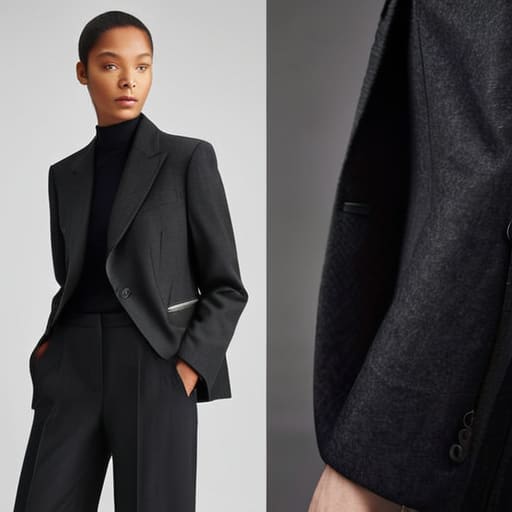
Most people think tailoring is only for when a button pops or a hem drags, but that’s a massive waste of a good seamstress. If you want to actually change how you look in an outfit, you need to start thinking about improving garment silhouette as a daily strategy, not an emergency repair. Instead of buying a new blazer because your current one feels “blah,” look at the waist. A simple dart or a slight taking-in of the sides can transform a boxy, shapeless piece into something that actually looks intentional. It’s the difference between looking like you’re wearing your dad’s clothes and looking like you actually own them.
The real secret to elevating wardrobe through fit is knowing how to play with proportions. If you have a pair of high-waisted trousers that feel a bit too “polite,” have a tailor taper the leg slightly or shorten the rise. You aren’t just fixing a garment; you’re directing the eye. When the lines of your clothes follow your actual shape rather than fighting against it, you stop looking like a collection of fabrics and start looking like a person with a style.
Professional Garment Adjustments Elevating Wardrobe Through Fit Instead of
We need to stop acting like a designer label is a magic spell that makes fabric behave. I’ve spent enough hours hunched over a sewing machine in a basement to know that a £500 blazer with dropped shoulders and a pooling waistline looks infinitely more “cheap” than a £40 vintage find that has been nipped and tucked to perfection. The truth is, elevating wardrobe through fit isn’t about the name on the neck tag; it’s about how the structure of the garment interacts with your actual frame. When you stop chasing logos and start focusing on professional garment adjustments, you realize that most high-end clothes are cut for a generic mannequin, not a human being with shoulders, hips, and a life to live.
Instead of hunting for that elusive “perfect” item that fits every single dimension—which, spoiler alert, doesn’t exist in off-the-rack retail—focus on improving garment silhouette through strategic tweaks. If you find a pair of trousers that fits your hips but drags on the floor, don’t toss them. A simple hem is a low-cost way to make a mid-range item look bespoke. By prioritizing the architecture of the clothing over the brand, you aren’t just fixing clothes; you’re finally making your wardrobe work for you.
Five Ways to Actually Use a Tailor (Without Losing Your Mind)
- Taper the sleeves, not just the waist. Most off-the-rack shirts look like they’re wearing you because the armholes are too big and the sleeves are too wide. Spending £15 to slim down the sleeves makes a cheap cotton shirt look like a bespoke piece, and it stops that annoying “balloon” effect every time you move your arms.
- Mind the hemline for your shoes. If you’re wearing trousers with boots, they shouldn’t bunch up like an accordion at your ankles; that’s just visual clutter. Ask for a slight taper and a hem that hits right at the top of the boot. It’s a £10 fix that makes you look five inches taller and infinitely more put-together.
- Shorten the shoulder seam on structured pieces. This is the “danger zone” of tailoring—it’s more expensive because it’s technical—but if the shoulder seam of a blazer is drooping down your arm, the whole garment is dead to me. If you find a vintage gem with the perfect fabric but wonky shoulders, check the alteration cost first; if it’s more than the jacket is worth, leave it on the rack.
- Fix the “Gap” in your denim. We’ve all been there: the waist fits, but the back gapes like a canyon. Don’t buy a size smaller and ruin the fit through your thighs just to close the waist. A simple dart or a waist nip at the center back costs about the same as a sandwich and saves your silhouette.
- Adjust the rise to suit your actual torso. Fast fashion loves a “standard” rise that ends up being too high for some and too low for others. If a pair of trousers feels like they’re pulling uncomfortably or sitting in a weird spot, see if a tailor can let out the waistband or adjust the seat. A garment that sits where it’s supposed to stays in your rotation; a garment that fights your body stays in the closet.
The Real Difference Between Wearing Clothes and Owning Them
“A designer label is just a piece of paper if the shoulder seam is sitting two inches too low; stop chasing the brand and start chasing the silhouette, because a £20 thrifted blazer with a £15 waist nip will always outdress a £500 jacket that’s fighting your body.”
Neve Okonkwo-Barr
The End of the Shopping Loop
Look, we’ve covered a lot, but it really comes down to this: stop treating your closet like a revolving door of “almost-fits.” We talked about why a £20 thrifted blazer with a £15 waist nip beats a £200 designer piece that hangs off your shoulders like a wet paper bag. We looked at the math—how spending a little extra on seam allowances and hem adjustments actually extends the life of your clothes rather than just adding to the pile. Whether you are optimizing a silhouette for a Tuesday morning meeting or elevating a basic cotton tee by just tightening the sleeves, the goal is the same: making the clothes work for your body, instead of you performing a constant, uncomfortable dance to accommodate the fabric.
At the end of the day, style isn’t a status symbol you buy; it’s a relationship you build with what you already own. You don’t need a bigger budget, you just need a better eye for where a garment fails and a local tailor who knows how to fix it. Stop waiting for the “perfect” item to land in your lap and start making the items you have perfect. When you stop chasing trends and start mastering fit, you stop being a consumer and start being someone who actually knows how to dress. Now, go find that one jacket sitting in the back of your wardrobe and take it to a professional. It’s time to make it work.
Frequently Asked Questions
How do I know if a piece of clothing is actually worth taking to a tailor, or if the fabric is too cheap to survive the adjustment?
Look at the seams, not the brand. If the fabric feels like paper or turns translucent when you stretch it, walk away—no amount of pinning will save a structural failure. Check the weight; natural fibers like wool or heavy cotton hold a shape after a stitch, whereas thin, sweaty polyesters tend to pucker and fray under a needle. If it’s a flimsy blend that feels like it’ll disintegrate in the wash, save your money.
What are the specific red flags I should look for when buying second-hand so I don't end up with a garment that's impossible to fix?
Check the “bones” of the garment before you even look at the label. If the fabric is paper-thin or has that shiny, melted look, it’s polyester that won’t hold a stitch. Watch out for “shattered” silk or pilling that goes all the way to the seam; you can’t tailor your way out of bad fiber. Most importantly, check the armholes and the rise. If the structural seams are ripped or the fabric is worn thin at the friction points, walk away. You can fix a waist, but you can’t fix a ghost.
How do I actually talk to a tailor so I don't feel awkward or end up paying for a "designer" service when I just need a simple hem?
Look, the “tailor intimidation” is real, but remember: they are technicians, not gods. Don’t walk in asking for a “transformation.” Walk in with specific, structural requests. Instead of saying “make this look better,” say “I need the hem taken up two inches” or “the waist needs a simple dart.” If they start talking about “reconstructing the silhouette,” walk away—that’s where the designer prices hide. Be direct, be specific, and know your numbers before you hit the chair.
