I spent two years in a basement studio pinning hems for a bridal shop, and if there is one thing I learned, it’s that a “70% off” sticker is often just a way to move fabric that was never meant to survive a single season. Retailers love to act like they’re doing you a favor, but they aren’t; they’re just clearing out the polyester blends that pill after three washes. Most people think they’re winning when they see a massive markdown, but they don’t actually understand how sales and discounting work to manipulate your sense of value. A sale isn’t a gift—it’s a math problem, and most of the time, the math is rigged to make you buy more of the wrong things.
I’m not here to teach you how to hunt for trends; I’m here to show you how to hunt for quality. I promise to strip away the marketing fluff and show you exactly when a discount is a genuine steal and when it’s just expensive trash. We’re going to look at the actual cost-per-wear, the integrity of the seams, and why that “bargain” might actually cost you an extra fifty quid at the tailor.
The Math Behind the Markdown How Sales and Discounting Work

The Math Behind the Markdown: How Sales and Discounting Work
Retailers aren’t just being “generous” when they slash prices; they are playing a very specific game of inventory clearance tactics. Think of every garment sitting on a rack like a piece of fruit—the longer it sits there, the more it “rots” in terms of its value. Brands use various promotional pricing models to move stock before it becomes dead weight. They’d rather take a smaller hit on a sweater now than have it sit in a warehouse for six months, costing them money in storage and lost potential.
When you see that “Final Clearance” sign, you’re seeing the end stage of their retail markdown strategies. At this point, the brand has likely already calculated the impact of discounts on profit margins to the cent. They know exactly how much they can drop the price while still covering their basic costs. My advice? Don’t just look at the percentage off. Look at the original price versus the fabric quality. A 70% discount on a polyester blend that loses its shape after one wash isn’t a saving; it’s just a way for them to offload expensive trash.
Profit Margins vs Your Wallet Decoding Retail Markdown Strategies

Here is the reality: a brand isn’t lowering a price because they’ve suddenly developed a conscience; they’re doing it because the math of their warehouse is screaming. Most of these retail markdown strategies are designed to protect the brand’s ego while sweating the actual cash flow. When you see a massive “flash sale,” you aren’t witnessing a gift; you’re seeing the impact of discounts on profit margins in real-time. They would rather take a hit on the gross margin now than let a seasonal coat sit in a dark corner for six months, gathering dust and eating up the space needed for next season’s stock.
The trick is understanding that a discount is often just a way to move “dead” inventory. If a shirt is 70% off, it’s usually because the fabric is a cheap synthetic blend that loses its shape after one wash, or the cut is so trend-heavy it’s already obsolete. I always tell my clients: never mistake a clearance tag for a bargain. If the price drop is massive, ask yourself why the garment is so desperate to leave the shop. If the quality isn’t there, you aren’t saving money; you’re just paying less for something that will end up in a landfill by next year.
Inventory Clearance Tactics Why They Push the Last Chance Lie

When you see that “Last Chance” banner flashing in red, your brain is being hijacked. It’s not a courtesy to let you know the stock is low; it’s a calculated move within inventory clearance tactics designed to bypass your logic and trigger a panic buy. Retailers aren’t just cleaning out the racks to make room for next season; they are managing the cost of holding onto dead weight. Every day a heavy wool coat sits in a warehouse instead of on a shelf, it’s costing the brand money in storage and insurance. They’d rather sell it to you at a steep loss than keep paying to house it.
The real trick is how they use these “final” moments to mask the impact of discounts on profit margins. Often, the “last chance” item is actually a piece with a high markup that was never intended to sell at full price. They aren’t losing money; they are just finally hitting the price point they actually wanted from the start. Before you rush to the checkout, ask yourself: am I buying this because it’s a steal, or because they’ve convinced me I’m about to lose out on something I didn’t even need?
Promotional Pricing Models Spotting the Difference Between Value and Vanity
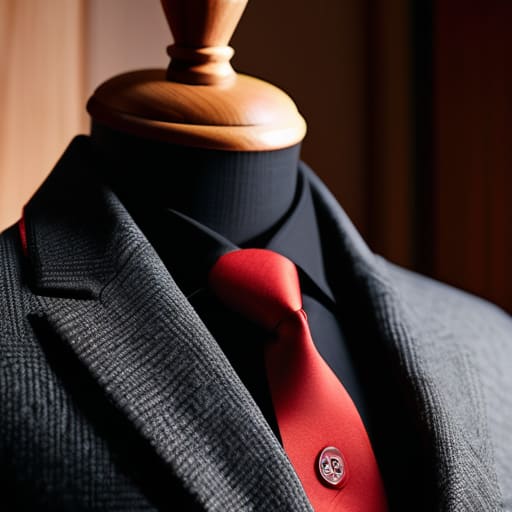
Retailers love to play a shell game with their promotional pricing models, and most of us fall for it because we’re looking at the red tag instead of the construction. There is a massive difference between a “value” price—where a high-quality wool blazer is finally hitting a price point that justifies its cost—and “vanity” pricing. Vanity pricing is when a brand marks up a polyester blend by 300% just so they can “discount” it by 60% and make you feel like you’ve won a prize. You haven’t; you’ve just paid a slightly smaller fee for something that’s going to pill after three washes.
To spot the difference, you have to look past the marketing fluff and check the actual integrity of the garment. If the sale is being driven by a genuine seasonal shift, you might find a heavy-weight cotton or a sturdy denim at a steal. But if the discount is constant, it’s not a sale; it’s just their standard operating procedure. When brands use these aggressive retail markdown strategies, they are often trying to mask a lack of demand for mediocre quality. Don’t let a “limited time offer” distract you from the fact that the seam allowance is too thin to survive a single trip to the dry cleaners.
Optimal Discount Timing When to Buy and When to Walk Away
Here is the truth about the calendar: most people wait for the big seasonal blowouts, but that is exactly when the selection becomes garbage. By the time a store hits its deepest inventory clearance tactics, you aren’t looking at a curated wardrobe; you’re looking at the leftovers that nobody—not even a professional stylist—could save. If you’re hunting for a high-quality wool coat or a structured blazer that actually holds its shape, you need to shop the “mid-season lull.” This is when the initial hype has died down, but the stock hasn’t been picked over by the frantic crowd.
The real trick to optimal discount timing is watching the cycle of the fabric, not just the sticker. I always tell my clients to look for the “pre-sale” window—that sweet spot where a retailer is trying to boost their gross margin vs net margin before the heavy end-of-season slashing begins. You can often snag a piece with better construction and better sizing for 30% off in October than you can for 70% off in February. If the rack is empty of anything with a decent seam allowance, walk away. Don’t let a “sale” convince you to settle for a garment that’s destined for the rag bin.
The Stylist’s Cheat Sheet: How to Actually Win a Sale
- Check the fabric composition before you even look at the price tag. A 70% off silk blouse is a steal, but 70% off a polyester-elastane blend that’s going to pill after three washes is just you paying to take someone else’s landfill to your house. If it doesn’t feel substantial in your hands, the discount isn’t saving you money; it’s just subsidizing a bad purchase.
- Do the “Alteration Math” immediately. If you find a gorgeous wool blazer for half price but the shoulders are too wide, you need to add the cost of a specialist shoulder reconstruction—which is never cheap—to that sale price. If the total exceeds what you’d pay for a well-fitting blazer at full price, walk away. A bargain that requires a structural overhaul is a trap.
- Ignore the “Original Price” sticker. Retailers love to anchor your brain to a fake, inflated MSRP to make the discount feel massive. I don’t care what they say it used to cost; I care about what the garment is actually worth based on the seam allowance, the weight of the fabric, and the quality of the construction. If the “sale” price is still higher than the value of the materials, it’s not a deal.
- Beware the “Sale Section” quality dip. Some brands specifically move their lower-tier, high-turnover items—the stuff made quickly and cheaply to hit seasonal targets—into the sale category first. If the sale rack is nothing but thin jersey and flimsy knits, it’ing because that’s the stock they know won’t last a season. Look for the heavy hitters like denim and outerwear; they hold their value better.
- Use the “Wednesday Test” for impulse buys. When you see a “limited time” flash sale, ask yourself: “Will I actually wear this on a random, unremarkable Wednesday in six months?” If the answer is no, and you’re only buying it because the math looks good on paper, you’re being manipulated by a marketing tactic, not a genuine value opportunity.
The Real Cost of a "Steal"
A 70% discount on a jacket with a cheap, synthetic lining and zero seam allowance isn’t a saving; it’s just a way to make you pay less for something that won’t survive a single winter. Stop looking at the percentage off and start looking at the cost per wear—because if it falls apart by February, that ‘bargain’ just cost you the full price plus the frustration of a wasted trip to the bin.
Neve Okonkwo-Barr
The Bottom Line (And Your Bank Account)
Look, we’ve pulled back the curtain, and it’s not nearly as glamorous as the marketing departments want you to think. We’ve seen how retailers use psychological pricing to make you feel like you’re winning, when really, they’re just clearing out the polyester-blend inventory that wasn’t moving. We’ve deconstructed the math of the markdown, the fake urgency of “last chance” tags, and the way profit margins dictate exactly when that red sticker hits the rack. The takeaway is simple: a discount is only a win if the garment actually survives more than three washes and doesn’t require a £40 alteration just to stop it from looking like a sack. If you can’t do the math on the cost-per-wear, you aren’t saving money; you’re just participating in a very expensive scavenger hunt.
At the end of the day, I want you to stop viewing sales as a personal invitation to “treat yourself” and start seeing them as a strategic window of opportunity. You don’t need a closet full of discounted things; you need a handful of well-constructed pieces that actually fit your life and your body. The real power isn’t in catching the 70% off clearance; it’s in having the discipline to walk away when the “deal” is just a way to offload mediocre fabric. Build a wardrobe that works for you on a rainy Wednesday, not one that exists just because it was cheap. Style isn’t a transaction, and it certainly shouldn’t be a trap.
Frequently Asked Questions
If a piece is marked down by 70%, does that mean the fabric quality is actually lower than the full-price items, or is it just a matter of seasonal colorways?
Not necessarily, but don’t get complacent. Usually, it’s just a seasonal colorway or a size run that’s gone wonky, but sometimes it’s a “quality cull.” Some brands slash prices on pieces with high synthetic content or flimsy seams because they know they won’t last three washes. Before you grab it, check the care label and the weight of the fabric. If it feels like paper, that 70% discount is just a way to offload trash.
Is it actually cheaper to buy a high-end designer item on clearance if I have to factor in the cost of a tailor to make the proportions work for my body?
It depends entirely on the construction. If it’s a high-end wool coat with a generous seam allowance, yes—paying £40 to nip the waist makes it a steal. But if it’s a delicate silk slip or a structured blazer with heavy shoulder padding, you’re in trouble. Altering those can cost more than the discount saved, and sometimes, the fabric just won’t survive the reconstruction. Check the seams before you check the price tag.
How can I tell if a brand is "permanently on sale" just to mask the fact that their baseline quality doesn't justify the original sticker price?
Check the fabric and the seams, not the tag. If a brand is “permanently on sale,” they’re usually selling overpriced polyester blends with zero seam allowance. Real quality has weight and structure; if a “sale” jacket feels like a glorified plastic bag, that original price was a lie. Look at the construction—if the stitching is loose or the fabric is paper-thin, no discount makes it a deal. You aren’t saving money; you’re just buying expensive trash.
