I spent three years in a basement studio watching people pay two hundred pounds for “designer” sneakers that had the structural integrity of a wet biscuit. It’s infuriating. The marketing tells you that you need the latest drop or a specific logo to look put-together, but I’ve spent enough time examining sole construction to know that a heavy, unyielding rubber bottom is just a recipe for lower back pain by lunchtime. If you are trying to figure out how to choose trainers for daily wear, stop looking at the hype and start looking at the stitching and the midsole density. A pretty shoe is a useless shoe if it doesn’t actually support your gait through a Tuesday morning commute.
I’m not here to sell you on a brand or tell you that you need a massive wardrobe refresh to look decent. Instead, I’m going to show you the actual mechanics of comfort—from identifying which synthetic meshes actually breathe to understanding why a certain heel-to-toe drop matters more than the colorway. We’re going to talk about fabric durability, how much a decent pair should actually cost, and how to spot a shoe that will actually survive a year of pavement pounding.
Understanding How to Choose Trainers for Daily Wear
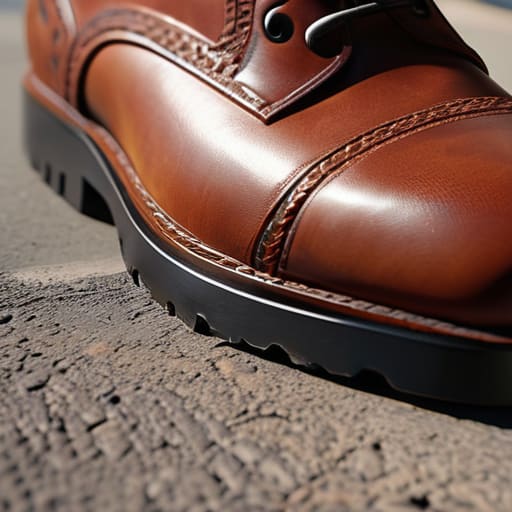
First, forget the aesthetic for a second and look at the build. Most people buy trainers based on a colorway, but if the sole is just a thin slab of compressed foam, you’re going to feel every single crack in the pavement by lunchtime. You need to look for durable sneaker construction—specifically, check if the upper is actually stitched to the sole or just glued on. If it’s just glue, that bond is going to fail the moment you hit a heavy rainstorm or a long commute.
Next, we need to talk about the internal mechanics. If you’re looking for the best footwear for standing all day, you cannot ignore the architecture of the shoe. I always tell my clients to check the midfoot; if there is zero structural integrity, you’re missing the essential foot arch support for walking that prevents your gait from collapsing by 3 PM. A trainer can look “cloud-like” in a marketing photo, but if it lacks proper cushioning and shock absorption, it’s just a glorified sponge that will leave your knees aching. Look for density, not just softness.
Key Things to Know
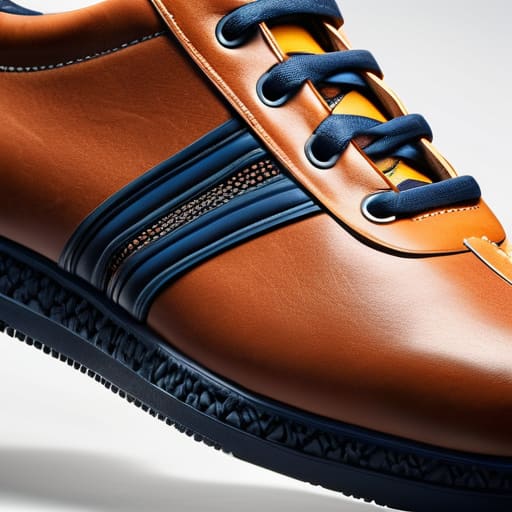
First, stop looking at the silhouette and start looking at the build. A sneaker can look incredible in a studio shoot, but if it’s built with thin, cheap foam that collapses after three weeks, you’ve just wasted your money. You want to look for durable sneaker construction—think reinforced stitching around the toe box and a midsole that actually has some density to it. If the shoe feels like a marshmallow when you squeeze it, it’ll feel like a pancake by lunchtime. You need something that holds its shape through the afternoon slump.
Second, let’s talk about the actual mechanics of your foot. If your job involves being on your feet, you aren’t just looking for “softness”; you’re looking for structural integrity. This means prioritizing foot arch support for walking so your muscles aren’t doing all the heavy lifting by 3 PM. Also, check the upper material. If it’s a heavy, non-porous synthetic, your feet are going to be sweating buckets by noon. Look for breathable footwear materials like mesh or treated canvas if you want to avoid that damp, heavy feeling that makes you want to kick your shoes off under the desk.
Practical Tips and Steps
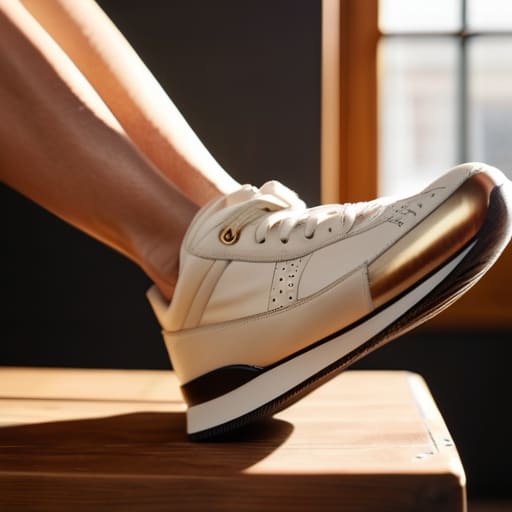
First, stop trying to buy trainers in the morning when your feet are at their smallest. Your feet swell by the afternoon, and if you buy a pair that feels “snug” at 9 AM, you’re essentially paying for a torture device that will cause misery by 4 PM. Go shopping late in the day and aim for a thumb’s width of space between your longest toe and the front of the shoe. You need that wiggle room to account for natural movement; if the toe box is too shallow, you’re going to end up with bruised nails and a very expensive reason to visit a podiatrist.
Next, look past the aesthetic and inspect the actual build. I don’t care how “clean” the silhouette looks on Instagram—if the sole is just a thin slab of cheap rubber, it lacks the cushioning and shock absorption required for a real commute. Look for durable sneaker construction like reinforced stitching around the eyelets and a midsole that actually feels substantial when you press it. If you’re on your feet for more than four hours, you also need to prioritize foot arch support for walking rather than just relying on a soft, squishy feeling that collapses after three weeks of wear.
Common Mistakes to Avoid
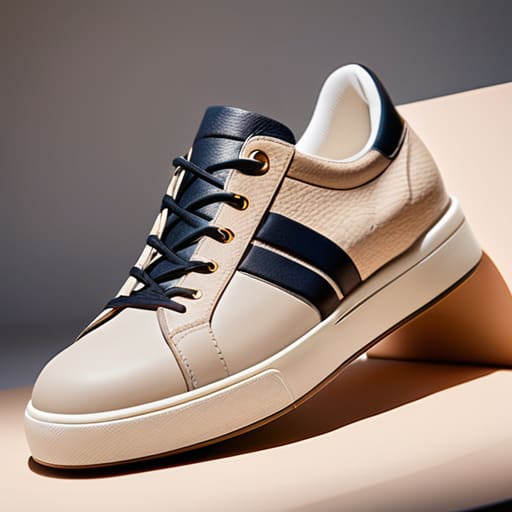
The biggest mistake I see is people buying for the “vibe” rather than the anatomy. You see a pair of sleek, minimalist trainers on Instagram and think, yes, these will look great with my straight-leg jeans, only to realize four hours into a shift that they have zero cushioning and shock absorption. If the sole is as thin as a wafer, you aren’t buying style; you’re buying a headache. Don’t let a pretty silhouette trick you into ignoring how your foot actually interacts with the ground.
Another trap is falling for the “luxury” label on flimsy materials. I’ve seen £200 sneakers that use cheap, synthetic overlays that crack within three months. If you want longevity, look for durable sneaker construction—think reinforced stitching and high-quality leather or heavy-duty canvas. Also, stop ignoring the heat. If the material doesn’t allow for airflow, you’re essentially wearing two tiny saunas on your feet. If it isn’t made from breathable footwear materials, you’ll be swapping them for sandals by lunchtime because your feet are sweltering.
Final Thoughts
Look, at the end of the day, stop letting a glossy Instagram ad or a “limited edition” drop dictate what goes on your feet. A shoe isn’t a trophy; it’s a piece of equipment for your life. If you’re spending eight hours on your feet, you don’t need a status symbol that feels like walking on concrete; you need cushioning and shock absorption that actually works. I’ve seen people spend two hundred pounds on “designer” trainers only to end up with aching calves because the construction is purely aesthetic.
Before you tap ‘buy’, do the mental math. Is the material actually going to hold up, or is it just cheap synthetic that will lose its shape by next month? Look for durable sneaker construction and fabrics that won’t turn into a sweatbox by lunchtime. If the brand won’t tell you about the weight of the sole or the quality of the stitching, they’re selling you a logo, not a shoe. Buy for the way your body feels on a rainy Wednesday afternoon, not how the box looks on your shelf.
The Non-Negotiables: What I Look for Before I Say "Yes"
- Check the upper material, not the logo. If it’s a cheap, thin synthetic that feels like plastic in the shop, it’s going to crack at the flex point within three months. Look for leather that actually yields to your foot or a high-density knit that won’t lose its shape by lunchtime.
- Don’t trust the “size” on the box; trust the volume of your foot. A trainer might be the right length, but if the toe box is shallow, you’re paying for a pair of torture devices. If you can’t wiggle your toes without hitting the ceiling of the shoe, walk away.
- Inspect the heel counter. Give the back of the shoe a firm squeeze; it should be sturdy enough to hold your heel in place but not so rigid it digs into your Achilles. If it feels flimsy and collapses easily, your ankles will be screaming by the end of a Wednesday.
- Look at the sole’s flexibility. A trainer shouldn’t be a stiff plank of wood. You should be able to bend the shoe at the ball of the foot. If it’s too rigid, it’s not a daily trainer; it’s a platform that’s going to mess with your natural gait.
- Do the “Weight vs. Support” math. A super lightweight trainer looks great in photos, but if there’s zero structural support, you’re just paying for air. You need enough density in the midsole to handle your actual weight, not just the weight of the marketing campaign.
The Real Cost of "Cute" Sneakers
Stop letting a lifestyle brand convince you that a $150 pair of sneakers is an ‘investment’ just because the logo is clean; if the midsole is cheap foam that collapses after three months of walking to the bus, you haven’t bought a staple, you’ve just paid a massive premium for a very expensive piece of landfill.
Neve Okonkwo-Barr
The Bottom Line
At the end of the day, choosing the right trainers isn’t about chasing a silhouette you saw on a mood board; it’s about the physics of your own feet. Stop letting the marketing departments convince you that a chunky sole or a specific logo is the shortcut to a better wardrobe. Look at the construction. Check if the upper is a breathable mesh that won’t lose its shape in three months, or a sturdy leather that actually stands a chance of being resoled or cleaned once the initial grime sets in. Remember: a trainer is only a good buy if the arch support matches your stride and the price tag doesn’t leave you too broke to actually go anywhere. If it feels like a compromise in the shop, it will feel like a physical penalty by the time you hit five thousand steps.
We spend so much energy trying to buy a “new version” of ourselves through footwear, but the most stylish thing you can actually wear is confidence rooted in comfort. You shouldn’t have to limp through a Tuesday just because your shoes look “correct.” Build a rotation that respects your budget and your biology. When you stop treating your shoes like disposable accessories and start treating them like functional tools, you stop wasting money and start building a wardrobe that actually lasts. Now, go find a pair that works for your life, not just your grid.
Frequently Asked Questions
If I find a pair of high-end trainers at a charity shop that are slightly worn, is it actually worth paying a professional to deep clean and replace the insoles, or am I just throwing good money after bad?
It depends entirely on the construction. If they’re high-end because of the materials—think thick leather or heavy-duty canvas—go for it. A professional clean and new insoles might cost you £25-£30, but that’s cheaper than a new pair. However, if the midsole is crumbling or the glue is peeling, walk away. That’s not “character,” it’s structural failure, and no amount of scrubbing will fix a shoe that’s literally falling apart.
Can a tailor actually fix trainers if they’re a bit too loose around the heel, or is that a lost cause once the structure is gone?
Honestly? If the internal structure is collapsed, you’re fighting a losing battle. But if it’s just a slight heel slip, don’t bin them yet. A cobbler—not a garment tailor, mind you—can often add a reinforced heel counter or a professional slip pad. It’ll cost you about the same as a decent lunch, but it’s worth it to save a good pair. If the sole is separating and the shape is gone, let it go.
How do I tell if a "designer" trainer is actually built to last, or if it's just cheap synthetic leather with a heavy logo slapped on the side?
Stop looking at the logo and start looking at the edges. If the “leather” feels like a stiff car seat and smells like a chemical factory, it’s synthetic, and it’ll crack by next autumn. Check the construction: is the sole just glued on with zero stitching? If there’s no welt or visible bond, it’s disposable. A real trainer has weight, a supple grain, and a seam that doesn’t look like it’s screaming under tension.
