I spent two years in a basement studio pinning hems for a bridal shop, and if there is one thing I learned, it’s that most people are accidentally murdering their wardrobes every Sunday night. You think you’re just being efficient, but that “high heat” setting is basically a slow-motion execution for your favorite knitwear. I’ve had clients bring me trousers that were two inches too short because they didn’t know how to dry clothes without damage, and honestly, no amount of clever tailoring can fix a garment that has literally shrunk into a different size category. Stop treating your dryer like a magic box that solves everything; it’s actually a tiny, spinning furnace that eats your seam allowances for breakfast.
I’m not here to sell you a specialized, $300 linen-scented steamer or a complicated laundry system that requires a PhD. I’m going to tell you exactly which fabrics can handle the tumble and which ones belong on a drying rack if you actually value your money. We’re going to talk about heat settings, the truth about fabric weight, and the specific ways you can avoid paying a tailor to fix a shrinkage disaster.
Understanding How to Dry Clothes Without Damage
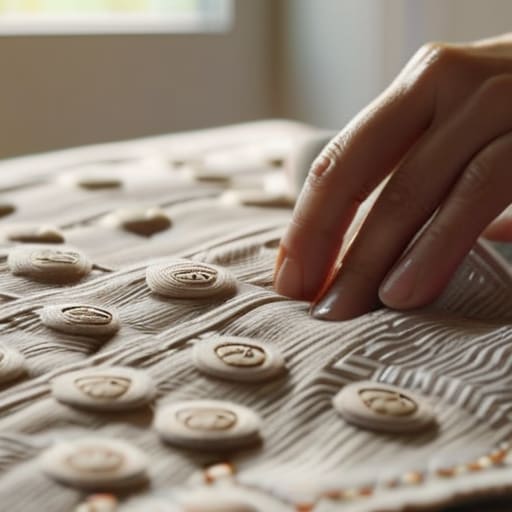
Before you even touch a dial, you need to look at the tag. I know, it’s a chore, but that tiny little laundry care symbols guide is the only thing standing between your favorite linen trousers and a pair of accidental capris. Most people treat the dryer like a magic box that makes everything “ready,” but heat is a violent thing. It pulls moisture out so fast that it can snap fibers or cause permanent warping. If you’re looking at preventing fabric shrinkage, the first rule is recognizing that natural fibers like cotton, wool, and linen are essentially living things—they react to heat by pulling inward.
The real debate is usually air drying vs tumble drying, and honestly, the answer depends on the math of your wardrobe. If you have a high-quality knit that cost you a week’s worth of groceries, do not—I repeat, do not—toss it in a machine. Tumble drying is great for towels, but for anything with structure, it’s a recipe for disaster. If you must use a machine, stick to low heat drying settings, but even then, you’re essentially gambling with the lifespan of the garment.
Key Things to Know
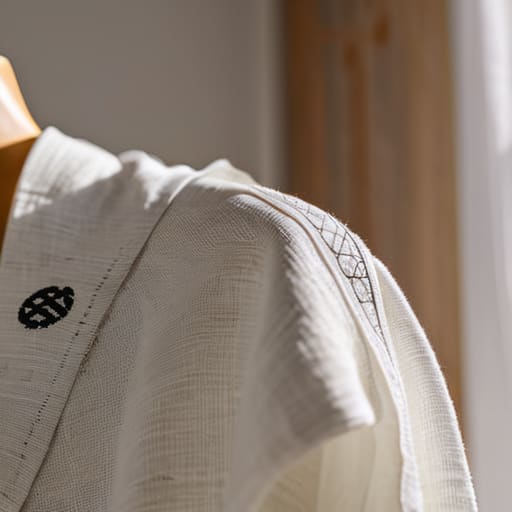
First things first: stop treating the little icons on your care labels like optional suggestions. I know, they look like a cryptic language designed to annoy you, but that laundry care symbols guide is actually your best defense against a wardrobe meltdown. If you see that little circle with an ‘X’ through it, do not—I repeat, do not—toss that item in the machine. It’s not a challenge; it’s a warning that the garment is about to become a doll-sized version of itself.
When you’re deciding between air drying vs tumble drying, remember that heat is the enemy of longevity. High heat doesn’t just cause pilling; it destroys the elasticity in your favorite jeans and knits, meaning you’ll be paying me to fix a waistband that’s lost its structural integrity. If you must use a machine, stick to low heat drying settings and pull your clothes out while they are still slightly damp. It sounds counterintuitive, but protecting garment shape starts with minimizing the time your clothes spend being tossed around in a hot, metal drum.
Practical Tips and Steps
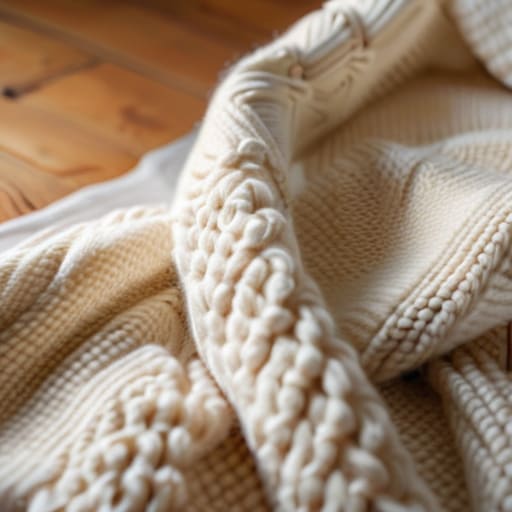
First, stop treating the dryer like a magic box that solves everything. If you’ve ever pulled a favorite knit out only to realize it’s now a crop top for a doll, you know the stakes. When it comes to preventing fabric shrinkage, your best friend is the flat lay. For anything with stretch or a structured shape—think heavy sweaters or anything with a bit of Lycra—lay it flat on a towel. If you hang a wet, heavy sweater on a hanger, gravity will win, and you’ll end up with “hanger bumps” in the shoulders that no amount of steaming can ever truly fix.
If you absolutely must use a machine, stop guessing. Most people ignore the laundry care symbols guide tucked into the side seam, but those little icons are literally the blueprint for not ruining your life. If a tag says “dry flat” or “do not tumble dry,” believe it. For the stuff that can go in the machine, always opt for low heat drying settings. It takes an extra twenty minutes, but it’s a lot cheaper than replacing a high-quality wool coat because you tried to rush the process.
Common Mistakes to Avoid
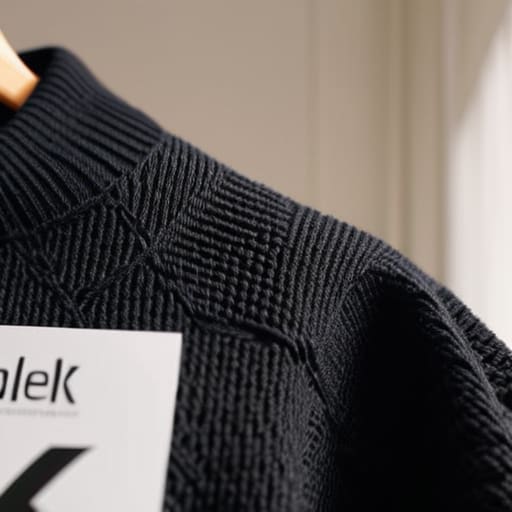
The biggest sin in my studio isn’t a bad seam; it’s seeing a client walk in with a sweater that has been shrunk two sizes because they treated a machine like a magic wand. Most people ignore the laundry care symbols guide because they think it’s just fine print for professionals, but those little triangles and squares are the only thing standing between you and a garment that no longer fits. If you’re constantly guessing, you’re essentially gambling with your wardrobe.
Another massive mistake is the “set it and forget it” mentality with your dryer. Even if you use low heat drying settings, the mechanical action of a tumble dryer is a slow death for natural fibers. It creates friction that breaks down threads and causes preventing lint buildup to become a lost cause because the lint you’re seeing is actually your expensive knitwear disintegrating. If you want to actually protect garment shape, you have to stop treating every piece like it’s a pair of gym socks. Stop the cycle of buying new clothes just because you accidentally turned your favorite linen shirt into a doll’s outfit.
Final Thoughts
Look, I’m not asking you to turn your entire life into a high-stakes laboratory experiment. I just want you to stop treating your wardrobe like it’s disposable. Every time you ignore the care label or blast a knit through a high-heat cycle, you aren’t just “saving time”—you’re actively paying a tax on your future self. You’re essentially deciding that a new sweater is more important than the one you already own.
At the end of the day, the real secret to a wardrobe that actually lasts is knowing when to walk away from the machine. Choosing air drying vs tumble drying isn’t a chore; it’s a strategy. If you spend five minutes actually reading that little laundry care symbols guide on the neck tag, you’ll spend significantly less time at the tailor trying to fix a garment that has lost its structural integrity.
Focus on protecting garment shape while it’s wet, and you’ll find that the clothes you love today are still the ones you’re wearing three years from now. Stop chasing the “convenience” of the dryer and start investing in the longevity of your clothes. It’s just better maths.
Five ways to stop your laundry from becoming a pile of expensive rags
- Read the damn tag before you do anything else. I know, it’s a chore, but that little symbol tells you if a garment is going to shrink three sizes or lose its shape entirely. If it says “Dry Flat,” it means the weight of the water will stretch a knit sweater into a crop top if you hang it on a hanger. Don’t ignore it just because you’re in a rush.
- Stop treating the dryer like a magic box for everything. High heat is the enemy of elasticity; it kills the spandex in your jeans and the elastane in your leggings, turning them from “snug” to “baggy and sad” in about six washes. If you want your clothes to actually hold their shape, use the low heat setting or, better yet, air dry the stuff that needs to stay tight.
- Invest in a proper drying rack instead of draping everything over the back of a chair. When you drape clothes over furniture, you create weird tension points and permanent creases that are a nightmare to steam out. A flat rack lets the air circulate through the fibers without pulling the seams out of alignment.
- Never, ever tumble dry your knits. If you take a high-quality wool or cotton knit out of a hot dryer, you aren’t just drying it—you’re felting it. You’re essentially turning a beautiful sweater into a piece of cardboard. Lay them flat on a towel, reshape them with your hands while they’re damp, and let them do the work naturally.
- Watch out for the “lint trap” lie. Seeing a pile of lint in the trap doesn’t mean the dryer is working perfectly; it means your clothes are literally shedding their structural integrity. If you see massive amounts of fuzz, your heat is likely too high or your machine is too aggressive, and you’re basically paying to watch your wardrobe disintegrate one fiber at a time.
The Real Cost of a Hot Cycle
“The industry sells you the lie that you can just replace a shrunk sweater every season, but a $60 wool blend isn’t a ‘seasonal staple’ if it turns into a doll’s shirt after one tumble in the dryer. Stop treating your laundry like a guessing game; if you actually care about how your clothes sit on your body, learn the difference between air-drying and heat-destroying, because a tailor can fix a loose seam, but they can’t fix a garment that’s been cooked into oblivion.”
Neve Okonkwo-Barr
The Bottom Line
At the end of the day, drying your clothes isn’t about following a complicated manual; it’s about respecting the construction of the garment. If you take five seconds to check that care label and remember that heat is the enemy of elasticity, you’ve already won half the battle. Stop treating your wardrobe like it’s indestructible. Whether you’re air-drying that delicate knit to prevent it from stretching into a shapeless mess or choosing a low-heat cycle for your cotton tees, these small choices are what keep your clothes looking intentional rather than accidental. The goal isn’t just to get them dry; it’s to keep the fit exactly where it belongs.
We spend so much time agonizing over what to buy next, but we forget that the most sustainable thing you can do is actually keep what you already own. Every time you ruin a seam or shrink a sweater in a high-heat tumble, you’re essentially throwing money into the bin and creating more work for the planet. Style isn’t about having a constant stream of newness; it’s about having a reliable rotation of pieces that actually fit you every single Wednesday. Treat your clothes with a little bit of common sense, and they’ll reward you by staying in your wardrobe instead of ending up in a landfill.
Frequently Asked Questions
If I find a vintage wool blazer at a charity shop, is it even worth trying to dry it properly, or is the structure already too far gone?
Check the shoulder seams and the lining first. If the structure is collapsing or the fabric feels “crunchy” rather than just dusty, walk away—that’s structural decay, not a cleaning issue. But if it’s just a bit limp or smells like a basement, it’s absolutely worth it. A professional steam or a careful spot clean can revive the fibers. Don’t let a bit of mothball scent trick you into thinking it’s trash.
Is it actually cheaper in the long run to buy a decent drying rack than it is to keep paying a tailor to fix shrunk hems?
It’s not even a contest. A decent drying rack is a one-time cost of maybe thirty quid, whereas a tailor charging you twenty to lift a shrunk hem is basically a tax on your laziness. If you shrink a high-quality wool trouser, no amount of “fixing” will restore the original fiber structure—you’re just paying to mask a disaster. Buy the rack. Save your money for actual clothes, not repairs for mistakes you could have avoided.
Can I actually trust those "tumble dry" labels on cheap fast-fashion pieces, or are they lying to me about how the fabric will hold up?
Look, those labels are often a legal shield rather than a promise of quality. When a brand uses a cheap, high-synthetic blend, they know it’ll survive a tumble dryer, but they also know the heat will eventually kill the elasticity or pill the surface. They aren’t “lying,” they’re just being vague. If the fabric feels thin or plastic-y in the shop, don’t trust the icon. Air dry it, or you’re paying for a replacement by next month.
