Most “experts” will tell you that if you want to clear out your wardrobe, you need a professional ring light, a lifestyle photoshoot, and a deep understanding of “algorithm optimization.” Honestly? That’s just more expensive noise designed to make you feel like you can’t participate in the circular economy unless you have a studio setup. I spent two years in a basement studio pinning hems for people who were terrified of looking “cheap,” and if there is one thing I learned, it’s that buyers don’t care about your aesthetic lighting—they care about the integrity of the garment. If you’re looking for a complete guide to selling clothes that actually works without turning your living room into a production set, you’ve come to the right place.
I’m not going to give you a checklist of trending hashtags that will be dead by next Tuesday. Instead, I’m going to show you how to spot a high-value piece worth the listing effort, how to describe a fabric so a buyer knows it won’t pill after one wash, and exactly how to communicate a flaw so you don’t end up in a dispute. We are going to focus on the actual maths of resale: what sells, why it sells, and how to move your items without losing your mind.
Understanding Complete Guide to Selling Clothes
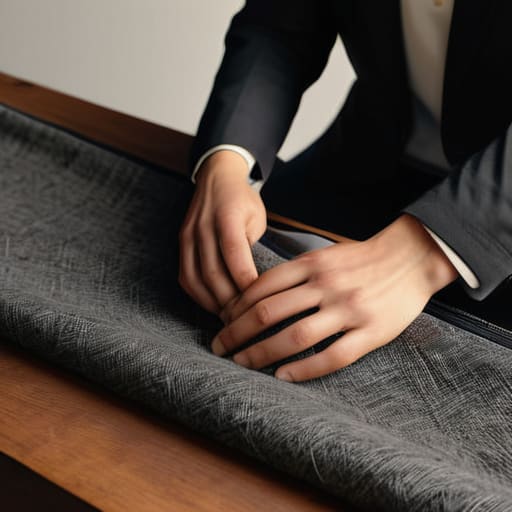
Before you even think about downloading an app, you need to do a brutal audit of what’s actually worth your time. Most people approach decluttering their wardrobe for resale by grabbing everything that doesn’t fit, but that is a fast track to a pile of unsellable polyester. I want you to look at the seams and the fabric weight. If it’s a high-quality wool blend or a heavy cotton that holds its shape, it’s a candidate. If it’s that thin, “fast fashion” jersey that pilled after three washes, don’t bother listing it; you’ll spend more on postage than you’ll ever see in profit.
Once you’ve separated the gems from the junk, you have to decide where they live. There isn’t one magic platform, but different best apps for selling clothes cater to different vibes—some are for the high-end vintage hunters, and others are for the quick-turnover basics. My rule of thumb? Only list items where the resale value actually justifies the effort of photographing, measuring, and packing. If you’re going to do this, do it with intention, or you’re just creating a second job for yourself that pays in pennies.
Key Things to Know
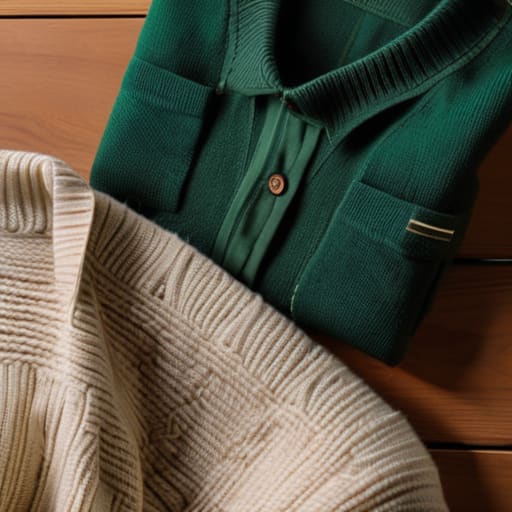
Before you even think about listing a single item, you need to stop treating your closet like a landfill and start treating it like an inventory. If you’re serious about reselling clothing for profit, you have to be honest about what’s actually worth the effort. I’ve seen people spend three hours photographing a polyester blend top that has zero resale value and a seam that’s already starting to fray. Don’t waste your breath. Focus on natural fibers—wool, silk, heavy cotton—and items where the construction actually holds up. If a garment looks like it’s going to lose its shape after one more wash, it’s not a sale; it’s a headache you’re passing on to someone else.
Next, let’s talk about the logistics that people always ignore until they’re drowning in bubble wrap. You’ll eventually need to figure out the best apps for selling clothes based on what you actually own, but no app can fix a bad description. Be brutal about flaws. If there’s a tiny pill on the sleeve or a slight stretch in the waistband, say it. It’s much better to lose a sale upfront than to deal with a return because you tried to hide a defect.
Practical Tips and Steps
First, stop thinking about this as “cleaning out your closet” and start thinking about it as a tiny, disorganized business. If you want to succeed at reselling clothing for profit, you have to be honest about the condition of every single item. I don’t care if you loved that silk blouse; if there is a tiny pull in the seam or a faint deodorant stain, you have to say it. People don’t mind a flaw, but they hate being lied to. Before you even think about listing, do a proper sweep of your fabric quality. If it’s pilling or the elastic is shot, it’s not an item for sale—it’s a rag for cleaning my sewing machine.
When you’re ready to list, don’t obsess over professional gear. Most of the best apps for selling clothes just need clear, honest photos. My best clothing photography tips are simple: use natural light (near a window, never under a yellow ceiling bulb) and show the garment on a hanger or a flat surface so people can see the actual shape. Don’t just list “Size M”; tell them if it runs small or if the shoulder seams sit weirdly. That’s the kind of detail that stops a buyer from hitting the return button.
Common Mistakes to Avoid
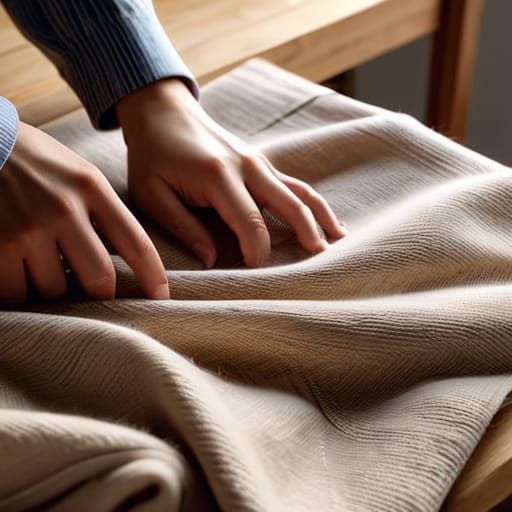
The biggest mistake I see is people treating their wardrobe like a landfill instead of an inventory. If you are decluttering your wardrobe for resale, don’t just grab everything that “doesn’t fit” anymore. A shirt that is three sizes too small and has stretched-out necklines isn’t an asset; it’s a headache that will only result in a return request and a frustrated buyer. Be ruthless about fabric quality. If the polyester is pilling or the seams are pulling, don’t bother listing it. You aren’t doing yourself any favors by trying to pass off junk as a “find.”
Another massive pitfall is getting lazy with your presentation. You don’t need a professional studio, but you do need decent clothing photography tips to follow: natural light and a clean background are non-negotiable. If the photo is blurry or shows a garment crumpled in a heap, people will assume the item is damaged. Also, stop being vague about measurements. Don’t just say “Medium”—tell them the pit-to-pit width. If you don’t provide the actual math, you’re just inviting a dozen “does this run small?” messages that will eat up your entire afternoon.
Final Thoughts
Look, at the end of the day, selling your clothes isn’t about becoming a full-time entrepreneur or mastering some complex algorithm. It’s just about getting the stuff you don’t wear out of your life and into the hands of someone who will actually value it. If you focus too much on the “hustle” and not enough on the reality of what you’re actually holding, you’ll burn out before you’ve even made back the cost of that blazer you bought on a whim last spring.
Don’t get caught up in the trap of thinking you need every single gadget to succeed. While some people swear by specific best apps for selling clothes, the real secret is just being honest about the condition. If a seam is pulling or the fabric has gone a bit thin, say so. Honesty saves you from returns and bad reviews.
Once you’ve mastered the basics of decluttering your wardrobe for resale, you’ll realize that a streamlined closet is worth more than a pile of unlisted cash sitting in a bin bag. Stop overthinking the “perfect” setup and just start. Your future, less-cluttered self will thank you.
Five ways to stop wasting your time and actually move your wardrobe
- Stop lying about the condition. If there’s a tiny pill on the underarm or a loose thread on a hem, say it. I’ve spent way too many hours fixing “like new” items that were actually just “slightly tired,” and buyers will sniff out a lie faster than a vintage dealer at a car boot sale. Honesty builds a reputation that gets you repeat sales.
- Test the fabric before you photograph it. Don’t just say it’s “high quality”—that’s marketing fluff that means nothing. Tell them if it’s a heavy-weight cotton that won’t lose its shape by Tuesday, or a synthetic blend that feels like wearing a plastic bag. People want to know how the garment behaves in real life, not just how it looks under a ring light.
- Measure the actual garment, not the tag. Sizing is a lie told by brands to make us feel small, and “Size 10” means something completely different in a 90s silk slip than it does in a modern fast-fashion bodysuit. Give them the pit-to-pit and the waist measurement. It saves you from the “it doesn’t fit” refund headache and the awkward back-and-forth messages.
- Check the seams and the hardware. Before you snap that photo, check if the zipper actually glides or if it’s going to snag halfway up. Check if the buttons are loose. If a piece needs a £10 hem or a new button, tell the buyer. It’s better to price it lower because it needs a quick fix than to have a buyer demand a refund because the “investment piece” arrived broken.
- Photograph the texture, not just the silhouette. A flat photo of a sweater tells me nothing. I want to see the weave. I want to see if it’s a chunky knit that holds its structure or a flimsy jersey that’s going to sag. If the fabric looks expensive, show the close-up. If it looks cheap, don’t try to hide it with a filter; just be honest about what it is.
The Truth About Resale
Stop trying to sell a lifestyle and start selling the reality of the garment. A buyer doesn’t care about your ‘curated aesthetic’; they care if that silk blouse is going to pill after one wash or if the side seams are going to twist by next Tuesday. If you want to actually move clothes, tell them the truth about the fabric, the weight, and the fit—because a well-described thrift is worth ten times more than a beautifully photographed lie.
Neve Okonkwo-Barr
The Bottom Line
Look, selling your clothes shouldn’t feel like a second job, but if you want to actually see any money, you can’t treat it like you’re clearing out a junk drawer. It comes down to being honest about the actual condition of the garment—if there’s a loose thread on a sleeve or a slight pill on the wool, say so. Don’t hide the flaws; it just kills your reputation and leads to returns that cost more in postage than the shirt was worth. Focus on the details that matter: the fabric composition, the way the seams hold up, and whether the sizing runs small. If you do the work upfront to describe the real-world wearability, you aren’t just selling a piece of fabric; you’re selling trust.
At the end of the day, clearing out your wardrobe is about more than just making a few extra quid for a Friday night out. It’s about auditing your life and deciding what actually serves you and what is just taking up mental space. When you sell items that are well-made and well-cared for, you are keeping quality in the loop and keeping landfill empty. Stop holding onto things “just in case” they fit a version of you that doesn’t exist anymore. Let them go, find someone who will actually wear them on a Wednesday, and make room for a wardrobe that actually works for the person you are right now.
Frequently Asked Questions
How do I know if a piece is actually worth the effort of listing, or if the fabric is too far gone to fetch a decent price?
Don’t waste your time on “ghost” fabrics—those thin, polyester blends that lose their shape after one wash. If you hold the garment up and the seams look wavy or the fabric feels limp, it’s junk. Check the high-friction areas: underarms and inner thighs. If there’s pilling or thinning there, it’s a write-off. Only list things with structural integrity. If it can’t survive a second life, it’s not worth the listing fee.
Should I spend money on professional alterations to make a garment fit better before selling it, or will that just eat my entire profit?
Don’t do it. Unless you’re selling a vintage silk slip that just needs a loose thread snipped, professional alterations are a profit killer. Most buyers want to see the garment’s original intent, not your tailor’s handiwork. Instead of spending £20 to fix a waistline, just take better photos. Show the measurements clearly—pit to pit, waist, length. If it fits like a sack, tell them it’s an “oversized fit.” Sell the reality, not a renovation.
How much should I realistically budget for shipping and platform fees so I don't end up paying for the privilege of getting rid of my old clothes?
Listen, if you aren’t calculating the math, you aren’t selling—you’re just donating with extra steps. Most platforms take a 10-20% cut, so factor that in immediately. For shipping, don’t guess. Weigh your items on a kitchen scale first. A heavy denim jacket costs way more to move than a silk cami. If your profit margin is thinner than a cheap polyester blend after fees and postage, just drop it at the charity shop and save your sanity.
