I spent two years in a basement studio pinning hems for a bridal shop, and if there is one thing those silk slips taught me, it’s that most people are being lied to. You can buy every “designer” piece in the window, but if you don’t understand the architecture underneath, you’re just wearing expensive fabric that fights your body. People search for a complete guide to pattern thinking it’s some mystical, gatekept secret of the elite, but it’s actually just the blueprint for whether a garment sits on your shoulders or slides off them. Most “guides” out there are just marketing fluff designed to make you feel like you need to buy a whole new wardrobe to fix a simple structural error.
I’m not here to sell you a lifestyle or a new sewing machine you don’t need. Instead, I’m giving you the actual mechanics of how a pattern dictates your silhouette, how to spot a poorly drafted seam before you even touch the fabric, and when a pattern is actually worth your time. We’re going to look at the math of it all—the seam allowances, the grainlines, and the reality of how these shapes translate to a human body. This is your no-nonsense roadmap to understanding how clothes are built, so you can stop shopping for trends and start owning your fit.
Beyond the Print a Complete Guide to Pattern and Fit
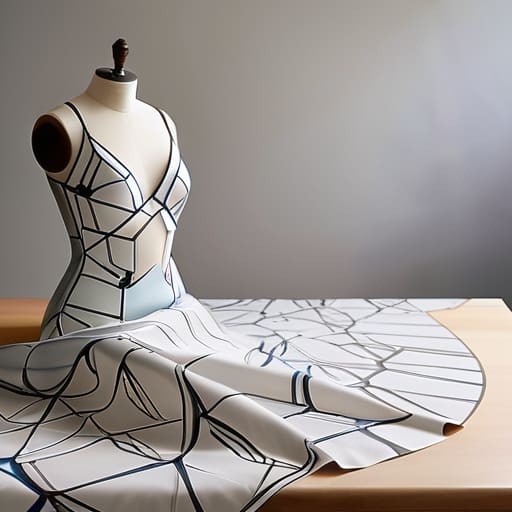
When people talk about patterns, they usually mean the pretty print on the surface—the florals or the stripes. But if you’re looking at a garment through a stylist’s lens, you have to look at the construction. A pattern isn’t just a decoration; it’s the blueprint for how fabric sits against your skin. I see so many people buy a beautiful print only to realize the compositional balance in patterns is totally off, making the garment look lopsided once it’s actually on a human body. If the print doesn’t follow the curves of the torso or the line of the leg, you’re fighting a losing battle against the fabric.
You also need to understand how scaling motifs effectively changes the way a piece reads. A massive, oversized geometric print can swallow a small frame, while a tiny, repetitive print might look like noise on someone with a larger silhouette. It’s about how the print interacts with your proportions. Don’t get distracted by a “statement print” if the actual cut of the pattern is pulling at the seams or gaping at the armholes. A print can hide a mediocre fit for five minutes in a shop mirror, but it won’t save a bad construction once you’ve walked out the door.
The Maths of Visual Rhythm in Design
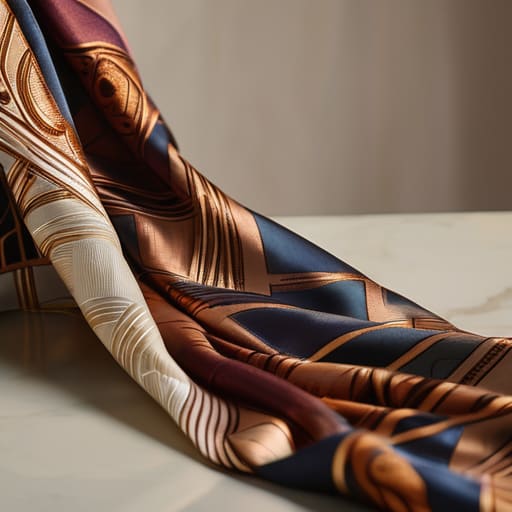
When people talk about patterns, they usually focus on whether the print is “cute” or “clashing.” But if you want to understand why a certain dress looks expensive while another looks like a cheap carnival tent, you have to look at the visual rhythm in design. It’s not just about the shapes; it’s about how your eye moves across the fabric. A pattern that repeats too predictably can feel static and lifeless, whereas a well-executed design uses repetition and variation techniques to keep the eye traveling. It’s the difference between a wallpaper that bores you to tears and a silk scarf that you can stare at for ten minutes.
In my studio, I see the fallout of bad math every day. If a brand fails at scaling motifs effectively, the print ends up looking swallowed by the seams or, worse, sliced awkwardly in half at the hip. That’s not a body problem; it’s a layout problem. A good pattern respects the architecture of the garment, ensuring the movement of the print follows the lines of the body rather than fighting against them. When the scale is right, the pattern works with the fit, making the whole piece look intentional rather than accidental.
Geometric Pattern Principles That Actually Last
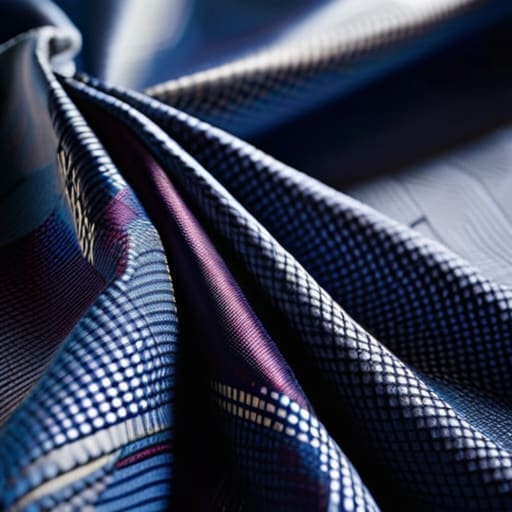
When you’re looking at a garment with a geometric print, don’t just ask if you like the colors; look at how the shapes interact with the seams. Most people get tripped up by a print that looks great on a flat hanger but turns into a chaotic mess once it hits a human curve. This is where compositional balance in patterns actually matters. If a large, heavy diamond print is slapped onto a delicate silk blouse without any regard for the grainline, the fabric will pull in all the wrong places, making the garment look cheap and poorly constructed.
You also need to watch out for how a brand handles scaling motifs effectively. A tiny, repetitive print can sometimes hide a mediocre cut, but a massive, oversized geometric design requires precision. If the print breaks awkwardly at the side seams or the center front, it’s a sign the manufacturer cut corners to save fabric. I’ve seen plenty of “designer” pieces where the pattern alignment is a disaster; it’s a visual stutter that tells your brain something is off, even if you can’t quite name it.
Mastering Compositional Balance in Patterns Without Overpaying
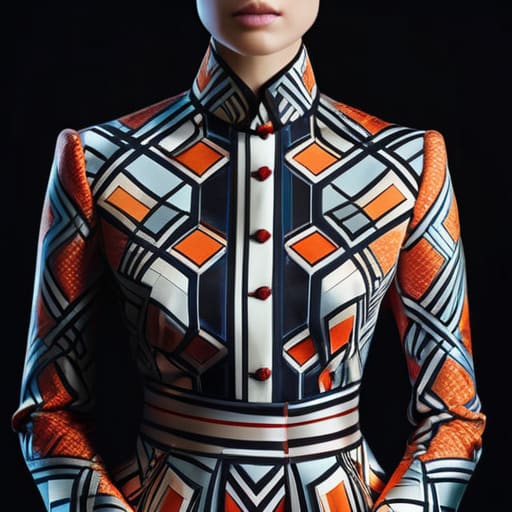
Look, the fashion industry loves to sell you “statement prints” that end up looking like a chaotic fever dream because they ignored the basic math of the human body. When you’re looking at a garment, you aren’t just looking at a pretty shape; you are looking at compositional balance in patterns. If a print is too dense or the scale is completely wrong for your frame, it doesn’t matter how much you paid for the silk—you’re going to look like you’re being swallowed by the fabric.
The secret isn’t finding the loudest print; it’s about how the designer handled scaling motifs effectively across the seams. A high-quality garment uses repetition and variation techniques to ensure the pattern doesn’t just “break” awkwardly at the hip or the shoulder. If the print cuts off mid-circle at a seam, it’s a sign of cheap manufacturing. I always tell my clients: if the pattern doesn’t flow with your movement, it’s not a masterpiece, it’s just a mess. Don’t pay a premium for a print that fights your silhouette.
Scaling Motifs Effectively for a Wardrobe That Works
Here is the hard truth about scale: a print that looks “cool” on a mannequin in a bright studio often looks like a chaotic mess once it’s actually draped over a human body. When you are scaling motifs effectively, you have to stop looking at the pattern as a flat image and start seeing it as a moving landscape. If the motif is too large, it will swallow your frame; if it’s too small, it can end up looking like a muddy, indistinct texture from more than two feet away. I’ve seen so many people buy a gorgeous midi skirt only to realize the print is so massive that the “focal point” is stuck right on their hip, which is just a recipe for feeling self-conscious all day.
The secret to making a pattern actually work for a Tuesday morning commute is understanding how repetition and variation techniques interact with your body’s natural lines. You want a scale that respects your proportions rather than fighting them. A micro-print might feel safe, but a medium-scale geometric print can actually create a sense of structure if the placement is smart. Don’t let the marketing tell you a print is “bold” just because it’s loud; true boldness comes from a scale that feels intentional and balanced against the actual cut of the garment.
Five Ways to Stop Letting Patterns Wear You
- Check the seam alignment before you hit the till. If a floral print or a stripe breaks mid-seam or looks like it’s fighting a war at the side of your hip, walk away. It’s not just “character”; it’s a sign of cheap construction that will make the garment look wonky the second you actually move in it.
- Mind the scale to your frame, but don’t let the “rules” scare you. A massive, oversized geometric print can drown a small frame, but if you love it, just ensure the fabric has enough weight to hold its shape. If the fabric is flimsy and the pattern is huge, you’ll look like you’re wearing a tent, not a statement.
- Test the pattern against the “Wednesday Reality.” A high-contrast, busy pattern might look great in a curated Instagram feed, but if it makes you feel self-conscious during a Tuesday morning coffee run or a mid-week meeting, it’s not a piece—it’s a costume. Stick to patterns that feel like part of your skin.
- Look at the fabric composition, not just the print. A beautiful paisley on 100% polyester is going to look plastic and cheap after three washes, whereas a simple stripe on a heavy linen or a decent cotton drill will age beautifully. The pattern gets your attention, but the fiber determines if you’ll still be wearing it next year.
- Understand that patterns can hide—or highlight—alterations. If you have a garment that needs a waist nip or a hem adjustment, a busy, non-directional print is your best friend for hiding a slightly uneven stitch. Conversely, if you’re buying something with a strict vertical stripe, make sure it fits perfectly now, because any deviation in the line will scream that the fit is off.
## The Pattern Trap
Stop letting a pretty print trick you into buying a bad silhouette; a pattern is just math and movement, and if the scale of that print fights your actual shape, no amount of ‘styling’ is going to save you from a garment that looks like it’s wearing you.
Neve Okonkwo-Barr
Stop Chasing Trends and Start Reading the Fabric
At the end of the day, understanding patterns isn’t about memorizing design school terminology or chasing the latest print that’s currently flooding your social media feed. It’s about realizing that a pattern is just a roadmap for how fabric interacts with your actual, living body. We’ve covered how scale affects your silhouette, how geometric rhythm creates visual balance, and why the math behind the motif matters more than the brand name on the tag. If you can look at a garment and see how the lines move—and more importantly, how much it will cost to adjust those lines to fit your shoulders or waist—you’ve already won. Don’t let a beautiful print distract you from a badly constructed seam or a scale that makes you feel like you’re wearing a costume rather than a piece of clothing.
My final piece of advice is this: stop treating your wardrobe like a collection of disposable moments and start seeing it as a series of functional decisions. A pattern only truly works when it survives a Tuesday morning commute and a Thursday night dinner without falling apart or feeling awkward. You don’t need a massive budget to have a cohesive look; you just need the eye to spot quality and the sense to know when a quick trip to the tailor can turn a “maybe” into a lifelong staple. Style isn’t something you buy; it’s something you curate by understanding the mechanics of what you’re actually putting on your skin.
Frequently Asked Questions
If a pattern is beautiful but the fabric is a cheap polyester blend, is it even worth trying to alter it to fit me better?
Honestly? Probably not. If it’s a cheap polyester blend, it’s going to trap heat, pill after three washes, and hold a crease like a piece of cardboard. You can spend £20 at the tailor to make it fit your waist perfectly, but if the fabric feels like a plastic bag against your skin, you’ll never wear it. Don’t waste good alteration money on a garment that’s destined for the bin by next season.
How much should I actually expect to pay a tailor to adjust a garment if the pattern scale is totally wrong for my frame?
If the pattern scale is wrong—say, a massive floral print is drowning your frame—you aren’t just paying for a seam; you’re paying for the math. To resize a garment without cutting off a crucial part of the motif, a tailor has to work around the print. Expect to pay 1.5x to 2x a standard hem price. It’s not a quick fix; it’s precision surgery to ensure the pattern still looks intentional, not accidental.
Can a pattern that looks great on a mannequin actually be fixed if the geometric proportions don't line up with my body shape?
The short answer is: yes, but only if the pattern isn’t fighting the construction. If the geometric print is misaligned because of your curves, a tailor can sometimes nudge a seam, but they can’t move a printed stripe without unpicking the whole garment. If the proportions feel “off” because the scale is wrong for your frame, you’re stuck. Don’t pay for a “fix” that’s actually just a battle against physics. If the math doesn’t work, walk away.
