I spent my first two years in a basement studio pinning hems for a bridal shop, and if there is one thing I learned, it’s that a high price tag is the most unreliable indicator of quality. Most “luxury” leather jackets I see in boutiques are actually just thin, corrected-grain hides coated in plastic to hide the flaws—meaning they’ll crack and peel before you’ve even finished your first winter. They want you to believe that “premium” is a feeling, but I’m here to tell you it’s actually a science of grain, tanning, and seam allowance. This isn’t some glossy magazine fluff; this is my complete guide to leather for people who actually want their clothes to last.
I’m not going to waste your time with vague terms like “timeless” or “essential.” Instead, I’m going to show you how to spot a full-grain hide from across the room, why certain finishes are a total waste of your money, and exactly how much it should cost to have a tailor adjust the shoulders so it doesn’t look like you’re wearing a cardboard box. We’re going to look at the actual maths of durability so you can stop paying the “style tax” and start building a wardrobe that survives a decade of Tuesdays.
Understanding Complete Guide to Leather
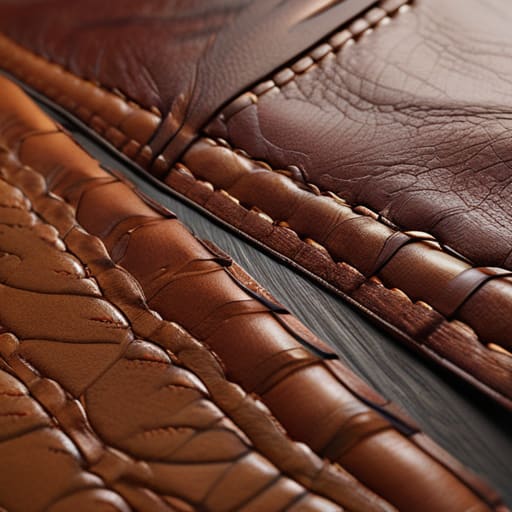
Before you even look at the price tag, you need to understand what you’re actually touching. Most brands use “genuine leather” as a marketing shield, but in my studio, that’s often code for the leftover scraps of the hide that have been sanded down and heavily coated in plastic to hide the flaws. If you want something that actually survives a decade of commuting, you need to know the difference between full grain vs top grain leather. Full grain is the real deal—it keeps the natural grain intact, which means it breathes and, more importantly, it develops a leather patina development that makes the piece look better the more you beat it up.
The way a hide is treated matters just as much as the animal it came from. Different leather tanning processes explained in a glossy brochure usually mean nothing to your wallet, but they mean everything to the longevity of a seam. A vegetable-tanned piece will age like a fine wine, whereas chrome-tanned stuff is processed for speed and softness, often losing its shape after three months of heavy wear. Don’t let them sell you “luxury” if the structural integrity is compromised by cheap finishing.
Key Things to Know
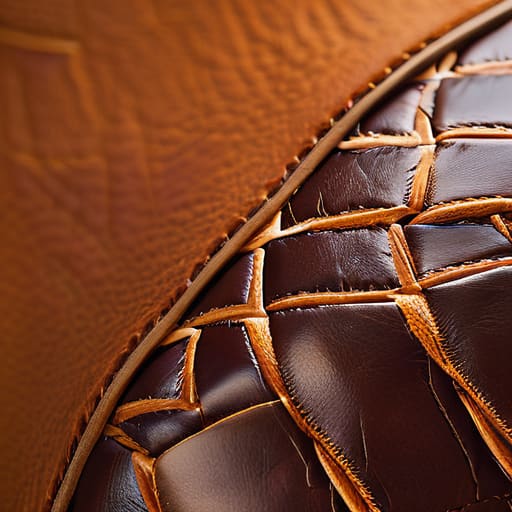
First, let’s stop pretending every label that says “genuine leather” is actually worth your money. In the industry, “genuine” is often a polite way of saying “the leftovers.” If you want something that won’t peel like a cheap sticker after six months, you need to understand full grain vs top grain leather. Full grain is the real deal—it uses the entire hide, keeping the natural strength intact. Top grain is sanded down to remove imperfections, which makes it smoother but sacrifices that structural integrity. If you’re buying a jacket, look for the weight; if it feels like a thin sheet of plastic, walk away.
Second, you need to understand that leather is a living material, not a static piece of plastic. This is where leather patina development becomes your best friend. A high-quality hide will actually change over time, absorbing the oils from your skin and the sunlight from your commute to create a unique character. It’s not “wear and tear”; it’s the garment settling into your life. Just remember: a beautiful patina requires basic leather durability and maintenance, like a light conditioning once a year, otherwise your “forever piece” will eventually crack under the pressure of actually being worn.
Practical Tips and Steps
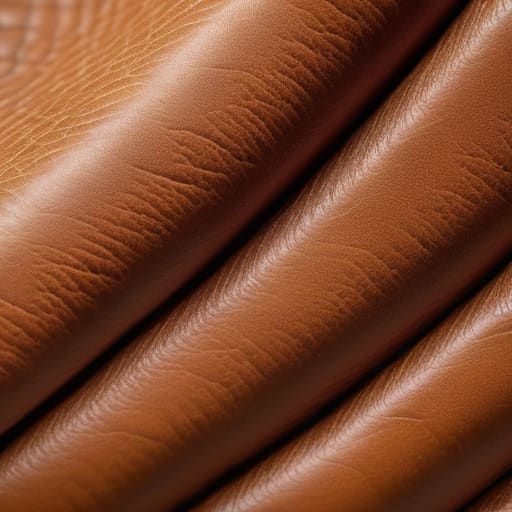
First, stop looking at the price tag and start looking at the grain. If you’re staring at a “genuine leather” label on a jacket, walk away; that’s basically the industry’s way of saying they took the scraps, sanded them down, and painted them to look pretty. You want to hunt for full grain vs top grain leather because that’s where the actual strength lives. Full grain hasn’t been stripped of its natural character, which means it’s the only version that will actually give you a beautiful leather patina development over time rather than just peeling like a cheap sunburn after six months of wear.
Second, treat your leather like a living thing, not a plastic accessory. You don’t need a ten-step chemical ritual, but you do need to know how to clean genuine leather without stripping the oils that keep it supple. A damp cloth and a dedicated conditioner once a season is usually plenty. Also, check the seams before you tap your card. If the stitching looks tight and consistent, it can handle a tailor’s touch if the fit is off; if the stitching is loose or uneven, no amount of “investment” logic will save that garment from falling apart by next winter.
Common Mistakes to Avoid
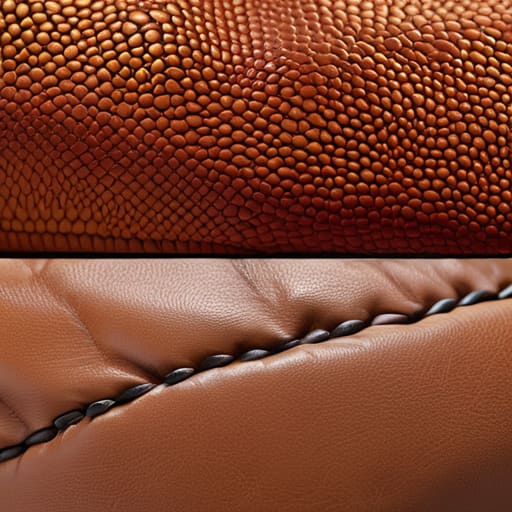
The biggest mistake I see is people falling for the “Genuine Leather” trap. In the industry, “genuine” is often just a marketing term used to mask low-grade, heavily processed scraps. If you aren’t looking at the difference between full grain vs top grain leather, you’re likely paying a premium for something that will peel and crack within eighteen months. Real leather should breathe and move; if it feels like a stiff sheet of plastic, walk away. It’s not an investment if it ends up in a landfill by next season.
Another massive blunder is treating leather like a “set it and forget it” fabric. People ignore leather durability and maintenance until they see a permanent water stain or a hairline crack. I see it all the time in the studio: someone brings in a beautiful jacket that’s been dried near a radiator or scrubbed with harsh chemicals. You don’t need a chemistry degree to know how to clean genuine leather—usually, a damp cloth and a bit of specialized conditioner are all you need. Don’t let a lack of basic care ruin a piece that was actually built to last.
Final Thoughts
Look, at the end of the day, I don’t care if a brand uses the word “luxury” fifty times in their product description. If they aren’t being transparent about the leather tanning processes explained on their site, or if they can’t tell you if they’re using full grain or just a heavily corrected top grain, walk away. You aren’t buying a piece of art; you’re buying a piece of material that has to survive your actual life—commutes, spilled coffee, and sitting in office chairs.
Stop looking for perfection and start looking for character. The real goal isn’t to find a jacket that stays looking brand new in a plastic bag; it’s to find one that actually benefits from leather patina development over the next five years. A piece that ages with you is worth ten pieces that peel after one season. If you focus on the weight of the hide and the strength of the stitching, you won’t just be buying clothes—you’ll be building a wardrobe that actually works on a Wednesday.
The Real-World Math: 5 Ways to Not Get Robbed by Leather
- Stop chasing “Genuine Leather” labels like they’re a gold standard; in the industry, that’s actually code for the lowest grade of scraps glued together, and it’ll peel faster than a cheap sunburn. Look for “Full Grain” if you want a jacket that actually develops a patina instead of just cracking in the rain.
- Check the weight before you check the price tag. A heavy, substantial hide might feel daunting in the changing room, but it has the structural integrity to hold a seam; thin, flimsy leather is a nightmare for a tailor because it lacks the “give” needed for a clean hem or a tapered waist.
- Do the “Scratch Test” in the shop. If you can lightly scratch the surface with a fingernail and it reveals a plastic-looking, uniform color underneath, you’re looking at a heavily coated corrected grain that won’t breathe or age—it’ll just sit there looking dead.
- Factor in the “Alteration Tax.” If you find a vintage leather piece that fits perfectly in the shoulders but is three inches too long in the sleeves, ask yourself if a specialist leather tailor can do it for under £40; if the repair cost pushes the total over the price of a new, better-fitting piece, walk away.
- Smell the truth, not the marketing. A high-quality leather piece should smell like earth and tannins, not a chemical factory or a heavy layer of perfume meant to mask the scent of synthetic fillers and cheap dyes.
The Myth of the 'Investment' Piece
Stop letting brands slap an ‘investment’ label on a $600 jacket just because the leather is thin and the stitching is shallow; a real investment isn’t about the price tag on the receipt, it’s about the weight of the hide and whether a tailor actually has enough seam allowance to make it fit your body properly.
Neve Okonkwo-Barr
The Real Math of Leather
At the end of the day, buying leather isn’t about chasing a specific silhouette or a brand name that promises “luxury.” It’s about understanding the difference between a hide that’s been chemically stripped until it’s basically plastic and one that actually has the structural integrity to age with you. We’ve covered the grain types, the way to spot a cheap finish, and why you should always check if a tailor can actually handle the weight of the seams. Remember: a slightly more expensive full-grain piece that needs a £25 hem adjustment is a much smarter move than a “bargain” corrected leather jacket that will crack at the elbows by next November. Stop shopping for the label and start shopping for the fiber.
My grandmother used to say that if you care for something, it will care for you, and she wasn’t wrong. A good leather piece isn’t a status symbol; it’s a companion for your ordinary Wednesdays and your occasional big nights out. It’s something that gets better because you wore it, not because it sat in a showroom. Don’t let the marketing machine make you feel like you need a massive budget to own quality. Build your wardrobe piece by piece, prioritize the fit over the trend, and always, always keep a local tailor’s number on speed dial. That is how you actually build a style that lasts.
Frequently Asked Questions
If I find a vintage leather jacket at a charity shop that looks a bit stiff or misshapen, is it actually fixable by a tailor or am I just wasting my money?
It depends on whether it’s just “tired” or actually broken. If it’s just stiff from sitting in a box, a good conditioner and some heat can often soften the hide back to life. If it’s misshapen because the seams have stretched or the leather is cracking, you’re looking at a structural nightmare. A tailor can reshape a shoulder for about £30–£50, but if the leather is peeling? Walk away. That’s not a bargain; it’s a donation.
How can I tell if a "genuine leather" label is actually a scam designed to hide low-grade scraps that won't last more than a season?
“Genuine leather” is the biggest lie in the industry. It’s a marketing term for the leftovers—the scraps and shavings glued together with polyurethane. It’s basically leather-flavored plastic. If you want something that survives a winter, look for “Full Grain” or “Top Grain.” To spot the scam in the shop, check the grain: if it looks too perfect, repetitive, or feels like a yoga mat, it’s probably just bonded scraps that will peel by next season.
Is it actually worth paying the extra £50 for a professional leather conditioning service, or can I just do it myself at home without ruining the hide?
Look, if it’s a £20 fast-fashion jacket, don’t bother; the leather is likely so thin or heavily coated that professional conditioning is just throwing money down the drain. But if you’ve actually got a decent hide with some weight to it, that £50 is worth it once every two years. If you do it at home, test a tiny patch first. Most “DIY” kits are just glorified moisturizers that’ll clog the pores and ruin the grain.
