Stop letting “influencer” style guides convince you that a complete guide to buying shoes starts with a brand name or a seasonal trend. Most of that advice is just expensive noise designed to make you ignore the most basic, physical reality of your own feet. I spent two years in a bridal basement watching women cry because they bought a “dream” heel that had zero structural integrity and a sole thinner than a piece of cardstock. If you are buying shoes based on how they look in a filtered photo rather than how the arch support actually meets your foot, you aren’t building a wardrobe—you’re just pre-ordering a very expensive appointment with a podiatrist.
I’m not here to sell you on “must-have” collections or tell you that a designer label justifies a price tag that could pay my rent for a month. Instead, I’m giving you the actual, unvarnished mechanics of footwear: how to spot a cheap construction that will fall apart by November, why leather grain matters more than the logo, and how to tell if a shoe can actually be repaired rather than replaced. This is the real math of footwear.
Forget the Label a Complete Guide to Buying Shoes That Last
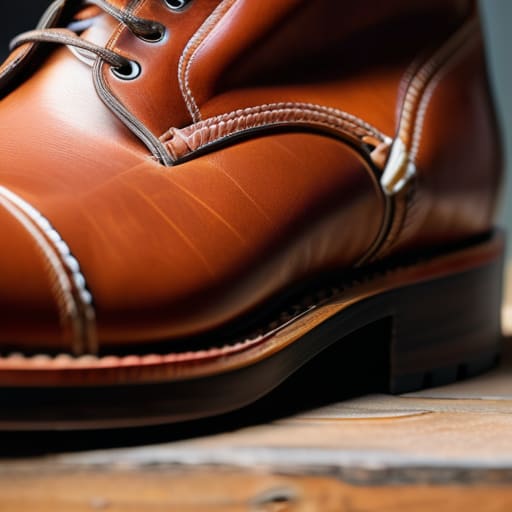
Stop looking at the brand name on the insole; it’s usually just a marketing tax. If you want shoes that won’t fall apart by mid-November, you need to look at the construction and the shoe material durability. I see people dropping a month’s rent on “designer” sneakers only to find the synthetic upper cracking within weeks. If you can, go for real leather or a high-quality suede. Why? Because leather breathes and, more importantly, it yields. It learns the contours of your foot rather than forcing your foot to fight against a rigid, plastic shell.
The second mistake is ignoring your own biology. You can buy the most beautiful loafer in the world, but if it ignores your specific foot shape and arch type, you aren’t wearing a shoe—you’re wearing a torture device. Don’t trust the number on the box, either. Sizing standards are a mess and vary wildly between brands. Instead, feel for the toe box width and check the heel stability. If the foundation is wrong, no amount of “styling” will make those shoes wearable for a full Wednesday.
The Math of Material Premium Leather vs Synthetic Reality
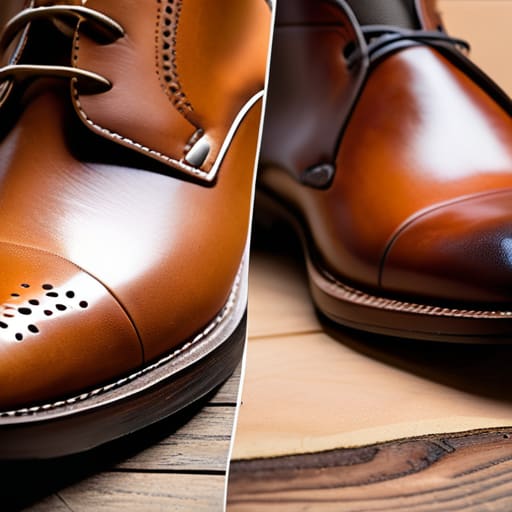
Here is the reality: marketing will try to sell you “vegan leather” that is actually just a thin layer of plastic bonded to a fabric backing. It looks shiny in the shop window, but within three months, that plastic will crack at the flex point where your toes bend. That’s not a “lived-in look”; that’s structural failure. When comparing premium leather vs synthetic, you have to look at the breathability. Real leather is a skin; it moves, it breathes, and most importantly, it stretches to accommodate your specific foot shape and arch type. A synthetic shoe is a static cage. Once it’s too tight, it stays too tight until it breaks.
If you are looking at the maths, a £150 pair of well-made leather boots that can be resoled by a cobbler is significantly cheaper over three years than buying four pairs of £40 synthetic boots that end up in a landfill every season. Don’t let the “eco-friendly” labels fool you if the shoe material durability is non-existent. If the material can’t take a hit from a rainy Tuesday or a long walk to the station, it isn’t a bargain—it’s a waste of your money.
Why Your Arch Type Dictates Your Entire Wardrobe
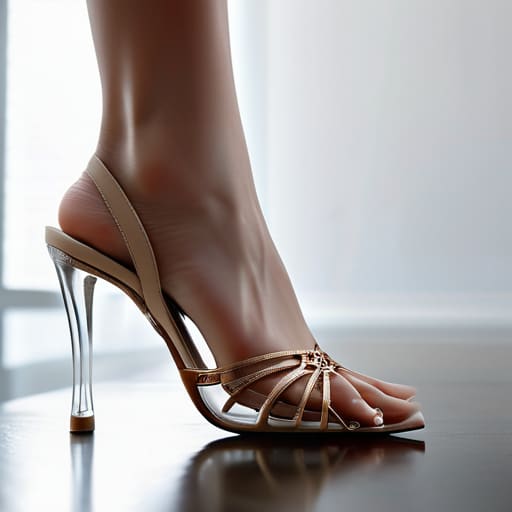
Listen, I see people buying a gorgeous pair of pointed-toe slingbacks because they look “chic” on a mannequin, only to spend the next six months complaining about a dull ache in their metatarsals. It’s not a fashion crime; it’s a geometry problem. If you don’t understand your foot shape and arch type, you aren’t buying a shoe—you’re buying a structural nightmare. A flat foot needs different lateral support than a high arch, and no amount of “breaking them in” will fix a shoe that fights your natural anatomy.
When you ignore your arch, you aren’t just dealing with a little discomfort; you’re looking at a potential cascade of issues from your ankles up to your hips. Finding the best footwear for foot health means prioritizing how the sole interacts with your midfoot. If you have high arches, you need cushioning to absorb the shock that your foot isn’t naturally distributing. If you’re flat-footed, you need stability to prevent your ankles from rolling inward. Stop treating your feet like an afterthought and start treating them like the foundation of your entire silhouette.
Stop Guessing Your Size How to Measure Foot Size Correctly
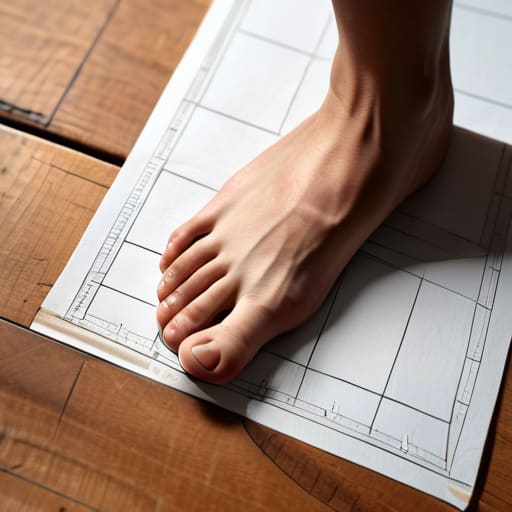
Most people think they know their size because they’ve worn a “9” for a decade, but that’s a lie. Brands are notorious for inconsistent sizing standards, and if you’re relying on a number printed on a cardboard insole, you’re already losing. To actually do this right, you need to stop thinking in numbers and start thinking in millimeters. Grab a piece of paper, a pencil, and a ruler. Trace your foot—while standing up, because your weight actually spreads your foot out—and measure the longest point from your heel to your big toe.
Don’t stop there. You also need to measure the widest part of your forefoot. This is where most people fail; they find a length that works but ignore the width, leading to that pinched, bruised feeling by 3 PM. If you want to master how to measure foot size effectively, you have to account for the volume of your foot, not just the length. Knowing your actual measurements is the only way to navigate the chaos of different brand templates and ensure you’re choosing the best footwear for foot health rather than just a pretty silhouette that’s going to cause blisters.
Prioritizing Foot Health Over Trends and Seasonal Fads
We need to have a serious talk about the “micro-trend” cycle. Every few months, some specific silhouette—let’s say a hyper-pointed toe or a platform that lacks any structural integrity—becomes the internet’s entire personality. But here is the reality: your feet do not care about what is trending on TikTok. If you buy a pair of shoes because they look “cool” but they ignore your specific foot shape and arch type, you aren’t just making a fashion mistake; you are making a physical one. I have seen too many people walk into my studio with foot fatigue and blisters because they prioritized a shape that was never designed for human anatomy.
If you want to actually enjoy your clothes, you have to stop treating footwear like a disposable accessory. The best footwear for foot health is rarely the loudest thing in the shop; it is the pair that respects your natural movement and provides actual support. When you prioritize comfort, you aren’t “settling” for boring shoes. You are investing in a piece that won’t leave you limping by 3 PM. Stop chasing the seasonal high and start looking for structural integrity. A shoe that feels like a torture device will eventually end up in a landfill, regardless of how many likes it got.
The "Real World" Checklist: 5 Things to Do Before You Tap Your Card
- Test the bend, not just the look. Grab the shoe and try to flex it; if it’s stiff as a board and doesn’t give at the ball of the foot, it’s going to fight your natural stride every single step of the way.
- Ignore the “one size fits all” marketing and check the heel-to-instep ratio. A shoe might be the right length, but if the vamp is too shallow, you’ll be walking like a penguin just to keep them on your feet.
- Do the afternoon shop. Your feet swell by 4:00 PM; if you buy shoes first thing in the morning when your feet are at their smallest, you are essentially paying for a very expensive, very stylish torture device.
- Audit the sole before you commit. If it’s a cheap, glued-on plastic sole with zero texture, you’ll be sliding around like you’re on ice within three weeks, and no amount of “styling” will fix a lack of traction.
- Calculate the “wearability tax.” Before buying, ask: can I wear these with the three pairs of trousers I actually use on a Wednesday? If the answer is no, that’s not a versatile staple, it’s an expensive mistake.
The Real Cost of a "Good Deal"
Stop looking at the price tag and start looking at the construction; if you’re buying a pair of ‘trendy’ shoes that pinch your toes or lack a proper sole, you aren’t saving money, you’re just pre-ordering a very expensive lesson in foot pain and a trip to a cobbler who’ll tell you it’s not worth fixing.
Neve Okonkwo-Barr
Stop Buying Shoes, Start Building a Foundation
Look, at the end of the day, a shoe is just a piece of engineering that happens to sit between you and the pavement. If you’ve actually listened to any of this, you’re no longer looking at a shiny Instagram ad and thinking “I need those.” Instead, you’re checking the grain of the leather, questioning the structural integrity of the sole, and asking yourself if the heel height is actually going to ruin your gait by 3 PM. You’ve learned that a cheap synthetic boot is just a disposable expense disguised as a bargain, and that your arch type is more important than any seasonal color palette. Remember: if the material is rubbish and the fit is a lie, you aren’t buying style—you’re just buying a future physical therapy bill.
My goal isn’t to turn you into a fashion expert; it’s to stop you from being a victim of bad marketing. Style shouldn’t feel like a constant negotiation with your own comfort. When you stop chasing the “it” shoe and start investing in pieces that respect your anatomy and your budget, your wardrobe finally starts working for you, rather than the other way around. Build your collection slowly, prioritize quality construction over logos, and for heaven’s sake, buy the size that actually fits your widest part. You deserve to walk through your life without feeling like your footwear is an obstacle.
Frequently Asked Questions
I found a pair of vintage leather boots at a charity shop that look amazing, but how do I know if the soles are too far gone to be worth a cobbler's time?
First, check the “feel” of the walk. If the sole is thin but intact, a resoling is easy. If the leather is cracked or the structure is collapsing, walk away—that’s a structural failure, not a wear issue. A good resole will cost you anywhere from £40 to £70 depending on your city, so do the maths. If the boots were £5, it’s a win. If they’re £80 to fix, you’re just buying expensive landfill.
If I buy a pair of shoes that are slightly too big because they're a bargain, what are the actual, cost-effective ways to fix the fit without ruining the shape?
Don’t fall for the “bargain” trap. If they’re more than a half-size too big, you’re just buying expensive foot fatigue. If it’s a minor gap, a decent pair of full-length leather insoles or a heel grip can bridge the space for under £10. But if the sole is gaping or the arch is totally wrong, walk away. You’ll spend more on podiatrist appointments than you saved at the sale. Fix the fit, or don’t buy.
How can I tell if a "genuine leather" shoe is actually going to crack and peel after three months, or if it's worth the extra twenty quid?
Look, “genuine leather” is the industry’s biggest lie—it’s basically the scrap material left over after they’ve cut the good stuff. If the surface looks too perfect, too shiny, or has a weirdly repetitive grain, it’s likely a thin plastic coating over low-grade hide. It will crack the moment it hits a puddle. If you can afford that extra twenty, look for “full-grain” or “top-grain.” It costs more upfront, but it breathes and ages; the cheap stuff just dies.
