Stop scrolling through those “aesthetic” packing lists that suggest you need ten different linen trousers and a dedicated suitcase for your “evening looks.” Most of those influencers are lying to you, or at least, they aren’t telling you that their outfits are a nightmare to maintain once you’re actually on a plane. If you follow a generic complete guide to travel wardrobes found on a lifestyle blog, you’ll end up with a suitcase full of beautiful, high-maintenance fabrics that wrinkle the second you sit down for a meal. I spent two years pinning hems in a basement studio, and if there is one thing I learned, it’s that traveling is a stress test for your clothes, not a photoshoot.
I’m not here to sell you a new capsule collection or convince you that you need “investment pieces” for a long weekend in Lisbon. Instead, I’m going to show you how to pick fabrics that actually survive a cramped train ride and which cheap basics are worth the $15 tailor visit to make them look intentional. This is a practical, math-based approach to packing: we are focusing on seam allowance, fabric weight, and how many ways a single shirt can actually work on a Wednesday.
Understanding Complete Guide to Travel Wardrobes
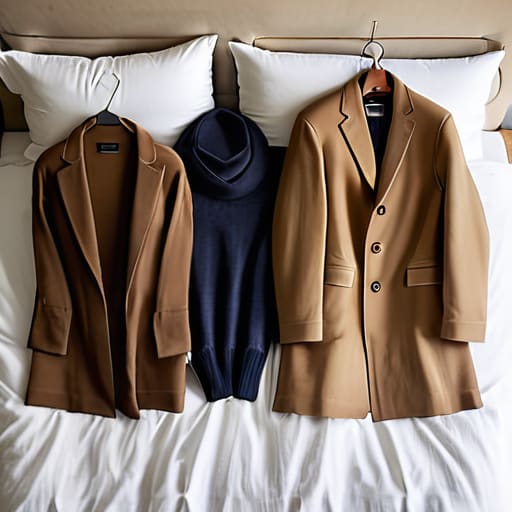
The mistake most people make is thinking a travel wardrobe is a collection of “vacation clothes.” It isn’t. If you pack three different floral sundresses and a pair of stiff, non-stretch denim jeans just because they look good in a mirror at home, you’ve already lost. A real wardrobe is a mathematical equation of versatile clothing for travel. You need pieces that can survive a twelve-hour flight and a spontaneous walk through a rainy plaza without looking like you’ve given up. I look at a suitcase the way I look at a client’s closet: if Item A doesn’t work with at least three other items, it stays on the bed.
Don’t get distracted by the “must-have” lists that tell you to buy ten new things. Instead, focus on fabric choices for long trips. I’m talking about mid-weight wool blends or high-quality synthetics that won’t hold a crease like a crumpled receipt. If you’re packing cheap, thin cotton, you’ll be re-wearing the same wrinkled mess by Tuesday. My rule is simple: prioritize drape and durability. If the fabric can’t handle being shoved into a bag or sitting in a cafe for three hours, it doesn’t deserve your luggage space.
Key Things to Know
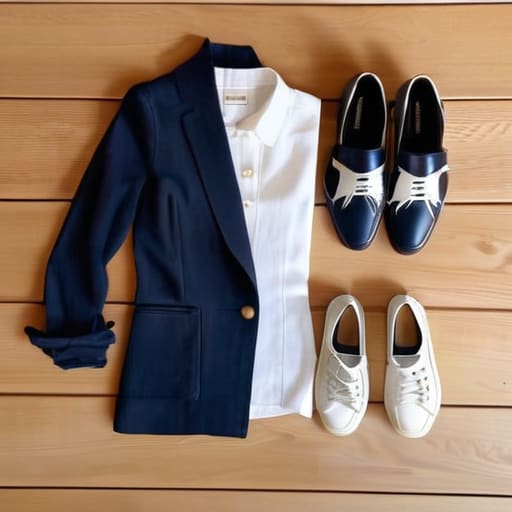
First, let’s talk about the lie we’ve all been sold: that you need a different outfit for every single activity on your itinerary. You don’t. You need versatile clothing for travel that plays well with others. If your “statement” skirt only works with one specific top and a pair of heels you can’t walk in, it is dead weight. I look at a suitcase the way I look at a sewing pattern—it’s all about the math of combinations. Every piece needs to earn its spot by being able to pivot from a museum stroll to a dinner reservation with nothing more than a change of shoes.
The real secret isn’t in the brand name, it’s in the fabric choices for long trips. Stop packing heavy, cheap cottons that lose their shape after two hours of sitting on a plane and end up looking like crumpled paper. Look for mid-weight wool blends or high-quality synthetics that actually hold a crease. If a garment can’t survive being stuffed into a bag and then worn for twelve hours straight, it doesn’t belong in your kit. Focus on durability over drama.
Practical Tips and Steps
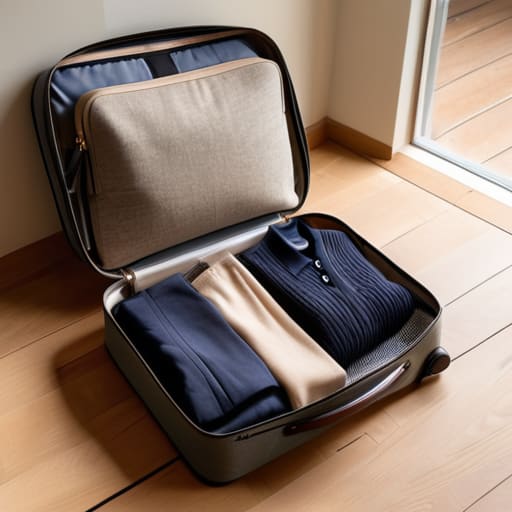
First, stop trying to pack your entire life into a carry-on. The mistake most people make is picking “outfits” instead of individual pieces that actually talk to each other. You want versatile clothing for travel that follows a strict color story—if your navy trousers don’t work with your cream knit and your black skirt, leave them at home. I always tell my clients to do a “wear test” before they zip the bag; if you can’t sit in a plane seat or walk three miles in it without feeling like you’re wearing a costume, it’s dead weight.
Second, let’s talk about the actual construction. When you’re choosing fabric choices for long trips, ignore the “luxury” labels and look at the composition tag. You need mid-weight wool blends or high-quality synthetics that won’t look like a crumpled napkin after twenty minutes in a taxi. Avoid cheap, thin rayons that pill the second they touch a backpack strap. If you spend an extra ten pounds on a shirt with a bit of weight to it, you save fifty pounds on the stress of looking disheveled by noon.
Common Mistakes to Avoid
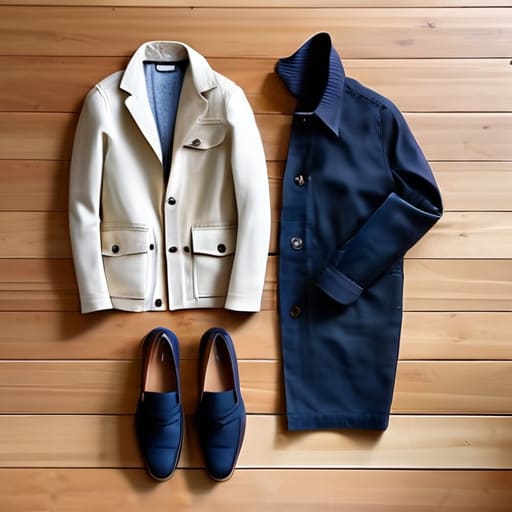
The biggest mistake I see people make is treating a suitcase like a backup plan for every possible personality they might inhabit while abroad. You aren’t just “traveling”; you are living in these clothes for a week, so stop packing “just in case” outfits that require a steamer and a prayer to look decent. When you overpack, you end up with a bag full of mediocre pieces that don’t play well together. Instead, focus on versatile clothing for travel—pieces that can handle a rainy Tuesday in a museum just as easily as a dinner out. If a garment only works with one specific pair of shoes, it’s dead weight.
Another trap is ignoring fabric choices for long trips. I see people packing heavy, cheap polyesters because they look good on a hanger, but after four hours in transit, they’re a wrinkled, sweaty mess. If you can’t crush a handful of the fabric in your fist and have it bounce back, leave it at home. Don’t waste your precious luggage space on “statement” items that have zero structural integrity. Build your kit around weight and weave, not trends that will fall apart before you even clear customs.
Final Thoughts
Look, at the end of the day, a successful trip isn’t about how many “aesthetic” outfits you managed to squeeze into a carry-on. It’s about not spending your first afternoon in a new city hunting for a pharmacy because your cheap polyester trousers gave you a heat rash, or crying in a hotel bathroom because your “versatile” blazer is actually too tight to button comfortably. Stop trying to dress for a photoshoot and start dressing for the reality of moving through airports and cobblestone streets.
Focus on fabric choices for long trips—think breathable cottons and mid-weight wools that actually hold their shape after being stuffed into a bag. If you prioritize how a garment sits on your body and how it handles a wrinkle, you’ll realize you need far less than the marketing tells you. You don’t need a massive suitcase; you just need a few reliable pieces that actually work together. Build your kit around pieces that survive a wash and a wear, and I promise you’ll spend less time worrying about your luggage and more time actually being where you went.
The Math of a Packing List: 5 Ways to Stop Overpacking
- Stop buying “vacation clothes” you’ll never wear on a Tuesday. If you wouldn’t wear that polyester sundress to a coffee shop in your own neighborhood, don’t pack it for a trip. You’re just paying for fabric that will sit in your suitcase collecting wrinkles.
- Prioritize fabric weight over brand names. A heavy, cheap cotton will weigh down your bag and take three days to dry in a hotel room; a mid-weight merino wool or a tight-weave linen can be squished into a corner and still look intentional.
- The “Alteration Math” rule: If you find a gorgeous linen blazer in a charity shop that’s a bit too long in the sleeves, buy it. It’ll cost you about £15 to have the sleeves shortened, and suddenly you have a bespoke travel piece for a fraction of the retail price.
- Build around a “base layer” of neutrals that actually work together. If your blue trousers only match your white shirt, you’ve failed. Every single bottom you pack should play nice with at least three different tops. If the math doesn’t add up, leave it at home.
- Check your seams before you zip the bag. There is nothing worse than arriving in a new city only to realize your “travel trousers” have a structural failure in the crotch or a loose hem. If the construction is shoddy, the garment won’t survive a week of transit.
The Math of a Travel Wardrobe
Stop packing for the “perfect” version of your holiday that exists only in your Instagram drafts. A real travel wardrobe isn’t about a collection of pristine outfits; it’s about three high-quality fabrics that don’t wrinkle after twenty minutes in a suitcase and the technical knowledge to know that a £15 hem adjustment on a pair of linen trousers is a better travel hack than any luxury packing cube.
Neve Okonkwo-Barr
The Math of a Better Suitcase
Look, building a travel wardrobe isn’t about owning a hundred different outfits; it’s about owning ten things that actually work together. If you’ve listened to any of this, you know the drill: prioritize natural fibers that won’t look like a crumpled napkin by noon, stick to a color palette that doesn’t require a logic puzzle to mix, and for the love of everything, stop overpacking. Remember that a well-fitted, mid-range linen shirt that you’ve had tailored to hit your waist perfectly is worth more than five “luxury” polyester pieces that pull at the buttons every time you sit down. Fit is your secret weapon, and a little bit of prep work before you head to the airport saves you from the inevitable “nothing to wear” meltdown in a hotel room.
At the end of the day, your clothes are just the background noise to your actual life. Don’t let a poorly constructed blazer or a pair of trousers that dig in make you feel small or uncomfortable in a new city. You aren’t dressing for a photoshoot; you’re dressing to move through the world with a bit of ease. If you focus on the construction and the fabric rather than the label, you’ll find that you can travel lighter and look better doing it. Go out there, wear the clothes, and let the memories be the thing people actually notice.
Frequently Asked Questions
If I find a great vintage blazer at a charity shop for my trip, is it actually worth paying a tailor to shorten the sleeves, or will the proportions look weird?
If the shoulders fit, do it. A vintage blazer with the wrong sleeve length is just a costume; a vintage blazer with perfectly tailored sleeves is a staple. Shortening sleeves is a standard alteration—usually around £15–£25 depending on if there are buttons to move—and it’s the fastest way to make a charity shop find look intentional rather than accidental. Just check the armhole first; if that’s too low, no amount of tailoring can save the silhouette.
How can I tell if a "travel-friendly" fabric is actually going to hold its shape after three days in a suitcase, or if it's just cheap polyester masquerading as tech-wear?
The “hand-feel” test is a lie; brands use soft finishes to hide cheap synthetics. Instead, do the scrunch test. Grab a handful of the fabric and squeeze it hard for ten seconds. If it stays a crumpled mess, it’s going to look like a discarded snack wrapper by Tuesday. Look for natural blends—merino wool or high-quality Tencel—that have actual weight and “spring.” If it feels suspiciously light and plastic-y, it’s just marketing.
What is the realistic budget I should set aside for alterations if I'm trying to make a few basic pieces work for both a casual hike and a nice dinner?
If you’re trying to bridge the gap between a hiking trail and a dinner reservation, you aren’t looking for a total overhaul—you’re looking for silhouette control. Budget about £25–£40 ($30–$50) per item. That covers tapering a loose trouser leg or taking in a waist so a shirt doesn’t billow like a sail. Don’t buy “technical” gear that fits like a tent; buy decent natural blends and spend the extra twenty quid to make them actually fit your shape.
