Stop letting marketing departments convince you that finding the perfect bikini requires a spiritual awakening or a massive credit limit. Most of the “must-have” collections you see on Instagram are designed to look good on a hanger, not on a human body that actually moves, sits, and breathes. I spent two years pinning bridal hems in a cramped basement studio, and if there is one thing I learned, it’s that a $150 “designer” piece is absolute rubbish if the seam allowance is too thin to hold its shape after one salt-water soak. When you are learning how to choose swimwear, you shouldn’t be looking at the brand name; you should be looking at the tension in the elastic and the weight of the lining.
I’m not here to sell you a lifestyle or tell you that a certain cut will “fix” your body—because it won’t. My promise to you is much more practical: I’m going to show you how to spot quality construction that survives a summer, which fabrics won’t turn transparent when wet, and why a cheap suit with a quick trip to a local tailor is often a smarter move than an expensive one that fits like a paper bag.
Understanding How to Choose Swimwear
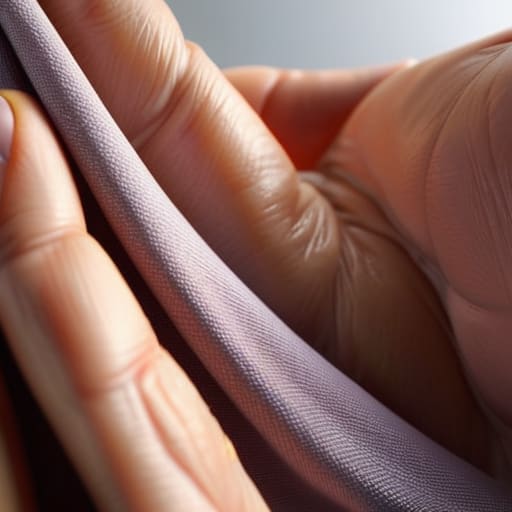
Forget the “body type” charts they plaster on every fast-fashion site; they’re mostly just math designed to make you feel like you need a specific cut to be “correct.” In reality, the best swimwear for different body types usually comes down to one thing: where the fabric actually sits against your skin. If you’re constantly tugging at a strap or feeling like a piece of fabric is digging into your hip, you haven’t failed the garment—the garment has failed you. I always tell my clients to look at the tension of the elastic rather than the label. If the seam looks like it’s under extreme stress just sitting on the hanger, it’s going to roll, pinch, and eventually snap.
You also need to stop ignoring swimwear fabric durability. A lot of these “bargain” suits are made of thin, high-percentage polyester blends that have zero recovery. They look great for the first twenty minutes, but once they hit salt water or chlorine, they stretch out and stay stretched. If you want something that actually lasts more than a single summer, look for a higher nylon-to-spandex ratio. It’s a slightly higher upfront cost, but it’s the difference between a suit that holds its shape and one that becomes a glorified dishcloth by July.
Key Things to Know
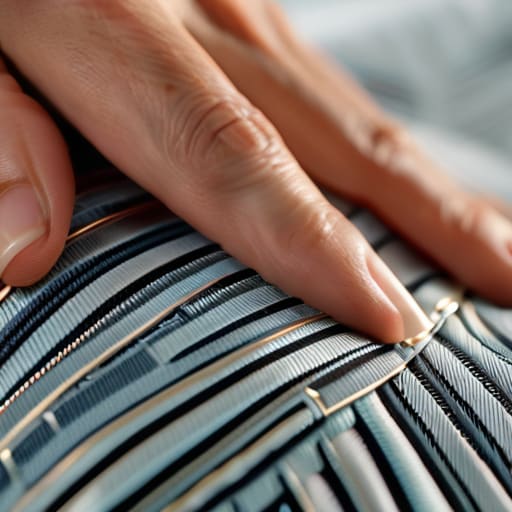
First, let’s talk about the math of the material. Most people see a cute print and ignore the tag, but if you’re looking for longevity, you need to prioritize swimwear fabric durability. If it’s a thin, flimsy polyester blend, it’s going to sag by July. I always look for a higher percentage of elastane or Lycra; it’s what gives the garment that “snap back” quality. If you can’t stretch the fabric between your hands and feel it immediately fight to return to its original shape, leave it on the rack. It’s not an investment; it’s a donation to a landfill.
Second, stop looking for “flattering” shapes and start looking at construction. There is no such thing as the best swimwear for different body types—there is only the best swimwear for your specific measurements and how you intend to move. If you’re actually hitting the pool for laps, you need something streamlined that won’t drag. If you’re lounging, you can play with more fabric. But whatever you do, learn how to measure for swimwear using a soft tape before you click ‘buy’ online. A suit that fits your bust but drowns your waist is just a very expensive piece of scrap fabric.
Practical Tips and Steps
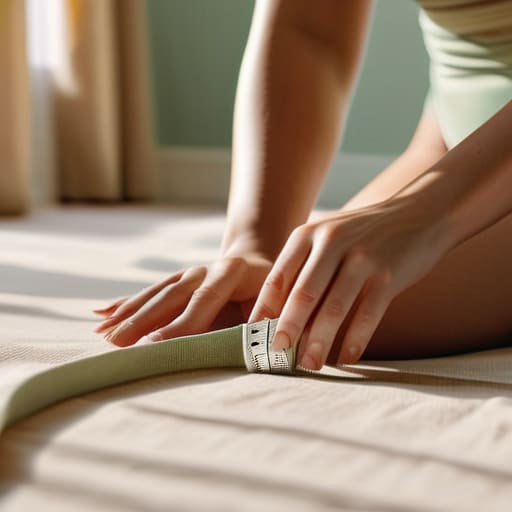
First, stop guessing your size based on a label. If you’re buying online, you need to know how to measure for swimwear properly before you even click ‘add to cart.’ Grab a soft measuring tape and get your bust, waist, and hips. If you’re between sizes, always size up. Swimwear fabric is notorious for losing its stretch after a few sessions in chlorine, and a suit that is slightly too big can be adjusted with a quick stitch, but a suit that is digging into your hips is a lost cause.
Next, look at the composition tag like it’s a grocery list. If you want longevity, look for a high percentage of elastane or Lycra, but check the density of the knit. I always tell my clients that swimwear fabric durability is determined by how much the weave resists thinning when stretched. If it feels flimsy in the shop, it will be transparent in the pool. For those who spend hours in the water, prioritize high-density recycled nylon; it holds its shape much better than the cheap, polyester blends that turn into saggy sponges after three wears.
Common Mistakes to Avoid
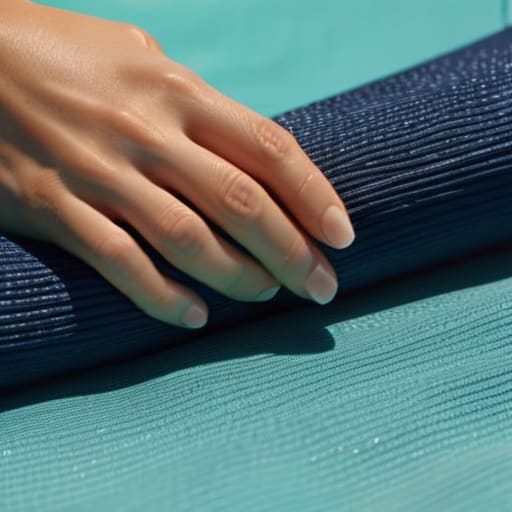
The biggest mistake I see? Buying for the “ideal” version of yourself instead of the one who actually shows up to the beach. People see a high-cut, thin-strap bikini on a model and think, “That’s the one,” only to realize ten minutes into a walk that the fabric is paper-thin and the tension is all wrong. Stop chasing the aesthetic and start looking at swimwear fabric durability. If you can see your hand through the material when you stretch it over your knee, it’s going to turn into a translucent mess after three dips in the salt water.
Another trap is ignoring the math of your own dimensions. I see so many people scrolling through “best swimwear for different body types” lists, trying to find a magic shape that fixes everything, when the real issue is just poor construction. If the side seams are pulling or the bust is gaping, it isn’t your body’s fault—it’s a pattern error. Don’t fall for the “one size fits most” lie. If you aren’t taking ten minutes to learn how to measure for swimwear before you hit ‘buy,’ you’re essentially just donating money to fast-fashion brands.
Final Thoughts
Look, at the end of the day, stop treating your summer wardrobe like a disposable experiment. If you spend forty minutes in a changing room obsessing over how a piece feels against your skin and how the seams sit, you’ve already won half the battle. Most people fail because they buy for the “look” on the hanger rather than the reality of their movement. Whether you are looking for the best swimwear for different body types or just something that won’t turn translucent the moment it hits the water, remember that fit is the only thing that actually matters.
Don’t let a marketing campaign convince you that a high price tag equals longevity. I’ve seen fifty-pound bikinis that last three summers and three-hundred-pound designer sets that fall apart because the elastane was rubbish. Pay attention to swimwear fabric durability and follow basic maintenance—rinse it in cold water, for heaven’s sake. If you treat your pieces with a bit of respect and prioritize a silhouette that actually stays put, you won’t find yourself standing in front of your wardrobe every June wondering why nothing feels right.
The Real-World Checklist: What Actually Matters When You’re in the Fitting Room
- Check the lining, not just the label. If a bikini top is single-layered or has that thin, scratchy mesh lining, it’s going to go see-through the second it hits the water. You want a substantial, high-denier lining that holds its shape so you aren’t constantly adjusting your modesty levels while trying to read a book.
- Do the “stretch and snap” test on the elastic. Grab the side seams or the waistband and pull them hard. If they don’t immediately snap back to their original shape, that suit is dead on arrival. It might look great on the hanger, but after three hours of humidity and salt, you’ll be swimming in a saggy mess.
- Ignore the “sculpting” marketing and look at the seam allowance. If the seams are razor-thin or finished with a cheap overlock stitch, they’ll dig into your skin and create those dreaded bulges that no amount of “tummy control” fabric can actually fix. You want a seam that sits flat, not one that acts like a cheese wire.
- Buy for your widest part, not your smallest. If you have hips but a small bust, don’t buy a bikini set where the top and bottom are sold as a fixed “size” that forces you to compromise on one. Buy them separately. It’s much easier to spend £15 at a local tailor to nip in a waistband than it is to pretend your body fits a mass-produced ratio.
- Test the fabric weight against the light. Hold the suit up to the light in the shop; if you can see the silhouette of your hand clearly through the fabric, it’s too thin. A good swimsuit needs enough weight to withstand the tension of being pulled on and off a damp body without losing its structural integrity.
The Math of a Good Bikini
Stop looking at the price tag and start looking at the spandex-to-nylon ratio and the way the lining sits against your skin; a £40 suit with a sturdy seam and a bit of stretch will outlast a £150 ‘designer’ piece that turns into a transparent rag the second it hits saltwater.
Neve Okonkwo-Barr
Stop Shopping, Start Fitting
Look, we’ve covered a lot of ground, but if you remember nothing else, remember this: stop letting a marketing campaign tell you what your body “needs.” Whether you are checking the stretch recovery of a nylon blend or inspecting the seam allowance to ensure the suit won’t shred after three swims, the goal is the same. It is about finding pieces that actually hold their shape and respect your movement. Don’t get distracted by a trendy cut if the fabric is paper-thin or the elastic is already shot. A piece of swimwear is only as good as its structural integrity and how it sits against your skin when you actually move. If you can’t see the construction clearly in the dressing room, leave it on the rack.
At the end of the day, your swimwear shouldn’t be a source of anxiety or a list of things you need to “fix” with a piece of tape. You aren’t a mannequin for a brand; you are a person who wants to go to the beach without constantly tugging at a strap or worrying about a saggy crotch. Buy for the reality of your life, not the fantasy of the catalog. Find the pieces that work on a Tuesday afternoon at a local pool just as well as they do on a holiday. When you stop chasing the “perfect” look and start prioritizing functional fit, you’ll finally find the confidence to actually get in the water.
Frequently Asked Questions
If I find a vintage piece with amazing fabric but the elastic is shot, is it actually worth paying a tailor to replace it?
If the fabric is high-quality—think thick ribbed nylon or a heavy crepe—then yes, absolutely. Don’t let a perished elastic band kill a great find. Replacing an elastic waist or straps usually costs between £15 and £25 depending on the construction. If the garment costs less than that to buy, you’re still winning. If the fabric is thin or synthetic junk, walk away. Don’t spend money fixing a garment that can’t hold its shape.
How can I tell if a swimsuit is going to go see-through the second it gets wet without actually getting in a pool?
The “stretch and light” test is your best friend here. Grab the fabric and stretch it over your hand; if you can see your skin tone or the knuckles of your fingers clearly through the weave, it’s going to be transparent in the pool. Also, check the weight. If it feels thin and “slimy” rather than substantial, it lacks the density to hold its opacity. Avoid anything with zero lining—if it’s unlined, it’s a gamble you’ll lose.
Is it better to buy a high-end brand with a decent return policy, or a cheaper suit that I can just get taken in at the seams?
Honestly? Buy the cheaper suit, but only if the fabric isn’t a complete joke. If it’s a decent blend that won’t sag after one dip, take it to a local tailor. A $40 suit with $20 worth of seam work will always look more expensive than a $200 “designer” piece that fits like a potato sack. Returns are just a way to mask poor construction; alterations are how you actually achieve style.
