I spent two years in a cramped basement studio pinning hems for a bridal shop, and if there’s one thing I learned, it’s that most people treat their clothes like they’re made of disposable plastic. I see it every week: someone buys a beautiful, heavy-weight linen shirt, only to shrink it into a doll-sized rag because they followed a “quick wash” setting instead of actually reading the fiber content. We’ve been sold this lie that if something breaks or loses its shape, you just need to buy a new version, but that’s just a scam to keep you spending. Learning essential clothing care and washing tips isn’t about buying fancy, overpriced detergents; it’s about understanding the physics of your fabric so you don’t accidentally destroy a perfectly good garment.
I’m not here to give you a lecture on laundry symbols that look like ancient hieroglyphics. Instead, I’m going to give you the practical, basement-studio version of garment maintenance. I’ll show you which fabrics actually deserve a machine wash, why your dryer is the absolute enemy of your favorite knits, and how to spot a cheap construction that won’t survive a single rinse cycle. This is about making what you already own work for you on a Wednesday, not chasing a trend.
Decoding the Laundry Symbol Guide Before You Ruin Your Silk
Look, I know those little symbols on the care label look like a secret code designed by a math professor to gatekeep fashion, but ignoring them is how you end up with a $200 silk blouse that now fits your cat. Most people treat a laundry symbol guide like a suggestion, but it’s actually a survival manual. That little triangle? If it has an ‘X’ through it, do not touch it with bleach unless you want your clothes to look like they’ve been through a chemical spill. And please, for the love of all things holy, if you see that tub with a hand in it, put the machine away.
The biggest mistake I see in my studio isn’t bad sewing; it’s people trying to “fix” things by throwing everything into a 60-degree wash. If you want to focus on extending garment lifespan, you have to respect the heat. High heat is the enemy of structure. It kills the elastane in your favorite jeans and turns your wool sweaters into doll clothes. If you aren’t reading the difference between “dry clean” and “hand wash,” you aren’t saving time—you’re just paying for a replacement.
Finding the Best Detergent for Different Fabrics Without Overspending
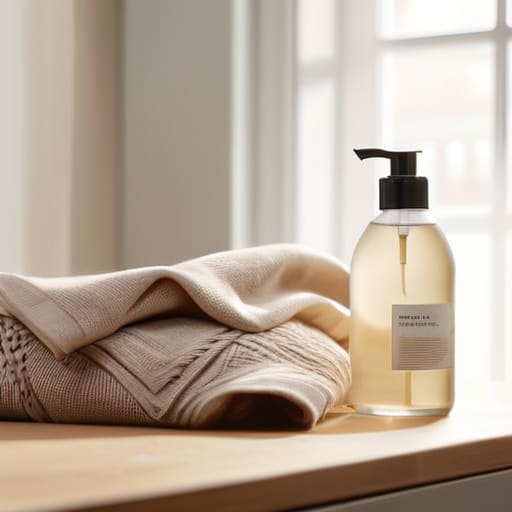
Look, you do not need a twelve-step luxury cleaning ritual or a specialized bottle for every single thread in your closet. Marketing teams love to convince you that your cashmere needs a “sacred” liquid soap that costs as much as a decent lunch, but half the time, you’re just paying for fancy packaging and a scent that disappears after ten minutes. If you are looking for the best detergent for different fabrics, start with the basics: a high-quality, pH-neutral liquid is your best friend for almost everything. Avoid those heavy-duty powder detergents with aggressive bleaching agents unless you are scrubbing up actual grime from a construction site; they are far too brutal on natural fibers and will eat through your seam allowances before you even notice.
For your high-stakes items—the silk blouses or the fine knits—skip the “specialty” aisle and just get a reliable, unscented wool and silk wash. It’s about protecting the integrity of the fiber, not the brand name on the bottle. If you’re trying to focus on extending garment lifespan, the goal is to minimize chemical stress. Using too much soap is actually worse than using too little; it leaves a residue that attracts dirt and makes fabrics feel stiff and lifeless. Keep it simple, keep it neutral, and save your money for the actual clothes.
Stop treating your wardrobe like disposable plastic: 5 ways to actually make your clothes last
- Stop the “more is better” lie with your detergent; if you’re using half a bottle of heavy-duty liquid on a delicate knit, you’re basically coating the fibres in a chemical film that attracts dirt and kills the elasticity. Use less, or you’re just paying to ruin your clothes.
- Turn everything inside out before it hits the drum, especially anything with prints or those cheap-feeling synthetic blends. It protects the face of the fabric from the friction of the machine, which is what causes that fuzzy, pillowy “aged” look that makes a jacket look ten years old in three months.
- Air dry is your best friend, and no, I don’t mean just “hanging it up.” Never, ever throw a structured blazer or a heavy cotton shirt in the dryer; the heat destroys the seam allowances and shrinks the fibres in ways a tailor can’t always undo. If you can’t afford a new wardrobe every season, stop using the tumble dryer.
- Invest in a decent fabric shaver rather than a new sweater. Most people think a jumper is “finished” because it’s gone bobbled, but that’s usually just surface-level friction. A quick shave can bring a mid-range wool back to life for about ten quid, which is much cheaper than a replacement.
- Learn the difference between “clean” and “washed.” If you’ve only worn a heavy wool coat for a few hours on a dry day, it doesn’t need a full wash cycle; it needs a brush and a steam. Over-washing is the fastest way to strip the natural oils out of good fabric and make it look limp and lifeless.
Stop treating your clothes like they're disposable
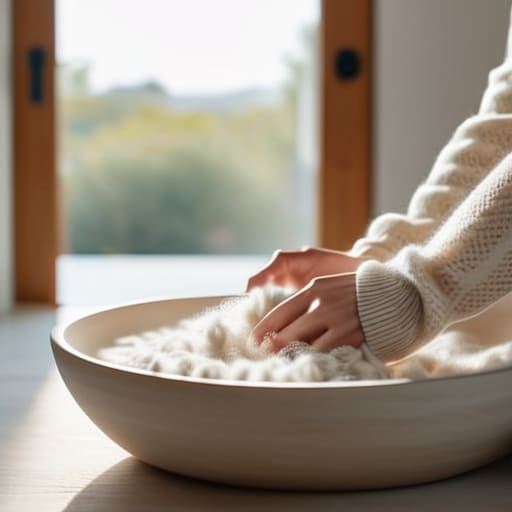
At the end of the day, keeping your clothes in one piece comes down to three things: reading those tiny, annoying symbols, choosing a detergent that isn’t basically liquid sandpaper, and actually respecting the fabric you paid for. You don’t need a professional dry cleaner for everything, but you do need to stop treating your high-end wool like a gym shirt. If you can manage to separate your whites, stop using too much soap, and learn which items need a gentle hand-wash instead of a heavy spin cycle, you’ve already won half the battle. It’s about understanding the math of maintenance—spending five minutes of effort now to save yourself the £40 it costs to replace a ruined knit next month.
My grandmother used to say that how you treat your things is how you treat yourself, and while that might sound a bit dramatic, there is a real kind of power in it. When you care for your wardrobe, you aren’t just cleaning fabric; you are extending the life of your identity. You are deciding that you are not someone who lives in a cycle of constant, mindless replacement. Build a wardrobe that lasts through the Tuesdays, the Wednesdays, and the messy Fridays by treating what you own with a bit of respect. You don’t need more clothes; you just need the ones you have to actually work for you.
If you’re feeling overwhelmed by the sheer amount of gear you need to keep everything from shrinking to pilling, I always suggest looking for a streamlined guide to the basics rather than getting lost in the endless aisles of specialty cleaners. Sometimes, just knowing the absolute essentials—like having one decent mesh bag for delicates and a solid stain remover—is enough to save a garment from a premature death. If you want to cut through the noise and just find what actually works for a normal lifestyle, checking out a curated resource like casual sex leicester can be a way to find those practical, no-nonsense recommendations that don’t require a PhD in textile science. It’s about buying smarter, not more, and ensuring that the stuff you actually love stays in your rotation for more than a single season.
