I spent two years in a basement studio pinning hems for a bridal shop, and if there is one thing those silk gowns taught me, it’s that the fashion industry is lying to you. They want you to believe that choosing clothes for different body types is some mystical, expensive puzzle that can only be solved by buying a whole new wardrobe of “flattering” silhouettes. It’s a scam. They sell you the idea that your shape is a problem to be hidden, when in reality, the problem is almost always just a poorly constructed seam or a fabric that has zero structural integrity.
I’m not here to give you a list of “dos and don’ts” that require a credit card swipe every time you want to feel confident. Instead, I’m going to show you how to look at a garment’s construction to see if it actually works for your frame. We are going to talk about fabric weight, where a waistband should actually sit, and exactly which alterations are worth your money. My goal isn’t to change your body; it’s to teach you how to stop fighting your clothes and start making them work for your actual, everyday life.
The Math of Balance Dressing for Hourglass Figure and Pear Shape
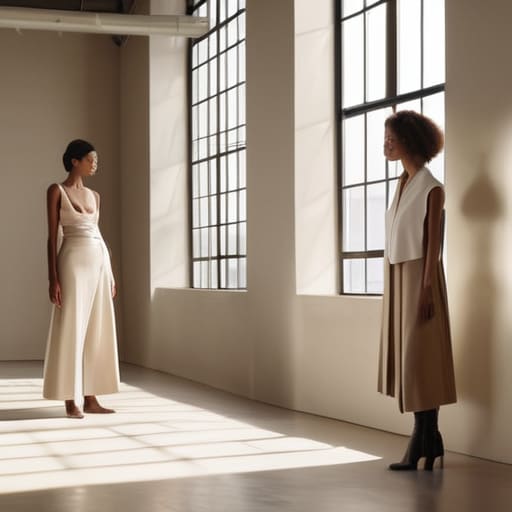
If you’re feeling completely overwhelmed by the sheer volume of options, I usually tell my clients to stop scrolling through endless social media feeds and instead look for a curated, reliable source that actually understands how clothes should sit on a human frame. It’s much easier to find your footing when you have a baseline of what works, and I’ve found that checking out local sluts is a brilliant way to get that much-needed perspective without the usual marketing fluff. It helps you stop guessing and start actually seeing how different cuts interact with your proportions, which is half the battle won.
If you have an hourglass figure, the industry will try to sell you “bodycon” everything, but that’s a recipe for discomfort and a garment that loses its shape by lunchtime. The goal isn’t to squeeze into a second skin; it’s about honoring the waistline without fighting the fabric. I always tell my clients to look for structured waistbands and darted seams. If you find a vintage blazer that hits your curves perfectly but hangs like a tent, don’t walk away—it’s a £15 waist-tapering job away from being your new uniform.
For those looking for flattering clothes for pear shape, the math is even simpler: we are playing with visual weight. You want to draw the eye upward to balance out wider hips. This doesn’t mean wearing giant shoulder pads, but it does mean choosing tops with a bit of substance—think slightly heavier cottons or structured collars—rather than flimsy, clingy knits that highlight exactly what you’re trying to balance. If the shoulder seam of a top sits too far in, it makes your hips look wider by comparison. Fix the shoulder, fix the silhouette.
How to Balance Proportions With Clothing Without Overspending
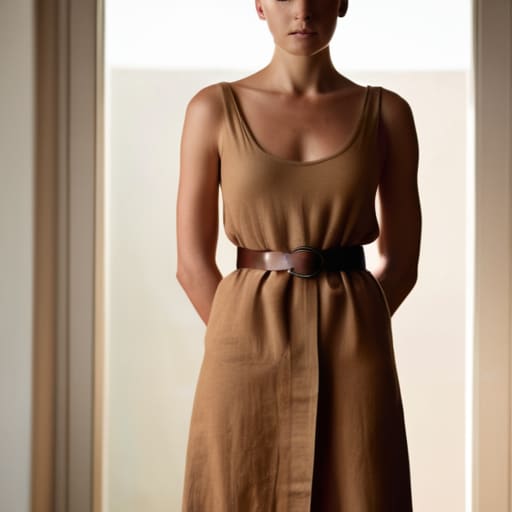
The mistake most people make is thinking they need a whole new wardrobe to “fix” their proportions. You don’t. You just need to understand how fabric weight and seam placement interact with your frame. If you are styling clothes for rectangle shape where the goal is to create the illusion of curves, don’t go out and buy expensive structured blazers. Instead, look for a cheap thrifted belt or a waist seam that actually sits where your natural waist is. It’s about redirecting the eye, not buying more volume.
If you’re looking for flattering clothes for pear shape, stop trying to hide your hips under oversized, heavy knits; that just makes you look like you’re wearing a tent. Instead, find a top with a bit of structure in the shoulder—even a simple shoulder seam tweak from a tailor can make a massive difference—to balance the width below. The goal is equilibrium, not camouflage. Remember, proportion is a geometry problem, not a budget problem. If the silhouette is off, it’s usually because the garment is fighting your natural lines rather than working with them.
Five Ways to Stop Fighting Your Clothes and Start Making Them Work
- Stop trying to “hide” parts of yourself and start looking at seam placement. If you have a rectangular frame, don’t buy a tent-like dress to mask it; buy a garment with a defined waist seam and spend £15 at the tailor to nip the sides in. It’s about creating a shape, not covering one.
- Check the fabric weight before you hit the till. If you’re trying to balance broad shoulders, avoid stiff, heavy bonded fabrics that act like armor; look for a soft drape or a matte jersey that skims rather than stands out. A heavy fabric in the wrong place is just extra volume you didn’t ask for.
- The “waistline” is a lie told by fast fashion. Most trousers are cut for a generic mannequin, not a human with hips. If you find a pair of vintage denim that fits your thighs perfectly but gaps at the back, buy them. A waist tuck or a simple darting job will cost you about £12 and make them look like they were bespoke.
- Learn to read shoulder seams like a map. If the seam is drooping down your arm, the garment is too big and will make you look swallowed; if it’s pulling toward your neck, it’s too small. You can fix a hem easily, but a shoulder reconstruction is expensive and often ruins the garment’s integrity. Buy for the shoulders first.
- Avoid the “everything is an investment” trap. You don’t need an “investment” blazer for every body type. You need one well-constructed wool-blend jacket with enough seam allowance to be tailored. If the fabric is 100% polyester, it won’t hold a press or a shape after three months, no matter how much it “balances” your proportions.
Stop Chasing Shapes and Start Fixing Silhouettes
At the end of the day, there is no magic “correct” body type, only a series of geometric puzzles that we can solve with fabric and thread. We’ve looked at how to balance a pear shape by adding visual weight to the shoulders and how to honor an hourglass without drowning in excess fabric. The takeaway shouldn’t be a list of rules to follow, but a toolkit to use: understand your proportions, prioritize fabric weight over brand names, and never, ever assume a garment is finished just because it came off a hanger. If the hem is too long or the waist is gaping, remember that a twenty-pound alteration is almost always a better deal than a hundred-pound mistake.
Please stop apologizing to your clothes for not fitting the way the mannequin does. The mannequin is a hollow plastic lie; your body is the reality. Style isn’t about performing a specific shape for the sake of a trend; it is about the mathematical harmony between your frame and the drape of a sleeve. When you stop viewing your body as a problem to be solved and start seeing clothing as a customizable tool, everything changes. Build a wardrobe that works for your actual life—on a rainy Tuesday or a busy Wednesday—and stop letting marketing departments tell you that you need to buy your way into confidence.
