I spent two years in a basement studio pinning hems for a bridal shop, and if there is one thing those silk slips taught me, it’s that “professionalism” is often just a very expensive way to feel uncomfortable. We’ve been sold this lie that the evolution of professional workwear is a linear climb from stiff, suffocating suits to the “relaxed” high-end loungewear you see on LinkedIn influencers. Most of that “evolution” is just clever marketing designed to make you buy a $400 blazer with zero structure and a synthetic lining that won’t breathe. To me, the history of what we wear to work isn’t about changing silhouettes; it’s about the constant battle between looking competent and actually being able to sit in a chair for eight hours without a seam ripping.
I’m not here to give you a history lesson or tell you which runway trends are “in.” Instead, I’m going to show you how to navigate the evolution of professional workwear by looking at fabric weight and seam construction rather than brand names. I’ll tell you which “modern” pieces are actually worth the spend and which ones are just cheap polyester masquerading as luxury. We are going to talk about how to build a wardrobe that survives a Wednesday, without needing a massive budget or a complete identity crisis.
Why the History of Business Attire Is Losing Its Grip
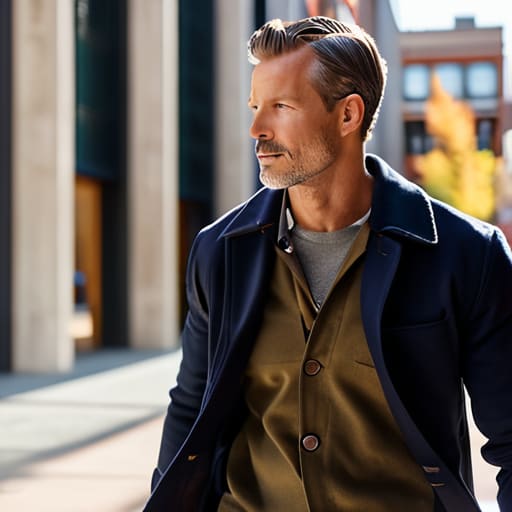
The problem with this transition to “casual” is that most people interpret it as permission to wear clothes that have lost their shape. If you’re trying to navigate this shift, don’t just grab whatever is clean; look for pieces with enough structural integrity to hold a silhouette even when you aren’t wearing a blazer. If you happen to be looking for some solid inspiration or local direction on how to pull these more relaxed, intentional looks together, checking out t4m perth is a great way to see how these pieces actually live in the real world. It’s much better to see how a fabric drapes on a person than to stare at a static, airbrushed photo on a website.
The reason the old rules feel so heavy is that they were designed for a world that doesn’t exist anymore. For decades, the history of business attire was basically a manual on how to disappear into a sea of navy polyester and stiff collars. It was about conformity, not character. But we’ve seen a massive shift from formal to business casual, and frankly, the old “uniform” is dying because it was never actually comfortable. It was just a way to signal status through how much you could restrict your own breathing.
Then the world changed, and the impact of remote work on clothing acted like a sledgehammer to those outdated expectations. When your “office” is a laptop on a kitchen table, a structured blazer with reinforced shoulder pads starts to feel less like power and more like a costume. We are moving away from performing “professionalism” through expensive, rigid fabrics and toward a modern professional wardrobe essentials list that actually prioritizes how a garment moves when you’re sitting in a chair for six hours. We’re finally prioritizing how clothes live with us, rather than how they look in a static boardroom photo.
The Shift From Formal to Business Casual Without Looking Sloppy
The problem with the shift from formal to business casual is that most people interpret “casual” as “I’ve given up.” We’ve moved away from the stiff, structured suits of the past, but that doesn’t mean your wardrobe should look like a pile of laundry. When I see people trying to navigate current corporate dress code trends, they usually make the mistake of grabbing whatever soft, shapeless jersey fabric is nearby. The truth is, “casual” should still mean intentional. You aren’t losing your professionalism; you’re just losing the unnecessary layers of starch and discomfort.
The secret to making this work isn’t buying a whole new collection of “relaxed” pieces; it’s about managing fabric and structure. If you’re swapping a blazer for a knit, make sure that knit has enough weight to hold its own shape. A flimsy sweater over baggy trousers doesn’t look “modern professional”—it looks like you’re heading to a nap. If you find a piece you love that feels a bit too unstructured, take it to a tailor. Spending thirty quid to taper a leg or nip a waist can make a cheap, casual trouser look like a deliberate style choice rather than an afterthought.
How to Navigate the "Casual" Chaos Without Looking Like You Just Rolled Out of Bed
- Stop chasing the “new” professional uniform. The evolution of workwear isn’t about adopting every new trend; it’s about finding the middle ground where your clothes actually look intentional. If you’re wearing a blazer with jeans, make sure the blazer has enough structure in the shoulder to hold its own, otherwise, you just look like you’re wearing your dad’s old jacket.
- Learn to read a fabric label like your paycheck depends on it. As workwear gets more casual, brands are swapping durable wools and heavy cottons for cheap, thin polyesters that pill after three washes. A “professional” look fails the second your trousers look fuzzy and sad. Look for natural fibers; they breathe better and, more importantly, they actually hold a crease.
- The “Casual Friday” trap is real, and it usually ends in looking sloppy. You don’t need a full suit anymore, but you do need “anchors.” If you’re wearing a casual knit, pair it with a structured trouser. If you’re wearing relaxed chinos, ensure they are hemmed perfectly to your shoe. It’s the silhouette that signals “professional,” not the starch in your collar.
- Don’t let a “relaxed fit” become an excuse for bad tailoring. Just because the industry has moved away from stiff, formal silhouettes doesn’t mean you should stop caring about your seams. A pair of wide-leg trousers can look incredibly high-end if the waist hits exactly where it should, but if they’re sagging, you just look unkempt. A quick hem or a waist nip is usually cheaper than buying a whole new wardrobe.
- Beware the “Investment Piece” marketing lie. Just because a brand calls a blazer an “essential professional staple” doesn’t mean it’s worth the markup. Before you drop a week’s rent on a piece, check the seam allowance and the lining. If the construction is flimsy, it’s not an investment; it’s an expensive mistake that won’t survive a year of commuting.
The Bottom Line on Looking Professional
At the end of the day, the history of workwear isn’t some rigid set of rules you have to obey to be taken seriously; it’s just a shifting landscape of what we consider “appropriate.” We’ve moved away from the stiff, armor-like suits of the past and into this weird, messy middle ground of business casual. But here is the trap: just because the rules are looser doesn’t mean you should stop caring about how you present yourself. Whether you are wearing a structured blazer or a high-quality knit, the goal remains the same. Don’t get distracted by the labels or the latest “office core” trends. Instead, focus on the structural integrity of what you’re wearing. If the shoulder seam is drooping or the fabric is so thin it looks like a wet paper towel, no amount of “casual” styling will save you from looking unprofessional.
Stop waiting for a promotion or a new job to finally “invest” in a wardrobe. Real style isn’t about having a closet full of expensive, trend-driven pieces; it’s about having a handful of reliable items that actually fit your body and your life. If you find a piece you love that’s just a little bit off, don’t toss it—take it to a tailor. Spending thirty pounds to fix a waistline is a much better use of your money than spending three hundred on a “statement” piece that makes you feel self-conscious. You don’t need a permission slip from the fashion industry to look capable. You just need clothes that work as hard as you do on a random, exhausting Wednesday.
