I spent three years in a basement studio watching people buy “essential” layering pieces that were actually just expensive, polyester-blend mistakes. Most fashion influencers will give you a beginner guide to layering clothes that involves buying five different trendy knits and a heavy trench coat you can’t actually move your arms in. They want you to think layering is about adding more stuff to your closet, but they never mention that if your base layer is too thick or your mid-layer has zero seam allowance, you’re just going to look like a lumpy, uncomfortable mess by noon.
I’m not here to sell you a new capsule collection; I’m here to show you how to use the weight of the fabrics you already own to survive a Tuesday. I’m going to walk you through how to stack textures without the bulk, which specific fabric blends actually hold their shape under a heavy coat, and why a simple $15 tailor adjustment to your sleeve width can make a cheap sweater look like a high-end piece. We’re going to focus on the math of the fit, not the marketing of the trend.
Base Layer vs Mid Layer Buying Function Not Fluff

If you’re starting to look at your wardrobe and realizing you have plenty of clothes but zero actual outfits, don’t panic and don’t head straight to the high street. Before you spend fifty quid on a new jumper that’ll pill after three wears, try looking for inspiration in unexpected places; sometimes seeing how different silhouettes and textures play together can completely change your perspective on what you already own. I often find that browsing diverse style galleries, like those featuring an asian MILF aesthetic, helps me see how certain layers can be repurposed to create a much more intentional silhouette without needing to buy a single new thing. It’s about training your eye to see the potential in the fabric, not the price tag.
The biggest mistake people make is treating every layer like it’s the same thing. It isn’t. If you’re trying to figure out base layer vs mid layer logic, stop looking at colors and start looking at the weave. Your base layer’s only job is to manage moisture and sit against your skin without bunching. I see so many people buying thick, chunky cotton tees as a base, but cotton is a disaster when you actually get warm because it holds onto sweat like a sponge. You want something thin, maybe a silk blend or a fine merino, that moves with you. If it feels heavy in your hands, it’s not a base layer; it’s a mid layer.
The mid layer is where your actual insulation lives. This is where you use your clothing fabric weight guide—think heavier knits, denim, or a structured flannel. This layer traps the heat your base layer helped regulate. The math is simple: if your base is too thick, you’ll have no room for the mid layer, and you’ll end up looking like a lumpy marshmallow. Spend your money on a mid layer with a strong seam allowance so it holds its shape even after you’ve stuffed a sweater underneath it.
A Clothing Fabric Weight Guide for Real World Use
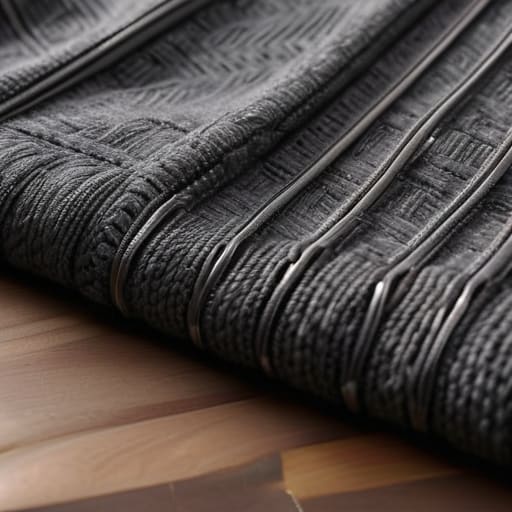
If you want to actually stay warm without looking like a marshmallow, you have to stop looking at colors and start looking at grams per square meter. This is my unofficial clothing fabric weight guide for people who actually have to leave the house. For your base layer, forget those chunky cotton tees; they hold moisture and will leave you shivering by noon. You want something lightweight and thin—think merino wool or a high-quality synthetic blend—that sits close to the skin without adding bulk. If the fabric is too heavy at this stage, you’ve already lost the battle against your own silhouette.
Once you have that skin-level foundation, your mid layer is where the real thermal work happens. This is the layer that traps the air. A mid-weight fleece or a dense wool sweater is your best friend here. When you’re practicing smart layering for temperature control, the goal is to create pockets of warmth between these different weights. A common mistake I see in charity shops is people buying heavy, thick cotton hoodies as mid-layers; they’re too bulky to tuck under a coat and they don’t breathe. Stick to fabrics that have some structural integrity but won’t make your armholes feel like they’re being strangled.
Five Rules for Layering Without Looking Like a Marshmallow
- Check your armholes before you stack. If your base layer is a thick, chunky knit, your mid-layer jacket is going to bunch up under the arm and make you look like you’re wearing a life vest. Stick to a slim-fitting cotton or merino tee as your foundation so your sleeves actually move.
- Respect the seam allowance. If you try to squeeze a heavy flannel shirt over a thick sweatshirt, you aren’t “layering,” you’re just fighting a losing battle against physics. If the seams are pulling tight across your chest, the outfit is a failure. It’s better to wear one slightly heavier sweater than three layers that make you look lumpy.
- Don’t fall for the “matching set” trap. Marketing wants you to buy three coordinated pieces that work perfectly together but are useless individually. Instead, find one heavy wool cardigan that works with your existing jeans and one lightweight thermal. If you can’t wear the individual pieces on a Tuesday in July, they aren’t worth the space in your wardrobe.
- Mind the hemline math. A common mistake is having three different layers that all end at exactly the same spot on your hips. It creates a heavy, horizontal line that cuts your height in half. Aim for varying lengths—a longer undershirt or a shorter jacket—to give the eye some actual movement.
- Prioritize natural fibers or your sweat will betray you. Synthetic layers (looking at you, cheap polyester blends) trap heat without breathing. You’ll end up in a cycle of “too hot in the cafe, freezing on the street.” Stick to cotton, wool, or linen; they regulate temperature much better, which means fewer layers to carry around.
Stop Overthinking the Stack
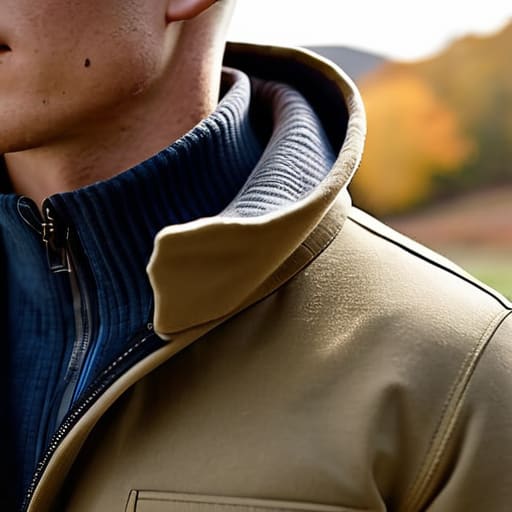
At the end of the day, layering isn’t some complex mathematical formula you need to master before you leave the house; it’s just about managing your temperature and your silhouette. We’ve covered the essentials: start with a base layer that actually breathes, pick a mid-layer with enough fabric weight to hold its own, and ensure your outer shell doesn’t turn you into a human marshmallow because the armholes are too tight. Remember, if you can’t move your arms without feeling like you’re being squeezed by a boa constrictor, you’ve failed the fit test. Don’t let a brand convince you that a “seasonal must-have” is worth it if the seam allowance is non-existent. Prioritize the construction and the fiber content, and the style will naturally follow.
My final piece of advice is to stop looking at your wardrobe as a collection of single-use items and start seeing it as a toolkit. You don’t need a new outfit for every temperature drop; you just need a better understanding of how your existing pieces interact. A well-made wool jumper and a sturdy trench coat can carry you through half the year if you know how to stack them properly. Style isn’t about how much you spend on a single look, it’s about how much utility you can squeeze out of every single thread. Go through your closet, check your weights, and start building a wardrobe that actually works on a Tuesday, a Wednesday, and every day in between.
