Stop letting “luxury” branding convince you that a £30 pair of cashmere-blend socks is an investment; if the heel is already thinning after three Tuesday commutes, you haven’t bought quality, you’ve just bought expensive trash. I spent two years in a basement studio pinning hems for people who thought a designer label could fix a bad fit, and I see the same lie being sold in the hosiery aisle every single day. Most people think finding durability is about the price tag on the packaging, but if you actually want to learn how to choose socks that last, you need to stop looking at the logo and start looking at the fiber density and the way the seam is actually constructed.
I’m not here to sell you on a lifestyle or a specific brand’s “aesthetic.” I’m here to show you the math of fabric longevity. In this guide, I’m going to break down exactly which material blends survive a heavy wash cycle and which ones turn into lint within a month. We’re going to talk about stitch tension, toe reinforcement, and why a slightly higher upfront cost for a high-density cotton is actually cheaper in the long run than buying five pairs of supermarket disposables.
Understanding How to Choose Socks That Last
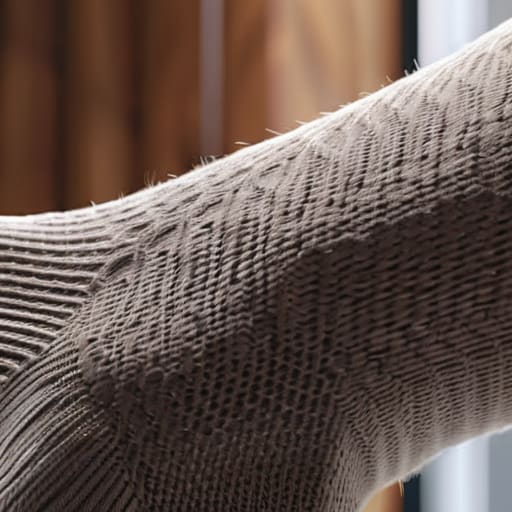
Forget the pretty patterns on the packaging; if you want to stop throwing money in the bin every three months, you have to look at the actual build. Most cheap socks are knit with a loose, uneven tension that makes them feel soft in the shop but causes them to lose their shape the second they hit a washing machine. When I’m looking at high-quality hosiery construction, I’m checking for density. If you can see light through the fabric when you stretch it just a little bit, that sock is going to develop a hole in the big toe before you’ve even finished the month.
You also need to stop treating all fibers like they’re equal. If you’re wearing synthetic blends that feel like plastic, you’re asking for blisters and odor. I always tell my clients to look for merino wool vs cotton socks depending on the job: cotton is fine for a quick errands run, but merino is the real winner for temperature regulation and moisture wicking sock fabrics. Most importantly, check the anatomy. If the sock doesn’t have specific sock heel and toe reinforcement, it’s a ticking time bomb. Look for a slightly thicker, tighter knit in those high-friction zones; that is the difference between a sock that lasts a season and one that lasts a year.
Key Things to Know
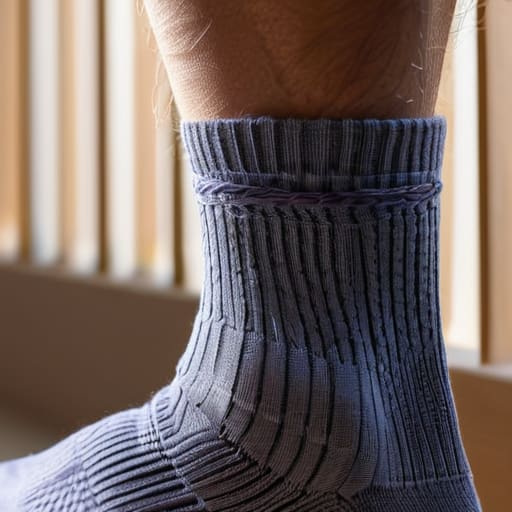
First, stop looking at the pretty patterns on the packaging and start looking at the anatomy of the sock. If you want to stop the endless cycle of throwing single, lonely socks in the bin, you need to check for sock heel and toe reinforcement. I’ve seen enough cheap pairs disintegrate within a month because the manufacturer skimped on the extra loops of yarn in high-friction areas. A quality pair should feel slightly denser at the tip and the heel; if it feels thin there, it’s going to fail you by Tuesday.
Then there is the great debate: merino wool vs cotton socks. From a purely mathematical standpoint, merino is usually the winner for longevity. It’s a resilient fiber that manages moisture far better than cotton, which tends to absorb sweat, get heavy, and then stretch out or lose its shape. If you’re wearing these for a long day of walking, you want those moisture-wicking properties to prevent the friction that leads to holes. Honestly, if the fabric feels flimsy or overly “silky” in a synthetic way, it’s probably just a countdown to a hole in your big toe.
Practical Tips and Steps
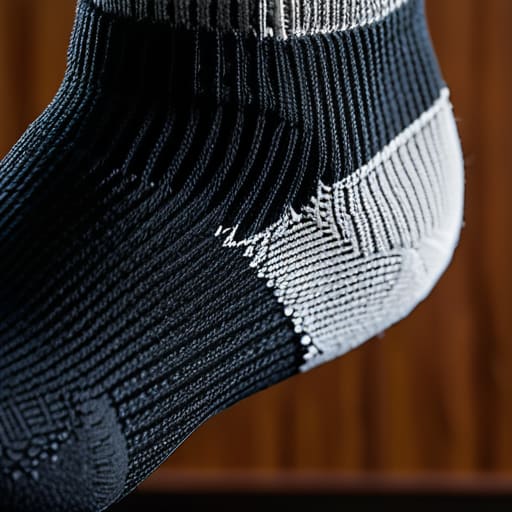
First, stop looking at the packaging and start looking at the knit. If you want to actually stop the cycle of throwing away pairs every three months, you need to check for sock heel and toe reinforcement. I’ve spent enough time pulling apart cheaply made garments to know that the friction points—where your foot actually moves—are where the cheap stuff fails first. If there isn’t a visible change in the density of the knit at the toe and heel, you’re basically buying a countdown to a hole.
When you’re standing in the aisle, do a quick mental math check on the fibers. I usually tell people that merino wool vs cotton socks is the ultimate battle of longevity versus comfort. Cotton is fine for a quick trip to the shops, but it loses its shape and gets heavy when damp. If you want something that survives a frantic Monday through a rainy Wednesday, go for a wool blend. It handles moisture better and maintains its structure. Just avoid anything that feels suspiciously thin or “silky” in a way that suggests a high percentage of cheap nylon; that’s just a recipe for imminent structural failure.
Common Mistakes to Avoid
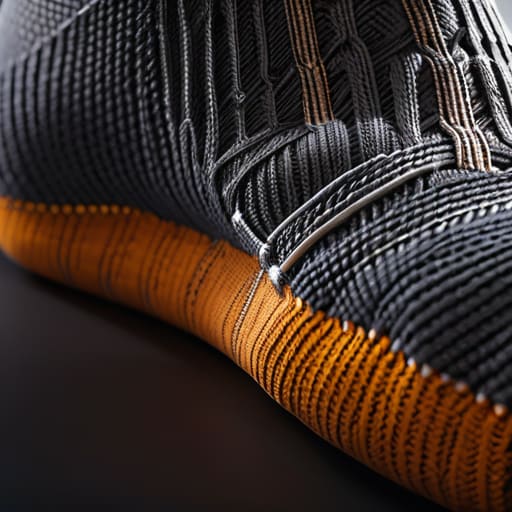
The biggest mistake I see is people falling for the “luxury” trap—buying a designer box of socks because the logo looks good, only to realize they’re made of thin, flimsy combed cotton that disintegrates in a month. If you aren’t checking for sock heel and toe reinforcement, you’re basically just buying a countdown to a hole in your big toe. Most of these “premium” brands skimp on the high-wear areas to keep their margins up, leaving you with a garment that looks great for one Tuesday but fails by Friday.
Stop also treating all natural fibers as equal. I see people constantly debating merino wool vs cotton socks without realizing that a low-grade, short-staple cotton is a recipe for disaster. If the fiber is short, it’s going to pill and thin out almost immediately. You want long-staple fibers or a dense knit that actually feels substantial between your fingers. If a sock feels weightless and slightly translucent when you stretch it over your hand, put it back on the shelf. You aren’t buying a style; you’re buying a structural failure.
Final Thoughts
Look, I know it feels ridiculous to spend more than a few minutes thinking about something as small as a sock, but that’s exactly how the industry wins. They want you to treat hosiery like a disposable commodity because it keeps you coming back to the checkout every three months when your heels inevitably blow through. If you start looking for sock heel and toe reinforcement instead of just looking at the pretty pattern on the packaging, you’re already winning the math.
At the end of the day, stop chasing the “newness” and start looking for the construction. Whether you’re debating merino wool vs cotton socks for your daily rotation or just trying to find something that won’t slip down your ankle by lunchtime, prioritize the fiber density. A slightly higher upfront cost for better material isn’t a luxury; it’s just basic logic to stop you from throwing money in the bin every season. Buy better, wash them less aggressively, and stop letting marketing convince you that style starts with a shopping spree rather than a solid foundation.
The Quick-and-Dirty Checklist for Your Next Sock Haul
- Check the fiber blend, not the brand name. If the tag says 100% cotton, run—it’ll lose its shape and leave you with saggy ankles by Tuesday. You want a blend with a tiny bit of elastane or Lycra to keep the tension, but keep the main body high-density cotton, merino wool, or bamboo so they actually breathe.
- Perform the “stretch test” in the aisle. Grab the sock and pull it wide; if it snaps back instantly, the knit is tight and the structural integrity is there. If it stays slightly deformed or looks “gappy” while you’re stretching it, that sock is going to develop holes in the heel within a month.
- Look at the seam, not the packaging. I’ve seen “luxury” socks with seams so thick and chunky they feel like a pebble in your shoe. You want a hand-linked toe seam—it’s flatter, smoother, and means the manufacturer actually cared about the construction rather than just slapping a logo on a cheap knit.
- Evaluate the weight against your actual life. Don’t buy heavy, thick thermal wools if you’re wearing them in trainers for an eight-hour shift; the friction will shred them. Match the fabric weight to the shoe volume so the sock isn’t fighting for space and wearing itself thin against the interior of your footwear.
- Do the math on the “cost per wear.” A three-pack of £5 socks that disintegrate after five washes costs you £1 per wear. A single pair of £15 high-density merino socks that lasts a year (roughly 150 wears) costs you 10p per wear. If the math doesn’t favor the better fabric, you aren’t saving money, you’re just subsidizing a landfill.
The Math of the Foot
Stop looking at the price tag and start looking at the fiber content; if a brand calls a polyester blend an ‘investment’ without showing you the GSM or the stitch density, they aren’t selling you a wardrobe staple, they’re selling you a landfill contribution that will lose its shape by Tuesday.
Neve Okonkwo-Barr
The Bottom Line
At the end of the day, stop looking at the price tag and start looking at the fiber content. If you’re buying a five-pack of “luxury” socks that are 80% polyester, you aren’t saving money; you’re just buying future landfill. Look for high-density cotton, merino wool, or those sturdy synthetic blends that actually hold their shape after a wash cycle. Check the heel and toe construction, and for the love of everything holy, stop ignoring the seam thickness. A good sock shouldn’t feel like a collection of tiny, irritating wires against your skin, and it shouldn’t turn into a transparent rag after three Tuesdays in a row.
We spend so much time obsessing over the “statement” pieces in our wardrobes—the coats, the boots, the heavy knits—that we completely neglect the things actually touching our skin. But a wardrobe is only as functional as its smallest components. When you stop chasing every micro-trend and start investing in structural integrity, you stop being a victim of the fast-fashion cycle. Buy better, wash less aggressively, and treat your basics with a bit of respect. You don’t need a massive closet; you just need stuff that actually works when you pull it on in the morning.
Frequently Asked Questions
If I find a pair of high-quality wool socks at a charity shop, how can I tell if the elastic is shot or if they'll actually stay up?
Don’t just pull them on; do the “stretch and snap” test. Grab the cuff, stretch it wide, and let go. If it slowly creeps back or stays limp, the elastane is dead—walk away. You can fix a hole in the toe, but you can’t fix a dead elastic. Also, check the ribbing; if it looks wavy or “blown out” while lying flat, they’re already sliding down your calves.
Is it actually worth paying for reinforced heels and toes, or is that just another marketing term to justify a higher price tag?
It’s usually marketing fluff, but there’s a way to tell. If they’re just using a thicker thread in the same cheap cotton, skip them—that’s just a scam. You want to see a distinct change in the knit density at the toe and heel. If the fabric feels noticeably more structural there, it’ll survive your shoes. If it just feels like a slightly thicker layer of the same flimsy material, you’re paying for a lie.
How do I know if a "cotton blend" is actually going to hold its shape, or if it's just going to turn into a saggy mess after three washes?
Check the label for the percentage, not just the word “blend.” If it’s 95% cotton and 5% elastane (or spandex), you’re usually safe—that tiny bit of stretch acts like a memory for the fabric. But if you see a massive chunk of cheap polyester mixed in, run. Polyester doesn’t breathe, and it won’t help the cotton hold its shape; it’ll just make the whole sock feel gummy and saggy by Tuesday.
