Stop letting luxury marketing convince you that a weekend bag needs to cost more than your monthly rent to actually hold your stuff. I see it every week in the studio: people dropping hundreds on a “designer” canvas tote only to have the shoulder straps snap the second they pack a pair of heavy denim jeans and a toiletry kit. Most of these high-end pieces are built for looking good in a hotel lobby, not for surviving a cramped train ride or being shoved into an overhead bin. If you’re trying to figure out how to choose a weekend bag that won’t end up in a landfill by next season, you need to stop looking at the logo and start looking at the stitch density and the hardware weight.
I’m not here to sell you on a lifestyle or a “must-have” trend; I’m here to talk about construction. I’ll show you why a heavy-duty waxed canvas is often a better mathematical investment than a flimsy nylon, how to spot a zipper that won’t jam halfway through your trip, and exactly what to look for in a seam so your belongings don’t end up scattered across a terminal. We are going to find you something built for real life, not just for the aesthetic.
Understanding How to Choose a Weekend Bag
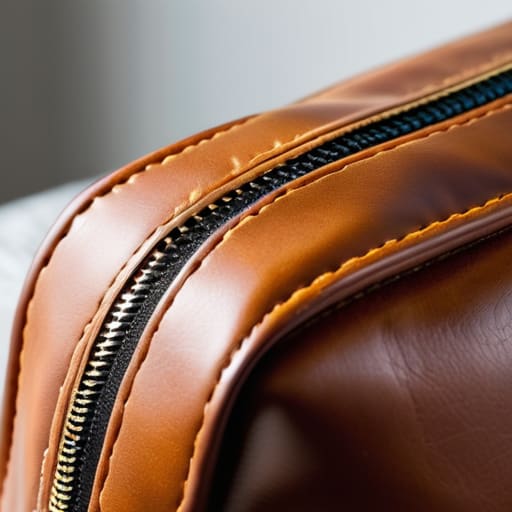
First, stop looking at the lifestyle photos of models lounging in linen on a Mediterranean coast. That’s not a weekend bag; that’s a prop. You need to look at the construction. If you’re looking for the best weekend bag for short trips, your eyes should be on the hardware and the base. A flimsy zipper is a death sentence—it’ll snag the moment you try to shove an extra pair of boots in there. I always check the stitching at the stress points where the handles meet the body. If it’s just a single row of thin thread, walk away. You want reinforced box stitching, or you’ll be holding your belongings by a single loop halfway through your trip.
Next, let’s talk about the actual fabric. This is my unofficial overnight bag material guide: skip the “vegan leather” if it feels like thin plastic, because it will crack and peel within six months of being shoved into an overhead bin. Instead, hunt for heavy-duty canvas or a high-denier nylon. These materials actually handle the friction of travel. Also, keep a sharp eye on luggage weight and dimensions before you tap your card. A bag that is technically “carry-on compliant” but weighs three kilos before you’ve even put a single sock in it is a design failure, not an investment.
Key Things to Know
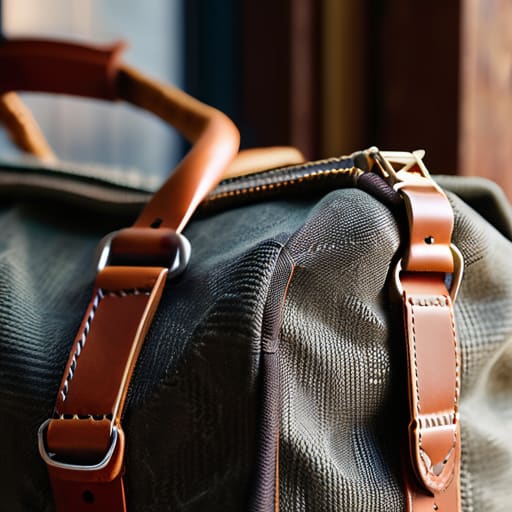
First, let’s talk about the fabric, because this is where most people get burned. Marketing will call something “luxury” if it has a shiny finish, but I want you to look at the weave. If you are looking at an overnight bag material guide, ignore the adjectives and look at the construction. A heavy-duty waxed canvas or a high-denier nylon is what actually survives being shoved into an overhead bin or dragged across a terminal floor. If the material feels thin or “crunchy” in the shop, it’s going to rip at the stress points—usually where the strap meets the body—within three trips.
Second, don’t ignore the math of luggage weight and dimensions. A bag can be beautiful, but if it’s so heavy that you’re already at your limit before you’ve even packed a single pair of jeans, it’s a failure. Look for reinforced base panels and wide, padded straps that won’t dig into your shoulder when the bag is full. I always tell my clients: check the seam allowance on the internal pockets; if they are flimsy, your keys and chargers are going to end up at the bottom of a dark abyss by Saturday night.
Practical Tips and Steps
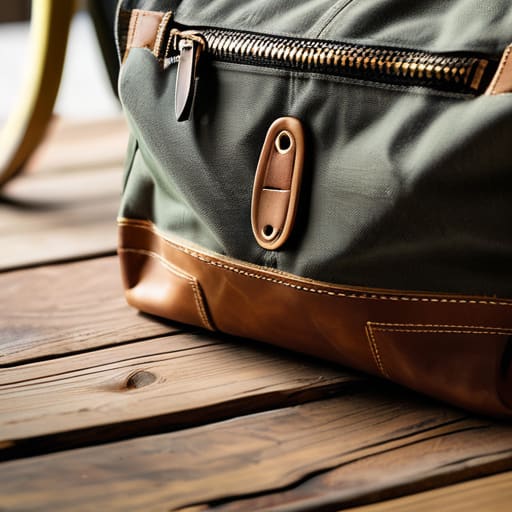
First, stop looking at the aesthetic photos on Instagram and start looking at the hardware. I’ve spent too many hours fixing broken zippers on “designer” bags that were nothing more than glorified nylon pouches. When you’re checking out a potential buy, tug on the seams and test the zipper—if it catches on the fabric immediately, it’s going to fail you by the second trip. For the best weekend bag for short trips, you want something with a structured base. If the bag collapses into a shapeless heap the moment you set it down, your clothes will end up a wrinkled mess at the bottom.
Next, let’s talk about the actual math of your trip. Don’t just guess; check the luggage weight and dimensions against your airline’s specific rules before you tap your card. I always tell my clients to prioritize a heavy-duty canvas or a high-denier nylon; avoid those thin, shiny synthetics that tear if you look at them wrong. If you can, look for a bag with wide, padded straps. A thin strap might look sleek, but it’ll dig into your shoulder like a wire after twenty minutes of walking through a terminal.
Common Mistakes to Avoid
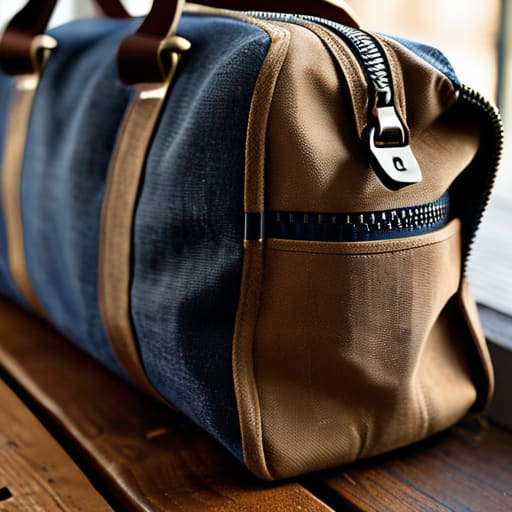
The biggest mistake I see is people falling for the “luxury” trap. You’ll see a designer canvas bag that looks stunning in a studio shoot, but if the stitching is decorative rather than structural, it’s going to surrender the moment you overpack it. Don’t get distracted by a logo; look for reinforced base panels and heavy-duty zippers. A cheap zipper is a nightmare that will split mid-transit, and unlike a hem on a pair of trousers, a broken zipper on a bag is often a death sentence for the item.
Another massive blunder is ignoring luggage weight and dimensions until you’re actually standing at the gate. I’ve seen so many people buy these massive, overstuffed duffels thinking they’re being prepared, only to find they aren’t actually carry-on compliant weekend bags. You end up paying a ridiculous fee just to move a bag that was too heavy to begin with. If you’re looking for the best weekend bag for short trips, remember that volume is your enemy if you can’t maneuver it. If it doesn’t fit in an overhead bin, it’s not a weekend bag—it’s just extra luggage.
Final Thoughts
At the end of the day, stop looking for a bag that looks like a Pinterest board and start looking for one that can actually handle a frantic dash through a train station. If you find a beautiful leather piece that’s too heavy to lift comfortably, you haven’t found a treasure; you’ve found a chore. I always tell my clients to prioritize packing efficiency for weekenders over a specific aesthetic. If the bag is a black hole where your keys and charger disappear into the lining, it doesn’t matter how much it cost—it’s a bad bag.
Check the hardware, feel the weight, and for heaven’s sake, check the dimensions. If you’re aiming for carry-on compliant weekend bags, make sure the handles are reinforced with actual stitching, not just glued on. A bag is just a tool to get your life from point A to point B. If it survives the first three trips without a seam splitting or a zipper catching, you’ve won. Don’t let the marketing convince you that you need a new one every season; just buy the one that actually works.
The non-negotiables: 5 ways to spot a bag that actually lasts
- Check the hardware before you check the logo. If the zippers feel like they’re going to snag on your sleeve or if the metal feels thin and hollow, walk away. A bag is only as good as its weakest seam, and a cheap zipper will ruin a perfectly good canvas bag in three trips.
- Test the strap attachment points. Don’t just look at the strap; look at how it’s joined to the bag. If it’s just a single line of stitching, it’s going to snap the moment you pack a heavy pair of boots. You want reinforced stitching or, ideally, metal D-rings that won’t bend under pressure.
- Do the “weight math” on the fabric. A heavy leather bag looks great in a window, but if you’re flying budget, you’re paying for the bag before you’ve even put a toothbrush in it. Look for high-denier nylon or heavy-duty cotton canvas—materials that have enough structure to hold their shape but won’t weigh you down like a workout stone.
- Inspect the base. If the bottom of the bag is flimsy, it’s going to sag and look like a sad, lumpy sack the second you put anything heavy inside. Look for a reinforced base or a bag with enough internal structure that it can actually stand up on its own in a hotel room.
- Forget the “multi-pocket” marketing lie. Brands love to boast about twelve tiny compartments, but most of them are useless and just make the bag harder to clean. Focus on one large, accessible main compartment and maybe one secure internal zip pocket for your passport. If you can’t find your keys in five seconds, the design has failed you.
The truth about 'travel-ready'
Stop looking at the logo and start looking at the stitching; a designer canvas bag is just a heavy, expensive way to carry your things if the shoulder straps aren’t reinforced with actual webbing, because once that seam gives way in a terminal, no amount of ‘luxury’ branding is going to stop your toothbrush from hitting the floor.
Neve Okonkwo-Barr
The Bottom Line
Look, choosing a weekend bag shouldn’t feel like a math exam, but if you ignore the construction, you’re just paying for a logo that’s going to rip at the seams by your second trip. Remember: check the weight of the canvas, test the strength of the zipper (if it catches once, it’s a death sentence), and for the love of everything, look at the stitching where the straps meet the body. A bag that fits your actual life—not the lifestyle you think you should have—is one that prioritizes durability over branding. If you find something that feels a bit too big or the straps are slightly too long, don’t scrap it; find a local tailor who can reinforce the stress points for the price of a lunch.
At the end of the day, your wardrobe is meant to serve you, not the other way around. You don’t need a collection of “travel essentials” curated by an algorithm; you need a reliable companion that can handle a messy Friday night and a chaotic Monday morning without falling apart. Stop waiting for that perfect, expensive “investment piece” to appear in your feed and start looking for the well-made, honest gear that actually survives the real world. Style isn’t about what you carry; it’s about having things that actually work when you’re halfway to the station.
Frequently Asked Questions
I found a vintage leather bag for next to nothing, but is it actually worth the £40 I’ll have to spend on a cobbler to fix the lining and the zipper?
Let’s do the maths. If the leather is thick, smells like actual leather (not plastic), and the structure is solid, then yes—do it. A £40 fix for a lining and zipper is a steal for a piece that could last another decade. But if the leather is thin or peeling, stop. You’ll spend more on repairs than the bag is worth, and no amount of stitching can fix a dying hide.
Are heavy-duty canvas bags actually better for longevity, or am I just paying more for something that’s going to be a nightmare to clean if it gets caught in the rain?
Canvas is a beast, but it’s a good kind of beast. If you get a high-density cotton duck canvas, it’ll outlast three of those flimsy nylon bags that rip at the seams the second you overpack. Yes, it’ll soak up rain, but it dries out and actually gets better with age. If you’re worried about stains, look for a wax coating—it makes the water bead off and saves you from a scrubbing nightmare.
If I buy a bag that’s slightly too big for my frame, can a tailor actually adjust the strap length or the structure, or am I stuck with a bag that looks like it's wearing me?
If the issue is just the strap length, a tailor or a good cobbler can fix that easily—usually for about the price of a decent lunch. If the bag is structurally too massive for your frame, though, you’re fighting a losing battle. You can shorten a strap, but you can’t shrink the leather or the canvas. Don’t try to “fix” a bag that swallows you; just find one that actually fits your scale.
