I spent two years in a basement studio pinning hems for a bridal shop, and if there is one thing those silk slip dresses taught me, it’s that you can spend a month’s rent on a designer gown and still look like you’re wearing a costume if you pick the wrong footwear. Most fashion magazines want you to believe that “anchoring” a look requires a matching handbag or a specific seasonal trend, but that is total nonsense. The truth about how shoes anchor an outfit has nothing to do with what’s trending on TikTok and everything to do with visual weight and proportion. If you pair a heavy, chunky loafer with a flimsy linen trouser, you aren’t “styling”; you’re just creating a structural mess that makes the clothes look like they’re wearing you.
I’m not here to sell you a new pair of heels or tell you that your wardrobe needs a “refresh.” I’m here to show you how to look at the soles, the heel height, and the fabric weight of what you already own to make sense of your silhouette. We are going to talk about why a sturdy boot can save a cheap blazer and exactly what to look for in a shoe’s construction so you aren’t throwing money away on something that falls apart by October.
Stop Buying More How Shoes Anchor an Outfit
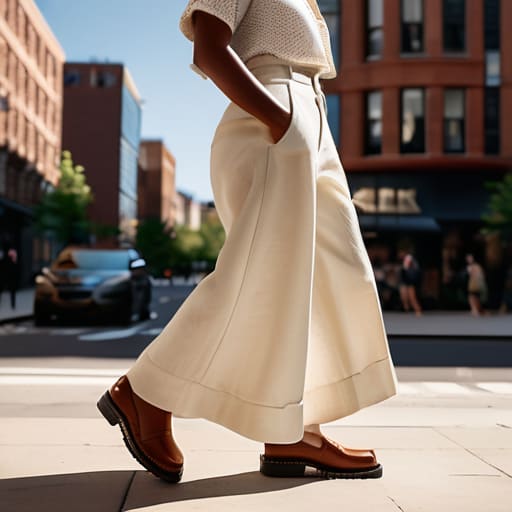
We need to stop treating shoes like an afterthought or a “final touch” you grab because you’re running late. Most people I see in my studio are trying to solve a silhouette problem by adding a bigger bag or a heavier scarf, when the reality is that their outfit feels untethered because of their feet. I’m talking about the impact of shoe silhouette on proportions; if you’re wearing wide-leg trousers that swallow your frame, a flimsy ballet flat isn’t going to save you. You need a shoe with enough visual weight to meet the fabric halfway, or you’ll just look like you’re drowning in linen.
Instead of scrolling through fast-fashion sites for a new pair of “statement” heels, look at what you already own. Effective styling footwear for balance is about physics, not trends. A chunky loafer can ground a delicate midi dress, and a structured boot can make a pair of thrifted jeans look intentional rather than sloppy. Before you tap ‘buy’ on that next impulse purchase, ask yourself if it actually serves as a foundation or if it’s just more clutter.
The Silhouette Secret Styling Footwear for Balance
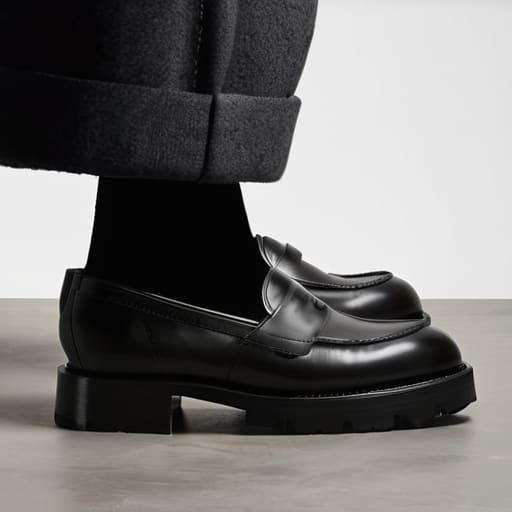
Most people think a “bad outfit” is about the shirt or the trousers, but usually, it’s just a geometry problem. If you’re wearing wide-leg trousers that swallow your feet, you don’t need a new pair of pants; you need to understand the impact of shoe silhouette on proportions. A heavy, chunky loafer can ground a voluminous fabric, whereas a slim, pointed boot might disappear under the hem and make you look like you’re floating. It’s all about where the visual weight sits.
When you’re styling footwear for balance, think of your shoes as the counterweight to your clothes. If you have a lot of structure on top—like a heavy wool blazer or a padded shoulder—a tiny, delicate ballet flat can make the whole look feel top-heavy and unfinished. Conversely, a massive platform shoe with a sheer, lightweight midi dress can look like you’re wearing clown shoes if the fabrics don’t speak the same language. It isn’t about following a rulebook; it’s about making sure your feet aren’t fighting the rest of your silhouette.
Proportions Matter the Impact of Shoe Silhouette
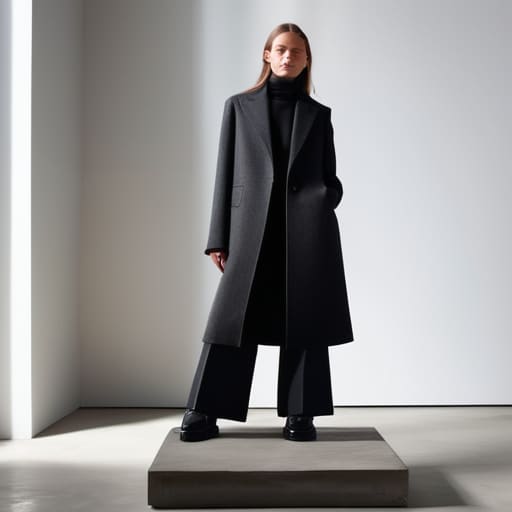
If you’ve ever felt like your legs look strangely truncated or your torso feels like it’s floating, it’s rarely a body issue—it’s a geometry issue. The impact of shoe silhouette on proportions is basically math you wear on your feet. A chunky, lug-soled loafer adds visual weight to the bottom of your frame, which is perfect for balancing out an oversized blazer or a heavy wool coat. But if you pair those same heavy boots with a delicate, slip-style midi skirt, you risk looking like you’re wearing weights at the ankles. You aren’t “unbalanced”; you just haven’t accounted for the visual gravity of your footwear.
Think of your shoes as the anchor point for your entire vertical line. A pointed-toe bootie or a slim ballet flat creates a continuous, lengthening line that works wonders for styling footwear for balance when you’re wearing wide-leg trousers. Conversely, a heavy sneaker can “ground” a breezy, feminine dress, making it feel intentional rather than accidental. It’s about matching the visual weight of what’s happening on your legs to what’s happening on your feet.
Formality Without the Fuss Dressing for Different Levels
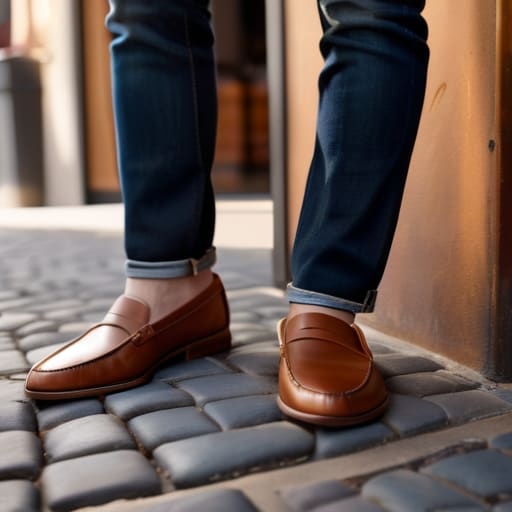
Most people think dressing up means swapping their comfortable sneakers for some stiff, overpriced heel they’ll trip over by 8 PM. That’s a marketing lie. Real style is about matching shoes to clothing aesthetics without feeling like you’re wearing a costume. If you’re trying to level up a pair of straight-leg jeans for a dinner date, you don’t need a stiletto; you need a structured loafer or a clean leather boot. The goal is to bridge the gap between “I just rolled out of bed” and “I actually tried,” using the shoe to dictate the vibe.
When you’re dressing for different formality levels, look at the material, not just the height. A canvas sneaker is casual because of its texture, but a leather trainer can actually pull weight in a smart-casual setting. If you’re wearing a heavy wool trouser, a delicate ballet flat might look visually “thin,” making the outfit feel unbalanced. You want a shoe that has enough visual substance to hold its own against the fabric. It’s not about being fancy; it’s about making sure your feet don’t look like an afterthought.
The Math of Longevity Maintaining Shoe Condition for Style
Here is the reality: you can have the most perfectly balanced silhouette in the room, but if your soles are flapping or your leather is cracked, the whole look collapses. We talk a lot about footwear as a style foundation, but we rarely talk about the maintenance that keeps that foundation from crumbling. I see people spend hundreds on “investment” boots only to let them rot because they didn’t realize that leather is a skin—it needs hydration. If you aren’t using a conditioner once a season, you aren’t saving money; you’re just delaying a very expensive replacement.
If you want to master maintaining shoe condition for style, stop treating your footwear like an afterthought. It’s about the maths of wear: a $20 cedar shoe tree can extend the life of a mid-range loafer by years by absorbing moisture and holding the shape. This is much cheaper than buying a new pair every six months because your cheap ones lost their structure. Whether you are dressing for different formality levels or just trying to survive a rainy Tuesday, a quick buff and a proper protector spray is the difference between looking intentional and looking like you’ve given up.
The "No-Nonsense" Checklist for Making Your Shoes Do the Work
- Check the visual weight before you leave the house. If you’re wearing a heavy, chunky knit sweater and wide-leg trousers, a flimsy, thin-soled ballet flat is going to make you look top-heavy and unbalanced; you need a shoe with some actual substance, like a lug-sole loafer or a boot, to ground the look.
- Stop ignoring the “break” of your trousers. If you’ve spent money getting your hems perfectly tailored to hit right at the ankle, don’t ruin the silhouette by wearing a shoe with a high vamp that cuts off your leg line mid-shin—it makes the whole outfit look accidental rather than intentional.
- Use the “Material Match” rule to save money. You don’t need a designer bag to match your shoes, but you do need the textures to play nice; if you’re wearing a heavy corduroy or denim, a delicate satin shoe will look like it’s fighting for its life, so stick to leather, suede, or canvas to keep the vibe cohesive.
- Evaluate the “Stiffness Factor.” A structured, pointed-toe shoe can instantly sharpen a pair of relaxed, oversized trousers that might otherwise look like pajamas, acting as the structural anchor that tells the world, “Yes, I meant to look this casual.”
- Do the math on the heel. A heel isn’t just for height; it changes the pitch of your entire body. If you’re wearing a long, sweeping skirt that feels overwhelming, a small block heel can shift your center of gravity and give the fabric the movement it needs to look elegant instead of heavy.
The Grounding Truth
Stop looking for a new dress to fix a look that feels “off.” Usually, your outfit isn’t failing because of the fabric; it’s failing because your shoes aren’t doing the heavy lifting. A shoe is the structural anchor of a silhouette—if the weight or the shape is wrong, the whole outfit just floats away from you.
Neve Okonkwo-Barr
The Bottom Line
At the end of the day, stop looking at your shoes as the final accessory and start seeing them as the structural foundation of your entire silhouette. We’ve talked about how the weight of a boot can balance a heavy wool coat, how the wrong toe shape can make your proportions look entirely wonky, and why spending twenty quid on a cobbler to fix a worn heel is a better financial move than buying a new pair of fast-fashion trainers. It isn’t about having a massive collection; it’s about understanding that the right shoe does the heavy lifting so your clothes don’t have to. If you get the base right, the rest of the outfit usually falls into place without you needing to buy a single new thing.
Please, stop letting marketing departments convince you that a “wardrobe refresh” requires a credit card swipe. Real style is found in the way a well-maintained loafer grounds a pair of thrifted trousers, or how a sturdy boot makes a midi skirt feel intentional rather than accidental. You don’t need more options; you need better decisions. Build a rotation that works for a Tuesday morning commute and a Friday night drink, and remember that a shoe that actually fits and is cared for will always outshine a trendy pair that’s falling apart at the seams. Focus on the foundation, and I promise, the rest will follow.
Frequently Asked Questions
I have a great pair of boots, but they make my trousers look awkward and bunched up—is that a shoe problem or a hem problem?
It’s almost certainly a hem problem. If the boot is structurally sound but the fabric is pooling like a landslide around your ankles, you’re fighting physics. You can’t out-style a bad break. Take them to a tailor; getting a tapered hem or a slight crop to hit just above the boot shaft will cost you about £15–£20, but it’ll make a £40 pair of boots look like they were custom-made for you.
How can I tell if a shoe is actually high-quality construction or just expensive marketing that’s going to fall apart in six months?
Flip the shoe over. If the sole is just glued to the upper with zero stitching visible around the edge, run. That’s “cemented construction,” and once that glue fails, the shoe is landfill. Look for a Goodyear welt or Blake stitch—that’s the math of longevity. Also, feel the lining; if it’s synthetic, your feet will sweat and the material will peel by March. Real quality is in the structural seams, not the logo on the insole.
If I can't afford a designer wardrobe, which specific type of shoe should I prioritize spending my money on to make my existing clothes look better?
If you’re choosing where to put your money, skip the “it” boot or the trendy platform. Buy a high-quality, structured leather loafer or a clean, minimalist leather boot. You want something with a solid sole and real stitching—not the kind of glued-together synthetic that loses its shape in three weeks. A sturdy, well-made leather shoe anchors your silhouette and makes even a thrifted pair of trousers look intentional rather than accidental.
