Stop listening to those influencers who swear that a “designer” label is a substitute for actual comfort. I spent two years pinning hems in a basement studio, and if there is one thing I learned, it’s that a hundred-dollar leather boot can feel like a torture device if the last wasn’t built for a human foot. Most people approach shopping like a gamble, hoping that if they just squeeze a little harder, they can make it work, but that is how you end up with blisters and a wasted paycheck. Learning how to buy shoes that fit isn’t about finding the most aesthetic pair on your feed; it’s about understanding the architecture of the shoe and knowing when a brand is lying to you about their sizing.
I’m not here to sell you a lifestyle or tell you that you need a massive wardrobe refresh to look put-together. Instead, I’m going to show you the actual mechanics of a good fit—from checking the toe box depth to understanding why certain materials stretch and others just break. We are going to talk about the math of the purchase, including when it’s worth paying a cobbler to adjust a heel versus when you should just leave the box on the shelf.
Understanding How to Buy Shoes That Fit
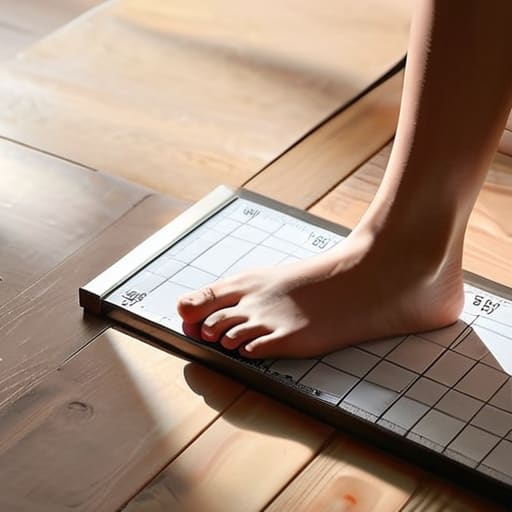
Forget the number on the box. Seriously. If you’re walking into a shop and looking for a “size 8” because that’s what you’ve always been, you’re already losing the battle. Brands are notoriously inconsistent; a 38 in one label is a 39 in another, which is why I always tell people to start by measuring foot length at home with a piece of paper and a ruler before they even leave the house. It’s much harder to argue with a centimeter reading than it is with a marketing department’s arbitrary sizing scale.
Once you have your base length, you have to stop ignoring the volume of your foot. Most people focus on length and completely miss the importance of toe box space. If your toes are being squashed into a point just to look “sleek,” you aren’t wearing a shoe; you’re wearing a torture device that will eventually deform your joints. You need enough room to wiggle. If you feel pressure against the sides of your pinky toe, you aren’t looking for a “break-in period”—you’re looking for a different width. Width is just as vital as length, and if the leather feels like it’s fighting you in the shop, it’ll only get more aggressive by lunchtime.
Key Things to Know
First, let’s talk about the lie that your feet are a static size. They aren’t. They swell, they change with the seasons, and they definitely change from left to right. If you’re relying on a generic number from a website, you’re already losing. You need to prioritize finding the right shoe width rather than just chasing a length. A shoe can be the “correct” length but still feel like a torture device if the volume of your foot doesn’t match the silhouette. This is where most people fail; they see a cute pointed toe and ignore the fact that there is zero importance of toe box space, which is a recipe for bruised nails and a very expensive trip to a podiatrist.
Second, stop ignoring the structural math of your foot. You can’t just eyeball it. I always suggest measuring foot length at home with a piece of paper and a pencil before you even click ‘add to cart,’ because nothing is more frustrating than a “perfect” delivery that feels like a vice. Pay attention to how the midfoot interacts with the sole; if the brand doesn’t respect your specific arch support and foot shape, no amount of breaking them in will make them comfortable.
Practical Tips and Steps
First, stop treating your feet like they’re static objects. They swell. If you’re shopping at 9:00 AM on a Tuesday, you are setting yourself up for a blister marathon by 5:00 PM. Always shop in the late afternoon when your feet are at their largest. While you’re at it, pay actual attention to the importance of toe box space. If your toes are touching the front or being squeezed together like they’re in a crowded tube carriage, put them back. A shoe can be beautiful, but if it lacks room to breathe, it’s just an expensive foot-shaped torture device.
Second, don’t trust the number on the box. A size 6 in one brand is a size 5 in another, and “standard” width is a lie told by marketing departments. You need to focus on finding the right shoe width by feeling where the pressure points hit your metatarsals. If you can, try measuring foot length at home with a piece of paper and a ruler before you even leave the house; it gives you a baseline so you aren’t just guessing based on how a salesperson makes you feel.
Common Mistakes to Avoid
The biggest mistake I see? People treating shoe shopping like a game of “will they stretch?” If you feel a pinch in the shop, that shoe is not going to magically expand into a hug by next Tuesday. Most people ignore the importance of toe box space, squeezing their metatarsals into a point just because the silhouette looks sleek. If your toes are touching the end or feeling crushed on the sides, walk away. You aren’t “breaking them in”; you’re just inviting blisters and long-term foot pain.
Another trap is assuming a size number is a universal truth. A 7 in one brand is a 6.5 in another, and if you aren’t finding the right shoe width for your specific foot shape, you’re going to struggle regardless of the length. I see so many people obsessing over the number on the box while completely ignoring how the arch sits. If the support doesn’t align with your actual anatomy, you’re basically buying an expensive foot massage that ends in agony. Stop shopping for the number and start shopping for the actual shape of your foot.
Final Thoughts
Look, I know it feels easier to just click “buy” on that pair of boots because they look incredible on a model, but your feet aren’t a mannequin’s. If you ignore the importance of toe box space just to get a sleek silhouette, you aren’t saving money; you’re just pre-ordering a very expensive lesson in blisters. Style shouldn’t be a physical endurance test.
Before you commit to anything, do the work. I’m talking about actually measuring foot length at home with a piece of paper and a ruler, rather than guessing based on a number you saw on a random website. Brands are notoriously inconsistent, and a size 7 in one shop is a size 6 in another. If you can’t find a brand that respects your arch support and foot shape, stop trying to force your body into their mold.
At the end of the day, a shoe that fits is the only one that actually stays in your wardrobe. Everything else is just expensive clutter waiting to be donated.
The "No-BS" Checklist for Not Wasting Your Money
- Shop in the afternoon, not the morning. Your feet swell throughout the day just like your hands do when you’ve been typing too long. If you buy a pair of loafers at 9:00 AM that feel “snug but fine,” you are going to be hobbling by 4:00 PM. Treat your feet like they’re going to be active, because they usually are.
- Ignore the “Size 8” sticker on the box. Sizing is a lie told by brands to make themselves feel consistent, but they aren’t. A 38 in one brand is a 39 in another. Stop looking at the number and start looking at the width of the toe box. If your pinky toe is being crushed against a seam, no amount of “breaking them in” is going to fix that without causing a blister.
- Check the “bend point.” Pick up the shoe and bend it. It should flex where your foot naturally bends at the toes, not in the middle of your arch. If the shoe is stiff as a board, it’s going to fight your gait; if it folds like a piece of paper, it has zero structural integrity and will fall apart in three months.
- The “Finger Test” for heels. When you’re trying on boots or high-top sneakers, make sure you can slide one finger behind your heel when your toes are touching the front. If you can’t, you’re going to get friction burns. If you can fit two fingers, the shoe is too big and your foot will slide forward, turning your toes into a pile of bruised grapes.
- Learn to spot a “fixable” fit versus a “lost cause.” If a leather boot is slightly tight across the bridge, a cobbler can stretch it for a relatively small fee. If the actual structure of the heel or the length of the sole is wrong, walk away. Don’t fall for the “it’ll stretch out” myth—leather stretches, but it doesn’t grow.
The Real Cost of a Bad Fit
Stop treating shoes like they’re just an accessory to your outfit; they’re a structural commitment. I’ve seen people drop two hundred pounds on a ‘designer’ heel only to spend the next six months hiding them in a box because the arch doesn’t align with their foot. If the shoe doesn’t respect your anatomy in the shop, no amount of fancy branding is going to make it comfortable by the time you hit the pavement.
Neve Okonkwo-Barr
The Bottom Line
Look, if you’ve taken anything from this, let it be this: stop treating your feet like an afterthought to your outfit. We’ve gone over the math—measure your feet at the end of the day, respect the width of your toe box, and for the love of everything, stop ignoring the friction points before you leave the shop. A shoe isn’t a success just because it looks sculptural on a shelf; it’s a success if you can walk three blocks in it without planning your entire route around benches. If the leather feels like it’s fighting you in the dressing room, it’s going to fight you for the next three years. Buy for the foot, not the aesthetic.
At the end of the day, your wardrobe should serve your life, not the other way around. There is no point in owning a “statement” pair of boots that turns every outing into a survival mission. Real style isn’t about how much you spent or how many trends you’ve chased; it’s about the quiet confidence of knowing your clothes—and your shoes—actually work with your body. Invest your energy into finding that perfect fit, and if you can’t find it off the rack, take them to a cobbler. A little bit of leather stretching or a new insole is a small price to pay for a pair of shoes that actually belongs to you.
Frequently Asked Questions
If I find a pair of designer shoes that are almost perfect but pinch my toes, is it actually worth paying a cobbler to stretch them or am I just throwing money down a drain?
It depends on the material. If they’re genuine leather or suede, yes—pay the cobbler. Leather has memory; it can be stretched to accommodate your foot shape without losing its integrity. But if they’re synthetic, faux-leather, or heavily embellished, stop right there. Plastic doesn’t stretch; it just snaps or cracks. If you’re trying to “fix” a cheap synthetic shoe, you’re just throwing money down a drain. Know your fabric before you pay the fee.
How can I tell if a shoe is built to last just by looking at the construction, or is the "quality" label usually just expensive marketing?
Marketing loves the word “luxury,” but luxury is often just a high markup on a glued-together sole. If you want to see if a shoe is actually built to last, look at the welt. A stitched welt (like Goodyear) means a cobbler can actually replace the sole when it wears down. If the sole is just glued on with no visible stitching, it’s a disposable shoe. Don’t pay for the logo; pay for the construction.
My feet change size depending on the time of day—should I be shopping in the morning or is there a better way to make sure they won't be killing me by 4 PM?
Shop in the late afternoon. Your feet swell throughout the day—gravity and walking are doing their work—so if a shoe feels “snug but fine” at 10 AM, it’s going to be a torture device by 4 PM. Always test the fit when your feet are at their largest. And don’t just check the length; make sure there’s enough volume for that swelling. If you’re fighting the leather at 3 PM, you’ve already lost.
