I spent three years in a basement studio pinning hems for bridal gowns, and if there is one thing I learned, it’s that most “style guides” are just expensive ways to make you feel incompetent. I’m so tired of seeing influencers pretend that a massive, chunky knit wrap is a casual accessory when it actually requires a professional stylist and three safety pins just to keep it from sliding off your shoulder the second you step into the wind. We need to stop pretending that complicated knots are a requirement for looking put-together; honestly, if you’re spending ten minutes in front of a mirror fighting with a piece of wool, you aren’t learning how to wear a scarf without fuss, you’re just performing for an audience that isn’t there.
I’m not here to show you a dozen decorative loops that will unravel before you reach the bus stop. Instead, I’m going to talk to you about fabric weight and drape—the actual mechanics of why a scarf stays put. I’ll show you how to choose materials that won’t pill after two wears and the three specific ways to tie them that actually work for a normal Wednesday. No fluff, no “must-have” trends, just practical ways to stay warm without looking like a marshmallow.
Understanding How to Wear a Scarf Without Fuss

The biggest mistake people make is treating a scarf like an afterthought rather than a structural part of their outfit. If you’re fighting with a massive, chunky knit that keeps sliding off your shoulders, you aren’t “styling” it; you’re just wrestling with wool. To actually master easy scarf styling techniques, you have to respect the weight of the fabric. A heavy, oversized blanket scarf is great for a walk in the park, but if you try to tuck that into a slim-cut wool coat, you’re going to look like you’re wearing a life jacket. You need to match the bulk of the accessory to the silhouette of your outerwear.
If you want to avoid that frantic, mid-commute readjustment, stop looking at the latest winter accessory trends that prioritize “the look” over actual physics. Instead, focus on the drape. For most of us, the goal is a knot that stays put without needing a safety pin. I always tell my clients that the secret to quick scarf wraps for beginners isn’t a complex knot—it’s finding the right tension. If the fabric is too slippery, like a cheap synthetic blend, no amount of looping will save you. Look for natural fibers with a bit of “grip,” like brushed cotton or a decent wool mix, so it actually sits where you put it.
Key Things to Know

First, let’s talk about the physics of it. A scarf isn’t just a piece of fabric; it’s a structural element. If you’re trying to follow every one of the latest winter accessory trends that involve massive, sculptural knots, you’re going to spend half your morning fighting a losing battle against gravity. The secret to quick scarf wraps for beginners isn’t complexity; it’s understanding the weight of your material. A heavy, chunky knit needs a loose drape to avoid making you look like you’re wearing a neck brace, whereas a lightweight silk needs a knot that actually has some grip, or it’ll slide down your chest before you’ve even reached the bus stop.
Second, look at your coat’s collar. If you have a high, structured neckline, don’t try to jam a massive wool wrap into that space. You’ll end up with a lump of fabric that ruins the line of your silhouette. Instead, look for versatile scarf styling tips that prioritize the integrity of the garment. If you’re wearing a slim-cut trench, a single loop or a simple toss is your best friend. Don’t overcomplicate the math; if the scarf is fighting the coat, one of them has to go.
Practical Tips and Steps
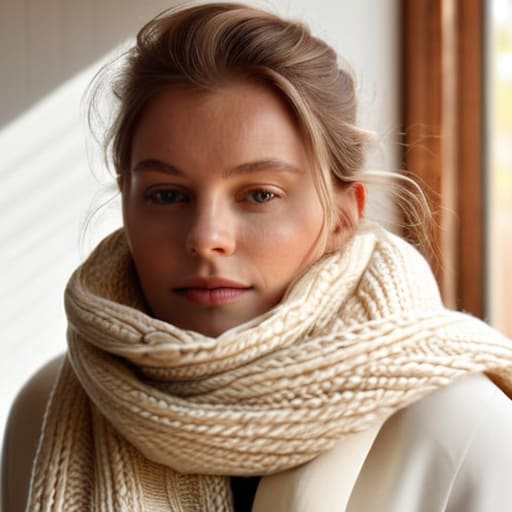
First, look at the weight of the fabric before you even touch your neck. If you’re trying to wrap a heavy, chunky knit scarf using delicate quick scarf wraps for beginners, you’re going to end up looking like you’ve lost a fight with a sheep. For those thick wools, keep it simple: a single loop through the center and draped over the shoulders. It stays put because the friction of the knit does the work for you, rather than you fighting a losing battle against gravity.
If you’re dealing with something lighter, like a silk or a fine cashmere blend, stop trying to tie massive, structural knots that just collapse by lunchtime. Instead, try styling silk scarves effortlessly by using a simple loose knot tucked under a coat collar. This keeps the silhouette clean and prevents that annoying “spilled milk” look where the fabric just hangs limply. The goal isn’t to follow every fleeting trend; it’s to find versatile scarf styling tips that actually respect the drape of the material. If it feels like you’re constantly readjusting in the mirror, the knot is too complex for the fabric weight.
Common Mistakes to Avoid
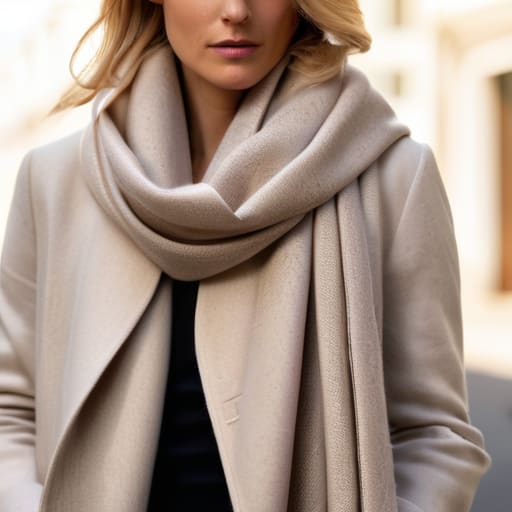
The biggest mistake I see is people trying to fight the weight of the fabric. If you’re trying to use quick scarf wraps for beginners with a heavy, chunky knit that’s actually a cheap acrylic blend, you’re going to end up looking like you’re wearing a neck brace. Acrylic doesn’t drape; it just sits there, stiff and static-heavy, fighting against your coat. If the fabric feels scratchy or lacks any real “give,” no amount of clever knotting will make it look intentional. You’ll just look like you’re struggling with a piece of laundry.
Another trap is falling for those fleeting winter accessory trends that prioritize a “look” over actual physics. I see people trying to wrap thin, flimsy scarves multiple times to create volume, but it just ends up looking messy and uneven. It’s a volume problem, not a style problem. Instead of layering thin layers that slide around every time you move, find one decent weight of wool or cashmere. It’s much easier to achieve a polished silhouette when the material actually has enough structural integrity to hold a shape without constant readjusting.
Final Thoughts
Look, at the end of the day, a scarf shouldn’t feel like a structural engineering project you have to solve every morning before work. If you’re spending ten minutes in front of the mirror fighting a piece of knitwear, you’ve already lost. The goal isn’t to chase every fleeting winter accessory trend that lands on your feed; the goal is to find a few versatile scarf styling tips that actually work with the coat you already own.
Stop overthinking the “perfect” look. Whether you’re using quick scarf wraps for beginners just to keep the wind off your neck or trying to figure out how to drape a heavier wool without looking like you’re wearing a duvet, remember that fabric weight dictates the vibe. If the material is too thick for the knot, let it go. A scarf is meant to serve your wardrobe, not become a chore. Pick a reliable method, check your reflection once, and get out the door. You have better things to do on a Wednesday than battle a piece of fabric.
The 'No-Fuss' Cheat Sheet
- Check the weight before you knot it. If you’re trying to wrap a heavy, chunky knit scarf three times around your neck, you aren’t styling it—you’re building a neck brace. For a quick, effortless look, stick to mid-weight wools or cashmere that drape rather than bulk.
- Match the scale of the scarf to your coat’s lapel. If you’re wearing a slim-cut trench, a massive oversized blanket scarf is going to swallow your frame and make you look like you’re hiding. A smaller, rectangular scarf tucked into the neckline keeps the lines clean.
- Use the ‘one-loop’ rule for busy mornings. Don’t bother with complex knots that will unravel the second you walk through a door. Drape it once, loop it once, and let the ends hang. It stays put, it looks intentional, and it takes five seconds.
- Mind the fabric friction. If you’re wearing a delicate silk blouse under your scarf, a rough, heavy-weave linen scarf is going to pill your shirt by lunchtime. Match your textures: smooth on smooth, or heavy on heavy.
- Stop fighting the slip. If your scarf keeps sliding off your shoulders, it’s likely because the fabric is too synthetic and slippery. Look for natural fibers like wool or cotton blends; they have enough “grip” to stay exactly where you put them without needing a dozen safety pins.
The math of the drape
Stop trying to perform a magic trick every time you leave the house; if your scarf requires a structural engineer and three safety pins just to stay around your neck, you haven’t styled an accessory, you’ve just created a chore. Pick a weight that matches your coat, drape it once, and let the fabric do the work so you can actually get on with your Tuesday.
Neve Okonkwo-Barr
The Bottom Line on Scarves
At the end of the day, wearing a scarf without fuss comes down to respecting the physics of the fabric. If you’ve stopped fighting the bulk, checked that your knot isn’t swallowing your chin, and matched the weight of the wool to the weight of your coat, you’ve already won half the battle. Remember that a scarf shouldn’t be an afterthought you’re constantly readjusting in the mirror; it should be a functional layer that actually works with your silhouette rather than fighting against it. Whether you’re opting for a simple drape or a more structured wrap, the goal is to let the garment do the heavy lifting so you don’t have to.
Please, stop waiting for a “perfect” scarf to arrive in the mail to fix your winter wardrobe. Style isn’t about owning the most expensive cashmere wrap that requires a PhD to tie; it is about knowing how to manipulate what you already have in your cupboard to make it look intentional. A well-loved, slightly pilled wool scarf that is draped correctly will always look more polished than a luxury silk piece that’s constantly slipping off your shoulders. Master the mechanics, ignore the marketing, and just focus on making sure your clothes are working for you, not the other way around.
Frequently Asked Questions
My scarf keeps sliding off my shoulders every time I move; is it the fabric or am I just doing it wrong?
It’s usually a bit of both. If you’re wearing a slippery silk or a high-sheen synthetic, you’re fighting physics; those fabrics have zero “grip.” But even with wool, if your scarf lacks weight or a bit of texture, it’ll migrate. Try a heavier weave or a simple knot to anchor it. If you love the slippery one, tuck it under your coat lapels—it’s a £5 fix for a problem that feels way more expensive.
Is it actually worth paying a tailor to shorten a scarf, or should I just buy a new one?
Don’t buy a new one. Most scarves aren’t “structured” garments, so you aren’t paying for complex tailoring—you’re paying for a clean edge. If it’s a heavy wool or a knit, a tailor can trim and re-finish the ends for the price of a lunch. If it’s a cheap polyester blend that’s fraying, let it go; the fabric won’t hold a new hem. But if the material is good, fix it. It’s cheaper than a replacement.
How do I layer a chunky knit scarf without making my winter coat look twice as bulky?
The problem is usually the “volume battle.” If you’re wearing a heavy wool overcoat, don’t try to wrap a massive, chunky knit three times around your neck—you’ll look like you’re wearing a life jacket. Instead, use the scarf as a structural element. Drape it long and let it hang down the front of your coat, or use a single, loose loop. If the scarf is too thick to tuck, your coat’s lapels are likely too narrow.
