Stop letting brands convince you that a “designer” scarf is some holy grail of winter styling. I’ve spent enough time hunched over a sewing machine to know that a £300 silk wrap from a flagship store is often just a thin, glorified piece of polyester-blend scrap that won’t even keep your neck warm in a light breeze. Most people approach learning how to choose a scarf by looking at the label and the price tag, but that is exactly how you end up with a wardrobe full of expensive clutter that pills after two wears. If you aren’t checking the weave density or the fiber content, you aren’t shopping; you’re just being marketed to.
I’m not here to sell you on “seasonal trends” or tell you that you need a different shade of beige for every month. Instead, I’m going to show you how to spot a heavy wool weave that actually holds its shape and which “luxury” blends are a complete waste of your money. We are going to talk about weight, friction, and actual durability. By the end of this, you’ll know exactly how to pick a piece that survives a decade of commutes rather than just one season of Instagram posts.
Stop Buying Trends How to Choose a Scarf That Lasts
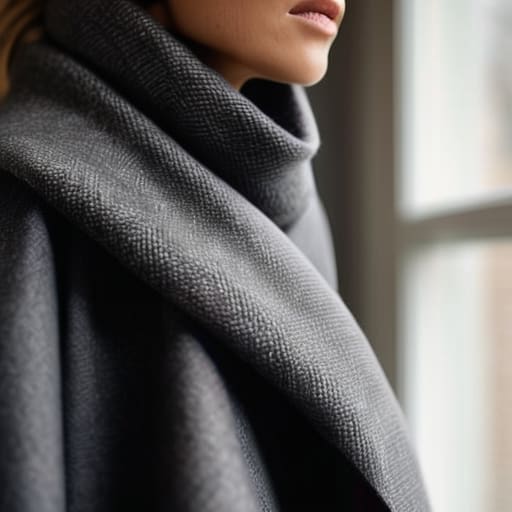
Stop chasing those micro-trend scarves you see all over TikTok—the ones with the neon patterns or the weirdly specific “it-girl” shapes that look dated by next Tuesday. If you buy a scarf just because it’s “in,” you’re essentially paying for a piece of landfill. I’ve seen too many people drop forty quid on a trendy acrylic blend that pills the second it touches a wool coat. Instead, look at the construction. A scarf should be a tool for warmth, not a costume.
When you’re actually looking at winter scarf materials, ignore the marketing fluff and go straight for the fiber content tag. If you’re debating cashmere vs wool warmth, remember that a high-quality merino wool will often outlast a cheap, thin cashmere blend that loses its shape after one season. If you have reactive skin, skip the synthetics entirely and look for organic cotton or pure silk; they are the best scarf fabrics for sensitive skin because they don’t trap those tiny, itchy plastic fibers against your neck. Buy the weight and the weave, not the logo.
The Math of Warmth Cashmere vs Wool Warmth Realities
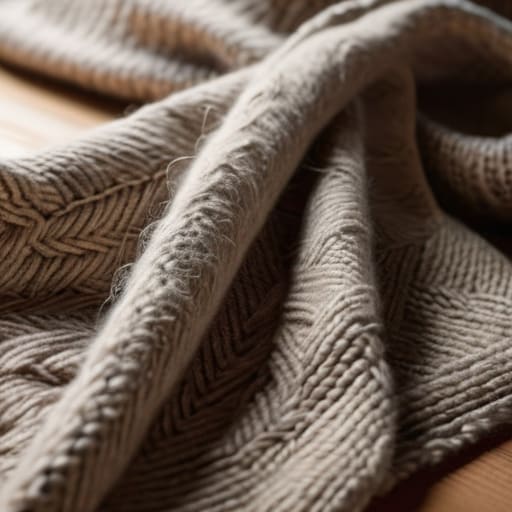
Marketing will tell you that cashmere is the only way to stay warm, but if we’re looking at the actual maths of heat retention, it’s not that simple. Cashmere is incredibly light and soft, which is great for a delicate layer, but it lacks the structural density of a heavy wool. If you are actually walking through a wind tunnel in February, a high-quality cashmere vs wool warmth comparison usually favors the wool. Wool fibers have a natural crimp that creates tiny air pockets, trapping heat far more effectively than a thin, flimsy cashmere knit that lets the draft right through.
Then there is the cost-per-wear reality. A “luxury” cashmere scarf might cost you £150, but if it’s low-grade, it will pill and lose its shape within a month. I’d much rather you spend £40 on a dense, boiled wool scarf that can survive a decade of heavy use. If you have a hard time with scratchy textures, don’t just default to cashmere; look for best scarf fabrics for sensitive skin like merino wool, which offers that same softness without the “luxury” markup or the fragility.
Skin and Fiber Best Scarf Fabrics for Sensitive Skin
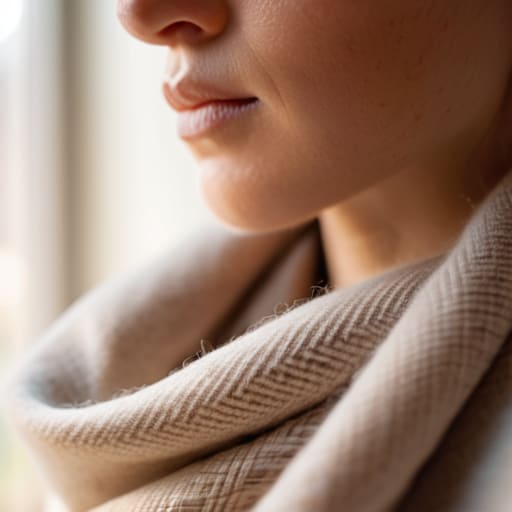
If you have ever spent an entire afternoon scratching at your neck because your “cozy” new knit feels like a pile of dried grass, you’ve fallen victim to poor fiber selection. Marketing will tell you that everything is “soft-touch,” but that’s usually just a lie told by a chemical finish that washes off in a month. When you are looking for the best scarf fabrics for sensitive skin, you have to look past the label and actually feel the micron count—or at least how the fiber reacts to your pulse point.
Pure silk or high-grade long-staple cotton are your best friends if you have reactive skin, but let’s be real: they won’t keep you warm in a January gale. For actual heat, you want a fine merino. Unlike the cheap, short-staple wools found in most high-street shops, merino has much finer fibers that don’t poke the skin. It’s the difference between a gentle hug and a mouthful of needles. If you’re stuck between cashmere vs wool warmth and your skin is finicky, invest in a high-quality merino blend rather than a budget cashmere that’s been heavily processed and will leave you itchy by lunchtime.
Geometry and Proportion Scarf Styling for Different Face Shapes
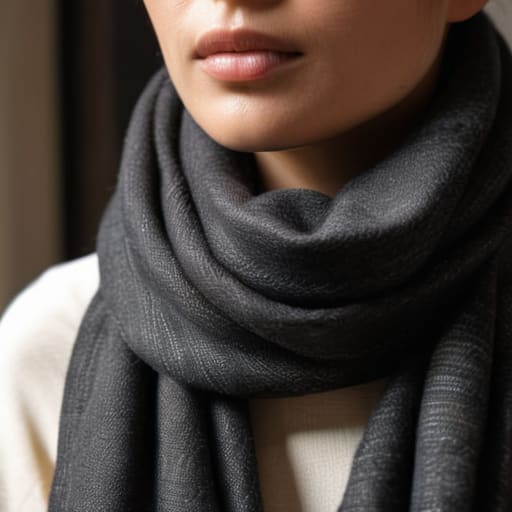
Most people treat a scarf like a random piece of fabric they just wrap around their neck until they stop feeling cold, but if you have a very sharp, angular jawline, a massive, bulky knit can actually make you look like you’re being swallowed by a cloud. If you have a softer, rounder face, you want to avoid those tiny, flimsy silk wraps that offer zero structure; they just emphasize the lack of definition. Instead, look for something with a bit of architectural weight—a medium-weight wool that you can drape to create vertical lines.
When we talk about scarf styling for different face shapes, it’s all about balancing your natural proportions. If you have a long face, avoid the “infinity loop” look that creates a heavy horizontal line right under your chin; it’ll make your face look even longer. You want something you can let hang long and loose to break up that verticality. Conversely, if you have a shorter neck, don’t go for the massive, oversized “blanket” scarves that are trending this year. They’ll make you look like you’re wearing a costume. Aim for a cleaner tuck that shows just a hint of your collarbone to keep your silhouette from looking cluttered.
Beyond the Hype Decoding Winter Scarf Materials and Length
Forget the “limited edition” tags and the influencers posing in oversized, flimsy knits that look great for a photo but offer zero actual protection against a draft. When we talk about winter scarf materials, the real litmus test isn’t how many colors they offer, but the density of the weave. A loosely knit scarf might look cozy, but the wind will cut right through it. If you’re looking for something that actually performs, you need to check the weight. A heavy-gauge wool or a dense viscose blend will hold its shape and trap heat far better than those trendy, paper-thin acrylics that pill the moment they touch your chin.
Then there is the physical dimension of the thing. Most people ignore how to measure scarf length until they’re standing in a fitting room realizing a “standard” scarf is actually a glorified necktie. If you want versatility—meaning you can wrap it twice for warmth or drape it loosely for a professional look—aim for at least 180cm. Anything shorter is just a decorative strip that fails the moment the temperature drops. Don’t let the marketing convince you that “mini” is a style; in my experience, length equals utility.
The Scarf Survival Checklist: 5 Things to Check Before You Tap 'Buy'
- Check the weight, not just the color. A thin, flimsy knit might look cute in a studio photo, but if it doesn’t have enough substance to hold its own shape when you drape it, it’s going to look like a sad piece of lint around your neck by mid-January.
- Do the ‘pinch test’ on the edges. If you can feel the individual, scratchy fibers through the fabric with just a light pinch, it’s going to migrate into your skin and drive you mad by the end of the day. Real quality feels dense and smooth, not airy and loose.
- Look at the hem finishing. If the edges are just raw or have a cheap, thin overlock stitch that looks like it could unravel if you sneeze, walk away. You want a substantial rolled hem or a sturdy weave that can handle being tossed into a bag without fraying.
- Mind the length-to-bulk ratio. If you’re buying a massive, chunky oversized scarf, make sure you actually have the coat volume to support it. A heavy scarf paired with a slim-cut puffer jacket creates a neck silhouette that looks accidental rather than intentional.
- Ignore the ‘Luxury’ label and check the composition tag. If it says ‘Soft Touch’ or ‘Cashmere Feel’ but the tag is 100% acrylic, you aren’t buying a scarf; you’re buying a glorified piece of plastic that will pill into a mess after three wears. Stick to the real stuff or don’t bother.
The Real Cost of a Scarf
Stop looking at the pattern and start looking at the weave; a trendy print won’t keep you warm if the fabric is so thin it lacks structural integrity, and I’d much rather you spend twenty quid on a heavy, honest wool that actually holds its shape than fifty on a ‘luxury’ blend that pills the second it touches your chin.
Neve Okonkwo-Barr
The Final Stitch
At the end of the day, picking a scarf isn’t about chasing a seasonal color palette or buying whatever looks “expensive” on a mannequin. It’s about understanding the tension between the fiber and your actual life. You need to know if that wool is going to itch your neck into submission by Tuesday, if the length actually works with your favorite coat, and if the weight of the fabric is enough to keep the wind out without making you look like you’re wearing a duvet. Stop looking at the brand name and start looking at the weave and the edges. If the hem is fraying in the shop, it won’t survive a single season in your bag.
My best advice? Buy for the person you are on a rainy, freezing Wednesday morning, not the person you imagine yourself to be on a curated Instagram feed. A scarf is a tool, not a trophy. When you prioritize substance over silhouette, you stop being a victim of the trend cycle and start building a wardrobe that actually serves you. You don’t need a closet full of “statement” pieces that fall apart; you just need a few well-made, well-chosen pieces that make you feel secure. Now, go find something that actually lasts.
Frequently Asked Questions
I found a beautiful vintage silk scarf at a charity shop, but is it actually worth the effort of getting it cleaned and repaired?
Check the edges first. If the silk is fraying or the weave is thinning near the seams, the repair cost will likely exceed the scarf’s actual value. Silk is finicky; professional dry cleaning isn’t cheap, and if the fabric has “shattered” (that brittle, crunchy feeling), it’s a lost cause. But if it’s just a loose thread or a small snag, spend the £15 on a specialist. A vintage silk piece with a solid weight is a steal.
If I buy a massive, oversized blanket scarf, can a tailor actually adjust the weight or shape so it doesn't swallow my entire frame?
Short answer: No. You can’t “tailor” weight, and trying to reshape a massive knit is a recipe for a structural disaster. If you take a heavy blanket scarf to a seamstress, she’ll just be fighting the drape of the fabric, and you’ll end up with awkward, bulky seams that look like a mistake. If it swallows you, it’s a size issue, not a fit issue. Save your money; buy a scarf that actually respects your proportions.
How do I tell if a "wool blend" is actually a decent piece of knitwear or just a pile of cheap acrylic that's going to pill after two wears?
Check the label, but don’t trust it blindly. If the “wool blend” is more than 30% acrylic, run. Acrylic is basically plastic; it doesn’t breathe, it traps sweat, and it pills the second it touches your chin. Grab the fabric and give it a gentle tug—if it snaps back instantly, it has decent memory. If it feels limp or suspiciously “fuzzy” in the shop, that’s just loose synthetic fibers waiting to turn into a ball of lint.
