Stop letting a salesperson convince you that a designer gradient lens is a “lifestyle upgrade” just because it looks expensive on a display stand. I’ve spent enough time in fitting rooms and studios to know that most people are being sold a aesthetic, not a utility. They’ll push a heavy, dark tint because it looks chic, but they won’t tell you that you’re actually sacrificing depth perception for a vibe. Understanding how lens tints affect vision isn’t about picking the color that matches your outfit; it’s about knowing whether that specific wavelength is going to help you see the curb in front of you or just give you a massive headache by three in the afternoon.
I’m not here to give you a lecture on optical physics or sell you on “premium” coatings that cost more than a decent pair of boots. My promise is much simpler: I’m going to break down the actual math of light and color so you can stop overpaying for vanity. We’re going to look at which tints actually improve contrast and which ones are just expensive filters that muddy your world. I’ll tell you exactly what to look for so you can buy a pair that actually works for your eyes, not just your Instagram feed.
Stop Buying Colors You Cant See Through the Math of Tint Density
Look, I see this all the time in the shop: someone falls in love with a pair of amber-tinted aviators because they look “vibey,” but they have no idea they’re actually sabotaging their own sight. It’s not just about aesthetics; it’s about the physics of what’s hitting your retina. When you pick a shade that is too dark for your actual environment, you aren’t just “dimming the lights”—you are forcing your pupils to dilate in a way that can actually tank your visual acuity and light transmission. If the tint is too heavy for a cloudy afternoon, your brain starts working overtime to compensate for the lack of detail, and that is exactly how you end up with a tension headache by 3 PM.
You need to stop treating lens color like a fashion accessory and start treating it like a tool. There is a massive difference between a lens designed for glare reduction technology in high-altitude sun and a cheap fashion tint that just muddies your world. If the tint density doesn’t match the light levels you’re actually standing in, you aren’t seeing the world more clearly; you’re just seeing a low-resolution version of it. Always ask yourself: is this color helping me see the texture of the pavement, or is it just a wall of pigment?
How Lens Tints Affect Vision and Your Visual Acuity
Here is the reality: a lens isn’t just a piece of colored plastic; it is a filter that dictates how much information your brain actually receives. When we talk about visual acuity and light transmission, we aren’t just being academic. If you pick a tint that is too dark for a cloudy afternoon, you aren’t “protecting” your eyes; you are forcing your pupils to dilate in a way that actually makes everything look muddy and indistinct. You end up squinting more, which is a fast track to a tension headache by 3 PM.
It’s also about how much “noise” is in your field of view. High-quality glare reduction technology doesn’t just dim the world; it cleans it up. If you’re wearing a cheap, gradient tint that lacks proper filtration, you might feel like you’re looking through a dirty window. I see people all the time buying “fashion” lenses that look great in a mirror but fail the moment they step into harsh sunlight because the optical clarity in different lighting is nonexistent. You shouldn’t have to trade your ability to see sharp edges for a specific shade of rose or blue.
The Real Cost of Eye Fatigue and Tint Color Mistakes
Look, I spend my days looking at how fabric drapes over a shoulder, but I know a bad fit when I see one—and a lens that doesn’t match your environment is just a bad fit for your face. If you pick a tint that is too dark for a cloudy afternoon, you aren’t being “fashionable”; you are forcing your pupils to work overtime to find any scrap of light. This is where eye fatigue and tint color become a genuine issue. When the light transmission is too low for the setting, your ocular muscles end up doing a frantic little dance just to keep things in focus, leaving you with a dull headache by 3 PM.
It’s not just about being able to see; it’s about how much effort it takes to stay functional. If you’re chasing a specific aesthetic but ignoring optical clarity in different lighting, you’re basically buying a garment that looks great on the rack but falls apart after one wash. Don’t let a salesperson sell you on a heavy gradient just because it looks “chic” in the shop window. If the shading doesn’t actually manage the light levels of your daily life, you’ve just paid for a very expensive way to feel tired.
Optical Clarity in Different Lighting Beyond the Aesthetic Hype
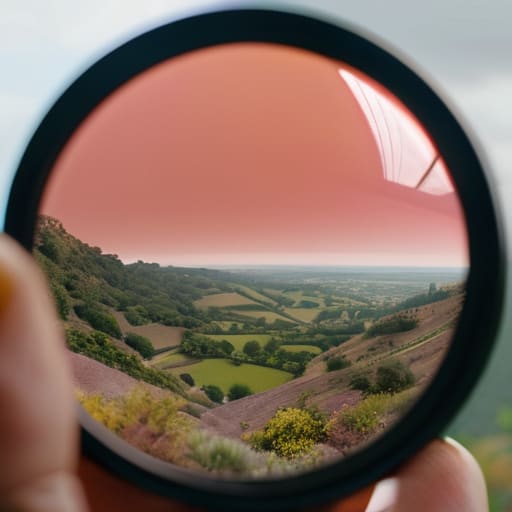
Look, I spend half my life looking at how fabric drapes, but I know a thing or two about how light hits a surface. Just like a cheap polyester blend looks “off” under fluorescent office lights compared to natural sunlight, your lenses are going through a massive shift in performance depending on your environment. People get seduced by a pretty rose-colored tint because it looks “vibey” on Instagram, but they completely ignore optical clarity in different lighting. A tint that looks dreamy in a filtered photo might actually turn a bright, overcast afternoon into a muddy, low-contrast mess.
If you’re moving from a dim café to a high-glare street, your eyes are working overtime to compensate for the shift. This is where the technical side—the stuff marketing teams usually gloss over—actually matters. You aren’t just buying a color; you are managing visual acuity and light transmission. If the lens shading is too aggressive for the ambient light, your pupils dilate too much, and you end up straining just to resolve basic shapes. Don’t let a salesperson sell you on a “lifestyle” look if it means you’ll be squinting through a dark haze every time you step outside.
Mastering Glare Reduction Technology and Spectacle Lens Light Filtration
Let’s stop treating polarized lenses like some magical, high-end luxury upgrade and start looking at them as a functional necessity. When you’re dealing with harsh surfaces—think wet pavement after a rain or the hood of a car—standard tints just make everything darker. You aren’t actually solving the problem; you’re just squinting through a colored veil. Real glare reduction technology works by filtering out the horizontal light waves that bounce off those surfaces and hit your eyes like a physical punch. If you’re choosing lenses based solely on how “cool” a gradient tint looks in the mirror, you’re missing the point of why we wear them in the first place.
It’s a delicate balance between blocking the chaos and maintaining your visual acuity and light transmission. If a lens is too aggressive with its filtration, you’ll find yourself leaning forward or straining to see details in the shadows, which is a fast track to a tension headache by 3 PM. I always tell my clients: don’t let a salesperson sell you on a “premium” coating if they can’t explain how it handles transitionary light. You want a lens that manages the brightness without turning the world into a muddy, low-contrast mess.
Don't let the aesthetic win: 5 ways to choose tints that actually work
- Stop picking tints based on how they look in a mirror. A deep purple or a heavy blue might look “vibey” on your face, but if the density is too high for your daily light levels, you’re just forcing your pupils to work overtime. If you can’t see the texture of the pavement clearly, the tint is too aggressive for your lifestyle.
- Match the tint to the task, not the outfit. If you’re driving, you need a neutral grey that reduces brightness without messing with your color perception—you don’t want a sunset-orange lens making a stoplight look like a suggestion. For bright, outdoor stuff, a brown or amber tint boosts contrast, which is the difference between seeing a curb and tripping over it.
- Check the “math” of the light filtration. A cheap pair of sunglasses might darken your vision, but if they don’t have proper UV filtration, you’re actually making your eyes more vulnerable by dilating your pupils without blocking the harmful rays. It’s like wearing a thin shirt on a sunburn day; it looks like coverage, but it’s not doing the job.
- Consider the weight of the light. If you’re moving from a bright street into a dim shop, a heavy, dark tint is going to make you feel like you’re walking through soup. If you can’t afford high-end photochromic lenses that adjust automatically, just buy two pairs: a light tint for overcast/indoor transitions and a heavy one for high noon.
- Beware of the “fashion tint” trap. Many brands sell lenses that are tinted just for the look but lack the optical clarity required for actual vision. If the lens has a slight wave or distortion when you tilt your head, it’s poorly manufactured. A good lens should be invisible to your brain; if you’re constantly adjusting your focus, the tint is a failure.
## The cost of looking good vs. seeing well
“Stop treating lens tint like it’s just a color choice for your outfit. If you pick a dark, muddy gradient just because it looks ‘chic’ in the mirror, you aren’t buying an accessory—you’re paying for a headache. A tint that looks expensive but kills your contrast is just a very pretty way to go blind to your surroundings.”
Neve Okonkwo-Barr
Stop paying for the aesthetic, start paying for the sight
Look, we’ve spent a lot of time talking about the technicalities, but here is the bottom line: a lens tint isn’t a fashion accessory, it’s a tool. If you’re choosing a tint just because you think a dark gradient looks “expensive” or “chic” while ignoring how it actually handles light density or glare, you are essentially buying a very pretty way to get a migraine. We’ve covered how density dictates your clarity, how color shifts your perception, and why that “designer” tint might actually be failing you in anything other than perfect sunlight. Don’t let a salesperson convince you that a lens is just a piece of colored plastic; it is a piece of optical engineering that needs to match your actual life, not a mood board.
At the end of the day, I want you to stop treating your eyewear like a seasonal trend and start treating it like a piece of essential kit. You wouldn’t wear a heavy wool coat in July just because it looks “classic,” so don’t force your eyes to work through sub-par tinting just because it looks good in the mirror. Real style is about things working exactly the way they are supposed to. When you find that perfect balance between functional clarity and visual comfort, you stop thinking about your glasses entirely—and that is the ultimate goal. Build a kit that lets you actually see the world, rather than one that just makes you look like you’re trying too hard.
Frequently Asked Questions
If I buy a pair of high-end designer sunglasses with a heavy tint, can a local optician actually adjust the density or clarity if it's too dark for my driving?
Short answer: No. You can’t “un-dye” a lens. If you buy a designer frame with a heavy tint, that’s a permanent chemical or physical property of the material. An optician can adjust the nose pads or the temples so they sit better on your face, but they can’t change the light filtration. If it’s too dark for driving, you’ve just bought a very expensive, very pretty headache. Check the tint density before you tap your card.
Is it worth paying the extra markup for polarized lenses, or am I just paying for a brand name when a standard tint would do the job?
Here’s the math: if you’re sitting in a car or near water, polarization isn’t a luxury, it’s a necessity. A standard tint just makes everything darker—it’s like wearing sunglasses in a dim room. Polarization actually cuts the glare bouncing off the road. Don’t pay for a logo, but do pay for the tech if you’re driving. If you’re just walking to a cafe, a basic tint is fine. Don’t overspend on the name.
How do I know if a lens is actually filtering light or if it's just a cheap plastic film that's going to give me a headache by noon?
Look, don’t let a salesperson sell you on “aesthetic” tints that are just dyed plastic. If the color is just a surface coating, it’ll wash out the moment you step into real light, leaving you squinting through a muddy mess. Real filtration is in the material itself. If you can peel a film or see a slight “rainbow” edge on the lens, run. You’re paying for a headache, not clarity.
