Stop wasting your money on those “luxury” silk sets that come pre-folded in a plastic box; they are a total scam. I spent two years pinning hems in a cramped bridal studio, and if there is one thing I learned, it’s that looking expensive has nothing to do with how much you spent at a department store. Most people think understanding how pocket squares work means mastering a dozen complicated folds that look like origami gone wrong, but that’s just more marketing noise designed to make you feel incompetent. In reality, if your square is too slippery or the fabric is too thin, you aren’t looking sharp—you’re just fighting a losing battle against a piece of cloth that refuses to stay put.
I’m not here to give you a tutorial on how to look like a magician. Instead, I’m going to show you the actual physics of fabric so you can stop overthinking it. We’ll talk about why a heavy linen beats a cheap silk every single time, how to match textures without looking like a walking tablecloth, and exactly how much a decent cotton square should cost. This is about building a look that works on a Tuesday, not performing for a fashion show.
Stop Buying More Silk How Pocket Squares Work to Fix a Boring Suit
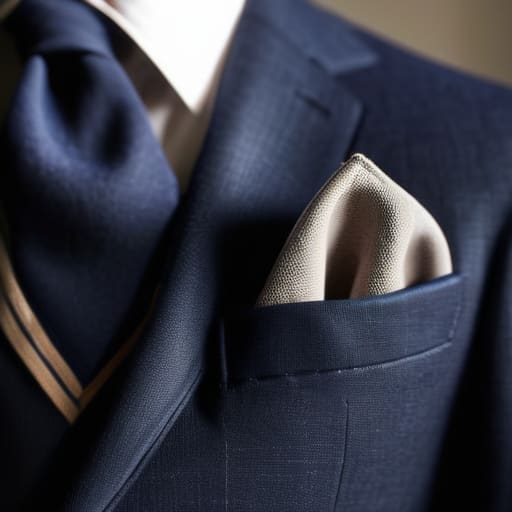
Most people walk into a shop and think they need a shiny, expensive silk square to “complete the look.” That’s marketing nonsense. If you buy a high-shine silk square just to match your tie, you’re going to look like you’re wearing a costume for a high school prom. The secret isn’t in the price tag; it’s in the texture. When you’re looking at silk vs linen pocket squares, remember that linen has a structural integrity that silk lacks. A linen square stays where you put it, whereas a cheap silk one just slides down into your chest pocket like it’s trying to escape.
If your suit feels a bit flat or “blah,” don’t reach for a pattern that screams for attention. Instead, use the square to add a subtle layer of depth. A common mistake in most suit accessorizing tips is the obsession with a perfect match. Please, for the love of everything, stop trying to find a pocket square that is the exact same fabric and print as your tie. It looks forced. Instead, aim for complementary textures—a matte linen square against a slightly smoother wool suit is much more sophisticated than a loud, matching set.
The Material Math Why Silk vs Linen Pocket Squares Actually Matters
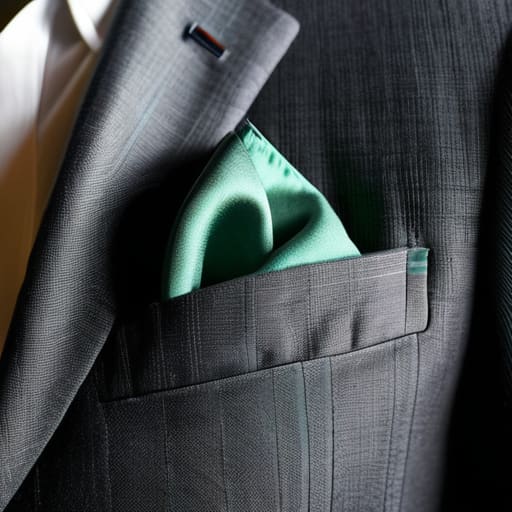
Here is the truth about the “luxury” section of most men’s formal accessories: a silk pocket square is not a universal solution, and buying a dozen of them is a waste of your money. Silk is beautiful, sure, but it is also slippery and structurally useless. If you try to execute any complex pocket square folding techniques with a high-sheen silk, you’ll spend half your morning fighting a limp piece of fabric that slides down into your breast pocket by noon. It looks messy, not “effortless.”
If you want something that actually holds a shape, you need to look at the weight. This is the core of the silk vs linen pocket squares debate. Linen has the structural integrity to stay upright; it’s stiff, it’s reliable, and it adds a bit of much-needed texture to a flat suit. I always tell my clients to prioritize linen for daily wear. It’s cheaper, it survives more washes, and it doesn’t look like you’re trying too hard. Unless you are heading to a black-tie wedding, stop chasing the shine and start looking for a fabric that actually stays where you put it.
The Matching Myth Why You Should Stop Matching Tie and Pocket Square
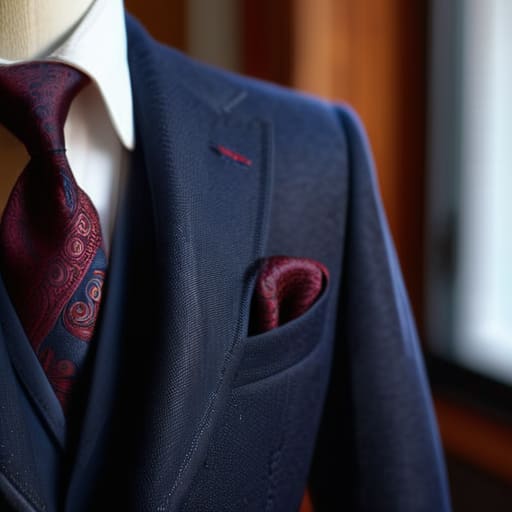
If I see one more person walk into a shop and buy a pre-packaged set where the tie and the pocket square are made of the exact same fabric, I might actually lose it. It’s the most common mistake in men’s formal accessories, and it’s a massive missed opportunity. When you go for a matching tie and pocket square, you aren’t “coordinating”; you’re just repeating yourself. It looks lazy, like you didn’t have a second thought, and it completely kills the visual interest of the outfit.
Instead of looking for a twin, look for a conversation. If your tie has a heavy, matte texture, your pocket square should provide a different counterpoint—maybe a crisp linen with a sharp edge. If your tie is a solid, dark navy, don’t find a navy square; find a pattern that contains a hint of that navy but brings something else to the table. Think of it as complementing the color palette rather than copying the pattern. You want people to notice the harmony, not the identical match.
Mastering Pocket Square Folding Techniques Without Looking Like a Costume
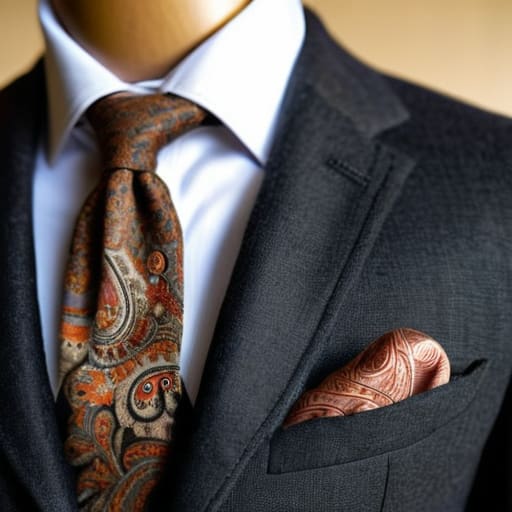
Look, the biggest mistake I see when people try to level up their suit accessorizing tips is treating a pocket square like a stage prop. If you walk in with a perfectly symmetrical, razor-sharp presidential fold that looks like it was ironed into place by a robot, you don’t look polished; you look like you’re wearing a costume. It’s too stiff. It screams that you’re trying too hard to follow a gentleman’s style guide instead of just living in your clothes.
If you want to actually look like you belong in the outfit, go for the puff fold or a messy, intentional “point” fold. The trick is to let the fabric do the work. This is where the silk vs linen pocket squares debate becomes practical: linen has the structural integrity to hold a shape without collapsing into a sad puddle, while silk is better for that soft, effortless roll. Don’t aim for perfection; aim for controlled chaos. If it looks a little lived-in, it looks like you actually have a life outside of your wardrobe.
The Gentlemans Style Guide to Essential Mens Formal Accessories
Look, if you’re building a formal wardrobe, don’t let the “gentleman’s style guide” nonsense convince you that you need a velvet-lined box of twenty different items. Most of those shiny, useless trinkets are just marketing fluff designed to make you feel like your look is “incomplete” without a gold cufflink set that costs more than your monthly grocery bill. Real suit accessorizing tips start with subtraction, not addition. You need a few high-quality pieces that actually play well together, rather than a collection of loud, competing textures that make you look like you’re wearing a costume.
Focus on the heavy hitters: a decent tie with enough weight to hang straight, a reliable belt that matches your shoe leather, and of course, your pocket squares. If you’re investing in men’s formal accessories, prioritize fabric integrity over everything else. A cheap, polyester tie will always look limp and shiny in a way that screams “rental suit,” no matter how many fancy knots you try. Buy things that have substance. If a piece doesn’t have enough structural integrity to hold its shape through a four-hour dinner, it’s not an accessory; it’s a distraction.
Five Ways to Stop Using Your Pocket Square as a Crutch
- Check the weight before you tuck. If you’re using a heavy, thick silk on a lightweight summer linen blazer, it’s going to sag and look like a wet noodle in your breast pocket. Match the fabric density of the square to the weight of the jacket, or you’ll spend the whole day adjusting it.
- Avoid the “perfectly symmetrical” trap. If your fold looks like it was measured with a ruler and a spirit level, you look like you’re wearing a costume. A little bit of unevenness—what we call ‘intentional imperfection’—makes it look like you actually live in your clothes rather than just visiting them.
- Don’t buy the “set.” Most guys buy a tie and pocket square bundle because it’s easy, but it’s the fastest way to look like a high schooler at a prom. A pocket square should complement the colors in your shirt or your jacket, not mimic the exact pattern of your tie. That’s not styling; that’s a lack of imagination.
- Mind the pocket depth. If you’ve bought a vintage piece or a cheap fast-fashion blazer, the breast pocket might be too shallow or too deep. If the square keeps sliding down to your waist, don’t keep buying new ones—just take it to a tailor and have them sew a small “catch” or a piece of stay-tape inside the pocket to hold it up. It’ll cost you about ten quid and save the whole look.
- Use texture to bridge the gap. If your suit is a flat, boring wool, don’t reach for another flat fabric. Use a linen or a cotton square to add some grit and dimension. It’s the easiest way to make a £50 suit look like it actually has some character.
The Pocket Square Isn't a Decoration
A pocket square isn’t some fancy little trophy you pin onto a jacket to prove you spent money; it’s a tool for texture. If your suit feels flat and lifeless, don’t go out and buy a matching silk set—that’s just more expensive emptiness. Grab a piece of linen that actually has some weight to it, tuck it in, and let it break up the monotony of the fabric. It’s about adding a layer of reality to a look, not adding another line item to your credit card statement.
Neve Okonkwo-Barr
The Bottom Line on Your Pocket Square
At the end of the day, a pocket square isn’t some magical talisman that will suddenly make you the best-dressed person in the room, but it is the easiest way to stop looking like you just stepped out of a mannequin display. We’ve covered the basics: stop trying to match your silk tie to a silk square like it’s a coordinated set from a fast-fashion website, and start paying attention to fabric weight instead. Whether you’re opting for a crisp linen to add structure or a soft silk to soften a stiff blazer, the goal is texture and intentionality, not perfection. Remember, if the square looks like it’s fighting your jacket, it’s likely because the materials are fundamentally incompatible.
Don’t let the fear of looking “extra” stop you from trying something small. You don’t need a wardrobe full of expensive accessories to look put-together; you just need to understand how the pieces you already own actually interact. If you find a decent white linen square at a charity shop for three pounds, take it. It’ll outlast ten of those polyester blends that look shiny and cheap under fluorescent lights. Style isn’t about the price tag on the receipt; it’s about the confidence of a well-placed detail that says you actually know what you’re doing. Now, go grab that square, tuck it in, and stop overthinking it.
Frequently Asked Questions
I found a vintage silk square at a charity shop, but it’s so thin it just slides right down to the bottom of my pocket—can this actually be fixed?
Don’t toss it. That’s a classic “cheap silk” problem where the weave is too loose to hold its own weight. You don’t need a tailor for this; you just need a bit of friction. Take a small scrap of cotton or even a piece of old linen and tuck it into the bottom of your pocket first. It acts like a floor for the silk to sit on. It’s a ten-second fix that saves a vintage find.
How much should I realistically expect to pay a tailor to hem a pocket square if the edges are fraying, or is it better to just bin it?
Don’t bin it. If it’s a decent fabric, it’s worth the fix. A simple edge cleanup or a tiny rolled hem shouldn’t cost you more than a fancy latte and a sandwich—maybe £10 to £15 if you find a local independent. If a tailor quotes you more than that, they’re overcharging for five minutes of work. Just check the seam allowance first; if the fraying is too deep, you’re out of luck.
If I’m wearing a heavy wool blazer, will a lightweight silk square look ridiculous, or is there a way to balance the fabric weights?
It won’t look ridiculous, but it might look lonely. If you drop a flimsy, thin silk square into a heavy wool blazer, it’ll just collapse into a sad little puddle in your pocket. You need something with a bit more “grip.” Look for a heavier silk twill or a weighted silk-linen blend. You want the textures to shake hands, not fight. If the fabric is too light to hold its own against the wool, don’t bother.
