I once spent three hours helping a client hunt through a vintage shop for a specific brass pendant, only to realize she’d been burned by a “gold” necklace that turned her neck green before she even reached the car. It’s the classic jewelry trap: you see something beautiful, the price tag feels reasonable, and you assume it’s going to last. But unless you actually understand how gold plating and vermeil differ, you’re basically just gambling with your money. Most people think they’re buying a piece of jewelry, but they’re actually just buying a temporary finish that’s destined for the bottom of a junk drawer by next month.
I’m not here to sell you on “luxury” labels or tell you that you need a massive budget to look polished. I’m here to show you the actual construction of these pieces so you stop wasting cash on things that flake. I’ll break down the math of the gold thickness, tell you which metals are actually worth the extra few quid, and explain why a “gold-toned” bargain is often just a math problem waiting to happen. We’re going to figure out what stays shiny and what stays cheap.
Gold Plating
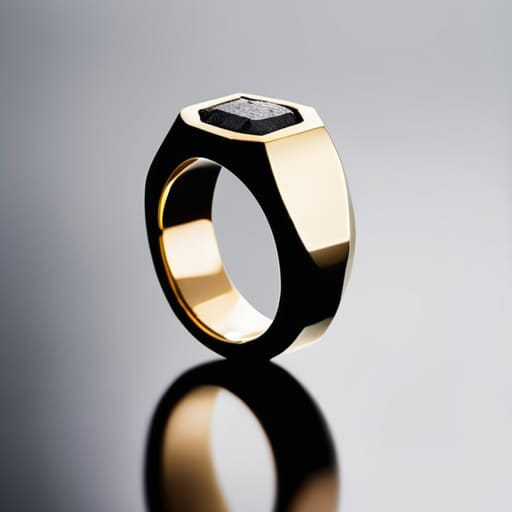
Gold plating is a process where a very thin layer of gold is chemically bonded onto a base metal, like brass or copper, to give it a quick flash of luxury. The main selling point is that it allows you to achieve a high-end, polished look without the massive price tag of solid gold. When you are looking at how gold plating and vermeil differ, you’ll see that plating is essentially a surface-level aesthetic choice designed for immediate impact.
The problem is that “immediate impact” usually has a very short shelf life. Because that gold layer is so microscopically thin, it doesn’t stand a chance against the friction of your skin, your perfume, or even the constant movement of your wrists. I’ve seen too many people buy a “gold” necklace that looks stunning on Monday but turns a distressing shade of green by Friday. If you aren’t planning on wearing the piece once for a specific event and then tucking it away, plating is often just a very expensive way to buy something that won’t last the season.
Vermeil
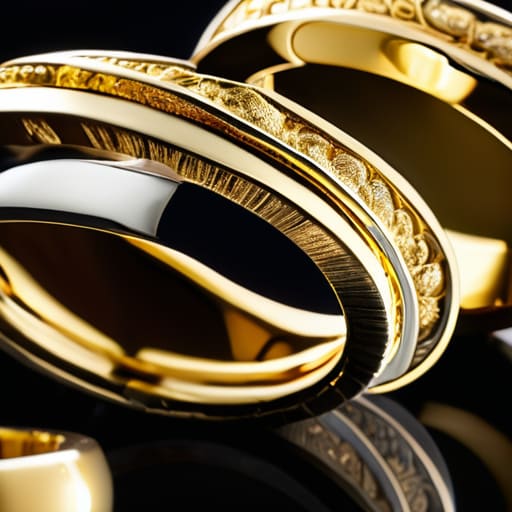
Vermeil is a specific type of high-quality plating where a thick layer of gold is applied over a base of sterling silver. To actually be called vermeil, the gold must meet a certain thickness standard, ensuring that the piece has a much more substantial and durable precious metal foundation than standard plating. The core mechanism here is longevity; you are getting the weight and feel of silver with a much more resilient gold coating.
In my line of work, I look at jewelry the same way I look at a coat’s lining—if the foundation is cheap, the whole thing falls apart. Vermeil is the middle ground for people who want pieces that actually survive a Tuesday, or even a whole year of regular wear. It’s not quite solid gold, but it’s a far more sensible mathematical choice for your wardrobe. You’re paying a bit more upfront, but you aren’t constantly replacing items that have rubbed down to a dull, metallic grey.
Comparison of Gold Plating vs. Gold Vermeil
| Feature | Gold Plated | Gold Vermeil |
|---|---|---|
| Base Metal | Any metal (brass, copper, silver) | Sterling Silver (925) |
| Gold Layer Thickness | Varies (often very thin) | Minimum 2.5 microns |
| Durability | Lower (wears off quickly) | Higher (longer lasting) |
| Price Point | Affordable / Low | Mid-range / Moderate |
| Hypoallergenic Potential | Low (depends on base metal) | High (due to silver base) |
| Best For | Fashion jewelry / Occasional wear | Everyday wear / Quality jewelry |
Understanding How Gold Plating and Vermeil Differ
Look, I don’t care how pretty the packaging is; if you’re buying jewelry to wear every day, you need to understand the math behind the metal. The reason this distinction matters isn’t about being a snob—it’s about longevity versus heartbreak. If you buy something thinking it’s solid gold but it’s actually just a thin layer of spray-on shine, you’re going to be left with a green-tinted mess and a wasted twenty quid by the end of the month.
When we talk about gold plating, we’re usually looking at a microscopic layer of gold bonded to a base metal like brass or copper. It looks great for a night out, but it is inherently sacrificial; once that thin film wears down from friction or sweat, it’s gone forever. Vermeil is a different beast entirely. Because it requires a heavy layer of gold over a sterling silver base, it has enough “meat” on it to actually survive some real-world wear.
If you want something for a specific outfit or a quick trend fix, plating is fine. But if you want a piece that survives a Tuesday, a Wednesday, and a rainy Thursday without looking like junk, vermeil is the only logical winner.
Key Things to Know
Here is why you actually need to care: if you buy something based on how it looks in a ring light but don’t understand the technical reality, you aren’t making a purchase—you’re making a donation to a brand that won’t exist in six months. Knowing the difference between these two isn’t about being a jewelry snob; it’s about knowing if that necklace is going to turn your neck green by the time you finish your morning coffee.
Gold plating is essentially a thin “skin” of gold sprayed or dipped over a base metal like brass or copper. It’s fine for a single night out, but because that layer is so microscopic, it will wear down through friction. Vermeil, on the other hand, requires a much thicker layer of gold over sterling silver. This means it has actual substance; it’s not just a surface-level illusion, but a structural choice that dictates how many years of wear you’re actually buying.
If you’re looking for something to live in every single day, vermeil is the clear winner. Gold plating is just a temporary finish, whereas vermeil is a legitimate way to own gold without the solid-gold price tag.
## The Math of the Shine
“Stop looking at the price tag and start looking at the depth of the layer; gold plating is just a polite way of saying the color will vanish the moment you sweat, whereas vermeil is actually worth the extra few pounds because it has enough substance to survive more than one Tuesday.”
Neve Okonkwo-Barr
The Bottom Line on Your Bling
Look, if you’re staring at two rings and one is half the price of the other, don’t just assume it’s a “deal.” If it’s gold plating, you’re essentially buying a thin layer of paint that is going to flake off the moment you hit a heavy week of hand-washing or even just constant skin contact. It’s fine for a single Saturday night, but it isn’t a piece of jewelry; it’s a temporary accessory. Vermeil is a different beast entirely. Because it requires a thick layer of gold over sterling silver, it actually has the structural integrity to survive more than a few wears. If you want something that won’t turn your finger green by next month, you have to check the thickness and realize that vermeil is the only one of these two actually worth the spend.
At the end of the day, my advice is to stop chasing the high of a cheap purchase and start looking at the cost-per-wear. I would much rather see you own one solid piece of vermeil that you actually love wearing on a Wednesday than a drawer full of gold-plated junk that looks tired and worn after three outings. Style isn’t about how much you spent at the checkout; it’s about the intelligence of what you keep in your collection. Buy things that are built to last, even if it means waiting an extra month to save up for the better version. Your future self—and your skin—will thank you.
Frequently Asked Questions
If I find a piece of vermeil at a charity shop, how can I tell if it's actually high-quality or just cheap plating masquerading as something better?
First, check the hallmark. Real vermeil should be stamped “925” for the sterling silver base. If it just says “gold tone,” run. Next, feel the weight; silver has a specific heft that cheap base metals lack. Most importantly, look at the color. If it looks unnaturally bright or “yellow-orange,” it’s likely thin plating. If it’s a soft, pale gold, it might actually be the thick layer you’re looking for.
Is it actually worth paying the extra few pounds for vermeil if I'm only planning to wear the piece once or twice a year?
If you’re only wearing it twice a year, save your money. Vermeil is about longevity—it’s for the person who wants a piece to survive daily life without turning their skin green. If this is a “one-off” statement piece for a wedding or a specific event, gold plating is fine. Just don’t spray perfume directly on it or sweat in it, because that thin layer will vanish before you’ve even finished the night.
Can a professional jeweler actually "re-gold" a piece of vermeil if the finish starts to wear down, or is that a lost cause?
Yes, you can absolutely re-plate vermeil, but don’t expect it to be a cheap fix. A jeweler can strip the worn gold and apply a fresh layer, but you’re essentially paying for the labor twice. If you’re doing this every six months, the math stops making sense. At that point, you’ve spent more on “refreshing” it than you would have on a solid gold piece that actually lasts.
