Stop letting fashion influencers convince you that you need a “statement necklace” for every single outfit or a dedicated jewelry box for every season. It’s a scam designed to make you feel like your wardrobe is incomplete, when really, you just don’t know how to use accessories well to actually serve the clothes you already own. I spent two years in a basement studio watching people buy expensive, heavy brass pieces that looked great on a mannequin but ended up dragging down the neckline of a perfectly good silk blouse or, worse, looking like clutter against a structured blazer. Accessories shouldn’t be more work than the outfit itself; they should be the thing that makes a mediocre Tuesday feel intentional.
I’m not here to give you a shopping list of “must-have” trends that will look dated by next autumn. Instead, I’m going to show you the practical math of accessorizing: how to choose weights that don’t ruin your seams, how to use a belt to fix a silhouette without a tailor, and why a single, well-made leather strap is worth more than ten cheap gold-plated chains. We’re going to focus on utility and proportion, making sure every piece actually earns its place in your life.
Understanding How to Use Accessories Well
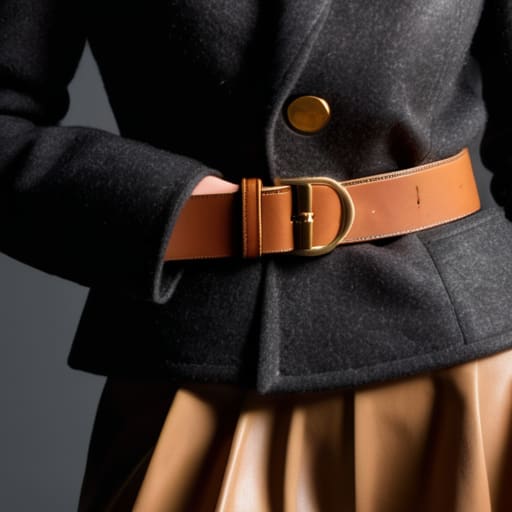
Before you reach for that gold chain or that chunky belt, we need to talk about the actual physics of your outfit. Most people think accessories are just “extras,” but I see them as tools for redirection. If you’re wearing a blazer that’s slightly too boxy in the shoulders—which, let’s be honest, is most of them—you don’t need a new jacket; you need a belt to define your waist. This is the core of elevating a basic wardrobe with accessories: using hardware to create the silhouette the fabric isn’t doing on its own.
The real mistake I see is the “more is more” trap. You don’t need a heavy necklace, dangling earrings, and a stack of bracelets all fighting for attention. It’s about the tension between a statement piece vs subtle accents. If you have a bold, sculptural earring, let your neckline stay quiet. If you’re wearing a heavy-weight wool coat, a delicate, flimsy necklace will just get lost in the seam allowance. You want pieces that have enough visual weight to stand up to your fabric, otherwise, you just look like you’re wearing someone else’s costume.
Key Things to Know
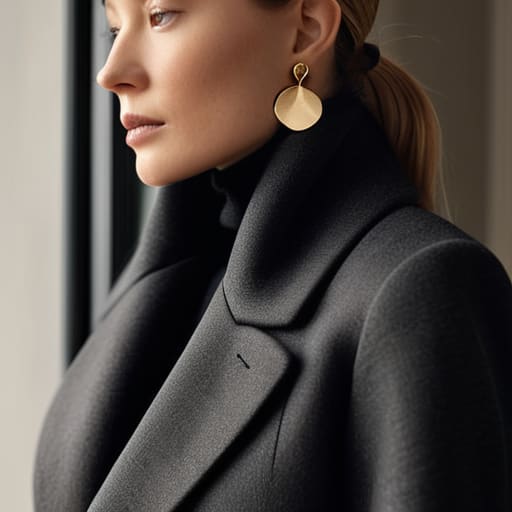
First, stop thinking about accessories as “add-ons” that you slap on at the last second to feel fancy. That’s how you end up looking like a walking department store display. Real styling is about architecture. You need to understand the tension between a statement piece vs subtle accents; if your coat has heavy hardware or a loud pattern, a massive, chunky necklace is just going to fight with your neckline for attention. It’s not about more; it’s about where the eye lands.
Second, look at the weight of your fabrics. A flimsy, silk slip dress needs something with a bit of substance to keep it from looking like pajamas, whereas a heavy wool blazer can easily swallow up tiny, delicate chains. When you’re elevating a basic wardrobe with accessories, think about the structural balance. A structured leather belt doesn’t just “accent” your waist—it creates a silhouette that a cheap, fast-fashion fabric can’t manage on its own. If the accessory doesn’t serve a functional purpose for your shape, it’s probably just clutter.
Practical Tips and Steps
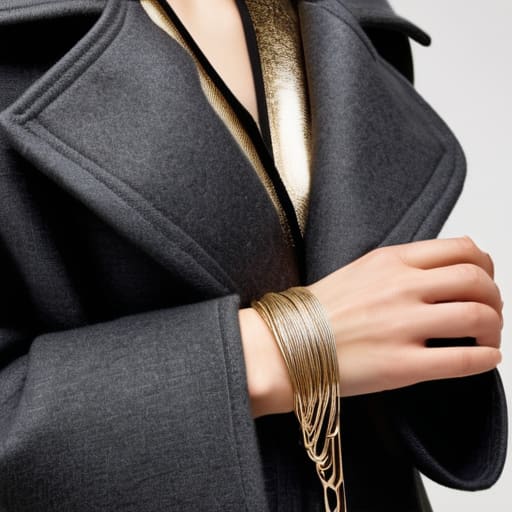
First, stop looking at your jewelry box as a collection of “pretty things” and start seeing it as a tool for structural balance. If you’re wearing a heavy, oversized wool coat, a tiny, delicate gold chain is going to vanish; it’s not a style choice, it’s just a lost cause. You need to focus on balancing jewelry and clothing by matching the visual weight of your metal to the weight of your fabric. A chunky silver cuff works with a thick knit, while a silk blouse demands something finer.
Second, apply the “one focal point” rule to avoid looking like you’re wearing a costume. If you’ve found a massive, sculptural earring, leave the neck bare. If you’re leaning into a statement piece vs subtle accents debate, remember that the statement piece should do the heavy lifting so the rest of your outfit can relax. I always tell my clients: if you can’t tell where the eye is supposed to land, you’ve overdone it. Pick one area—your waist, your ears, or your hands—and let that be the anchor. Everything else is just supporting cast.
Common Mistakes to Avoid
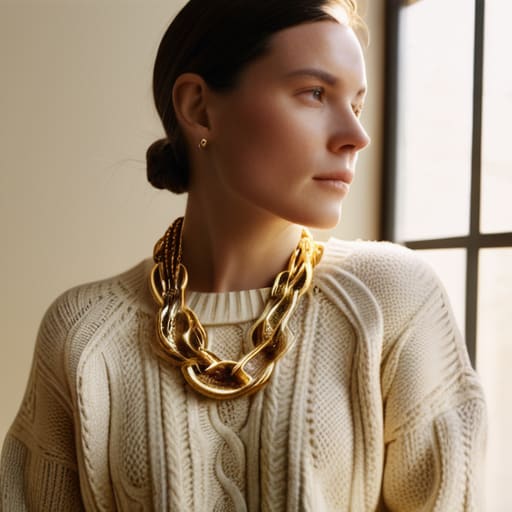
The biggest mistake I see—and it kills me every time I’m in a fitting room—is the “more is more” panic. People think they need to buy a whole new set of jewelry just because they bought a new shirt. They end up looking like a costume rather than a person. You don’t need a hoard; you need to master the art of balancing jewelry and clothing. If your sweater has a massive, chunky knit texture, a tiny, delicate gold chain is going to disappear into the fabric like it never existed. Conversely, if you’re wearing a high-neck silk blouse, a massive statement necklace can make you look like you’re wearing a collar that’s too tight. It’s about weight and visual scale, not just “matching.”
Another trap is treating accessories like a checklist instead of a tool. I see so many people following a rigid minimalist accessory guide just because they think it’s “classy,” but they end up looking unfinished. If your outfit is incredibly simple—say, a plain navy jumpsuit—and you add absolutely nothing, you don’t look “minimalist,” you look like you forgot to get dressed. The goal is elevating basic wardrobe with accessories that actually serve a purpose, like a belt that defines your waist where a seam failed you, rather than just adding clutter for the sake of it.
Final Thoughts
Look, I’m not here to tell you that a new gold necklace will magically fix a wardrobe that feels stale. If your clothes don’t fit, no amount of metal around your neck is going to bridge that gap. But if you’ve already done the work to ensure your seams are straight and your hems are hitting where they should, then elevating a basic wardrobe with accessories becomes the most cost-effective tool in your kit. It’s about the math: spending twenty quid on a belt that actually defines your waist is infinitely better for your silhouette than spending two hundred on a trendy top that hangs like a tent.
Don’t get caught up in the “more is more” trap. My best advice for balancing jewelry and clothing is to look at the weight of your fabric. A heavy wool coat needs something substantial, not a dainty chain that gets lost in the weave. Whether you are leaning into a minimalist accessory guide or hunting for that one perfect statement piece, remember that the goal isn’t to look “styled”—it’s to look like you actually inhabit your clothes. Stop shopping for trends and start shopping for the pieces that make your existing clothes work harder.
Five ways to actually use accessories without looking like a mannequin
- Stop buying “statement” pieces that are just loud for the sake of it. A statement necklace is useless if the neckline of your top is fighting it for attention. If you’re wearing a busy print, your accessories should be structural and solid; if you’re wearing a plain, well-fitted cotton shirt, that’s when you bring in the texture.
- Check the weight of your jewelry against the fabric of your clothes. I see people wearing heavy, chunky metal necklaces on flimsy, lightweight jersey tops all the time, and it looks ridiculous because the fabric just pulls and bunches under the weight. Match the “heaviness” of your metal to the weight of your weave.
- Use belts to fix a silhouette, not just to add a “pop of color.” If you have a mid-weight wool dress that feels like a sack, a belt isn’t a decoration—it’s a structural tool to reclaim your waist. But don’t buy a cheap, faux-leather belt that cracks in three weeks; it’ll ruin the whole outfit. Spend the extra ten quid on a real leather one that can actually hold tension.
- Learn the difference between hardware and jewelry. If your bag has chunky gold zippers and your shoes have silver buckles, you don’t need to go out and buy a matching set of earrings to “fix” it, but try not to let them clash too violently. It’s not about being perfect; it’s about not looking like you got dressed in a dark room with two different sets of metals.
- Scale your accessories to your frame, not the trend. If you are petite, a massive, oversized tote bag isn’t “effortless”—it’s just swallowing you whole. If you have broader shoulders, tiny, dainty necklaces can sometimes look lost. Use accessories to balance your proportions, not to fight against them.
The Accessory Math
Stop treating accessories like a scavenger hunt for more ‘stuff’ to hide a bad outfit; an accessory is only doing its job if it directs the eye to where the garment actually fits, not just adding more noise to a silhouette that’s already struggling.
Neve Okonkwo-Barr
The Bottom Line
At the end of the day, accessories aren’t some magical “add-on” that fixes a wardrobe you hate; they are tools to refine what you already have. We’ve talked about why you should prioritize fabric quality over quantity, why a well-placed belt can do more for your silhouette than a new pair of trousers, and why you should stop buying cheap, plastic-heavy jewelry that ends up in a landfill by next season. Remember: an accessory only works if it respects the proportions of the garment it’s sitting against. If you’re spending fifty quid on a statement necklace but it’s clashing with a cheap, polyester neckline that won’t hold its shape, you’re just throwing money into a void. Focus on the math of the outfit—how the weight of a bag balances a heavy coat, or how a simple leather strap can ground a flimsy dress.
Please, stop waiting for a “style epiphany” to arrive in a shipping box. Real style isn’t about having the most things; it’s about having the right things and knowing how to make them behave. You don’t need a bigger budget; you need a better eye for how a piece interacts with your body and your existing clothes. Go through your drawer, find that one piece that actually feels like you, and learn how to anchor it. Style is a skill, not a transaction, and once you start looking at your clothes as structures to be balanced rather than problems to be solved, you’ll realize you already have everything you need.
Frequently Asked Questions
I found a gorgeous vintage silk scarf at a charity shop, but is it actually worth the cost of getting the edges re-hemmed if they're fraying?
If it’s real silk, yes. Fraying edges on silk are a quick fix, but don’t let a shop charge you a “designer” premium. A simple rolled hem or a narrow merrow stitch should cost you about the price of a decent latte. If the fabric itself is thinning or has “shattering” (those tiny, irreparable splits), walk away. But if the structure is solid, spend the ten quid to fix the edges; it turns a rag into a staple.
How do I know if a heavy statement necklace is going to ruin the line of my dress, or if the fabric can actually support the weight?
First, check the seam. If the neckline is a flimsy jersey or a thin silk slip, a heavy necklace is going to pull the fabric toward your collarbone, creating those ugly, sagging tension lines. You want a structured bodice or a heavier weight crepe to act as an anchor. If you see the fabric bunching or stretching under the weight in the mirror, don’t fight it—either swap for something lighter or find a dress with more substance.
If I’m trying to dress up a basic outfit for a Wednesday night, should I focus on spending money on one good leather belt or a few cheaper pieces of jewelry?
Buy the belt. If you’re trying to elevate a basic outfit, cheap jewelry often looks like “costume” because the metal plating is thin and the weight is off. It’ll tarnish by next month. A decent leather belt with solid hardware changes your entire silhouette and makes a cheap pair of trousers look intentional. It’s a structural fix, not just a shiny distraction. Spend the money where it actually holds its shape.
