I spent three years in a basement studio watching people spend hundreds of pounds on “statement pieces” that ended up looking like costume department rejects because they didn’t understand construction. The fashion industry wants you to believe that finding your look requires a massive shopping spree, but that’s a lie designed to keep you broke. Real style isn’t about adding more clutter; it’s about learning how to develop a signature detail that actually anchors your existing clothes. Whether it’s a specific weight of heavy cotton, a preference for high-set armholes, or even just a consistent way you cuff your trousers, a signature detail is a mechanical choice, not a retail one.
I’m not here to give you a list of trending accessories to buy on impulse. Instead, I’m going to show you how to look at your current wardrobe through the lens of a tailor. We are going to talk about fabric durability, seam placement, and the actual cost of making a garment look like it was made specifically for you. My goal is to help you find that one consistent, sharp element that makes a Tuesday morning outfit feel intentional rather than accidental.
Understanding How to Develop a Signature Detail
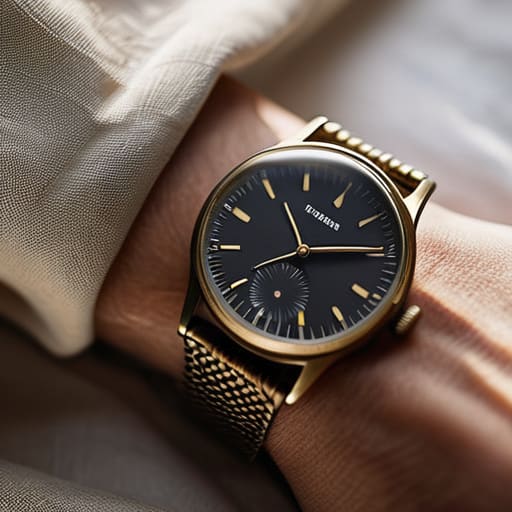
Forget the idea that a signature look requires a complete wardrobe overhaul or a massive budget. When people talk about defining personal style, they usually make it sound like you need to curate a museum of expensive, avant-garde pieces. It’s not. For me, a signature detail is just a recurring piece of information you give to the world. It’s a way of using stylistic consistency techniques to signal who you are without having to shout. It could be as simple as always wearing a specific weight of denim, or a commitment to a certain type of collar, or even just the way you always roll your sleeves to a specific height.
Think of these as your own visual identity markers. You aren’t trying to build a corporate logo; you’re just finding a way to make your outfits feel intentional rather than accidental. If you always wear a structured, heavy wool blazer, people start to associate that silhouette with you. It’s not about being a costume; it’s about finding a reliable thread that runs through your clothes, whether that’s a specific metal tone in your jewelry or a preference for high-waisted trousers with a deep seam allowance.
Key Things to Know

First, forget the idea that a signature detail has to be a massive, loud statement piece. In the world of professional branding, people talk about “brand recognition strategies,” but in a real wardrobe, your version is much quieter. It’s about stylistic consistency techniques that actually make sense for your life. Maybe it’s always wearing a specific weight of heavy denim, or perhaps it’s the way you always ensure your collars are crisp and structured. It’s not about a costume; it’s about finding a thread that runs through everything you own so you stop looking like you got dressed in the dark.
Second, you have to look at the construction, not just the color. If you want to succeed at defining personal style, look at the hardware or the silhouette. A specific type of brass button or a consistent high-waisted seam acts as one of those subtle visual identity markers that makes people say, “That looks like you,” before they even see your face. Just remember: if the detail requires a specialized dry cleaner every two weeks, it isn’t a signature; it’s a chore. Pick something that survives a washing machine and a busy Wednesday.
Practical Tips and Steps
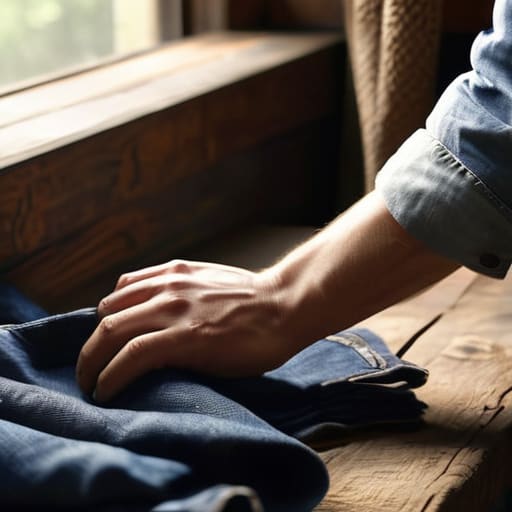
First, stop looking at mood boards for inspiration and start looking at your own closet. Pull out the three items you actually wear every single week—not the ones with the tags still on, but the ones that feel like a second skin. Look for the common thread. Is it always a high-waisted silhouette? Is it always a specific weight of heavy-gauge denim? These aren’t just coincidences; they are your natural visual identity markers. Once you spot the pattern, lean into it. If you realize you always gravitate toward structured collars, make that your thing. It’s much easier to build a wardrobe around a pattern you already live in than to try and force a new persona.
Next, treat this like a technical project rather than a shopping spree. Instead of buying ten mediocre pieces to “find your look,” pick one specific element—like a preference for oversized linen or a consistent use of gold hardware—and use it as a filter. This is the most efficient way of defining personal style without draining your bank account. When you’re standing in a shop, ask yourself: Does this align with my established detail? If the answer is no, walk away. You aren’t looking for “new”; you’re looking for cohesion.
Common Mistakes to Avoid

The biggest mistake I see is people treating a signature detail like a costume. They see a trend on TikTok and think, “Right, now I’m a person who wears oversized gold chains,” and suddenly they’ve bought five cheap versions that turn green in a week. That isn’t defining personal style; it’s just participating in a cycle of waste. A real signature detail needs to be something that actually lives with you, not something you have to perform. If the detail requires you to change your entire silhouette every time you wash the garment, it’s not a signature—it’s a chore.
Another trap is thinking you need a massive, loud statement to achieve visual identity markers. You don’t need a neon cape to be recognizable. In fact, the most effective way to build a look is through subtlety, like always wearing a specific weight of heavy-duty denim or ensuring every single one of your shirts has a slightly oversized cuff. People often mistake “loud” for “consistent.” If you’re constantly chasing new ways of creating a unique aesthetic by buying more, you’re just masking a lack of direction with clutter. Stop buying the “look” and start looking at what you already own.
Final Thoughts
Look, I’m not asking you to turn yourself into a walking billboard or some hyper-curated version of a person you saw on Pinterest. That’s just more marketing noise. Developing a signature detail isn’t about performing; it’s about finding a way to make your clothes feel like they actually belong to you. When you lean into stylistic consistency techniques—like always choosing a specific collar shape or a particular weight of linen—you stop fighting your wardrobe and start wearing it.
At the end of the day, your clothes are just tools to help you navigate a Tuesday or a wedding or a rainy commute. If a detail makes you feel more like yourself, keep it. If it feels like a costume you’re paying too much to maintain, ditch it. Think of these small choices as your own private visual identity markers rather than some grand statement to the world. It’s much more effective to have one reliable, well-fitted thing that works every single time than a closet full of “trends” that don’t even fit your shoulders. Keep it simple, keep it practical, and for heaven’s sake, make sure the seams are straight.
Five ways to pick a detail that isn't just a costume
- Stop looking at trends and start looking at your hardware. If you always reach for gold buttons or heavy brass zippers, make that your thing. It’s much cheaper to buy a vintage blazer and have a tailor swap the plastic buttons for something weighty and intentional than it is to buy a whole new wardrobe.
- Pick a specific fabric weight and stick to it. If you feel most like yourself in heavy, structured cotton rather than flimsy polyester blends, lean into that. A signature style isn’t just a look; it’s a consistent tactile feeling that makes you stop second-guessing your outfit every morning.
- Find your “seam” signature. Maybe it’s always having a crisp, sharp crease in your trousers or a specific way you cuff your sleeves. These are small, structural choices that cost nothing but signal to the world that you actually know how to wear your clothes.
- Audit your existing “best” pieces. Look at the three items in your wardrobe that make you feel the least like you’re wearing a costume. Is there a common thread? A specific collar shape? A certain shade of navy? That’s not a coincidence; that’s your blueprint.
- Don’t let “investment pieces” bully you into a signature you hate. Just because a designer says a certain silhouette is “classic” doesn’t mean it works for your life on a Tuesday. A signature detail should be something you can actually move in, not something that requires a professional steamer and a prayer every time you leave the house.
Stop Shopping for a Personality
A signature detail isn’t some expensive designer label you slap on to prove you’ve arrived; it’s the consistent, tactile logic of your wardrobe—like always choosing a heavy-weight linen or a specific sharp cuff—that makes you look like you actually own your clothes rather than just renting them for a season.
Neve Okonkwo-Barr
The Bottom Line
Look, developing a signature detail isn’t about chasing a trend you saw on a runway or buying a “statement piece” that sits in your closet gathering dust because it’s too loud for a Tuesday. It’s about the math of your existing wardrobe. It’s about realizing that a specific weight of linen, a consistent cuff height, or a particular way you roll your sleeves can tie everything together more effectively than a brand-new designer bag. Stop looking for your identity in a shopping cart; start looking for it in the structural consistency of what you already own and what you are willing to spend twenty quid to have a tailor fix.
At the end of the day, style is just a way of telling the world who you are without having to say a word, and it shouldn’t cost you a month’s rent to do it. Don’t let the marketing machine convince you that you’re one purchase away from being “put together.” You are already there; you just need to stop fighting your own silhouette and start leaning into the details that actually work for your life. Pick your detail, find a decent seamstress, and stop overthinking the outfit. The best version of your style is the one that feels like a tool, not a costume.
Frequently Asked Questions
If I pick a signature detail that requires a tailor—like a specific cropped hem or a tapered sleeve—how much should I actually be budgeting for those alterations every season?
Don’t let the “designer” price tag fool you; a signature detail is only a signature if it actually fits. If you’re doing seasonal crops or sleeve tapering, budget about £25–£40 per garment. A clean hem is cheap, but tapering a sleeve through the armscye takes time and skill. If a tailor quotes you less than the price of a decent lunch for a structural change, run. You aren’t paying for the thread; you’re paying for the geometry.
Is it better to pick a signature detail based on a specific fabric weight I love, or should I focus on a structural element like a certain type of collar or cuff?
Don’t choose. If you want a signature that actually survives a Tuesday, combine them. A specific fabric weight—like a heavy-gauge cotton—is a feeling, and feelings change. But a structural element, like a specific sharp collar or a wide cuff, is a blueprint. If you pick a structural detail, you can find it in different fabrics and price points. It’s easier to hunt for a specific seam than a specific sensation.
How do I make sure my "signature" doesn't end up looking like a costume if I'm trying to keep my wardrobe practical for a normal Tuesday?
The secret is to keep the “signature” in the construction, not the spectacle. If your thing is oversized silhouettes, make sure the fabric has enough weight to hold its shape, rather than just looking baggy. If it’s a specific color, stick to neutrals that actually work with your existing life. A signature should feel like a standard setting on your clothes, not a prop you’re carrying. If you can’t wear it to buy milk, it’s a costume.
