Stop letting luxury brand names trick you into thinking a $500 suitcase is a “smart investment” just because it has a gold logo on the side. I’ve spent enough time in basement studios watching seams fail on expensive garments to know that branding is not construction. Most people approach the question of how to choose luggage by looking at the aesthetic, but they completely ignore the mechanical reality of what happens when a bag hits a cracked terminal floor at 3:00 AM. You don’t need a status symbol; you need a chassis that won’t snap and a zipper that won’t surrender to a slightly overpacked sweater.
I’m not here to sell you on a lifestyle or a specific brand’s marketing campaign. Instead, I’m going to show you the actual maths of durability, from checking the gauge of the metal to testing the friction of the wheel housings. We are going to look at fabric weight, seam reinforcement, and why that “designer” hard shell might actually be a nightmare for your spine. By the end of this, you’ll know exactly how to pick a bag that actually survives your life, rather than one that just looks good in a flat-lay photo.
Stop Buying Investment Suitcases How to Choose Luggage With Math
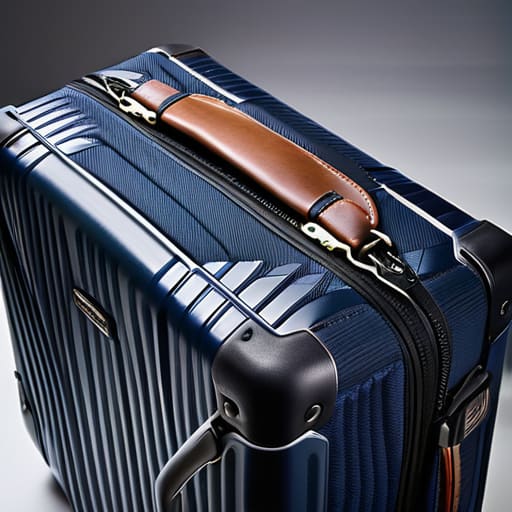
When a brand slaps the word “investment” on a suitcase, they’re usually just asking you to pay a premium for a logo. I want to see the math. If you’re looking at a high-end polycarbonate case, don’t just look at the shine; look at the thickness of the shell and the quality of the zipper teeth. A cheap zipper is a failure point that no amount of “luxury” branding can fix. If you’re deciding between hard shell vs soft shell suitcases, do the math on your lifestyle: a hard shell protects your tech better, but a soft shell with high-denier nylon gives you that extra bit of stretch when you inevitably overpack.
Then, look at the hardware. If you’re opting for spinner wheels vs inline skate wheels, consider the friction. Spinners are great for gliding through a terminal, but if the plastic housing isn’t reinforced, they’ll snap the moment they hit a cobblestone street in Europe. A real investment isn’t a price tag; it’s the cost-per-trip calculated by how many years the handle stays sturdy before it starts wobbling.
Hard Shell vs Soft Shell Which Durable Materials Actually Survive
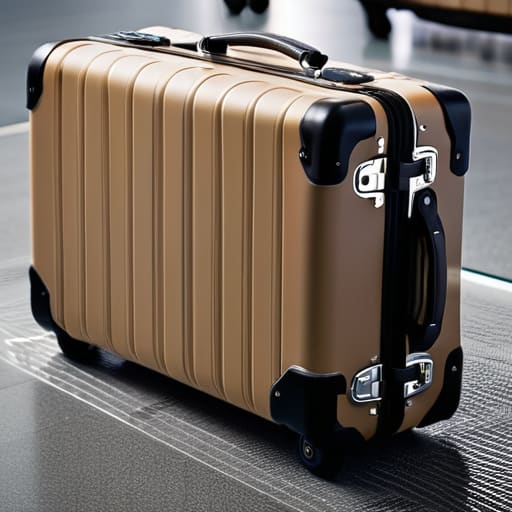
The industry loves to pit hard shell vs soft shell suitcases against each other like they’re different species, but I look at them through the lens of seam strength and impact resistance. If you’re choosing between carry-on vs checked luggage, your material choice changes the math entirely. Hard shells—usually polycarbonate or ABS—are great for protecting a laptop or a fragile souvenir, but they have a binary failure point: they crack. If you hit a curb too hard with a cheap ABS shell, it’s game over. I always tell people to feel the thickness; if it feels like a Tupperware lid, leave it on the rack.
Soft shells, on the other hand, are the workhorses of the travel world. Because they’re usually made of high-denier nylon or polyester, they can absorb the bruises of a baggage handler’s toss without snapping. The trade-off is the structural integrity of the seams. A cheap soft shell will eventually bulge or tear at the stress points where the handles attach. If you want the best suitcase for international travel, look for a fabric that feels substantial, not flimsy, and check that the zippers are heavy-duty metal, not that thin plastic stuff that splits the moment you overstuff it.
The Spinner Wheel Myth Why Inline Skate Wheels Often Win

Everyone loves the idea of a four-wheel spinner because it feels effortless in a smooth airport terminal. You glide it next to you like a little companion, and it feels high-end. But here is the reality from someone who has seen too many broken plastic housings in a repair shop: spinners are delicate. Those tiny, upright wheels are usually made of cheap polyurethane that cracks the second it hits a cobblestone street or a cracked sidewalk. If you are looking for the best suitcase for international travel, especially if your itinerary involves anything more rugged than a private shuttle, those little wheels are a liability.
This is where inline skate wheels win every single time. They are larger, thicker, and designed to absorb impact rather than just roll on glass. When you compare spinner wheels vs inline skate wheels, you aren’t just looking at aesthetics; you are looking at mechanical survival. Inline wheels handle the weight capacity of a fully packed bag much better because they have a larger surface area to distribute the load. If you want a bag that actually reaches your hotel instead of ending up as a heap of scrap plastic on a curb, stop chasing the “gliding” myth and start looking at the wheel diameter.
Carry on vs Checked Luggage Calculating Your Real Weight Capacity
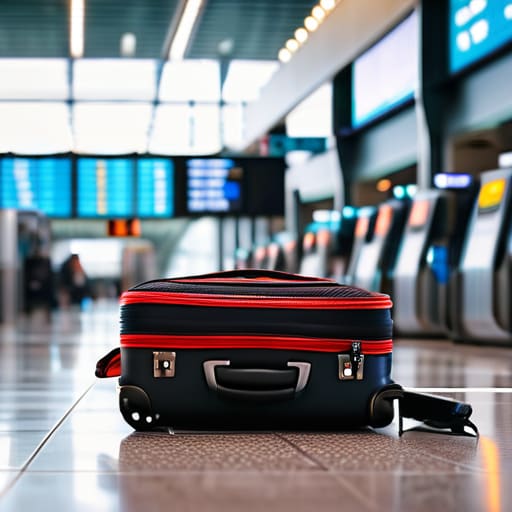
Most people approach the carry-on vs checked luggage debate like it’s a lifestyle choice, but it’s actually a math problem involving your specific transit points. If you are flying budget airlines with strict, non-negotiable weight limits, that “sturdy” hardshell case might actually be your enemy. I’ve seen people pay for a premium cabin only to get slapped with a £50 excess baggage fee because they didn’t realize their “durable” suitcase weighed 4kg before they even put a single sock in it.
Before you commit, look at the empty weight of the bag. If you’re a light packer, a high-quality soft shell is often the smarter move because it offers more flexibility for squeezing into overhead bins. However, if you’re planning a long-haul trip where you’ll be hauling heavy layers, you need to calculate your luggage weight capacity based on the weakest link in your journey—usually the airline’s scale, not your own strength. Don’t buy a massive checked bag just because you might need it; buy the smallest volume that fits your actual laundry cycle.
Finding the Best Suitcase for International Travel Without Overpaying
Here is the reality of international travel: the airport is a high-friction environment designed to break things. If you are hunting for the best suitcase for international travel, stop looking at the aesthetic color palette and start looking at the hardware. I’ve spent enough time unpicking ripped seams to tell you that a zipper is the most common point of failure. If the teeth look thin or the slider feels like it’s going to jump the track the moment you pack a heavy pair of boots, walk away. You aren’t saving money; you’re just buying a future headache at a transit lounge.
Don’t get seduced by the “luxury” labels that charge a 40% markup just for a logo. Instead, look at the construction of the handles and the reinforcement around the corners. Whether you choose hard shell vs soft shell suitcases, the stress points are where the math fails you. A high-end polycarbonate shell is great until it cracks under pressure, while a cheap polyester soft shell will pill and tear within three flights. Look for high-denier fabrics or impact-resistant plastics. If the build quality feels flimsy in the shop, it will definitely fail you when you’re sprinting to a connecting flight in Heathrow.
The Non-Negotiables: 5 Things to Check Before You Tap 'Pay'
- Check the zipper teeth, not the brand logo. If the zipper feels flimsy or the teeth look spaced too far apart, it’s going to split under pressure. A high-quality YKK zipper is the difference between a functional bag and a very expensive laundry bag by your second trip.
- Test the handle’s ‘play.’ Grab the telescoping handle and give it a wiggle. If it feels loose or wobbles significantly, it won’t stay upright when you’re navigating a crowded terminal. You want a handle that feels integrated into the frame, not an afterthought glued onto the top.
- Look at the seam reinforcement. Flip the bag inside out if you can, or look closely at where the fabric meets the hardware. If there isn’t a thick layer of binding or double-stitching at the stress points—like where the straps attach—the weight of your actual belongings will rip it apart in months.
- Ignore the ‘water-resistant’ marketing fluff. Unless it’s a technical piece of gear, most luggage is just ‘water-repellent’ at best. If you’re buying a soft-shell bag, check if the fabric is a tight weave; if you can see light through the fibers when you stretch it, rain will find its way to your clothes.
- Calculate the ’empty weight’ penalty. A heavy suitcase is a tax you pay on every single flight. If a bag weighs 4kg before you’ve even put a single pair of socks in it, you are actively shrinking your packing capacity and risking those annoying overweight fees at the check-in desk.
The Real Cost of a 'Luxury' Handle
Stop looking at the logo and start looking at the tension in the telescoping handle; if it feels flimsy when you pull it up, it’s going to snap the first time you try to navigate a cobblestone street in Rome, and suddenly that ‘designer’ bag is just an expensive, broken box you’re dragging through an airport.
Neve Okonkwo-Barr
The Bottom Line on Your Next Bag
Look, choosing luggage isn’t about finding the prettiest thing on a mannequin or the one with the most expensive logo; it’s about doing the math on how much abuse your gear is actually going to take. Stop getting distracted by the “luxury” marketing and start looking at the structural reality. Check the wheel housing, verify the fabric weight, and decide if you actually need a four-wheel spinner or if you’re just paying extra for a feature that’ll snap the first time it hits a cobblestone street in Rome. If you prioritize durability over aesthetics, you aren’t just buying a bag—you’re buying the peace of mind that you won’t be standing in a terminal at 2 AM trying to duct-tape a broken seam back together.
At the end of the day, your luggage is just a tool to get your life from point A to point B. It shouldn’t be the main character of your trip, and it certainly shouldn’t be a financial drain that requires a second mortgage. Build your kit around functionality and longevity, because a well-chosen, mid-range bag that survives five years of transit is infinitely more stylish than a “designer” piece that falls apart after two flights. Buy things that work on a Wednesday, buy things that hold their shape, and most importantly, buy things that last.
Frequently Asked Questions
If I find a designer suitcase on sale, is it actually a better deal than a mid-range brand with better wheel specs?
Look, a designer logo is just a very expensive way to pay for someone else’s marketing budget. If that “sale” suitcase has cheap, plastic wheels that’ll snap on the first cobblestone street in Rome, you haven’t saved money—you’ve just pre-ordered a replacement. I’d take the mid-range brand with the reinforced, inline skate wheels every single time. I’d rather have a sturdy, anonymous bag that survives three years of transit than a pretty one that dies in three months.
How can I tell if a zipper is going to burst halfway through my trip just by looking at it in a shop?
Don’t just tug on it; look at the teeth. If they’re plastic and feel flimsy or “squishy,” run. You want metal teeth or heavy-duty nylon with a wide, chunky gauge. Grab the slider and pull it fast—if it hitches or feels like it’s fighting the fabric, the teeth aren’t aligned or the tape is too thin. A zipper that feels like a struggle in the shop will definitely burst by your second layover.
Is it worth paying extra for a suitcase with a dedicated laptop compartment, or am I just paying for a feature I'll end up bypassing?
Honestly? Usually, no. You’re paying a premium for a “feature” that’s often just a thin, poorly padded sleeve that won’t actually protect your tech if the bag takes a tumble. Unless you’re a digital nomad living out of a single bag, you’re better off buying a sturdy, dedicated laptop sleeve separately. It’s more protection, it’s cheaper, and it gives you the freedom to pack your laptop in whatever way actually fits your gear.
