I spent three years pinning hems in a bridal shop, and if there is one thing I learned, it’s that the fashion industry loves to lie to you about “effortless” fabrics. They’ll sell you a three-hundred-pound linen trousers set, call it a summer essential, and act like the fact that it looks like a crumpled paper bag after ten minutes of sitting down is just part of the aesthetic. Most people think they’re doing linen wrong, but the truth is, most of the high-end stuff is just poorly constructed. I want to show you how linen works in practice, away from the glossy editorials and closer to the reality of sweat, seatbelts, and actual human movement.
I’m not here to tell you to buy more; I’m here to tell you how to buy better. We are going to talk about weave density, why a heavy weight linen is actually more forgiving than the flimsy stuff, and exactly how much it costs to have a tailor nip the waist so you don’t look like you’re wearing a sack. This isn’t about chasing a trend; it’s about understanding the math of the fabric so you don’t waste your money on something that won’t survive a single July.
Understanding How Linen Works in Practice
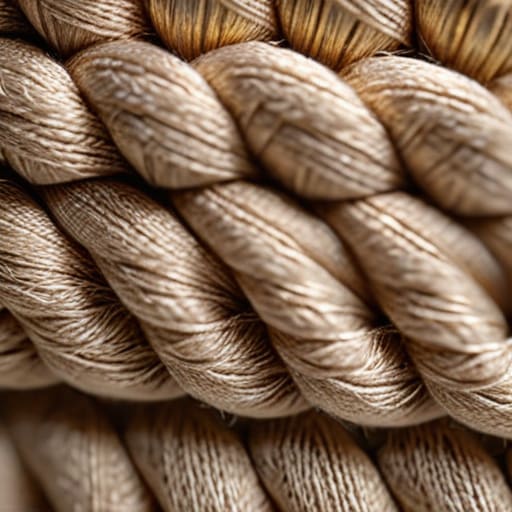
First, let’s get one thing straight: linen is not a “low-maintenance” fabric, no matter what the marketing copy tells you. If you expect it to look like a pressed shirt after you’ve sat in a car for twenty minutes, you’re going to be disappointed. But that’s where people get it wrong. The magic is actually in the linen textile texture—it’s got a structural integrity that cotton just can’t touch. Because it’s made from natural flax fiber, the yarns are thicker and more irregular, which means the fabric doesn’t just cling to your skin; it breathes with you.
When we talk about linen vs cotton performance, the difference is most obvious when things get sweaty. You aren’t just wearing a shirt; you’re wearing a cooling system. The moisture wicking properties of linen are what make it a lifesaver in July, pulling dampness away from your body much faster than a heavy synthetic blend ever could. Just remember that the trade-off for that breathability is the inevitable crease. If you stop treating wrinkles like a failure and start seeing them as a sign of high-quality natural fiber, you’ll stop fighting your clothes and start actually wearing them.
Key Things to Know
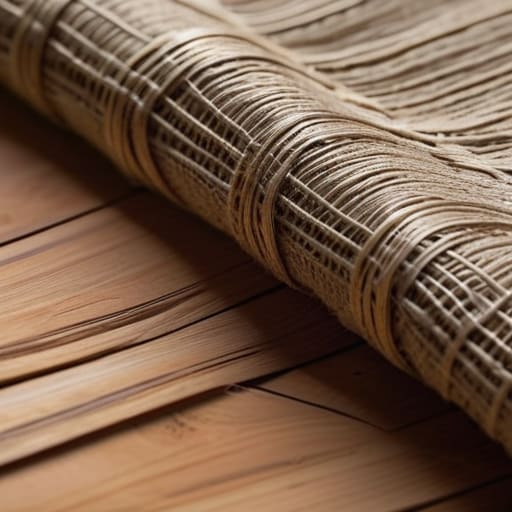
First, let’s talk about the physics of it. Linen is essentially a structural powerhouse because of its natural flax fiber benefits; it’s much stronger than cotton and actually gets better as the fibers break in and soften. However, don’t mistake strength for ease. Because the linen textile texture is inherently somewhat coarse and stiff, it doesn’t “drape” like a silk or a jersey. It stands. If you buy a linen shirt that’s too big in the shoulders, it won’t just look oversized—it will look like you’re wearing a cardboard box. You can pay a tailor £15 to take in those side seams, but if the fabric is too flimsy, the structure will collapse.
Secondly, stop treating the wrinkles like a personal failure. The moisture wicking properties of linen are what make it a lifesaver in July, but that breathability comes at the cost of looking “pressed.” If you want a crisp, professional look, you’re going to spend more on linen garment care and maintenance than the item was actually worth. My advice? Embrace the lived-in look. If you’re comparing linen vs cotton performance, remember that cotton hides a mess better, but linen survives the heat better.
Practical Tips and Steps
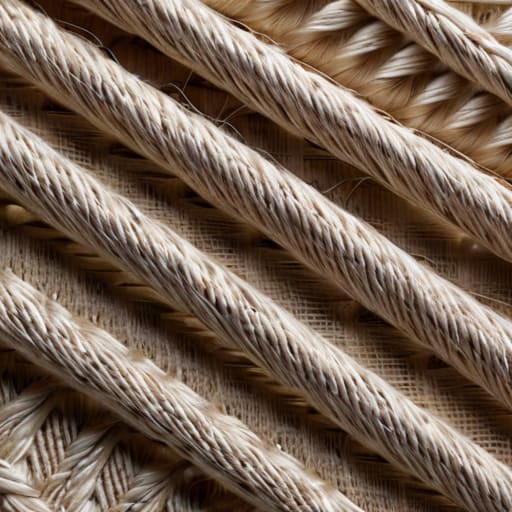
First, stop treating linen like it’s made of glass. If you’re buying a linen shirt because you want it to look crisp and “office-ready” for eight hours, you’ve already lost the battle. Instead, look for a heavier weight. When I’m checking linen fabric durability, I’m looking at the density of the weave; a thicker, more substantial cloth will hold its shape better and resist those aggressive, messy wrinkles that make you look like you slept in your clothes. If the fabric feels thin or translucent, it’s going to lose its structural integrity after three washes.
Second, let’s talk about the reality of the laundry basket. To actually manage linen garment care and maintenance, you need to embrace the steam iron or a good spray bottle. Don’t try to get it bone-dry and stiff; a little bit of residual moisture helps the fibers relax into a more intentional drape rather than a crumpled mess. Also, check the care label for linen blends. A linen-viscose mix might feel softer immediately, but it won’t have the same long-term structural memory as pure flax. If you want it to last, go for the pure stuff and learn to love the lived-in look.
Common Mistakes to Avoid
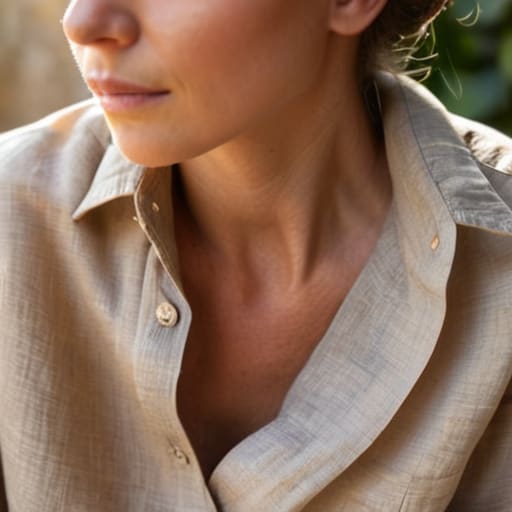
The biggest mistake I see is people treating linen like it’s a delicate silk that needs a prayer and a hand-wash every time it sees a speck of dust. It isn’t. If you treat it like a fragile heirloom, you’ll end up hating your wardrobe. People often panic at the first sign of a crease, but you have to accept the linen textile texture as part of the deal. If you’re constantly steaming out every single line, you’re fighting a losing battle against physics. Instead, lean into the lived-in look; it’s part of the charm, not a sign of neglect.
Another massive blunder is buying “linen blends” that are actually just 80% polyester masquerading as something natural. When you compare linen vs cotton performance, the magic of linen comes from those natural flax fiber benefits—specifically how it stays cool when the humidity hits. If you buy a cheap synthetic blend, you lose the moisture wicking properties of linen and end up trapped in a sweaty, non-breathable mess that won’t age well. Don’t let marketing trick you into paying “investment” prices for a fabric that’s mostly plastic.
Final Thoughts
Look, if you’re waiting for a fabric that stays crisp from your 9:00 AM meeting until your 6:00 PM drink, you’re looking at the wrong material. Linen isn’t going to perform like a synthetic blend that’s been sprayed with chemicals to hold its shape; it’s going to live, breathe, and crease. But that’s exactly why it works. When you stop fighting the linen textile texture and start leaning into the way it moves with you, you realize you aren’t wearing a stiff costume—you’re wearing something that actually respects your body.
At the end of the day, my advice is to stop treating linen like a delicate luxury and start treating it like the workhorse it is. Because of the natural flax fiber benefits, these pieces are built to outlast the fast-fashion polyester junk cluttering your closet. If you buy a decent weight, take the time to learn basic care, and accept the wrinkles as part of the deal, you’ll end up with a wardrobe that actually survives a Wednesday. Stop chasing perfection and start chasing pieces that last.
The Linen Survival Guide: 5 Rules for Not Looking Like a Dishevelled Mess
- Stop fighting the wrinkles and start checking the weight. If you buy a paper-thin, low-density linen shirt, it’s going to look like a crumpled paper bag by lunch. Look for a heavier, tighter weave; it still creases, but the folds look intentional and structural rather than just messy.
- Do not let a brand charge you “investment” prices for a linen-blend that is 40% polyester. The whole point of linen is breathability and that specific, crisp texture. As soon as you add too much synthetic, you lose the airflow and you end up with a fabric that wrinkles in a weird, shiny way that looks cheap.
- Check the seams before you commit. Because linen is a coarser fiber, cheap manufacturers often skip the French seams or the clean finishing. If the inside of the garment looks like a bird’s nest of loose threads, it’s going to fray at the seams within three washes. A good tailor can fix a loose hem, but they can’t fix bad construction.
- Learn the “Sit Test” in the changing room. Don’t just stand there looking in the mirror. Sit down. If the linen pulls tight across your thighs or hips while you’re seated, it’s too small. Linen has zero stretch, and unlike a cotton jersey, it won’t “give” and mold to your body—it’ll just stress the fibers until they snap or pull at the buttonholes.
- Budget for the “first wash” shrinkage. Most linen will shrink slightly on its first encounter with water, especially if it hasn’t been pre-washed. If you are right on the edge of a garment being too tight, buy the size up. It’s much cheaper to pay a local seamstress £15 to take in a waist than it is to realize your favorite summer trousers no longer fit your hips.
The Linen Reality Check
Stop treating linen like it’s supposed to look crisp; it’s not a formal shirt, it’s a living fabric. If you’re paying ‘investment’ prices for a linen blend that’s trying to hide its wrinkles with polyester, you’re being scammed. Real linen is meant to crease, so buy the heavy-weight weave that can actually hold its shape, and stop apologizing for looking like you’ve had a long day.
Neve Okonkwo-Barr
The Bottom Line on Linen
At the end of the day, linen isn’t a magic wand that keeps you looking crisp from 9 to 5; it is a living, breathing fabric that reacts to your life. If you buy a thin, low-density weave thinking it’s a summer miracle, you’ll be disappointed by how quickly it loses its shape and how transparent it becomes. But if you look for a substantial weight and understand that a few creases are just part of the texture, you end up with a piece that actually lasts. Remember: don’t overpay for the “luxury” label when the fiber quality is rubbish, and always check if the seams are finished well enough to survive a wash. Fit and fabric density will always beat a brand name when it comes to how a garment actually performs on a Tuesday afternoon.
Stop trying to fight the nature of the cloth. The industry spends millions trying to convince you that “wrinkle-free” is the gold standard, but that usually just means they’ve coated the fibers in chemicals that ruin the breathability you bought it for in the first place. Real style isn’t about being perfectly pressed; it’s about wearing clothes that make sense for your climate and your budget. Embrace the lived-in look, invest in better weaves rather than better logos, and stop treating your wardrobe like a museum exhibit. A linen shirt that looks like you’ve actually lived in it is infinitely more stylish than an expensive polyester blend that’s trying too hard to be something it isn’t.
Frequently Asked Questions
I found a linen blazer at a charity shop that looks completely crushed; is that just the nature of the fabric, or is it a sign of a cheap, low-quality weave?
It’s a bit of both, but don’t panic. Linen is structurally prone to “memory” creases, so it will always look lived-in. However, check the weave. If the crushed texture feels limp or looks like it has uneven, patchy gaps in the threads, it’s a low-density, cheap weave that won’t hold its shape. A good linen blazer should feel substantial. If it’s just wrinkled but the fabric has weight, a quick steam will bring it back.
How much should I actually budget for a tailor to take in the waist of a linen shirt without the fabric puckering or looking weird at the seams?
For a linen shirt, don’t expect a miracle for five quid. To avoid that nasty puckering where the seam looks like a crushed soda can, they need to use a fine needle and potentially a stabilizer. Budget roughly £15–£25 for a decent waist take-in. If they quote you less, they’re likely just ripping the side seams and sewing them back together without accounting for the fabric’s tendency to shift. Pay for the technique, not just the thread.
Is a linen-cotton blend actually better for daily wear, or am I just paying extra for a fabric that won't crease as aggressively?
It’s a bit of both. You’re paying for a compromise, not a miracle. Pure linen is a structural powerhouse, but it has zero chill; it wrinkles the moment you breathe. Adding cotton introduces more stability and softness, which helps the garment hold its shape through a Tuesday afternoon. If you want something that looks intentional rather than just “lived-in,” the blend is worth the extra few pounds. Just check the label—if it’s more than 30% cotton, you’re basically buying a heavy twill.
