I spent three years in a basement studio surrounded by the ghosts of “maybe one day” wardrobes—piles of polyester blends and “aspirational” trousers that were essentially just expensive landfill waiting to happen. Most people approach decluttering like a moral failing or a spiritual journey, but let’s be real: it’s usually just a math problem involving bad fabric and poor fit. You don’t need a lifestyle guru to tell you to “curate your essence”; you need to know how to decide what to let go of based on whether a garment actually serves your Tuesday morning reality. If you’re holding onto a silk slip dress that makes you feel like you’re wearing a glorified napkin, it’s not a “classic piece”—it’s just clutter.
I’m not here to give you a vague guide on mindfulness. I’m going to give you a practical framework based on seam allowances, fabric longevity, and the actual cost of repairs. We are going to look at your closet through the lens of utility and construction, separating the pieces that are worth a quick trip to the tailor from the ones that are simply dead weight. By the end of this, you’ll know exactly which items are worth the investment to fix and which ones deserve to be donated immediately.
The Math of Letting Go How to Decide What to Let Go of
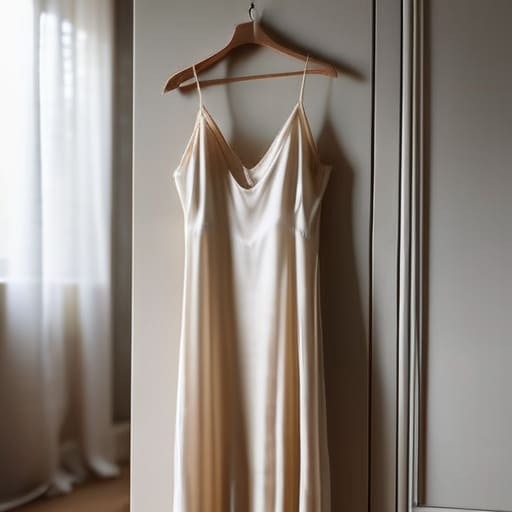
Here is my rule for the math: if you have to justify a garment’s existence through a long, winding story, it’s probably not a piece of clothing—it’s a museum exhibit. We all deal with the emotional attachment to belongings, but a silk slip you wore to a breakup in 2019 isn’t “vintage,” it’s just clutter that makes you feel heavy every time you open the drawer. If the only reason you’re keeping it is because of who gave it to you or how you felt in it three years ago, you aren’t honoring the memory; you’re just letting a ghost take up prime real estate in your wardrobe.
Instead, look at the actual cost-per-wear versus the cost-to-fix. If a skirt is beautiful but needs a £25 waist adjustment just to sit comfortably, and you haven’t touched it in six months, the math isn’t mathing. You’re facing decision fatigue decluttering every single morning because your brain is trying to process a “maybe” instead of a “yes.” If it doesn’t fit your body today, and it isn’t a high-quality fabric that a tailor can actually salvage for a reasonable fee, let it go.
Breaking the Emotional Attachment to Belongings That Dont Serve You

We need to talk about the “memory tax.” You know the one—that vintage silk blouse that reminds you of a summer in your early twenties, even though the armholes now pinch so hard you can barely breathe. We develop this intense emotional attachment to belongings because we confuse the garment with the version of ourselves that felt good wearing it. But here’s the truth: keeping a piece of clothing that makes you feel uncomfortable or self-conscious isn’t honoring a memory; it’s just cluttering your present.
If you’re struggling with the guilt of letting go of sentimental items, try this: separate the feeling from the fabric. If a dress is truly special, take a photo of it. If it’s just a heavy, polyester relic of a version of you that no longer exists, let it go. We often suffer from decision fatigue decluttering because we try to weigh the sentimental value against the physical space it occupies every single time we open the wardrobe. Stop doing that. If it doesn’t fit your body or your current Tuesday morning, it’s not a keepsake; it’s just a ghost in your closet.
Solving Decision Fatigue Decluttering Through Strict Fabric and Fit Standar
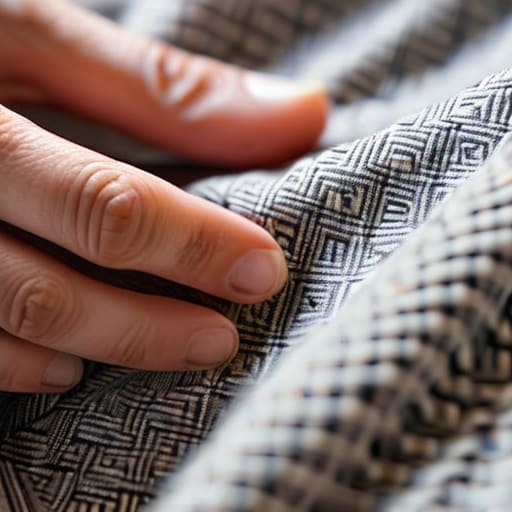
If you’re standing in front of a pile of clothes feeling paralyzed, stop trying to “feel” your way through it. That’s where decision fatigue decluttering turns into a three-hour mental breakdown. Instead, switch to a technical audit. I want you to look at every single piece through two lenses: fiber content and seam integrity. If it’s a thin, shapeless polyester blend that’s already pilling after three washes, it’s dead to me. If the fabric has lost its “memory”—meaning it doesn’t bounce back after you stretch it—it’s not a wardrobe staple; it’s a future rag.
Apply the same cold logic to the construction. If a garment has a structural flaw that would cost more to fix than the item is actually worth, let it go. I’ve seen people cling to “sentimental” pieces that are actually just falling apart at the armholes, creating unnecessary decluttering psychological barriers because they think they’re preserving a memory. They aren’t; they’re just hoarding scraps. If the fabric is cheap and the fit is unfixable, the math says it’s trash. Move on.
Minimalist Mindset Shifts Why Sentimentality Isnt a Wardrobe Strategy

We need to talk about the “memory tax” you’re paying every time you open your wardrobe. I see it all the time: a beautiful silk slip dress from a holiday five years ago that sits at the bottom of a drawer, or a heavy wool blazer that reminds you of an ex you’d rather forget. We treat these pieces like shrines, but an emotional attachment to belongings shouldn’t be the reason you’re staring at a pile of clothes for twenty minutes every morning. A wardrobe is a tool for your current life, not a museum for your past versions.
If you want real minimalist mindset shifts, you have to stop viewing your clothes as extensions of your identity and start seeing them as functional assets. If a garment doesn’t make you feel capable on a Tuesday afternoon, it’s just taking up physical and mental space. Sentimentality is a lovely thing for a photo album, but it is a terrible wardrobe strategy. When you stop letting ghosts dictate your outfit, you actually start dressing the person you are today.
Organizing for Mental Clarity and Defeating Decluttering Psychological Barr
The reason your closet feels like a heavy weight on your chest isn’t because you have too much stuff; it’s because you have too much noise. When you’re constantly scanning a sea of mismatched hangers and half-broken zippers just to find a shirt that doesn’t make you feel bad, you’re hitting a wall of decision fatigue. To fix this, stop thinking about “tidying up” and start organizing for mental clarity. Group your clothes by how they actually function in your life—work, lounging, or the “I have to pretend to be an adult” category—rather than by color or brand. If you can see the logic in the layout, your brain stops treating every morning like a high-stakes negotiation with your own furniture.
The real trick to defeating those decluttering psychological barriers is to stop treating your wardrobe like a museum of your past selves. We often get stuck because we view clothes as anchors to who we used to be, but a wardrobe is a tool for who you are now. If you can’t find a way to manage the emotional attachment to belongings that no longer fit your current lifestyle, you’ll always be tripping over ghosts. Keep the sentimental pieces in a small, dedicated box under the bed, but keep your closet reserved for the clothes that actually make your Wednesday mornings feel easy.
The "Keep or Kill" Checklist: 5 Quick Tests for Your Next Closet Audit
- The Alteration Math Test: If you love the piece but hate the fit, ask yourself: “Is the cost of a hem or a waist nip less than the cost of a new version?” If it’s a £15 fix for a £60 jacket, keep it. If you’re looking at a £40 structural overhaul on a polyester blend that won’t hold a stitch, let it go.
- The Fabric Integrity Check: Hold the garment up to the light. If the fibers are thinning at the elbows, the seams are puckering, or the pill is so bad it looks like felt, it’s dead. No amount of “styling” can fix a fabric that has reached its expiration date.
- The “Wednesday Morning” Reality Check: Stop keeping clothes for your “fantasy self”—the version of you that goes to gala dinners or lives in a Mediterranean villa. If you haven’t reached for it on a regular, slightly stressful Wednesday in the last six months, it’s just taking up mental space.
- The Seam Allowance Audit: Check the inside of the garment. If there is zero seam allowance (meaning the fabric is cut right to the edge with no extra room), you are trapped in that size forever. If you’re hoping to “grow into it” or “shrink back into it,” you’re just hoarding fabric, not building a wardrobe.
- The Color Palette Friction Test: Does this piece fight with everything else you own? If you have a beautiful emerald skirt that only works with one specific, uncomfortable blouse you hate wearing, that skirt isn’t a staple—it’s a hostage. If it doesn’t play well with your core colors, it’s out.
The Real Cost of Keeping It
Stop holding onto clothes because of who you were when you bought them or who you hope to be by next summer. If a garment is sitting in your closet doing nothing but taking up mental space and costing you more in frustration than it’s worth in fabric, it’s not a keepsake—it’s just clutter. If it doesn’t fit your body today, and it isn’t worth the £25 to have a tailor make it fit, let it go.
Neve Okonkwo-Barr
The Final Stitch
Look, at the end of the day, decluttering isn’t about achieving some aesthetic, empty-white-box minimalism you saw on Pinterest; it’s about reclaiming your morning. We’ve looked at the math—if it’s a poor fabric that won’t survive a wash or a fit that requires more tailoring than the garment is actually worth, let it go. We’ve tackled the emotional weight of those “someday” pieces and the decision fatigue that comes from staring at a closet full of nothing to wear. By applying strict standards to your fabric integrity and seam construction, you stop being a curator of clutter and start being the architect of a functional wardrobe.
Please stop treating your closet like a graveyard for your past selves or a waiting room for a future version of you that doesn’t exist yet. You deserve clothes that work for the person you are on a rainy Tuesday afternoon, not the person you wish you were at a gala. When you clear out the noise, you finally make room for the pieces that actually respect your time and your body. A smaller, better-fitting wardrobe isn’t a sacrifice; it is a strategic upgrade to your daily life. Now, go grab a bin bag and start with the things that just don’t pass the math.
Frequently Asked Questions
I have this expensive designer blazer that fits perfectly in the shoulders but the waist is a nightmare—is it actually worth the £30 tailoring fee, or should I just bin it?
Bin it? Absolutely not. If the shoulders fit, you’ve already won the hardest battle. Shoulder fit is the structural soul of a blazer; if that’s right, a tailor can nip the waist in an hour. For £30, you’re turning a “nightmare” into a bespoke-feeling staple. That’s not an expense, it’s a massive return on investment. Don’t let a bad seam ruin a good piece. Take it to the machine.
How do I tell the difference between a piece that is actually "bad quality" and one that just needs a bit of steam and a lint roller to look decent again?
Check the seams and the fiber. If it’s a natural blend—wool, cotton, linen—it’s usually just tired. A steamer and a lint roller can perform miracles on a crushed wool blazer. But if the seams are puckering, the fabric is thinning at the friction points, or it’s a cheap polyester that’s lost its shape permanently, that’s bad quality. If the structure is gone, no amount of steam will bring it back. Toss it.
If I'm trying to slim down my wardrobe, should I prioritize keeping the versatile basics or the "statement" pieces that I only wear once a year?
Keep the basics, period. Statement pieces that sit in your closet for 364 days are just expensive dust collectors. If you only wear that sequined blazer once a year, it’s not a “staple”—it’s a hostage. Prioritize the high-quality, versatile pieces that actually work on a random Tuesday. If a statement piece is truly special, it should be easy to style with your basics. If it requires a whole new outfit to function, let it go.
