Stop scrolling through those curated Pinterest boards that tell you that you need a thirty-piece “jewelry capsule” just to figure out how to layer necklaces without looking like you tripped into a costume trunk. I’ve spent far too many hours in cramped bridal studios watching people spend hundreds on “sets” that look identical the second they actually move, and frankly, it’s a scam. You don’t need a curated collection of gold-plated junk that turns your neck green by Tuesday; you just need to understand the physics of weight and where a chain actually wants to sit against your collarbone.
I’m not here to sell you a new aesthetic or tell you that more is always better. Instead, I’m going to show you how to use the pieces you already own—the ones sitting in your jewelry box gathering dust—to create a look that actually stays put. We’re going to talk about chain gauges, the math of spacing, and why a single heavy pendant is often better than five flimsy ones that tangle the moment you walk out the door.
Stop Buying More Gold How to Layer Necklaces You Already Own
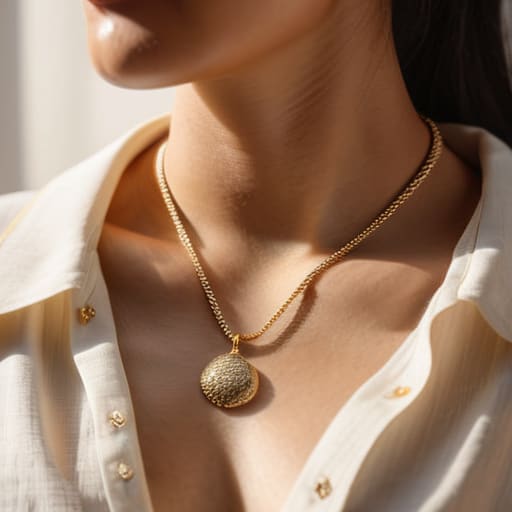
Stop buying more gold: How to layer necklaces you already own
The biggest mistake I see is the “set” mentality—buying a pre-packaged trio of chains because the marketing told you it looks “curated.” It usually just looks like you’re wearing a costume. Instead, look at what you actually have in your jewelry box. You don’t need a new collection; you need to understand necklace stacking rules that focus on visual weight. If you have three chains of the exact same thickness, they’re going to tangle into a single, heavy knot of metal that sits awkwardly against your collarbone. That is a waste of your time and your hardware.
Start by pairing a tight choker and chain combinations with something that has actual gravity. If you’ve got a tiny, delicate gold thread, pair it with a heavier pendant necklace combination to create a clear visual hierarchy. If a chain is just slightly too short to create that tiered look, don’t go out and buy a new one; spend five pounds on a necklace extender for layering. It’s the cheapest way to fix a gap in your proportions without contributing to the pile of “stuff” sitting in your drawer.
The Math of Necklace Stacking Rules Lengths That Actually Work
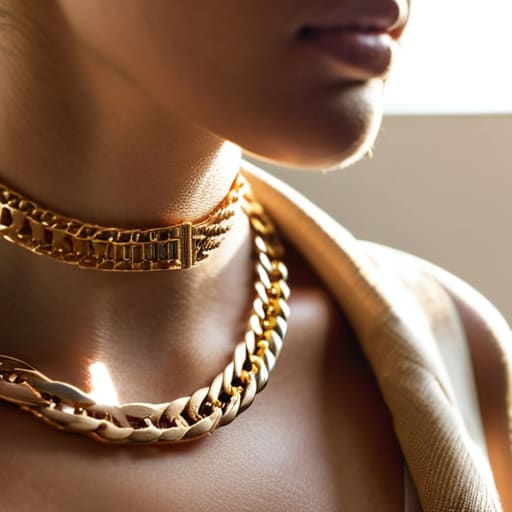
Forget the “rules” you see on Pinterest that involve twenty different chains and a prayer. Real jewelry layering styles are about the geometry of your neck, not the volume of your collection. If you want to avoid looking like you’ve tripped into a costume trunk, you need to respect the gaps. A good stack needs breathing room between each piece so the metals don’t just become one tangled, expensive mess. I usually aim for a three-tier system: a base choker or a short 14-inch chain, a mid-length piece around 18 inches, and a final weightier pendant at 22 or 24 inches.
If you have a beautiful piece that’s just slightly too long and keeps dipping into your neckline, don’t go out and buy a new necklace. Buy a necklace extender for layering instead; it’s a three-pound fix that saves you fifty pounds on a new chain. When you’re working with pendant necklace combinations, make sure the weights balance out. If you put a heavy, chunky stone on a tiny, delicate thread, the physics will fail you every time and it’ll sit crooked. It’s not about being “extra,” it’s about intentional spacing.
Mastering Jewelry Layering Styles Without Looking Like a Costume Shop
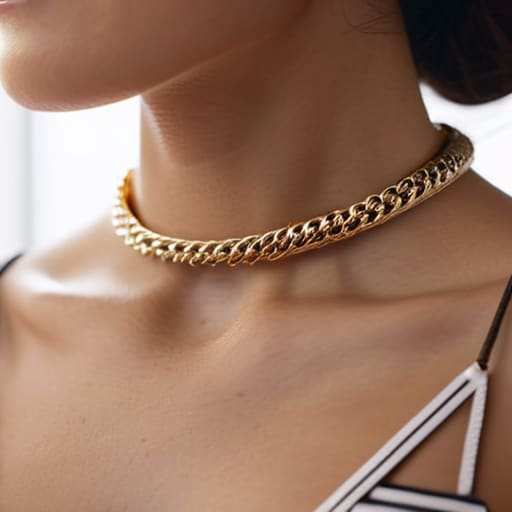
The reason most people fail at this is that they try to do too much at once. They see a “jewelry layering styles” tutorial on TikTok and end up looking like they’ve been raided by a pirate. The secret to avoiding the costume shop vibe is intentional spacing. If your chains are all fighting for the same millimeter of real estate around your neck, it looks like a tangle, not a choice. You need a clear hierarchy: a base layer, a middle layer, and a focal point.
If you’re working with pieces that are just slightly too short, don’t panic and go buy a new set. Grab a necklace extender for layering—they cost about five pounds and they are the unsung heroes of a functional wardrobe. This allows you to create those much-needed gaps between choker and chain combinations without needing to own ten different lengths. When you have that breathing room, the metal actually catches the light instead of just looking like a heavy, metallic clump. It’s about creating a silhouette, not just piling on weight.
Pendant Necklace Combinations Finding Balance in the Visual Noise
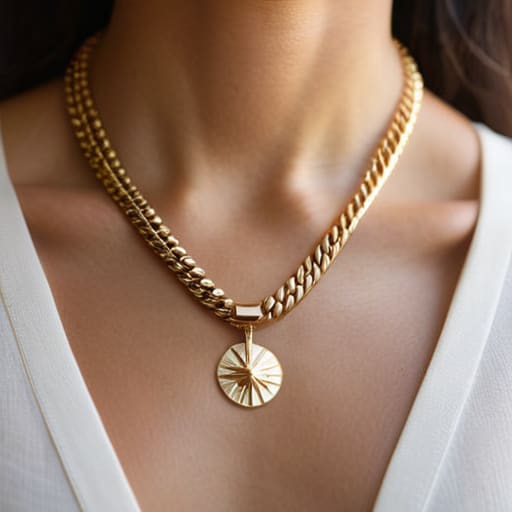
Pendants are where most people trip up and end up looking like they’ve walked straight into a treasure chest. The mistake isn’t the pendant itself; it’s the visual clutter. If you have three necklaces and all three have a heavy focal point, you aren’t “layering,” you’re just creating a pile of metal around your neck. To make pendant necklace combinations actually work, you have to establish a hierarchy. Think of it like a pyramid: one piece is the star, and the others are just the supporting cast. I usually tell people to pair one substantial, heavy pendant with a simple, thin snake chain or a delicate curb chain. This creates breathing room so your eyes actually have a place to rest.
If you’re working with pieces that are all slightly too long, don’t panic and don’t throw them away. Instead of buying a whole new set, grab a necklace extender for layering to create that necessary gap between lengths. It’s a five-pound fix that saves a hundred-pound mistake. If you’re experimenting with mixed metal necklace layering, keep the pendant weight consistent. Don’t pair a massive, chunky silver medallion with a tiny, dainty gold charm; the weight disparity will make the whole look feel accidental rather than intentional.
Mixed Metal Necklace Layering Making Your Mismatched Pieces Look Intentiona
If you’ve been told you can only wear silver or only gold because “mixing metals is a faux pas,” please ignore that. It’s outdated, it’s boring, and frankly, it’s a waste of perfectly good jewelry. The trick to mixed metal necklace layering isn’t about following a strict rulebook; it’s about finding a common denominator. If you have a gold pendant and a silver chain, they’ll look like they’re fighting each other unless there is a third piece that bridges the gap—think a mixed-metal link chain or a piece that features both tones.
When you’re experimenting with different jewelry layering styles, aim for a visual anchor. If you’re doing a heavy gold choker and chain combinations, keep the silver elements thinner or more delicate so they don’t compete for attention. You want the eye to move smoothly from one piece to the next, rather than jumping frantically between clashing textures. It’s not about matching; it’s about intentionality. If it looks like you just grabbed whatever was in the jewelry box while running for the bus, it’s a mess. If you curate the weight and the metal tones to create a cohesive flow, it looks like a deliberate, high-end choice.
The "No-Nonsense" Checklist for Necklace Layering
- Check your weight, not just your color. If you try to layer a heavy, chunky curb chain with a tiny, delicate gossamer thread, the heavy one is going to swallow the small one whole. You need varying weights so each piece actually has room to breathe.
- Watch the neckline tension. If you’re wearing a high crew neck, your shortest necklace needs to sit at least an inch above the fabric line. If it’s constantly fighting the collar, it’s going to look like an accident rather than a choice.
- Stop the tangling by varying the texture. If every chain in your stack is a smooth snake chain, they’ll slide into each other and knot up the second you walk to the bus stop. Mix a textured link with a smooth pendant to give them some physical separation.
- The “Mirror Test” for scale. If you’re wearing a massive statement pendant, don’t try to squeeze three other necklaces into the space above it. You either go with one big piece and one tiny chain, or you go for a full stack of medium weights. Anything in between just looks cluttered.
- Mind the clasp physics. Before you head out, check that your longest chain isn’t so heavy that it’s pulling your shortest one out of alignment. If the weight distribution is off, you’ll spend the whole day tugging at your neck.
## Stop chasing the "curated" look
Most people think layering necklaces is about buying a pre-made ‘stack’ from a brand that charges forty quid for three pieces of thin, gold-plated wire that will turn green by Tuesday. It isn’t. It’s about understanding the physics of your own neckline; if you pick two lengths that sit on the exact same plane, you haven’t layered anything, you’ve just created a knot. Pick one heavy piece to anchor the weight, one delicate chain to bridge the gap, and stop worrying about ‘trends’ and start looking at where the metal actually hits your skin.
Neve Okonkwo-Barr
The Bottom Line
At the end of the day, layering necklaces isn’t about following a strict set of rules from a glossy magazine; it’s about understanding the geometry of your own neckline and the weight of your chains. We’ve covered the math of varying your lengths so they don’t tangle into a single knot, the logic of balancing heavy pendants with delicate strands, and how to make those mismatched metals look like a deliberate choice rather than a jewelry box accident. Remember, the goal isn’t to look like you spent a month’s rent on a curated set. The goal is to stop letting your jewelry sit in a drawer because you’re afraid of looking “too much.” If the lengths are staggered and the textures are intentional, you’ve already done the hard part.
Stop waiting for a special occasion or a new shipment of “trend” jewelry to finally experiment. Most of the pieces you need to create a killer stack are already sitting in your bedside drawer, waiting for you to actually use them. Style isn’t a shopping problem, and it certainly isn’t a budget problem—it’s a confidence problem. Throw on three different lengths, check the mirror, and if it feels like you, then it works. That is the only metric that matters when you’re getting ready on a Tuesday morning.
Frequently Asked Questions
Will my necklaces get tangled every time I move, or is there a way to prevent the knotting nightmare?
The short answer is: yes, they will tangle if you treat them like a pile of loose change. If you’re layering thin, lightweight chains—the kind that have zero weight to keep them anchored—they’re going to knot the second you walk to the bus. To stop the nightmare, vary your weights. Pair a heavier curb chain with a delicate pendant. The weight difference creates tension that keeps them from dancing into each other. Also, stop tossing them in a bowl; use a dedicated organizer or even a piece of felt. It’s not about being precious; it’s about not wasting twenty minutes every Wednesday morning fighting a metal bird’s nest.
Can I actually layer necklaces over a thick knit sweater, or will the weight of the fabric just swallow the jewelry?
You can, but you have to stop treating a chunky knit like a silk camisole. If you try to layer delicate, tiny chains over a heavy wool cable knit, the fabric will absolutely eat them, and you’ll just look like you’ve lost some expensive glitter in your sweater. For thick knits, you need weight. Go for heavier gauges or chunky links. If the necklace doesn’t have enough visual mass to fight the texture of the yarn, don’t bother.
How do I know if a necklace is too heavy for its chain—is there a point where the pendant starts stretching the link out of shape?
If the chain starts looking like a V-shape instead of a graceful U, the pendant is winning the fight. Look closely at the links: if they’re pulling thin or looking elongated, the weight is too much. A heavy stone on a delicate cable chain is a recipe for a broken clasp or a distorted link. If you can see the metal straining, don’t risk it. It’s better to spend £15 on a sturdier chain than £50 on a repair.
