I spent two years in a basement studio pinning hems for a bridal shop, and if there is one thing those endless fittings taught me, it’s that a high price tag is no guarantee of a garment that actually holds its shape. I see it all the time: someone spends a month’s rent on a “luxury” cashmere sweater, only to have it turn into a shapeless, pilled mess by the second Tuesday of November. The marketing wants you to believe that softness equals quality, but they are lying to you. Learning how to judge a knitwear piece isn’t about feeling how fuzzy it is against your cheek; it’s about understanding fiber density, tension, and whether that “premium” blend is actually just disguised acrylic waiting to fail you.
I’m not here to sell you on a lifestyle or a brand name. My promise is much more practical: I’m going to show you the actual mechanics of a good knit. We’re going to talk about stitch structure, why weight matters more than the label, and exactly which red flags mean you should put that item back on the rack. I’ll give you the math behind the magic so you can stop gambling with your wardrobe and start buying pieces that actually survive the season.
Understanding How to Judge a Knitwear Piece
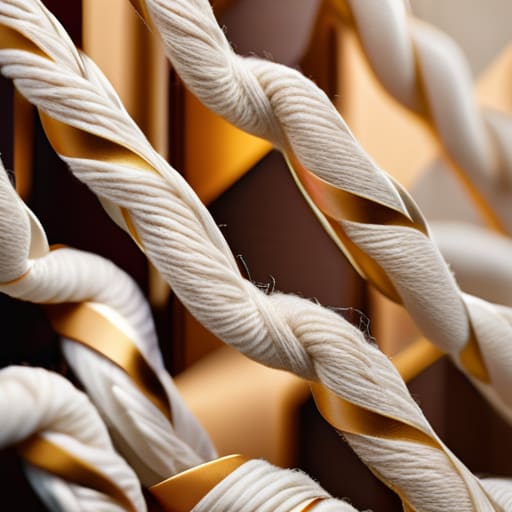
First things first: stop looking at the price tag and start looking at the actual yarn. The biggest mistake people make is assuming a high price equals longevity, but most “luxury” brands are just selling you marketing. To really know what you’re holding, you need to look at the yarn ply and twist. A single-ply sweater might feel soft in the shop, but it’s flimsy; it’ll stretch out and lose its shape by the third time you wear it. You want a multi-ply construction where the fibers are tightly twisted together—that’s what gives the garment the structural integrity to survive a real winter.
You also need to get comfortable with the natural fiber vs synthetic blends debate. I’m not saying avoid blends entirely, but if that “soft” sweater is more than 30% acrylic, it’s a ticking time bomb of pilling. Real quality shows up in the weight and the way the light hits the surface. If it looks shiny or plastic-y, run. If it has a matte, slightly irregular texture, you’re likely looking at something that will actually age with you rather than turning into a fuzzy mess by February.
Key Things to Know
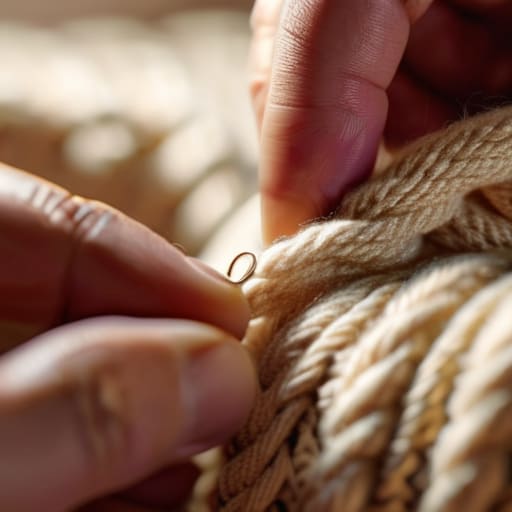
First, look at the label, but don’t stop there. The battle of natural fiber vs synthetic blends is where most people lose their money. If you see a sweater that is more than 20% acrylic, walk away; it’ll pill so badly by Tuesday that you’ll want to burn it. I always check the yarn ply and twist by stretching a small section of the knit. You want a tight, consistent twist that snaps back immediately. If the yarn feels loose, hairy, or uneven, it’s going to sag and lose its shape the moment it gets damp from a little bit of humidity or a light wash.
Next, pay attention to the weight and how it hangs. I look for sweater tension and drape to see if the piece actually has some structural integrity. A high-quality knit should feel substantial without being heavy, and it should hold its silhouette rather than clinging to every curve in a way that looks cheap. If the knit feels flimsy or “see-through” in the light, it lacks the density required for actual longevity. Remember, a sweater isn’t an investment if it can’t survive a single season of real life.
Practical Tips and Steps
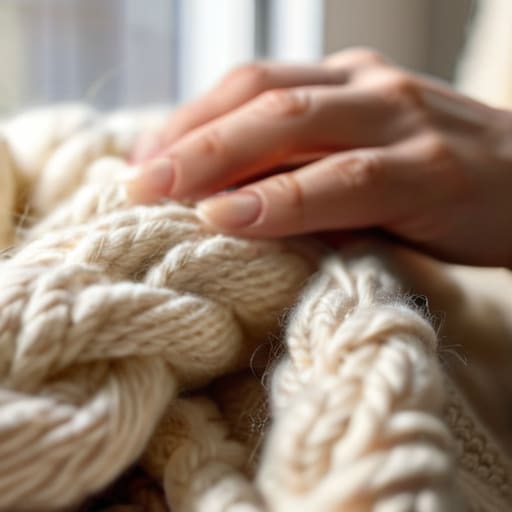
First, get your hands on the piece. Don’t just look at it; feel the weight and the way it reacts to your touch. When you’re weighing up natural fiber vs synthetic blends, look for that immediate sense of warmth and breathability. If a sweater feels strangely “squeaky” or overly shiny, it’s likely loaded with cheap acrylic that will pill the moment you sit down in an office chair. I always check the yarn ply and twist by gently stretching a small section; you want a tight, consistent structure that snaps back into place, not a loose, flimsy knit that looks like it’s already given up on life.
Next, turn it inside out. This is where the truth lives. Check the seams—are they finished cleanly, or is there a mess of loose threads and raw edges that will fray by next season? A high-quality piece will have consistent sweater tension and drape, meaning the weight is distributed evenly so it won’t sag awkwardly at the hem. If the ribbing at the cuffs feels thin or lacks “spring,” walk away. It’s not a bargain if you have to replace it in three months.
Common Mistakes to Avoid
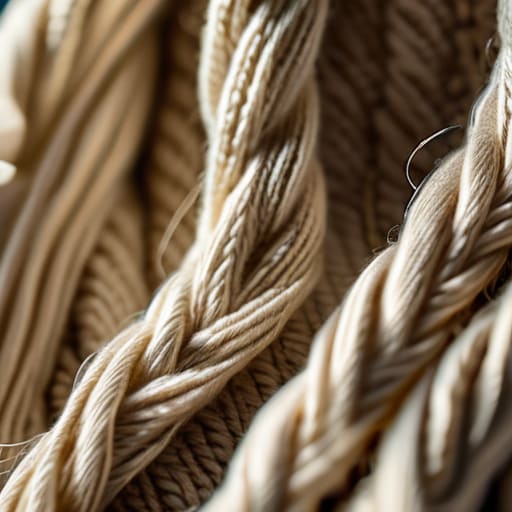
The biggest trap people fall into is assuming a soft hand-feel equals quality. I’ve seen “luxury” sweaters that feel like a cloud in the dressing room, only to turn into a shapeless, fuzzy mess after two wears. This usually happens because they’ve prioritized a chemical finish over actual yarn ply and twist. If the yarn is loosely spun just to feel fluffy in the shop, it has zero structural integrity. You aren’t buying a sweater; you’re buying a temporary sensation that will pill before your first Wednesday meeting.
Stop falling for the “100% Cashmere” lie without checking the weight. A massive mistake is ignoring the sweater tension and drape in favor of a brand name. If a knit feels suspiciously light or airy—almost like it’s made of cobwebs—it’s likely a low-grade fiber that won’t hold its shape. You want something with a bit of heft. If it doesn’t have enough substance to hang properly on your shoulders, it’s going to sag, stretch, and eventually look like you’re wearing a discarded tea towel.
Final Thoughts
Look, at the end of the day, I don’t care how many influencers are wearing a specific brand if the sweater looks like a wet paper towel after three wears. Stop looking at the price tag and start looking at the yarn ply and twist. If the fibers feel loose and scratchy, they’re going to lose their shape the second you hang them up. I’ve spent too many hours in a basement studio trying to steam life back into a cheap, shapeless knit to tell you otherwise.
Don’t get caught in the trap of thinking a “luxury” label automatically means longevity. True value comes down to understanding natural fiber vs synthetic blends and knowing that a little bit of structure is your best friend. If you can master the art of checking the tension and the seams, you’ll stop wasting money on “disposable” fashion. Buy the piece that actually holds its shape on a Tuesday, and you’ll find your wardrobe becomes a lot more reliable by Wednesday.
My Non-Negotiable Knitwear Checklist
- The Stretch-and-Snap Test: Grab a handful of the fabric and pull it firmly. If it doesn’t immediately spring back to its original shape, put it back on the rack. That’s a sign of poor recovery, meaning you’ll be wearing a shapeless, saggy sack by next Tuesday.
- Check the Seams, Not the Label: Turn the garment inside out. I’m looking for “fully fashioned” construction—where the pieces are actually knitted into shape—rather than cheap “cut and sew” edges that are just knitted tubes joined together. Cut and sew knits fray and lose their structure almost instantly.
- The Weight-to-Warmth Ratio: Don’t mistake bulk for quality. A heavy, chunky sweater made of 100% acrylic will feel like wearing a warm plastic bag, whereas a lightweight, tightly spun merino or cashmere will actually regulate your temperature without making you sweat through your shirt.
- The Pilling Preview: Run your hand (not your eyes) over the surface. If it already feels slightly fuzzy or “hairy” on the hanger, it’s going to pill aggressively within three wears. High-quality, long-staple fibers should feel smooth and tight, not loose and loopy.
- The Transparency Check: Hold the knit up to the light. If you can see large, uneven gaps in the knit pattern, the tension is inconsistent. Inconsistent tension means the garment will warp and twist after its first trip through the wash, and no amount of steaming is going to fix a structural unevenness.
The Real Cost of a Knit
Stop looking at the price tag and start looking at the tension of the knit; if a sweater feels like a loose, shapeless cloud of acrylic in the shop, it’s going to look like a saggy, pilled mess by the time you’ve finished your first Wednesday in it.
Neve Okonkwo-Barr
The Bottom Line
At the end of the day, judging a knit shouldn’t feel like a math exam, but it helps if you know what to look for. Stop getting distracted by the softest touch in the shop; that’s often just a chemical finish on a low-grade fiber. Instead, look at the fiber content, check the tension of the knit, and—my personal favorite—give it a gentle stretch to see if it actually snaps back or just stays saggy. If the seams look like they’re fighting for their lives and the weight feels suspiciously light for the price, walk away. Remember, a sweater isn’t a “steal” if you have to replace it by next November because the pilling turned it into a fuzzy mess.
My goal isn’t to turn you into a textile scientist, but to stop you from wasting money on things that don’t work. Style isn’t about having a massive, rotating collection of “must-haves”; it’s about having five or six pieces that actually fit your life and your body. When you buy for longevity instead of the current trend, you’re actually winning the game. Build a wardrobe that can survive a rainy Tuesday and a busy Wednesday, and don’t let the marketing tell you otherwise. You deserve clothes that last longer than a single season.
Frequently Asked Questions
If I find a high-quality wool jumper at a charity shop that's slightly too big, is it actually worth paying a tailor to reshape it, or is the fabric too unstable?
If it’s real wool—not that scratchy, thin stuff—it’s absolutely worth it. Wool is forgiving; it has “memory.” A tailor can take in the side seams or shorten the hem, and because the fibers are natural, they’ll settle into the new shape rather than looking like a botched hack job. Just don’t expect them to fix a dropped stitch or a massive hole. If the structure is sound, pay the twenty quid. It’s better math than buying a new polyester blend.
How can I tell if a "blend" is actually a smart way to make a garment last longer, or if it's just a way to hide cheap, pilling acrylic?
Look at the ratio. A smart blend—like wool and a tiny bit of polyamide—is there to give the garment shape and resilience so it doesn’t sag. That’s a win. But if you see “acrylic” or “polyester” listed first, or if the blend is 50/50, run. That’s just a way to mask cheap, scratchy fibers that will pill into a fuzzy mess by mid-November. If the natural fiber isn’t the star, it’s a lie.
Is it worth spending more on a heavy-gauge knit if I only plan to wear it for a few months, or should I stick to lighter weights that are easier to layer?
If you’re only wearing it for a few months, don’t drop the cash on a heavy-gauge knit. Heavy knits are expensive because of the yarn weight, and if they’re just sitting in a drawer for nine months of the year, that’s bad math. Stick to a mid-weight merino or a decent cotton blend. They layer better under jackets and actually get their money’s worth in versatility. Save the heavy investment for the pieces that survive the seasons.
