I spent three years in a basement studio pinning hems for people who thought a new necklace would hide the fact that their blazer was two sizes too big. It’s the oldest trick in the marketing playbook: they want you to believe that style is something you can just layer on top of a poorly fitting life. But here’s the truth that most influencers won’t tell you: understanding how jewellery changes an outfit isn’t about buying a massive collection of “statement pieces” that end up sitting in a drawer because they clash with your actual wardrobe. It’s about using weight, texture, and scale to direct the eye away from a seam that’s pulling or a neckline that’s sagging.
I’m not here to sell you on “must-have” trends or tell you that you need a diamond stud to look polished. I’m going to show you how to use what you already own—or what you can find for five pounds at a charity shop—to make a basic cotton tee look like a deliberate choice rather than an afterthought. We’re going to talk about metal weights, how a chunky chain can distract from a tricky shoulder seam, and why the right earring is often cheaper than a tailor but does half the work.
Understanding How Jewellery Changes an Outfit
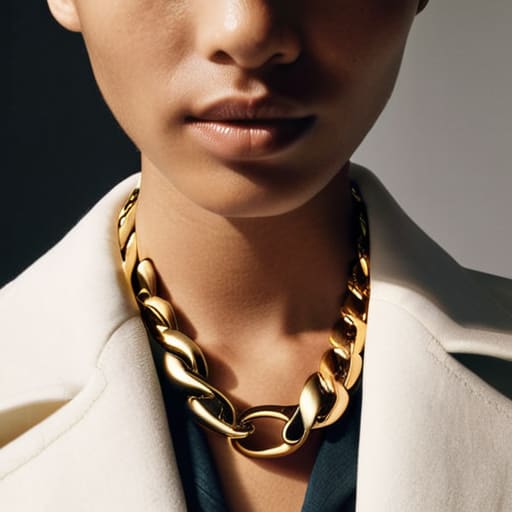
Think of jewellery as the visual shorthand for your outfit’s intention. If you’re wearing a plain cotton shirt and trousers—the kind of reliable base that works for a Wednesday—the metal you choose dictates the “vibe” more than the fabric does. A heavy, chunky chain says you’re ready for a meeting, while a thin, delicate pendant suggests you’re just passing through. It’s all about proportional jewellery selection; if you’re wearing a heavy wool coat with wide lapels, a tiny, dainty necklace is going to get swallowed whole. You need something with enough visual weight to stand up to the fabric.
The real magic, though, happens when you realize you don’t need a new wardrobe to change your look, just a different way of layering. You can move from a desk job to dinner simply by transforming day to night looks with a few strategic additions. I always tell my clients: don’t stress about buying “sets.” Instead, focus on how different pieces interact. Whether you’re experimenting with mixing gold and silver metals or deciding between statement jewellery vs minimalist pieces, the goal is to make the outfit look like you actually meant to wear it, rather than just pulling whatever was clean off the chair.
Key Things to Know
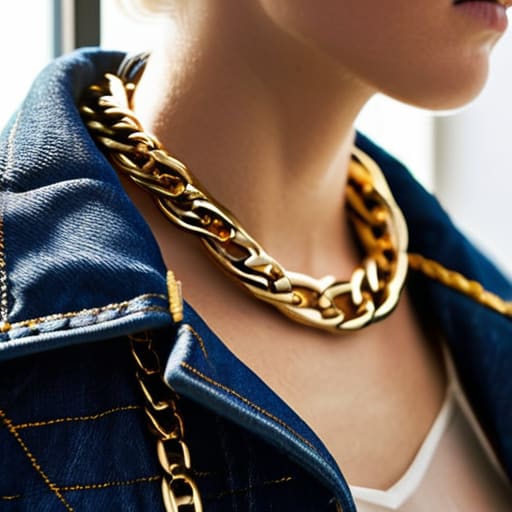
First, let’s talk about the physics of it. Jewelry isn’t just decoration; it’s a tool for redirection. If you’re wearing a shirt that fits a bit awkwardly in the shoulders, a heavy necklace can draw the eye upward and away from a messy seam. This is where proportional jewellery selection becomes your best friend. A tiny, flimsy pendant on a heavy, structured denim jacket looks like an accident, whereas a chunky chain makes it look like a choice. You want the weight of the metal to match the weight of the fabric.
Secondly, stop worrying about the “rules” of metals. I see people stress about mixing gold and silver metals like they’re committing a fashion crime, but it’s actually one of the easiest ways to make a basic outfit look intentional rather than just “thrown on.” If you’re trying to master transforming day to night looks, think about scale. A pair of small hoops and a stud work for a Tuesday morning meeting, but swapping them for something larger is the fastest way to signal that the workday is over without needing to change your entire outfit.
Practical Tips and Steps
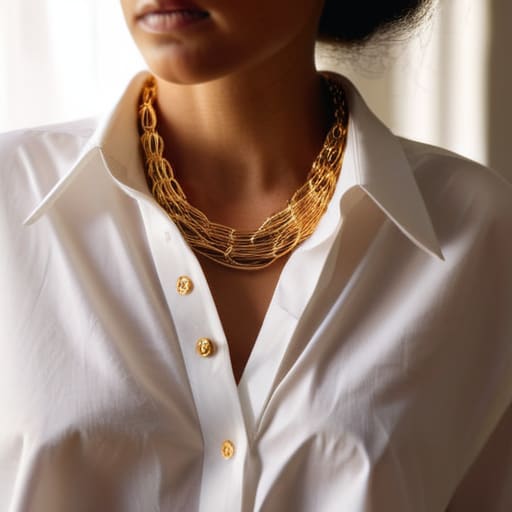
First, stop treating your jewelry box like a collection of “special occasion” relics. If you only pull out the heavy pieces for weddings, you’re missing the point of how they can actually ground a look. When you’re dealing with a basic, slightly ill-fitting cotton shirt, statement jewellery vs minimalist pieces becomes your most important decision. A chunky, sculptural necklace can distract the eye from a shoulder seam that sits a bit too wide, whereas tiny studs won’t do anything to shift the visual weight of a heavy fabric.
Second, learn the art of the quick pivot for transforming day to night looks. If you’re wearing a structured blazer for work, you don’t need a whole new outfit; you just need to change the metal language. I’m a big fan of stacking rings and bracelets to add texture to a sleeve that feels a bit too long or shapeless. It adds a sense of intentionality to your hands and wrists, making even a thrifted sweater look like a deliberate choice rather than a laundry-day accident. Just remember: if the jewelry looks like it’s fighting the fabric, take it off.
Common Mistakes to Avoid
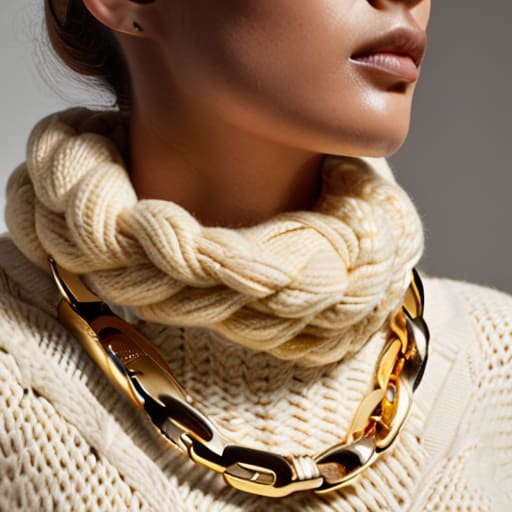
The biggest mistake I see—and I see it every time I’m styling someone for a client—is treating jewelry like an afterthought rather than a structural component of the outfit. People often fall into the trap of “matching” everything to their clothes, which usually results in a look that feels stiff and uninspired. If you’re wearing a heavy, textured knit, a tiny, delicate chain is going to disappear; you need proportional jewellery selection to ensure the weight of the metal actually stands up to the fabric. If the scales are off, the jewelry doesn’t look intentional, it just looks like you forgot to finish getting dressed.
Another trap is the “all or nothing” approach to statement jewellery vs minimalist pieces. I see people wearing a massive, chunky necklace alongside heavy earrings and a stack of bangles, creating a visual clutter that competes with the garment rather than enhancing it. It’s not about having “too much” jewelry; it’s about having too many focal points. You want the eye to know where to land. If your coat has a dramatic collar, skip the heavy necklace and focus on a killer earring or a structured ring instead. Stop trying to decorate the outfit and start trying to frame it.
Final Thoughts
Look, I’m not going to tell you that a new pair of earrings will solve your identity crisis, but I will tell you that they can solve a boring Tuesday. Most of the time, when people come to me complaining that their wardrobe “doesn’t work,” they don’t actually need a new blazer or a more expensive silk blouse. They just need to stop treating their accessories like an afterthought. Whether you are transforming day to night looks or just trying to make a thrifted sweater look like it wasn’t found in a bin, the metal and the weight matter.
Don’t get paralyzed by the rules. You don’t need to spend a fortune on a curated collection of “investment” pieces to look intentional. Start with the basics: learn your neckline and necklace pairing so you aren’t fighting your own collarbone, and stop worrying if you’re “allowed” to mix gold and silver. If it looks good in the mirror and doesn’t feel like it’s wearing you, it works. Style isn’t about the price tag; it’s about the intentionality of the finish.
Five ways to stop your jewellery from looking like an afterthought
- Use scale to fix a silhouette problem. If you’re wearing a heavy, structured wool coat that feels like it’s swallowing you, a tiny, dainty pendant is going to get lost and make you look even smaller. You need a chunky chain or a larger earring to hold its own against the fabric weight.
- Match your metals to your garment’s temperature, not just your skin. If you have a warm, mustard-toned knit, silver can sometimes look a bit jarringly “cold” against it. Gold or brass pulls that warmth out. It’s not a hard rule, but it’s the difference between an outfit looking intentional and looking accidental.
- Use necklines as your roadmap. A high, tight crew neck is the perfect canvas for a heavy pendant that creates a focal point, whereas a deep V-neck needs something that follows the line of the cut—think longer, thinner chains—otherwise, you’re just creating a visual gap that looks unfinished.
- Stop treating jewellery as a “finishing touch” and start using it as a structural tool. If your outfit feels “blah” because the fabrics are all matte and flat (like a basic cotton tee and denim), adding something with high shine or texture—like hammered metal—adds the visual dimension that a new purchase won’t.
- Consider the “cost-per-wear” of your statement pieces. Don’t buy a massive, trendy sculptural earring just because it’s on sale if it only works with one specific neckline. A solid, well-made gold hoop or a classic watch is a better mathematical bet because they work with the clothes you already have in your rotation.
The Cheat Code for a Boring Wardrobe
Jewelry is the only part of your outfit that doesn’t require a sewing machine or a seamstress to change the vibe. If you’ve got a basic white tee and trousers that fit perfectly, a heavy gold chain or a structured earring does the heavy lifting that a new shopping trip never could. It’s the cheapest way to make a ‘Wednesday outfit’ look like you actually tried.
Neve Okonkwo-Barr
The Final Stitch
At the end of the day, jewelry isn’t about adding more “stuff” to your pile; it’s about redirecting the eye. We’ve talked about how a heavy chain can ground a flimsy summer dress, how the right earring can distract from a sleeve that’s a bit too tight, and why you should stop buying cheap, plated bits that turn green before your first coffee break. Remember, the goal isn’t to look “accessorized”—it’s to make the clothes you already own look like they were actually meant to be worn together. It is the cheapest way to bridge the gap between a garment that just fits and an outfit that actually works for you.
Stop waiting for that massive windfall to buy a “statement piece” that will sit in a velvet box gathering dust. Style isn’t a luxury tax you pay to look put-together; it is a series of small, intentional decisions. Use what you have, lean into the pieces that make you feel less like you’re wearing a costume and more like you’re wearing yourself. Whether it’s a vintage brooch from a charity shop or a simple gold hoop that survived three years of daily wear, let your jewelry be the tool that makes your wardrobe feel finished. You don’t need a bigger closet; you just need better intention.
Frequently Asked Questions
Does the weight of my jewelry matter if I'm wearing a heavy fabric like denim or wool?
It absolutely matters. If you pair a tiny, spindly gold chain with a heavy 14oz denim jacket or a chunky wool coat, the fabric is going to swallow the jewelry whole. It’ll look like an afterthought rather than a choice. You need visual weight to match. Think substantial: chunky links, heavy hoops, or layered pieces. If the fabric has gravity, your accessories need enough “oomph” to hold their own against it.
Can a cheap necklace actually look high-end if I pair it with the right neckline?
Absolutely. It’s not about the price tag; it’s about the geometry. A cheap, lightweight gold chain looks expensive when it sits perfectly against a crisp, high-quality cotton poplin collar or a structured square neckline. The trick is making sure the fabric of your clothes doesn’t fight the metal. If the neckline is flimsy or pilled, the necklace will look cheap too. Match the “weight” of the garment to the jewelry, and you’re golden.
Is it worth spending more on gold-plated pieces, or should I just stick to costume jewelry for everyday wear?
Look, don’t let the “fine jewelry” crowd make you feel guilty. If you’re wearing it to a Tuesday meeting, go for gold-plated—but check the base metal. If it’s brass, it’ll turn your skin green in a month, and that’s just money down the drain. If you can’t afford solid gold, a decent gold-vermeil piece is a better mathematical bet; it lasts longer, meaning your cost-per-wear actually stays low.
