Stop letting brands convince you that a “technical” label justifies a sixty-pound price tag for something that’s essentially just a piece of fabric for your hands. I’ve spent enough time hunched over a sewing machine to know that most of these high-end cycling gloves are built with zero regard for actual seam allowance or longevity; they look great in a studio shot, but they pill and lose their grip after three weeks of real use. Whether you are trying to figure out how to choose gloves for cycling or driving, the marketing will try to sell you “aerodynamic textures” or “luxury leather finishes,” but they aren’t telling you how the stitching will chafe your knuckles or if that expensive lining will shrink the first time it hits a damp breeze.
I’m not here to give you a list of the trendiest labels to hunt down. Instead, I’m going to show you how to look at the actual construction—from the weight of the leather to the durability of the reinforced palms—so you don’t waste money on junk. I’ll tell you which materials actually survive a season of heavy use and how to spot a glove that is built to last rather than just built to look good on a shelf.
Understanding How to Choose Gloves for Cycling or Driving
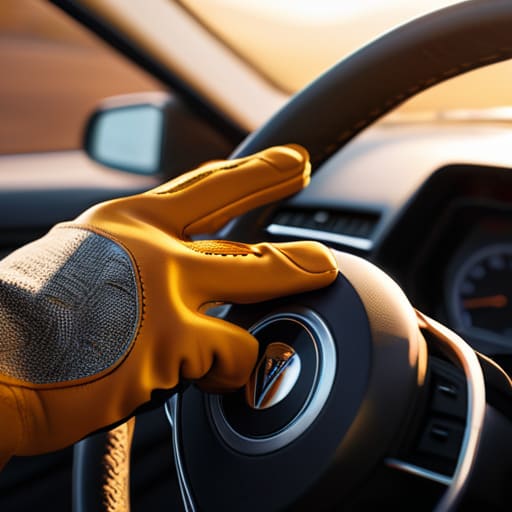
Before you even look at the price tag, you need to decide what problem you’re actually trying to solve. If you’re behind a wheel, you aren’t looking for heavy-duty insulation; you’re looking for tactile sensitivity for steering. There is nothing more frustrating than trying to navigate a touchscreen or feel the tension of a turn through thick, clumsy leather. You want something thin enough to feel like a second skin but substantial enough to stop your hands from getting clammy. Look for moisture wicking glove materials—if the fabric traps sweat, you’ll end up with slippery, uncomfortable palms halfway through your commute.
If you’re shifting gears on a bike, the math changes completely. Here, you aren’t just managing temperature; you’re managing impact. I always tell my clients to check the construction of the underside first. You need decent palm padding for comfort to absorb those micro-vibrations from the road, but don’t let them overstuff the glove. If the padding is too thick, you lose your finger dexterity and control, and that’s how accidents happen. It’s a balancing act between protection and precision, not a contest of who can wear the thickest mitten.
Key Things to Know
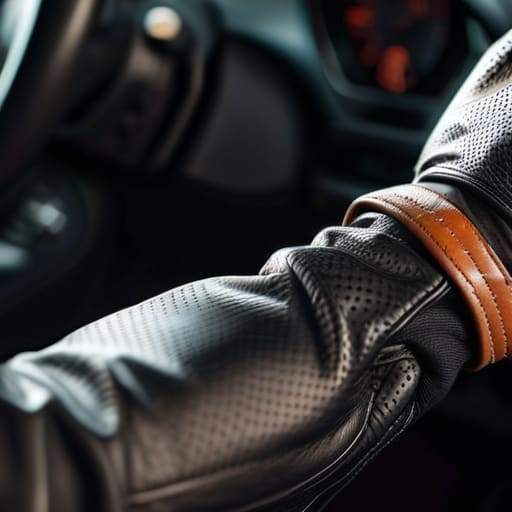
First, let’s talk about the stuff that actually matters: the construction. If you’re buying gloves for driving, you need to prioritize tactile sensitivity for steering. There is nothing more infuriating than feeling like you’re operating a vehicle with oven mitts on. Avoid anything with massive, chunky seams right in the palm; they’ll bunch up and drive you mad after twenty minutes. You want a thin, high-quality leather or a technical synthetic that lets you feel the wheel without sacrificing protection.
For the cyclists in the mix, the math changes. You aren’t just worried about grip; you’re worried about your hands turning into blocks of ice or, worse, sweating uncontrollably. Look for moisture wicking glove materials and a decent amount of palm padding for comfort to absorb those road vibrations. If the fabric is too thick, you lose your finger dexterity and control, which is a massive safety issue when you’re navigating tight turns. Don’t get distracted by a “sporty” look—if the material doesn’t breathe, you’re just paying for a very expensive, very sweaty hand-wrapper.
Practical Tips and Steps
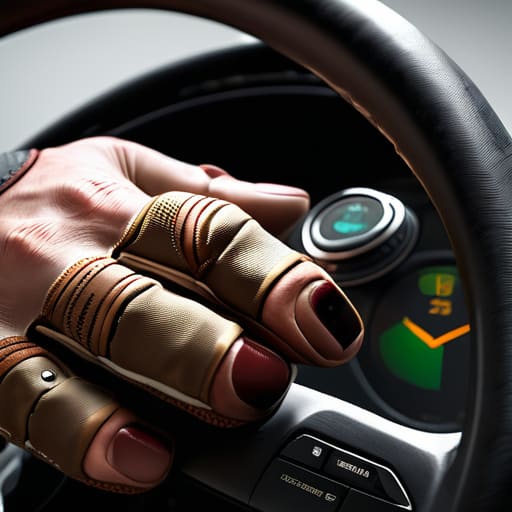
First, stop looking at the price tag and start looking at the palm. If you’re driving, you need tactile sensitivity for steering; if the material is so thick you can’t feel the texture of the wheel, you’re going to be fighting the car rather than guiding it. For cycling, the math changes. You need palm padding for comfort to soak up those road vibrations, but don’t let them make your hands feel like oven mitts. If you lose your finger dexterity and control, you’re essentially riding blind.
Second, check the construction of the seams. I’ve seen “premium” gloves where the stitching is so bulky it creates pressure points right in the middle of your palm. Look for flatlock seams or reinforced areas that won’t chafe after twenty minutes. Also, pay attention to the lining. If you’re sweating, you need moisture wicking glove materials or a decent breathable fabric for gloves to prevent that clammy, miserable feeling. If the fabric feels like cheap, non-reactive plastic, walk away—it won’t breathe, and it won’t last a season of actual use.
Common Mistakes to Avoid
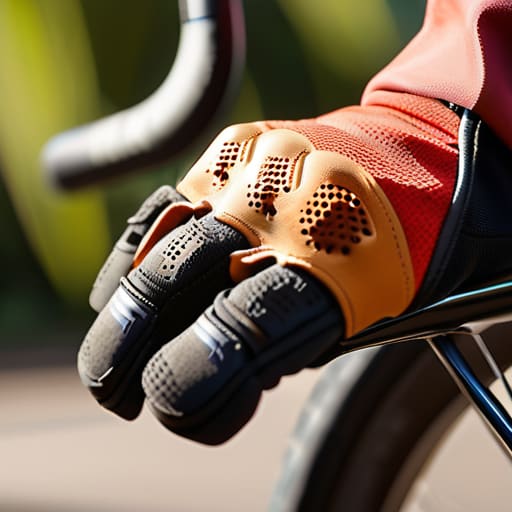
The biggest mistake I see is people buying for the “look” on Instagram rather than the actual mechanics of their hands. You’ll see these sleek, thin leather gloves that look incredible, but if they don’t offer any palm padding for comfort, you’re going to be miserable after twenty minutes of gripping a steering wheel or handlebars. It’s not about how the silhouette looks in a mirror; it’s about whether you can actually hold onto things without your hands cramping up.
Another trap is ignoring the internal climate. I’ve seen so many people buy heavy, non-breathable gloves for winter rides, only to end up with soaked, clammy hands because they didn’t opt for moisture wicking glove materials. If the fabric doesn’t let your skin breathe, you aren’t just uncomfortable—you’re losing finger dexterity and control, which is a genuine safety issue. Don’t let a pretty design trick you into buying something that makes your hands sweat or freeze. Check the seam allowance and the lining before you tap your card; if it feels like a plastic bag inside, put it back.
Final Thoughts
Look, at the end of the day, don’t let the glossy marketing photos convince you that you need a specific “lifestyle” brand to get the job done. Whether you are gripping a handlebar or a steering wheel, your hands are the only tools you actually have. If you prioritize a trendy silhouette over finger dexterity and control, you aren’t buying gear; you’re buying a very expensive way to make your commute more frustrating.
I always tell my clients to do the “pinch test” before they tap their card. If the material feels stiff or lacks the necessary tactile sensitivity for steering, put it back. You want something that works with your anatomy, not against it. If you find a pair of high-quality leather or technical gloves on sale, check the seams and the palm reinforcement. A little extra spend on quality construction now saves you from buying a replacement in three months when the stitching gives up. Stop chasing the aesthetic and start looking for the utility. Your hands will thank you.
Five ways to avoid wasting money on gloves that end up in a drawer
- Check the seam placement before you tap your card. If you’re driving, you want seams that sit away from your pressure points; if they’re rubbing against your knuckles while you’re gripping a steering wheel or a handlebar, you’ll be peeling them off in ten minutes.
- Do the “pinch test” on the leather or fabric. If it feels thin and papery, it’s going to lose its shape after three weeks of use. You want something with enough weight to hold its structure, but enough suppleness that it doesn’t feel like you’re wearing stiff cardboard.
- Stop buying for the “look” and start looking at the cuff. A glove that’s too short leaves your wrists exposed to the wind when cycling, and a cuff that’s too bulky makes it impossible to slide your hand into a car door or a jacket sleeve without a fight.
- Look at the hardware, not the brand name. A high-end logo means nothing if the zipper sticks or the velcro is that cheap, scratchy kind that loses its grip after a month. If the closures feel flimsy, the whole glove is a bad investment.
- Consider the “repairability math.” A pair of well-made leather driving gloves might cost more upfront, but if the seams are reinforced, a local tailor can fix a small tear for twenty quid. A cheap synthetic pair with glued-on panels? Once it starts peeling, it’s landfill.
The Real Cost of a Bad Fit
Stop looking at the brand name on the wrist and start looking at the seam allowance in the palm. If you’re buying driving gloves that bunch up at the knuckles or cycling gloves that lose their grip after three rides because the synthetic fabric is too thin, you aren’t buying gear—you’re buying expensive landfill. A good pair should feel like an extension of your hands, not a bulky obstacle between you and the steering wheel or the handlebars.
Neve Okonkwo-Barr
The Bottom Line
Look, at the end of the day, don’t let a glossy marketing campaign convince you that you need a pair of £80 technical gloves just to commute. Whether you’re gripping a steering wheel or a handlebar, the math remains the same: prioritize material integrity over a logo. Check the seam allowance, feel the weight of the leather or the density of the knit, and for the love of everything, ensure you can actually close your hand without the fabric pulling tight across your knuckles. If the fit is wrong at the store, it’s going to be a nightmare on the road. A good pair of gloves should feel like an extension of your hand, not a restrictive cage that makes you lose sensation when you need it most.
Stop treating your gear like a disposable accessory and start treating it like functional equipment. You don’t need a massive wardrobe of seasonal “must-haves”; you just need one or two pairs that are built to survive a year of actual use. If you find a vintage leather pair at a charity shop that’s slightly too long in the fingers, don’t walk away—take them to a tailor. For the cost of a lunch, you can have them shortened to fit your anatomy perfectly. Real style isn’t about what you buy; it’s about making what you own work for you.
Frequently Asked Questions
If I find a pair of vintage leather driving gloves at a charity shop, is it actually worth the £15 to have a tailor resize the fingers so they don't bunch up?
Here’s the math: if they’re genuine leather and the palm isn’t cracked, it’s a win. But resizing fingers is tricky; it involves deconstructing the seam, which is more labor than a simple hem. If a tailor charges £15, you’re looking at £30 total. If those gloves are high-quality grain leather, that’s still a steal for a bespoke fit. If they’re cheap, synthetic junk? Walk away. Don’t spend money fixing something that’s designed to fail.
Can I actually get a pair of technical cycling gloves taken in at the wrist, or is the seam construction usually too messy to fix?
Technically? Yes, but it’s a nightmare. Most cycling gloves use bonded seams or high-stretch synthetic blends that don’t play nice with a standard sewing machine. If you take them to a local tailor, they’ll likely charge you more than the gloves cost just to deal with the headache. Unless you’re paying for a specialist who handles technical gear, you’re better off finding a size that actually fits your wrist from the jump.
Is it better to buy one expensive pair of high-quality leather gloves that I'll use for both, or should I just accept that I'll need two separate, cheaper pairs?
Get two separate pairs. I know, I know—the “buy better, buy less” mantra is tempting, but the maths doesn’t work here. A heavy, insulated leather glove is great for a freezing bike ride, but it’ll make your hands sweat and feel clumsy the second you try to grip a steering wheel. Buy one decent, thin leather pair for driving and one rugged, weather-proof pair for cycling. Don’t let one “investment” piece fail at both jobs.
