I spent two years in a basement studio pinning bridal hems until my eyes blurred, and if there is one thing I learned, it’s that the fashion industry is lying to you. They want you to believe that if a pair of trousers doesn’t sit perfectly on your hips, you need to go out and spend another eighty pounds on a “new fit.” That is absolute nonsense. Most of the time, you don’t need a new wardrobe; you just need to know how to find a good tailor who won’t charge you a premium just because you walked through the door looking like you have money.
I’m not going to give you a list of “luxury boutiques” or tell you to look for a gold star on Google Maps. Instead, I’m going to show you how to spot the difference between a person who just operates a sewing machine and a real technician who understands grainlines and seam allowances. I’ll tell you exactly what questions to ask when you walk in, how to judge their workspace, and how to ensure your alteration costs the price of a lunch rather than a car payment. We’re going to make your clothes work for you, not the other way around.
Understanding How to Find a Good Tailor
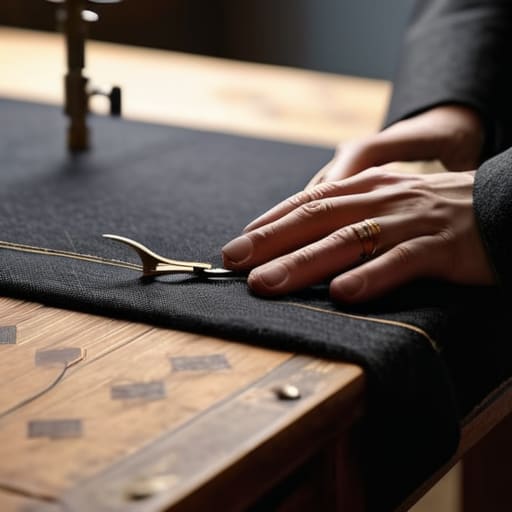
First, you need to distinguish between someone who does quick fixes and someone who understands custom clothing craftsmanship. There is a massive difference between a dry cleaner who can hem your trousers in ten minutes and a proper specialist who understands how a seam affects the drape of a heavy wool coat. If you walk in with a silk slip dress and they start talking about heavy-duty industrial nylon thread, walk out. You aren’t looking for a quick patch; you’re looking for someone who respects the architecture of the piece.
When you’re vetting a shop, don’t just rely on star ratings—professional seamstress reviews can be incredibly misleading if they’re just people happy their zipper was replaced. Instead, look at the workspace. Is it organized? Do they have a variety of needles and threads, or just one spool of black polyester? During your initial chat, ask a few informal tailor interview questions: ask them how they handle a tricky bias cut or what their turnaround time is for a simple waist adjustment. A real pro won’t be offended; they’ll actually enjoy explaining the technical side of the work to you.
Key Things to Know
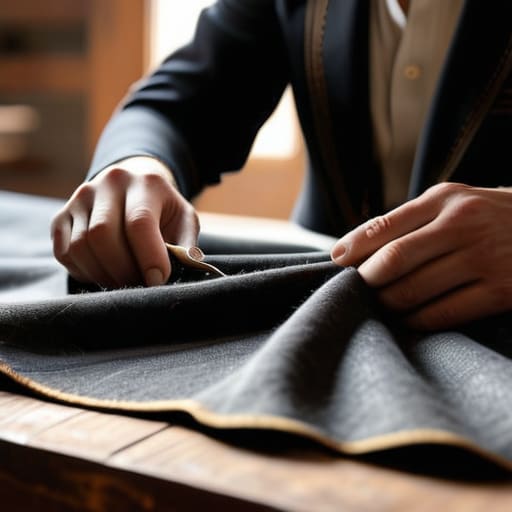
First, you need to understand the difference between a quick hem and true custom clothing craftsmanship. If you’re just looking to shorten a pair of trousers, you don’t need a high-end atelier; you need a reliable local shop. However, if you’re trying to reshape a vintage blazer that’s swallowing your frame, you’re moving into the realm of serious structural work. Don’t walk in expecting a miracle if you’re asking for something that defies the physics of the original pattern.
When you’re vetting a shop, don’t just look at their storefront; look at their scrap bin and their machines. A good place will have a variety of specialized equipment, not just one old Singer doing all the heavy lifting. I always tell my clients to check professional seamstress reviews specifically for mentions of “fit” rather than just “speed.” If everyone says they’re fast but nobody mentions how the clothes actually hang, run. You aren’t just paying for someone to sew a straight line; you are paying for their eye to understand how a seam should follow the curve of your body.
Practical Tips and Steps
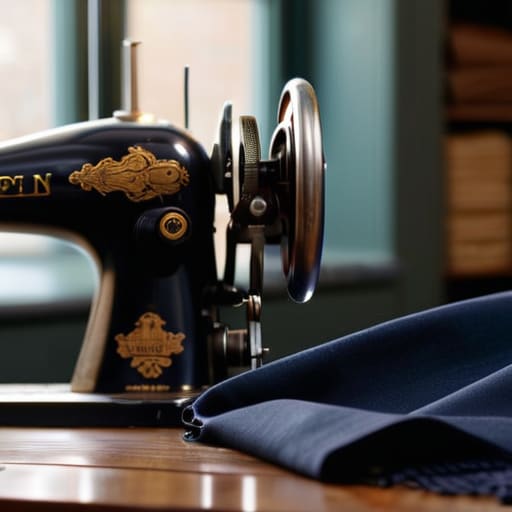
First, stop looking for a “tailor” in a generic Google search and start looking for someone who actually understands construction. When you walk into a shop, don’t just look at the finished suits on the mannequins; look at the workspace. Is it organized, or is it a graveyard of half-finished hems? If you’re nervous, treat it like a mini tailor interview—ask them straight up if they handle specific fabrics like heavy denim or delicate silk. If they hesitate or give you a vague “we can try,” walk out. You aren’t paying for them to “try”; you’re paying for them to know exactly where that seam needs to sit.
Once you’ve found a candidate, the real test is the garment fitting process. A decent professional won’t just pin your trousers while you stand perfectly still like a statue; they’ll ask you to sit down, walk a few steps, and reach for your bag. If they don’t check how the fabric moves when you’re actually living your life, they aren’t doing their job. Always ask for a quote before they touch the fabric. A simple hem shouldn’t cost more than a decent lunch, and if they can’t give you a straight number, they aren’t worth your time.
Common Mistakes to Avoid
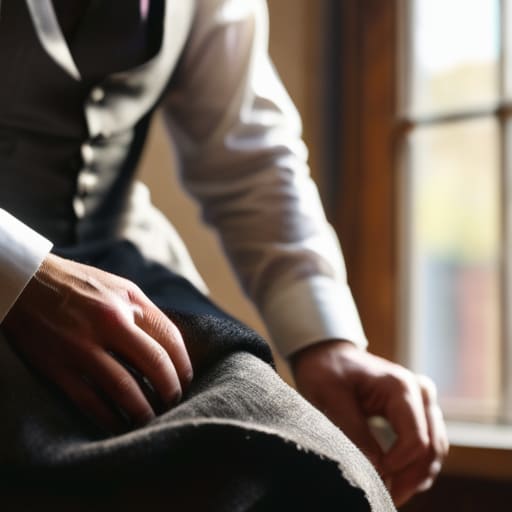
The biggest mistake I see is people treating a tailor like a vending machine—you drop the item off, pay, and expect magic. Most people don’t realize that the garment fitting process is a conversation, not a transaction. If you just hand over a pair of trousers and say “make these fit,” you’re asking for disaster. You need to be present, you need to move in the fabric, and you need to tell them exactly how you intend to wear it. If you aren’t prepared to sit on a stool and actually test the movement, you’re just gambling with your money.
Another massive blunder is confusing high-end bespoke tailoring vs alterations. If you walk into a shop that specializes in hand-stitching three-piece suits and ask them to patch a hole in your fast-fashion leggings, you’re going to pay a premium for something they don’t actually want to do. Conversely, don’t expect a dry cleaner who happens to have a sewing machine in the back to fix a structural shoulder issue. Some jobs require a specialist; don’t let a “quick fix” turn into a permanent ruin.
Final Thoughts
Look, I know the whole process feels a bit daunting. It’s much easier to just click ‘add to cart’ and hope for the best, but that’s how you end up with a closet full of clothes that don’t actually work for your life. Finding the right person isn’t just about a quick hem; it’s about finding someone who understands the soul of the fabric and won’t ruin a good seam by being lazy. Whether you are looking into serious bespoke tailoring vs alterations or just need a button sewn back on, the goal is the same: making sure your clothes serve you, rather than you fighting against them every morning.
Don’t be afraid to ask questions or take your time. A decent professional won’t mind a bit of scrutiny during the garment fitting process. If they can’t explain why they’re pinning a specific way, they probably shouldn’t be touching your clothes. At the end of the day, a well-fitted wardrobe isn’t about how much you spent at a flagship store; it’s about the math of the fit and having the right hands to make it happen. Stop settling for “close enough” and start investing in the clothes you already love.
Five ways to tell if they actually know their way around a sewing machine
- Look at the shop window, not the Instagram feed. A glossy page of polished models means nothing; I want to see a shop that looks like a workshop. If there are thread scraps on the floor and a heavy-duty industrial machine humming in the back, you’re in the right place. Real tailors are too busy working to curate an aesthetic.
- Check their “specialty” by looking at what’s hanging on their racks. If the shop is full of delicate silk slips and lace, don’t bring them your heavy denim or a structured wool blazer. You need someone who understands weight and tension, otherwise, they’ll sew a heavy seam through a light fabric and leave you with a puckered mess that looks like a topographical map.
- Ask for a “rough estimate” on something specific, like a hem or a waist nip. If they give you a vague “it depends” without asking to see the garment or feel the fabric, walk away. A pro will tell you immediately if the seam allowance is too slim to fix or if the construction makes the job harder. If they can’t do the maths on the cost right then, they aren’t professionals.
- Watch how they handle a garment during the consultation. A good tailor doesn’t just pin the fabric; they drape it. They should be looking at how the garment moves on your body, not just where the excess fabric sits. If they aren’t checking the alignment of the side seams or the way the shoulder sits, they’re just a seamstress, not a tailor.
- Do a “test run” with something low-stakes. Never, ever bring your one-of-a-kind vintage find or your most expensive suit for your first visit. Take a pair of trousers you don’t love that much and ask for a simple hem. If the stitch tension is uneven or the hem is slightly crooked, you’ve saved yourself a massive headache and a ruined investment.
The Real Math of Style
Stop looking for a ‘fashion expert’ and start looking for someone who actually understands seam allowance and fabric weight; a person who can fix a shoulder without ruining the drape is worth ten times more than a designer label that fits you perfectly right off the rack.
Neve Okonkwo-Barr
The Bottom Line
Look, finding a decent tailor isn’t about finding a magic wand; it’s about finding someone who actually respects the construction of your clothes. Remember that you aren’t just paying for a shorter hem or a taken-in waist—you are paying for their eye, their tension settings, and their ability to not ruin a good seam allowance. Don’t be afraid to ask them about the cost upfront, check their fabric knowledge, and, most importantly, look at the stitching on the garments they are currently working on. If the lines are crooked or the thread looks like it’s fighting for its life, walk away. A twenty-pound alteration that ruins a fifty-pound skirt is just an expensive way to end up with a rag.
At the end of the day, I want you to stop looking at your wardrobe as a collection of “almost fits” and start seeing it as a toolkit. We spend so much time scrolling through ads for the “perfect” item, when the truth is that the perfect item is already sitting in your closet, just waiting for a little bit of structural help. When you stop trying to force your body into a trend and start shaping the clothes to you, everything changes. You don’t need a bigger budget; you just need a better relationship with your local seamstress. Go find your person, fix your favorites, and stop letting bad fit dictate your confidence.
Frequently Asked Questions
How do I know if a tailor can actually handle tricky fabrics like silk or heavy leather without ruining them?
Don’t just ask if they can do it; ask what machine they use. Silk needs a fine needle and a walking foot so it doesn’t pucker and look like a cheap mess. For leather, if they don’t have a heavy-duty industrial machine and specialized needles, walk away—they’ll just chew up your jacket. Ask to see a sample of their work on something difficult. If they look at you like you’re speaking Greek, they aren’t the one.
Is it worth paying more for a specialist if I'm just getting a basic hem done on a pair of jeans?
Honestly? No. Don’t go to a specialist for a basic denim hem. You’ll end up paying a “couture premium” for something that doesn’t require a master’s degree. A local dry cleaner or a reliable neighborhood tailor can handle a hem for a fraction of the price. Just make sure they have a heavy-duty machine; if the thread looks like it’s struggling to pierce the denim, walk away. Save the specialist for when you need to reconstruct a blazer.
How can I tell if a tailor is actually good or if they're just charging me a premium for a simple fix?
Look at their workspace, not their storefront. If they’re working in a pristine, minimalist boutique with zero thread scraps, run. A real tailor has a machine that actually hums, a decent selection of thread colors, and—most importantly—the ability to explain why a seam is pulling. If they can’t tell you why a specific fabric needs a different needle or why a hem will sag if they don’t weight it, they’re just a glorified seamstress.
