I spent three years pinning hems in a damp basement studio, and if there’s one thing I learned, it’s that a “luxury” label means absolutely nothing if the material has the structural integrity of a wet paper towel. I’ve watched people drop a week’s wages on a designer blouse only to realize that how fabric weight affects a garment is the difference between a piece that skims your curves and one that clings to every single thing you’re trying to hide. Marketing teams want you to focus on the brand name, but I want you to focus on the grams per square meter. If the fabric is too thin, it won’t hold a shape; if it’s too heavy, you’ll look like you’re wearing a costume.
I’m not here to give you a lecture on textile science or sell you on a new “must-have” collection. Instead, I’m going to show you how to actually read a garment before you tap your card. We’re going to talk about which weights actually survive a washing machine, why a heavier drape can save a cheap silhouette, and exactly when a heavy fabric is worth the extra cash. No hype, just the practical maths of building a wardrobe that actually works.
Stop Buying Thin Lies How Fabric Weight Affects a Garment
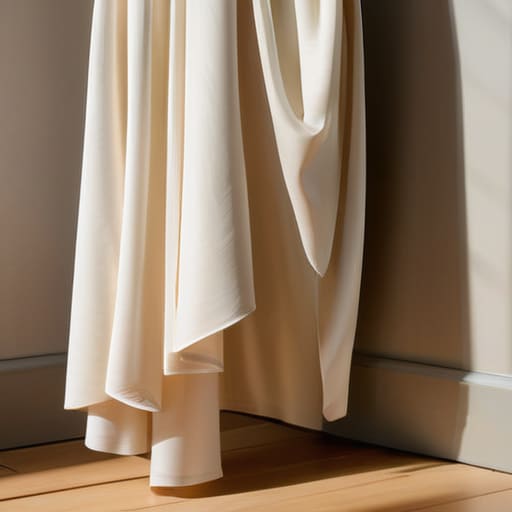
When you’re standing in a dressing room, the lighting is usually doing you no favors, but the fabric shouldn’t be the thing that betrays you. I see it all the time: someone buys a “luxury” midi skirt that looks stunning on a mannequin, only to get home and realize it clings to every single seam of their underwear. That is a failure of fabric opacity and thickness. If a textile is too thin, it doesn’t just show your lines; it loses its ability to hold a shape. You aren’t just buying a color; you are buying how much structural integrity that piece has.
The real math happens when you look at the technical specs, though most brands hide them. Whether you’re looking at oz per square yard vs gsm, that number tells you exactly how much “meat” is in the cloth. A high gsm means the garment has enough heft to skim your body rather than hugging it like a second skin. If you want a blazer that actually looks professional and not like a pajama top, you need to prioritize choosing fabric for garment structure. If the weight is too low, the silhouette collapses, and no amount of tailoring can fix a garment that simply lacks the bones to stand up on its own.
The Math of Gsm Oz Per Square Yard vs Gsm
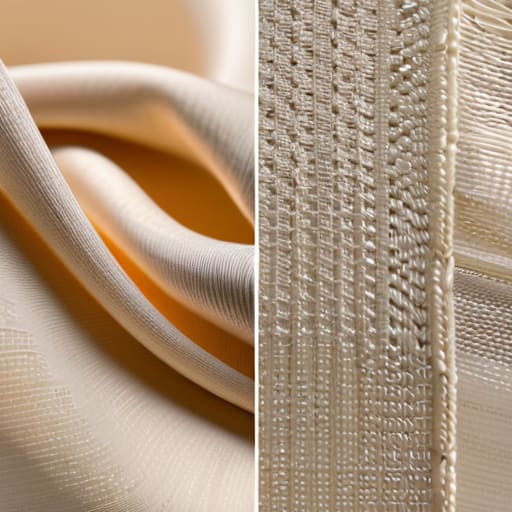
If you’re looking at a spec sheet online and seeing two different numbers, don’t panic—it’s just a math problem. You’ll see some brands talking in grams per square meter (GSM) and others using ounces per square yard (oz). If you’re trying to figure out oz per square yard vs gsm, just remember that GSM is the metric standard, while ounces are the old-school imperial way. To get a rough idea without a calculator, just multiply the GSM by 0.029. It’s a bit of a headache, but knowing the difference is how you stop getting tricked by “premium” labels that are actually just thin.
The real reason I care about these numbers isn’t just for the sake of trivia; it’s about choosing fabric for garment structure. A high GSM means more density, which usually translates to better fabric opacity and thickness. If you’re buying white trousers and the GSM is too low, you aren’t just buying a bargain; you’re buying a garment that will show your underwear to the entire world. I always check the weight because I want to know if a shirt will actually hold its shape or if it’s going to turn into a wrinkled mess by lunchtime.
Decoding Fabric Drape and Silhouette Without the Hype
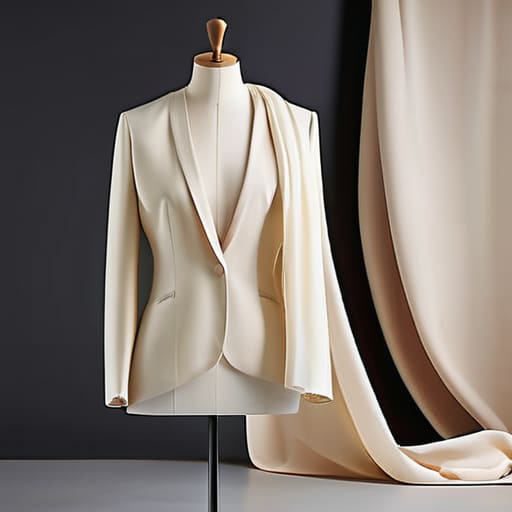
Here is the truth: you can find a piece with the perfect color, but if the weight is wrong for the cut, you’ll look like you’re wearing a costume. This is where fabric drape and silhouette come into play. A lightweight silk might look dreamy on a mannequin, but if you’re looking for something to hold a sharp, professional shoulder, that thin material is going to collapse the moment you move. It won’t skim your body; it will just cling to every single thing you’re trying to hide.
On the flip side, don’t mistake “heavy” for “good.” I see people buying these massive, chunky knits thinking they look expensive, but if the knit is loose and lacks density, it just sags. You want intentional structure. If you’re choosing fabric for garment structure—like for a blazer or a structured midi skirt—you need enough heft to support the seams without making you feel like you’re wearing a suit of armor. It’s about finding that sweet spot where the textile has enough body to hold its shape, but enough grace to actually move with you.
Textile Density and Breathability the Real Cost of Comfort
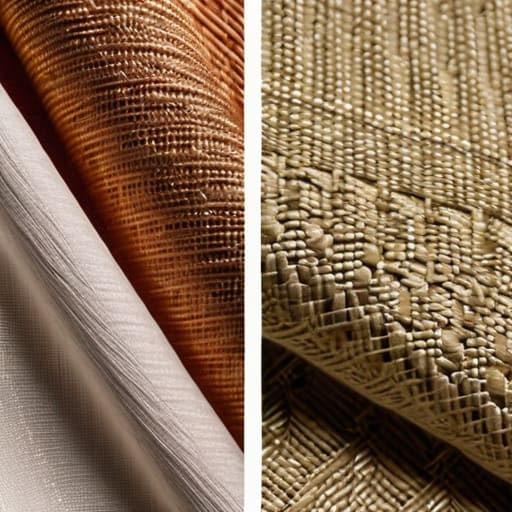
Here is the truth that marketing departments love to hide: a high number on a spec sheet doesn’t always mean “better,” it just means “different.” When we talk about textile density and breathability, you have to look past the weight and check the weave. I’ve seen heavy, dense synthetics that feel like wearing a plastic bag, trapping heat until you’re sweating through your shirt by 10:00 AM. On the flip side, a high-quality, tightly woven linen might be lightweight, but it offers a structural integrity that cheap, flimsy cotton simply can’t touch.
If you’re looking at lightweight vs heavyweight textiles, don’t just ask how heavy they are—ask how much air can actually move through them. A dense, heavy wool is a dream for a January commute, but if you buy a heavy polyester blend thinking it’s “substantial,” you’re actually just buying a portable sauna. Always check the composition; density is great for holding a shape, but if the fibers are packed too tight without any natural breathability, you’ll end up wearing something that looks expensive but feels like a mistake.
The Neve Cheat Sheet: How to Spot a Quality Weight Before You Hit the Till
- Check the “swing” in the dressing room. If you pick up a skirt and it feels like it has no momentum—like it’s just a limp piece of paper—the fabric is too light for the cut. You want a weight that actually carries the shape you’re paying for, not one that clings to every single thing you’re trying to hide.
- Look at the seams, not the label. On a high-quality, heavier fabric, the seams will look flat and purposeful. If you see a heavy denim or a thick wool pulling or puckering at the stitch line, it means the manufacturer used a cheap, lightweight thread or a low-density weave that can’t handle the tension. That’s a future rip waiting to happen.
- The “Light Test” for transparency. Hold the garment up to the light. If you can see the distinct outline of your hand through a “structured” blazer or heavy trousers, run. That’s not “breathable,” it’s just thin. A garment that claims to be substantial but lets the light through is going to lose its shape after three washes.
- Match the weight to the task. Don’t try to force a lightweight, flimsy jersey to do the work of a structured knit. If you want a professional silhouette for a Tuesday meeting, you need a fabric with enough GSM to hold a line. If you try to wear a “weightless” fabric for a structured look, you’ll end up looking like you’re wearing a glorified pajama set.
- Calculate the “Alteration Tax.” A heavier, high-density fabric is much easier (and cheaper) to tailor because it holds a stitch. When I’m working with paper-thin, low-quality synthetics, I have to spend extra time stabilizing the edges so the machine doesn’t chew them up. If the fabric is rubbish, your tailor is going to charge you more just to make it wearable.
## The Real Price of a 'Lightweight' Bargain
“Stop letting marketing terms like ‘airy’ or ‘effortless’ trick you into buying fabric that has zero structural integrity. If a shirt is so thin you can see the seam allowance through it, it isn’t a summer staple—it’s a ticking clock of loose threads and losing shape, and no amount of styling is going to make a flimsy weave look intentional.”
Neve Okonkwo-Barr
The Bottom Line on Weight
At the end of the day, stop looking at the price tag to tell you if a garment is high quality and start looking at how much substance is actually in the weave. We’ve covered the math of GSM, the way density dictates whether you’ll overheat or freeze, and why a heavy wool drape will always outlast a flimsy, lightweight polyester blend. Remember: structure isn’t something you can fake with clever marketing; it comes from the physical integrity of the fibers. If you can see right through a fabric under a shop light, or if it feels like a glorified tissue paper, it isn’t going to hold its shape after three washes. Weight is the silent architect of your silhouette, and ignoring it is just a fast track to a wardrobe that looks tired by lunchtime.
My advice? Next time you’re standing in a fitting room, don’t just check the mirror for how you look—check the garment for how it acts. Pinch the fabric, feel the heft, and ask yourself if this weight can actually support the life you live on a Tuesday, a Thursday, and a rainy Sunday. You don’t need a massive budget to look polished; you just need to stop falling for the “thin lies” of fast fashion. Build your collection around substance over hype, and I promise you’ll spend less time replacing rags and more time actually wearing the clothes you love.
Frequently Asked Questions
If I find a heavy-weight fabric that looks great in person, is it actually worth the extra cost if it's harder to clean or maintain?
It depends on whether you’re buying a piece or a chore. If that heavy wool coat keeps you warm for ten years and only needs a seasonal brush, the math works. But if you’re eyeing a heavy, structured silk that demands a £25 dry clean every single time you wear it? That’s not an investment; it’s a subscription fee you didn’t sign up for. Buy the weight for the silhouette, but check the care label first.
Can a tailor actually fix a garment that’s too flimsy for the shape I’m trying to achieve, or is the fabric weight a dealbreaker?
Short answer? No. You can’t tailor gravity or density. If you’ve bought a flimsy, low-GSM jersey thinking a tailor can turn it into a structured blazer, you’re throwing money into a bin. I can take in seams, shorten hems, and fix a waistline, but I can’t add substance to a fabric that lacks it. If the weight is wrong for the silhouette, it’s a dealbreaker. Save your alteration fee; buy the right weight instead.
How do I tell the difference between a high-quality heavy fabric and one that just feels thick because it's cheaply stuffed with synthetic fillers?
The “squish test” is your best friend here. Grab the fabric and give it a firm squeeze. Real, high-quality heavy fabric—like a dense wool or a heavy cotton drill—will feel substantial and spring back immediately. If it feels spongy, bouncy, or “foamy,” you’re looking at cheap synthetic batting or a low-density blend designed to trick your hands. If it doesn’t have a bit of weight and a clean snap back, it’s just a padded lie.
