Stop listening to the influencers telling you that you need a brand-new, high-street “power outfit” just to shake hands with a stranger. They want you to believe that learning how to dress for meeting someone new requires a massive credit card hit and a closet full of trend-driven polyester that will pill after two washes. It’s a lie. I spent two years in a basement studio pinning hems for brides, and if there is one thing I learned, it’s that people don’t notice the label on your lapel; they notice when your shoulders are sagging or when your trousers are pooling around your ankles like an afterthought.
I’m not here to sell you a lifestyle or a shopping list of “must-haves.” Instead, I’m going to show you how to look intentional using what you already own, focusing on the stuff that actually matters: fabric weight, seam integrity, and the magic of a twenty-pound alteration. We are going to talk about how to build a look that feels like a second skin rather than a costume, ensuring you walk into that room feeling like yourself, not a mannequin.
Understanding How to Dress for Meeting Someone New

First, we need to stop treating “meeting someone new” like a costume drama. Whether it’s a first date or a networking mixer, you aren’t auditioning for a role; you’re just showing up as a physical version of yourself. Most people panic and try to dress for the person they wish they were, which is a fast track to feeling like an impostor. Real nonverbal communication through clothing isn’t about wearing a suit to a coffee shop; it’s about wearing something that doesn’t require constant tugging, adjusting, or checking in the mirror. If you’re busy fighting a waistband or a shoulder seam that won’t stay put, you aren’t actually present in the conversation.
The goal is building confidence through style by leaning into what actually works for your body right now. I see so many people buy “professional” pieces that are made of cheap, thin polyester that loses its shape the second you sit down. That’s not style; that’s a ticking time bomb of discomfort. Instead, look for natural fibers and structural integrity. A well-fitted, mid-weight cotton shirt or a sturdy wool blend tells the world you’re composed, even if you’re actually sweating through your palms.
Key Things to Know

First, stop obsessing over the “rules” and start looking at the architecture of what you’re wearing. When you meet someone new, you aren’t just showing off a look; you are engaging in nonverbal communication through clothing. If your blazer has shoulder pads that make you look like a linebacker or if your trousers are pooling around your ankles because you didn’t budget £15 for a hem, you’ll spend the whole conversation tugging at your sleeves instead of listening. That’s not a style issue; it’s a distraction issue.
Second, let’s talk about the fabric. You can wear the most appropriate attire for social settings in the world, but if it’s a thin, polyester blend that shows every single sweat mark the moment you get nervous, you’re going to feel exposed. I always tell my clients to prioritize weight and structure. A heavier cotton or a stable wool blend holds its shape and, more importantly, holds your shape. When the garment stays put, you stop thinking about your clothes and start focusing on the person in front of you. That is how you actually build confidence.
Practical Tips and Steps
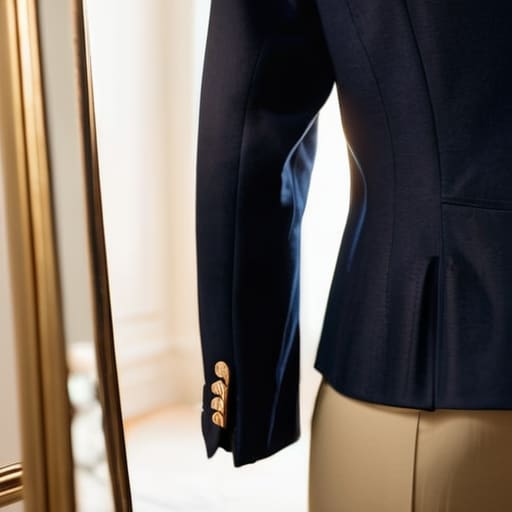
First, stop looking at the “outfit inspiration” boards on Pinterest; they are designed for people with unlimited budgets and zero real-world commitments. Instead, look at your own closet and find the piece that makes you feel most like a person, not a mannequin. If you have a blazer that fits perfectly in the shoulders but pulls at the button, don’t buy a new one—take it to a tailor. Spending £15 to take in the waist is a much smarter way of building confidence through style than spending £150 on a fast-fashion piece that will lose its shape by next Tuesday.
When you are actually prepping, consider the environment. Dressing for different social contexts means knowing if you’re meeting a potential partner in a loud pub or a new boss in a quiet cafe. If it’s the latter, focus on fabric weight. A crisp cotton shirt or a heavy-gauge knit says more about your reliability than a loud designer logo ever could. Remember, nonverbal communication through clothing is often about how much you’re fighting your outfit; if you’re constantly tugging at a hem or adjusting a strap, you aren’t actually present in the conversation.
Common Mistakes to Avoid
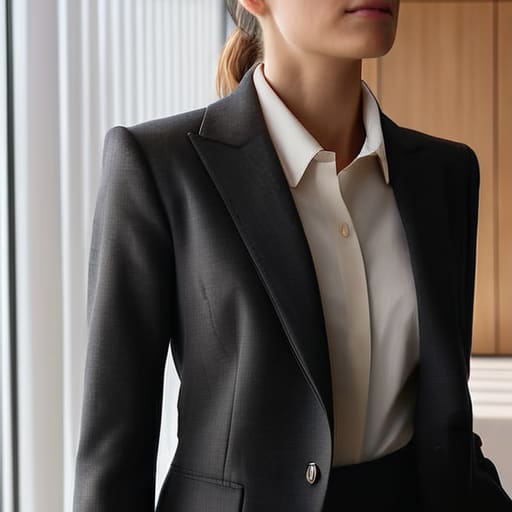
The biggest mistake I see is people treating a first meeting like a costume drama. They buy a “power suit” that fits like a cardboard box because they think that’s what authority looks like. In reality, you aren’t communicating competence; you’re communicating that you don’t know your own measurements. If you’re fidgeting with a waistband or pulling at a collar that’s too tight, you aren’t projecting confidence—you’re projecting discomfort. True nonverbal communication through clothing isn’t about the brand name on your chest; it’s about the fact that your clothes actually sit where they are supposed to.
Stop also falling for the “expensive equals better” trap. I’ve seen people drop three hundred pounds on a synthetic blend blazer that pills after one afternoon, thinking it makes them look professional. It doesn’t. It just makes you look like you’re wearing plastic. When you are balancing style and professionalism, focus on the fiber content. A high-quality cotton or a decent wool blend will hold its shape and structure far better than a cheap polyester “luxury” piece. If the fabric looks limp in the shop, it will look exhausted by the time you actually meet your person.
Final Thoughts
Look, at the end of the day, meeting someone new isn’t about performing a costume drama. If you spend the whole encounter worrying about whether your trousers are too tight or if your shirt is pulling at the buttons, you aren’t actually present in the conversation. That’s the trap. Real building confidence through style isn’t about wearing the loudest thing in the room; it’s about wearing the thing that makes you forget you’re wearing anything at all. When your clothes actually fit, you stop fidgeting, and that allows your personality to do the heavy lifting.
Don’t get caught up in the “rules” of what constitutes appropriate attire for social settings if those rules make you feel like an imposter. Instead, focus on the mechanics: Is the fabric breathable? Is the hem the right length? If you can master the basics of nonverbal communication through clothing—like showing you’ve put in a bit of effort without looking like you’re trying too hard—you’ve already won half the battle. Buy less, fix what you have, and just show up as yourself.
The "No-Stress" Checklist for Looking Like You Actually Tried
- Stop trying to debut a brand-new outfit for a first meeting. If you haven’t sat down in it, walked a mile in it, or washed it twice, you don’t know how it behaves. Nothing kills a first impression faster than you constantly tugging at a hem that’s too short or a waistband that’s digging in. Wear something you already know fits your actual body, not the body you hope to have by next month.
- Check your shoulder seams before you leave the house. If you’re meeting someone for coffee or a casual chat, you don’t need a power suit, but you do need structure. A shirt where the seam hangs halfway down your bicep looks sloppy, not “relaxed.” If the shoulders of your favorite blazer are drooping, take it to a tailor; a simple shoulder adjustment can make a £20 high-street find look like it cost £200.
- Prioritize fabric weight over “trends.” If you’re meeting someone in a drafty cafe or a breezy park, a thin, cheap jersey fabric is going to cling to every seam and show every wrinkle the moment you sit down. Opt for something with a bit of substance—a heavy cotton poplin or a mid-weight wool blend. These fabrics hold their shape and hide the fact that you’ve been sitting in a car or on a bus for twenty minutes.
- Do the “Sit and Reach” test in your bedroom. Before you commit to an outfit, sit down in a chair and reach for something on a high shelf. If your shirt gapes open at the chest or your trousers feel like they’re about to surrender at the thighs, don’t wear them. You want to be focused on the person you’re meeting, not on whether your outfit is performing a magic trick.
- Forget the “investment” labels and look at the composition tag. If you’re buying something specifically for this meeting, don’t get tricked by a “luxury” tag on a polyester blend. Polyester doesn’t breathe and it traps odors; it also develops that weird, shiny sheen after a few wears. If you can, find a natural fiber blend. It’s better for your skin, it looks more expensive in natural light, and it actually lasts long enough to be worn again on a Wednesday.
Forget the Brand Name
Stop trying to buy a ‘new version of yourself’ from a high street window just because you have a first date or a job interview. You aren’t dressing for a character; you’re dressing for a Tuesday. If you spend eighty quid on a blazer that pulls at the button and makes you want to cross your arms to hide it, you’ve already lost. Real confidence isn’t a luxury label—it’s wearing something that actually fits your shoulders and doesn’t require you to constantly tug at the hem.
Neve Okonkwo-Barr
The Real Goal of Your First Impression
Look, at the end of the day, meeting someone new isn’t about performing a costume drama or pretending you have a designer budget. It’s about removing the friction between you and the room. If you’ve focused on choosing fabrics that don’t pill after one hour, ensuring your trousers actually hit the right part of your shoe, and avoiding those “trendy” pieces that fall apart by Tuesday, you’ve already won. Don’t let a poorly fitting shoulder seam or a scratchy, cheap synthetic blend distract you from the actual conversation. Remember: style is a tool for confidence, not a way to mask who you are. If you can fix the fit rather than buying a whole new identity, you’re already ahead of 90% of the people walking through that door.
Stop letting the marketing industry convince you that you need a “new look” for every new encounter. You don’t. You just need the version of your current wardrobe that feels most like home. When you walk into that meeting, I want you to feel the weight of your coat and the security of a well-tailored waist, knowing that your clothes are doing their job so you don’t have to think about them. True style is invisible because it doesn’t scream for attention; it just lets you exist comfortably. Go out there, wear what works, and let your personality do the heavy lifting.
Frequently Asked Questions
If I find a great second-hand blazer for a steal, is it actually worth paying a tailor to fix the shoulders so it doesn't look like I'm wearing my dad's suit?
The short answer? No. If the shoulders are wrong, walk away. I’ve spent way too many hours in a basement studio trying to fix a shoulder that’s too wide or too slumped, and it’s a nightmare. You can shorten a hem or take in a waist for twenty quid, but reconstructing a shoulder line is expensive and often looks fake. Don’t waste your “steal” on a garment that’s structurally broken. Find one that actually sits right.
How can I tell if a "smart casual" outfit is actually high-quality fabric versus something that's going to pill and look cheap by the time I actually meet this person?
Stop looking at the brand name and start looking at the weave. For smart casual, avoid anything that feels “fuzzy” or overly soft right off the rack; that’s usually cheap synthetic fluff waiting to pill. If it’s a knit, check the weight—it should have some bounce but not feel like air. If it’s a cotton blend, look for a tight, smooth surface. If the fabric looks “hairy,” walk away. It won’t survive three washes.
I have a budget of fifty quid—should I spend it on one decent shirt that fits perfectly, or try to find a full outfit at a charity shop and hope the seams hold up?
Go to the charity shop. If you spend fifty quid on one “perfect” shirt, you’ve bought a single piece of fabric that’s still going to look lonely against whatever ill-fitting trousers you’re wearing. Use that fifty to hunt for a high-quality natural fiber—think heavy cotton or linen—and a solid blazer. If the shoulders are slightly wide, take the leftover change to a local tailor to nip the waist. A full, tailored silhouette beats one expensive shirt every time.
