I spent two years in a basement studio pinning hems for a bridal shop, and if I learned one thing, it’s that the fashion industry is lying to you. They want you to believe that learning how to dress for your body honestly requires a complete wardrobe overhaul or a “curated” collection of expensive, trend-heavy pieces. They sell you the idea that you’re one specific silhouette away from confidence, but that’s just marketing fluff designed to keep you spending. The truth is much less glamorous and far more practical: most of the “flaws” you think you have are actually just poor construction and bad seam allowances.
I’m not here to give you a list of “flattering” shapes that make you feel like you’re wearing a costume. Instead, I’m going to show you how to look at a garment and see the actual math of the fit. We’re going to talk about fabric weights that won’t sag by lunchtime, why a twenty-dollar tailor visit is better than a hundred-dollar shopping spree, and how to stop fighting your shape and start working with the architecture of what you already own.
Understanding How to Dress for Your Body Honestly
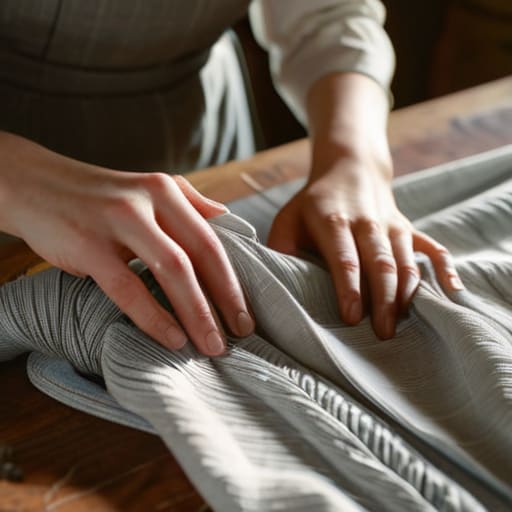
Most fashion advice treats your body like a math equation that needs to be solved, as if you’re just a collection of shapes that need to be “balanced” or “hidden.” That’s nonsense. Dressing for yourself isn’t about playing a game of hide-and-seek with your thighs or trying to trick the eye into seeing a different silhouette. It’s about understanding proportions and scale so you don’t end up drowning in fabric or feeling like you’re wearing a costume. When I’m at the sewing machine, I see the truth: a garment looks “bad” not because the body is wrong, but because the architecture of the clothes is fighting the person inside them.
Instead of chasing that one “miracle” item you saw on a TikTok influencer, start looking at how weight and structure actually sit on your frame. We need to move toward dressing for self-confidence vs trends, which means choosing a heavy-weight wool over a flimsy polyester blend that clings to every single thing you’re trying to ignore. If the fabric doesn’t have the integrity to hold its own shape, it’s going to make you feel insecure by lunchtime. Stop trying to fit into a trend and start looking at the seam lines.
Key Things to Know
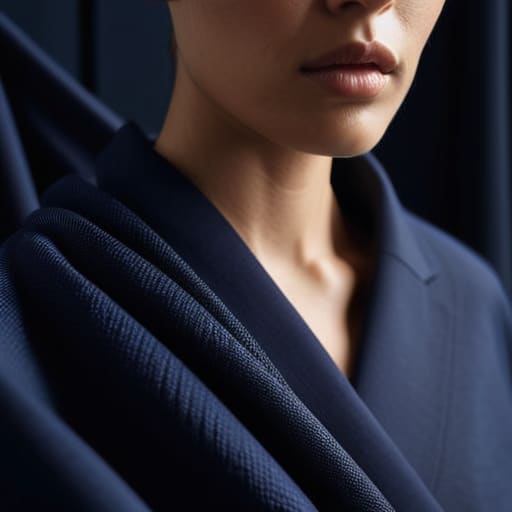
First, let’s talk about fabric weight. Most people think they need to hide their shape, but what they actually need is structure. If you buy a flimsy, thin jersey fabric that clings to every single bump, you aren’t “dressing your body”—you’re just fighting a losing battle against physics. I always tell my clients to look for a heavier crepe or a sturdy cotton drill. These fabrics hold their own shape, which means they create a silhouette for you rather than just collapsing into your skin. It’s the difference between looking polished and looking like you’re wearing a second, much more uncomfortable skin.
Second, stop obsessing over “flattering” and start understanding proportions and scale. The industry loves to use that word to make you feel like your body is a problem to be solved. It isn’t. It’s just a frame. If you have broad shoulders, you don’t need to hide them in oversized sacks; you just need to balance the volume at your hem. It’s all about where the eye rests. If you can master the math of where a seam hits or where a hem falls, you’ll spend way less time overcoming fashion insecurity and more time actually living in your clothes.
Practical Tips and Steps
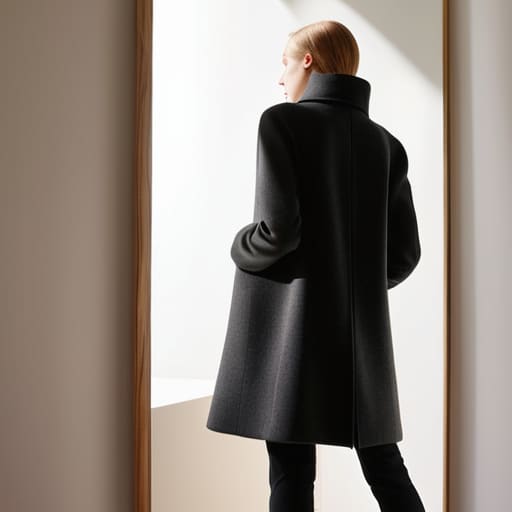
First, stop looking at “body type” diagrams that tell you to hide your hips or cover your arms; that’s just marketing designed to make you feel like your body is a problem to be solved. Instead, focus on understanding proportions and scale. If you’re wearing a heavy, oversized wool coat, you don’t necessarily need a tiny skirt to “balance” it—you just need to make sure the shoulder seams actually sit on your shoulders. If the seams are drooping halfway down your bicep, you don’t look “effortless,” you look like you’re wearing your older brother’s clothes. A quick $15 adjustment to the shoulder can change the entire architecture of the outfit.
Second, prioritize fabric integrity over the “vibe” of a garment. When you’re curating a functional wardrobe, look for natural fibers with enough weight to hold a shape. A flimsy, synthetic blend jersey will cling to every single thing you’re trying to avoid, whereas a mid-weight cotton poplin or a structured linen will skim the body and actually stay where you put it. If you can’t see the seam allowance or the fabric feels like a glorified plastic bag, leave it on the rack. It won’t survive the first wash, let alone a year of real life.
Common Mistakes to Avoid
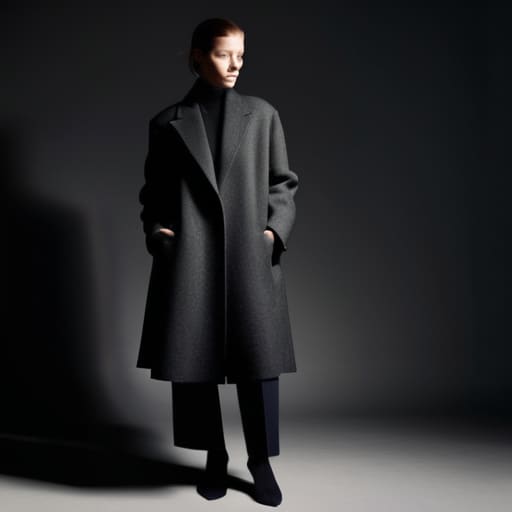
The biggest mistake I see—and I see it every time I’m pinning a hem in the studio—is people trying to “hide” themselves under layers of oversized, shapeless fabric. There is a massive difference between being comfortable and being swallowed by a garment. When you try to mask your shape with baggy clothes, you usually end up looking larger and more disorganized than you actually are. It’s not about hiding; it’s about understanding proportions and scale. If you wear a massive, heavy wool coat with wide-leg trousers and a chunky knit, you aren’t being modest; you’re just becoming a rectangle.
Another trap is the “trend-chase” reflex. I see so many people buy a piece because it’s all over TikTok, only to realize six months later that the fabric is paper-thin and the cut does absolutely nothing for them. This is where you lose the battle of dressing for self-confidence vs trends. Stop buying things based on how they look on a model who is essentially a walking hanger. If the seam allowance is non-existent and there’s no room for a tailor to work their magic, put it back. You aren’t “fixing” your body; you’re just wasting money on clothes that weren’t built to last.
Final Thoughts
Look, at the end of the day, your clothes are supposed to be your infrastructure, not your enemy. If you spend your whole life fighting against a waistband or trying to camouflage yourself in oversized sacks because you’re scared of a seam, you’ve already lost the battle. Style isn’t about magic tricks; it’s about understanding proportions and scale so that the fabric actually works with you instead of against you.
Stop waiting for a “perfect” body to show up before you decide to look put-together. That version of you doesn’t exist, but the person standing in your kitchen right now deserves to feel like they aren’t wearing a costume. Curating a functional wardrobe means being honest about what feels good on a Tuesday afternoon, not what looks good in a filtered Instagram post.
If you take nothing else away from this, remember that a $15 hem adjustment is worth more than a $200 “trend” piece that makes you want to hide. Invest in the fit, respect the fabric, and stop letting marketing departments tell you that you’re a problem to be solved.
Five ways to stop fighting your clothes and start wearing them
- Stop trying to “correct” your shape and start managing volume. If you have wider hips, don’t buy skin-tight trousers thinking you’ll hide them; buy a pair with a decent weight of fabric and take the waist in. A $15 waist adjustment is cheaper than a $100 pair of jeans that makes you feel like you’re being squeezed by a vice.
- Learn to read a fabric composition tag like it’s your job. If it’s 100% polyester and it’s meant to “drape” over your curves, it’s going to cling to every single thing you’d rather not highlight. Look for natural blends or high-quality synthetics that actually have some structural integrity, so the garment holds its own shape instead of just becoming a second, much uglier skin.
- The shoulder seam is your North Star. You can fix a hem, you can nip in a waist, and you can even take in a side seam, but if the shoulder seam is drooping down your arm, the garment is structurally wrong for you. That’s not a “relaxed fit”—that’s a bad purchase that will make you look like you’re wearing a hand-me-down from a giant.
- Use the “Sit and Move” test in the changing room. I don’t care if the trousers look incredible while you’re standing perfectly still like a mannequin; if you can’t sit down without the fabric pulling uncomfortably across your thighs, you aren’t going to wear them on a Wednesday. A garment that restricts your movement is a garment that will end up at the bottom of a donation bin within a month.
- Stop falling for the “magic” of stretch fabrics. While a bit of elastane is great for comfort, if a garment relies entirely on stretch to look good, it’s hiding poor construction. Real style comes from clothes that have enough substance to skim the body, not clothes that are just trying to act like shapewear.
The Real Math of Style
Stop trying to dress for a body you think you should have and start dressing for the one that actually shows up to work on a Wednesday; style isn’t about hiding yourself in expensive fabric, it’s about knowing where the seam should sit and being brave enough to pay a tailor to make the clothes respect you.
Neve Okonkwo-Barr
The Bottom Line
At the end of the day, dressing for your body isn’t about mastering some complex set of rules or finding the “perfect” silhouette that hides everything you don’t like. It’s about understanding that fabric weight and seam placement matter more than the label on the neck. We’ve covered why you need to stop chasing trends that fight your natural shape, why a $15 hem can save a $40 thrifted skirt, and why you should always check the fiber content before you tap your card. If you can learn to spot a good shoulder seam and realize that fit is a technicality, not a moral failing, you’ve already won half the battle against a marketing machine designed to make you feel inadequate.
Please, stop treating your body like a problem that needs to be solved with a credit card. You don’t need a brand-new wardrobe to feel like yourself; you just need the clothes you already own to actually behave the way they’re supposed to. Style isn’t a destination you reach once you’ve bought the “right” things; it’s the quiet confidence of wearing a garment that doesn’t pull, pinch, or sag. Build a life that works on a Wednesday, wear the clothes that let you move, and remember that the most expensive thing you can wear is a lack of self-respect. Go find a tailor, fix those waistbands, and start actually living in your clothes.
Frequently Asked Questions
If I find a piece I love but the shoulders don't sit right, is that actually fixable or am I just throwing money away?
The short answer? Usually, no. Don’t do it. The shoulder is the structural anchor of almost every garment; if the seam is sitting too wide or too narrow, a tailor has to basically deconstruct the entire sleeve and bodice. It’s a massive job that’ll cost you more than the shirt is worth. If the shoulders don’t fit, leave it on the rack. Save your money for a piece where the architecture actually works.
How do I tell the difference between a garment that's poorly made and one that just doesn't suit my shape?
Look at the seams. If the fabric is pulling or puckering at the stitching, it’s poorly made; the tension is fighting the construction. If the seam is straight but the fabric is just bunching awkwardly around your waist or hips, it’s a fit issue. A bad garment has bad math—it’s physically incapable of holding its shape. A bad fit just needs a tailor to adjust the volume. Check the hem and the armholes; if they’re wonky, walk away.
Is it worth paying for alterations on high-street basics, or should I save that money for better quality fabrics?
Here’s the math: if you’re buying a $30 high-street cotton shirt that fits like a tent, spending $20 to taper the sides is a win. It makes a cheap garment look bespoke. However, don’t waste money tailoring flimsy, thin synthetics; they lack the structural integrity to hold a new shape, and you’ll just end up with a puckered mess. Buy the decent fabric first, then spend the extra cash to make it fit perfectly.
