I spent three years pinning hems in a basement studio, and if there is one thing I’ve learned, it’s that the fashion industry is lying to you about summer. They want you to believe that “staying cool” requires a wardrobe of expensive, paper-thin silk slips that look like a wet napkin the second you step outside. It’s a scam. Most of those “breathable” high-street pieces are actually synthetic blends that trap your body heat like a plastic bag, leaving you sweating through your clothes before you’ve even finished your morning coffee. If you’re actually wondering how to dress in heat without looking like a disheveled mess, you need to stop looking at the price tag and start looking at the fiber content and the weave.
I’m not here to sell you a “summer capsule collection” or some overpriced linen set that loses its shape after one wash. Instead, I’m going to show you the actual maths of summer dressing. We’re going to talk about why a heavy-weight cotton poplin is often better than a cheap linen blend, how much it actually costs to take in a waistband so fabric doesn’t cling to your skin, and which fabric weights are worth your hard-earned money. This is about building a wardrobe that survives a heatwave, not just a photoshoot.
Stop Buying New Clothes How to Dress in Heat Smartly
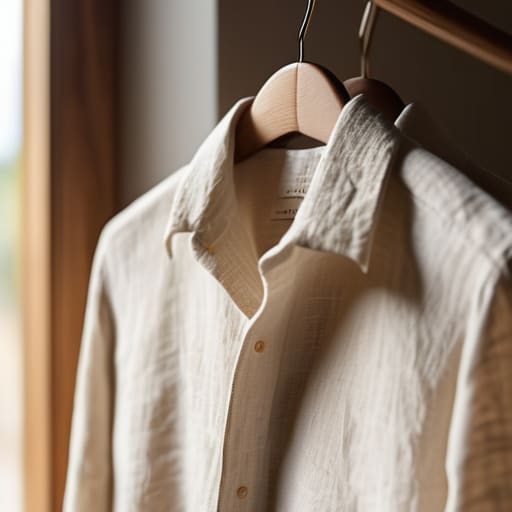
The biggest lie the fashion industry tells you is that you need a brand-new “summer capsule” to survive a heatwave. They want you scrolling through endless pages of polyester blends that look pretty on a model but act like a plastic bag against your skin. If you’re looking for the secret to staying cool in high temperatures, stop looking at the price tag and start looking at the fiber content on the care label.
I see it all the time: people buying expensive, lightweight “summer” shirts only to realize they’ve bought a synthetic nightmare that traps sweat. When you’re weighing up linen vs cotton for summer, remember that weight matters more than just the material name. A paper-thin linen shirt will wrinkle into a sad mess before you’ve even finished your first coffee, but a medium-weight cotton poplin holds its structure and actually lets air move.
Instead of panic-buying, look at what you already own. If a garment is too tight, don’t ditch it; find a tailor who can let out a seam or slim a waist to create more airflow. Most of the time, you don’t need more clothes, you just need loose fitting summer outfits that don’t cling to your skin.
Linen vs Cotton for Summer the Real Cost of Comfort
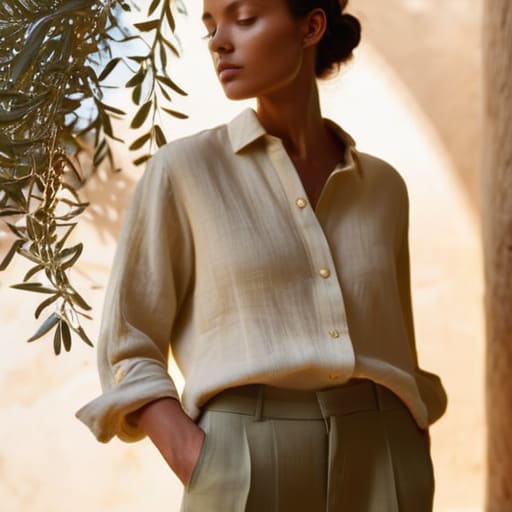
Everyone treats the linen vs cotton debate like it’s some high-stakes fashion duel, but if you’re looking at the price tag alone, you’re missing the point. Linen is the undisputed king of airflow; its long, stiff fibers create a natural structure that keeps the fabric away from your skin, which is basically the secret to staying cool in high temperatures. The catch? It wrinkles if you even look at it funny. If you hate that “crumpled paper” look, don’t waste your money on cheap, paper-thin linen blends that lose their shape by noon. Look for a heavy-weight linen that has enough structural integrity to hold a silhouette, even when it creases.
Cotton is the reliable middle child. It’s softer, easier to care for, and much better at acting as moisture wicking clothing if you opt for a high-quality poplin or a dense voile. However, stay away from those heavy, thick jersey cotton tees; they trap heat like a greenhouse. If you want the best of both worlds, find a cotton-linen blend. It gives you the breathability of linen with a bit of the cotton “give” that makes a garment feel less like a stiff cardboard box and more like a second skin.
Why Loose Fitting Summer Outfits Beat Expensive Tight Trends
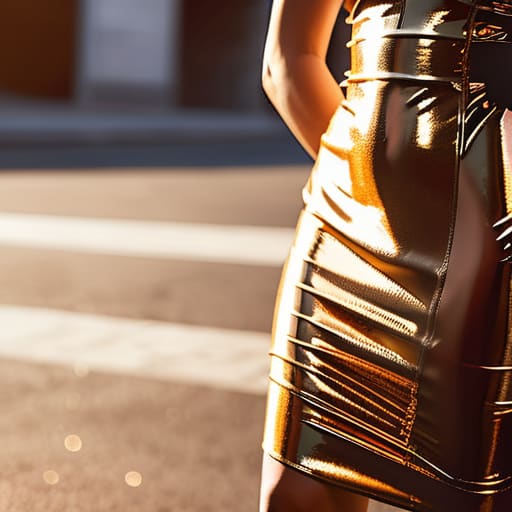
The fashion industry loves a “bodycon” summer trend because it’s easy to market, but it’s a disaster for staying cool in high temperatures. When you wear tight, synthetic fabrics that hug your skin, you aren’t just uncomfortable; you’re essentially creating a personal sauna. The fabric gets trapped against your body, stops breathing, and starts soaking up sweat like a sponge. I see so many people buying these high-street “must-haves” only to realize they can’t wear them for more than twenty minutes without a meltdown.
Instead, prioritize loose fitting summer outfits that create a literal air gap between the cloth and your skin. This gap is your best friend; it allows for natural ventilation and helps moisture evaporate rather than just sitting there. If you find a vintage cotton shirt or a second-hand linen trouser that’s a bit too big, don’t panic. Instead of returning it, take it to a tailor to adjust the shoulders or the waist so it looks intentional rather than sloppy. A well-structured, oversized silhouette is far more stylish—and much more breathable—than any tight, trendy piece that’s destined to end up in a donation bin by August.
Moisture Wicking Clothing Science Over Seasonal Marketing Gimmicks
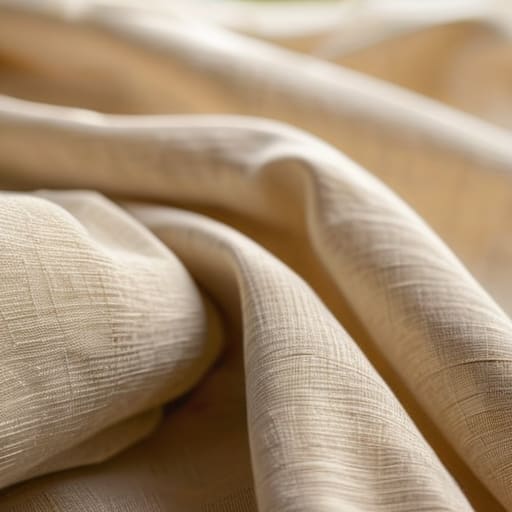
Marketing teams love to sell you “summer collections” that are basically just thin, synthetic polyester masquerading as breathable tech. They’ll slap a label on a shirt that says it’s for active lifestyles, but if you look at the fiber content, it’s just plastic. When you’re staying cool in high temperatures, the last thing you want is a fabric that traps heat against your skin like a greenhouse. If it’s 100% polyester, it’s not “wicking” anything; it’s just making you sweat in a way that feels sticky and uncomfortable.
Real moisture wicking clothing should be about how the fabric manages your body’s biology, not just a gimmick to charge you an extra twenty quid. If you aren’t heading out for a literal run, skip the overpriced “performance” gear and look for high-quality merino wool blends or specific technical weaves that actually move moisture away from your skin. Don’t let the shiny packaging fool you—if the tag says it’s a synthetic blend designed to “breathe” but feels like a raincoat in your hands, leave it on the rack. It’s a waste of money and a recipe for a heat rash.
Summer Wardrobe Essentials That Actually Survive High Temperatures
If you’re building a list of summer wardrobe essentials, stop looking at what’s “in” and start looking at the weave. A heavy, cheap polyester sundress is just a portable sauna; it traps heat against your skin and makes staying cool in high temperatures an absolute nightmare. Instead, look for a mid-weight linen shirt or a structured cotton poplin. These fabrics have the integrity to hold their shape without clinging to your sweat, which is the real secret to surviving a heatwave.
I also want to talk about the “one-and-done” pieces that actually work. A wide-leg trouser in a Tencel or linen blend is worth its weight in gold because it creates a personal breeze every time you walk. If you find something great at a charity shop but the waist is gaping, don’t walk away—it’s a ten-minute fix at the tailor. When you prioritize fabric weight and breathability over a trendy silhouette, you aren’t just buying clothes; you’re buying a way to not feel miserable by 2 PM.
Five Ways to Stop Melting Without Buying a Whole New Wardrobe
- Check your seams before you sweat. If you’re wearing a high-quality linen shirt but the armholes are cut too tight and digging into your pits, you’re going to feel twice as hot. If the fabric is good, spend £15 at a local tailor to let those armholes down or ease the seam; airflow is more important than a “slim fit” silhouette when it’s 30 degrees.
- Beware the “Linen Blend” lie. A lot of brands sell you a shirt that’s 50% polyester and 50% linen, calling it “easy care,” but that polyester is basically wearing a plastic bag. It traps heat against your skin. Stick to 100% natural fibres, even if they wrinkle—wrinkles are just proof the fabric is actually breathing.
- The “Undershirt” Hack. It sounds counterintuitive to add a layer, but a thin, 100% cotton tank top under a heavier summer shirt can actually act as a buffer, absorbing sweat before it hits your outer layer and prevents that damp, heavy feeling against your skin. It’s much easier to wash a tank top than a structured linen blazer.
- Weight matters more than you think. Don’t just look at the fabric type; feel the weight. A heavy-weight cotton poplin will hold its shape away from your body, creating a little personal air conditioning zone, whereas a thin, cheap jersey will just cling to every bead of sweat.
- Stop ignoring your feet. If you’re wearing heavy leather loafers or synthetic trainers, your body temperature is going to spike. Swap them for a breathable canvas shoe or a leather sandal with a decent footbed. If the heat is hitting your feet, your whole core is going to feel the burn.
The Truth About Summer Style
“Stop looking for ‘summer collections’ to solve your heat problem; they’re usually just thin, overpriced fabrics designed to fall apart by August. Real summer style isn’t about what you buy, it’s about choosing a heavy-weight natural fiber that actually breathes and having the sense to let a tailor take in the waist so the air can actually move around your body.”
Neve Okonkwo-Barr
The Bottom Line on Beating the Heat
Look, dressing for a heatwave isn’t about refreshing your wardrobe with every “summer essential” that hits your feed. It’s about understanding that a heavy, polyester-blend sundress is just a portable sauna you paid too much for. Stick to the heavy-weight cottons and linens that actually breathe, and for heaven’s sake, stop squeezing into tight silhouettes just because they’re trending. If you have a piece that feels a bit too restrictive, don’t toss it—take it to a tailor to let out the waistband or ease the seams. It’s much cheaper to pay fifteen quid for a structural adjustment than it is to replace a whole closet of clothes that make you sweat through your shirt by noon. Prioritize fabric weight and airflow over whatever seasonal gimmick is currently being pushed by fast-fashion marketing.
At the end of the day, your clothes should be working for you, not making your life harder. Style shouldn’t feel like a struggle against the thermometer. When you stop chasing the “look” and start focusing on the math of the garment—how it moves, how it breathes, and how it fits your actual body—you win. You don’t need a massive budget to look put-together in July; you just need a bit of common sense and a decent seamstress on speed dial. Build a kit that survives the heat, stays intact after three washes, and lets you actually live your life instead of just managing your discomfort.
Frequently Asked Questions
I found a great linen shirt at a charity shop, but the armholes are way too tight and making me sweat—can a tailor actually fix that, or is it a lost cause?
Honestly? It’s a tough one. If there’s enough seam allowance—meaning the fabric inside the seam is wide enough—a tailor can let the armholes out a bit. But if it’s cut tight to the bone, you’re stuck. Don’t waste £20 trying to force a miracle; if the armhole is digging in, it’s a lost cause. Just keep hunting. A good linen find is worth the wait, even if this one is a bust.
Is it actually worth paying extra for "technical" summer fabrics, or should I just stick to heavy-weight cotton and call it a day?
Look, unless you’re hiking through a rainforest or running a marathon, most “technical” summer gear is just overpriced marketing. You’re paying a premium for a synthetic blend that’ll probably pill after three washes. If you want to actually stay cool, stick to heavy-weight cotton or a high-quality linen. They breathe better and last longer. If the sweat is the issue, a quick $15 hem to make the fit looser will do more for your comfort than any “wicking” miracle fabric.
How do I know if a summer dress is going to become see-through or lose its shape the second I start sweating in it?
The “lightweight” marketing trap is real. Before you head to the changing room, do the light test: hold the fabric up to the light and look for unevenness in the weave. If you see gaps or “slubs” that look like errors rather than texture, it’ll go sheer the moment you sweat. Also, give it a firm tug. If it doesn’t snap back immediately, that cheap synthetic blend is going to sag by lunchtime.
