I spent three years in a cramped basement studio pinning hems for a bridal shop, and if there is one thing I learned, it’s that people will spend a fortune on “luxury” accessories to distract from a shirt that fits like a cardboard box. I’ve watched guys walk into my studio with $500 silk-blend shirts, only to realize they have no idea how to choose cufflinks that actually respect the weight of their sleeve. Most people think cufflinks are just little bits of shiny metal to show off a budget, but if you pair a heavy, chunky signet style with a flimsy, lightweight poplin, you aren’t looking “distinguished”—you just look like you’re wearing clunky weights on your wrists.
I’m not here to sell you on some high-end brand’s “essential collection” or tell you that gold is a requirement for looking sharp. Instead, I’m going to show you the actual mechanics of how these things work with your fabric. We’re going to talk about scale, metal weight, and cuff stiffness, so you can stop wasting money on shiny distractions and start picking pieces that actually belong in your wardrobe.
Understanding How to Choose Cufflinks
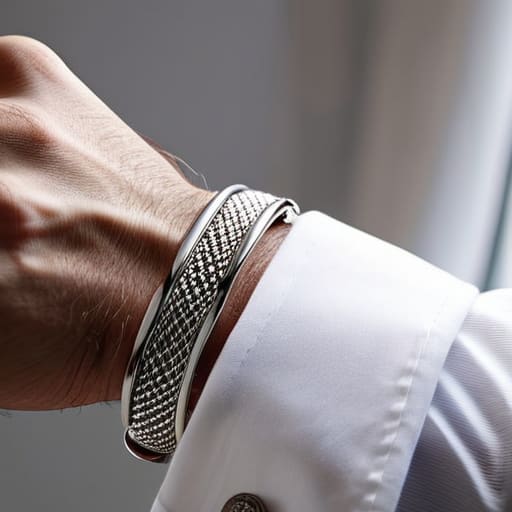
First, we need to stop treating these like tiny pieces of art and start treating them like structural components. If you are looking at different french cuff shirt styles, remember that the cuff is the anchor. If your shirt is a heavy, crisp cotton, a tiny, flimsy link is going to look like a mistake—it’ll get lost in the fabric. Conversely, if you’re wearing a lightweight linen for a summer wedding, a massive, heavy signet-style link will just pull the sleeve out of shape and make you look like you’re wearing weights on your wrists.
When you’re deciding between silver vs gold cufflinks, don’t just pick what looks “expensive.” Look at your hardware. If your watch has a brushed steel finish and your belt buckle is nickel, wearing bright, polished yellow gold is a visual clash that screams “I bought this in a rush.” It’s not about being a perfectionist; it’s about visual cohesion. You want the metal to feel like it belongs to the same family as the rest of your outfit, rather than looking like a shiny distraction that’s fighting your suit for attention.
Key Things to Know
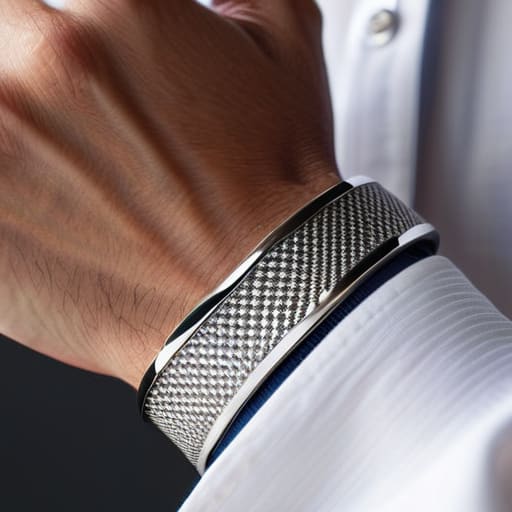
First, let’s talk about the math of the outfit. You cannot just pick a pair of cufflinks because they look “classy” in a vacuum; they have to play nice with the weight of your shirt. If you are wearing crisp, heavy cotton french cuff shirt styles, a tiny, flimsy link is going to look like a mistake. You need something with enough substance to hold that cuff in place. I always tell my clients to look at the metal first. When deciding between silver vs gold cufflinks, don’t just go by what’s trendy—match the metal to your watch or your belt buckle. If you’re wearing a silver-toned watch, wearing gold links isn’t a crime, but it is a visual distraction that makes the whole look feel uncoordinated.
Secondly, consider the occasion versus the construction. If you are looking into wedding attire accessories, you can lean into something more decorative, but for a standard Tuesday at the office, keep it structural. A good cufflink should feel like a functional part of the garment, not a piece of jewelry you’re trying to force into a professional setting. Remember, style is about cohesion, not just adding more shiny things to your sleeves.
Practical Tips and Steps
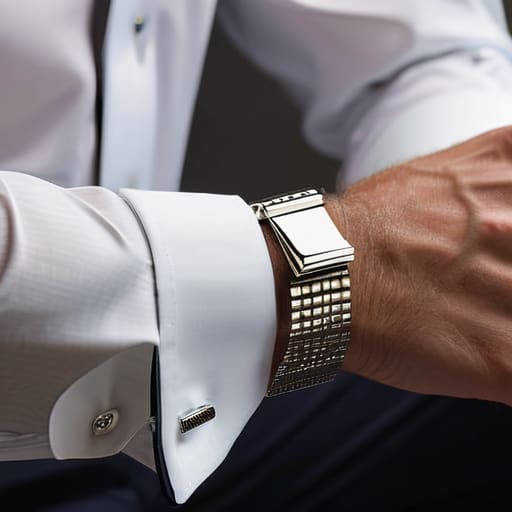
First, look at your shirt cuffs before you even touch a jewelry box. If you are wearing standard barrel cuffs, most cufflinks won’t even work—you’ll just be poking holes in your sleeves. You need specific french cuff shirt styles to actually use these accessories properly. Once you have the right shirt, check the weight of the fabric. If the cotton is thin and flimsy, a heavy, oversized statement piece is going to drag the cuff down and make you look like you’re wearing weights on your wrists. Aim for a balance where the metal weight matches the textile density.
When it comes to the metal, stop overthinking the “rules” and start looking at your hardware. If you are matching cufflinks with suit buttons or a watch, you don’t need a perfect set, but you do need a cohesive palette. I usually tell my clients to stick to silver vs gold based on their skin undertone rather than trying to match every single accessory perfectly. If you’re dressing for a wedding, keep the scale modest; you want the detail to be a quiet nod to your personality, not a distraction that screams for attention during the ceremony.
Common Mistakes to Avoid
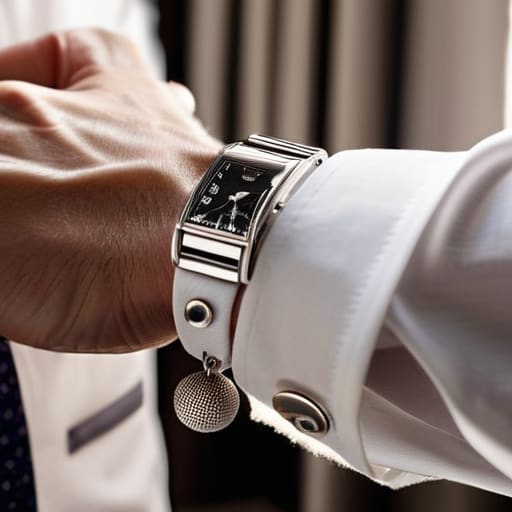
The biggest mistake I see is treating cufflinks like a “set it and forget it” accessory. People often treat them as a way to signal wealth rather than a way to finish a look. Don’t fall into the trap of buying a massive, heavy gold set just because it looks expensive; if the weight of the metal is too much for your shirt, it’s going to drag the sleeve down and make you look like you’re wearing a costume. This is especially true with certain french cuff shirt styles—if the fabric is a lightweight poplin, a heavy, chunky cufflink will just tear the seam or pull the cuff into an awkward, saggy shape.
Another blunder is ignoring the metal math. When you’re matching cufflinks with suit hardware, you don’t need to be a walking mirror, but you do need to be intentional. If your watch is steel, don’t go for bright, yellow-toned gold. It creates a visual clash that looks accidental rather than stylistic. And please, stop buying “novelty” pieces for serious events. A tiny silver airplane might be cute for a themed party, but for proper wedding attire accessories, it just looks cheap and distracts from the actual fit of your suit.
Final Thoughts
At the end of the day, don’t let the pressure of formal dress code etiquette make you feel like you need to spend a month’s rent on a pair of heavy, designer links. Most of the time, you aren’t looking for a trophy; you’re looking for a way to keep your sleeve from looking like a shapeless tube. Whether you are navigating wedding attire accessories or just trying to look sharp for a presentation, the goal is cohesion, not a spectacle.
If you find yourself stuck between silver vs gold cufflinks, stop overthinking the “rules” and start looking at your hardware. If your watch is steel, your links should probably be steel. It’s about the visual math of your outfit, not some arbitrary fashion law. Remember, the best piece of men’s jewelry accessories is the one that looks like it actually belongs to the shirt you’re wearing. If the weight of the cufflink pulls the fabric of your French cuff out of alignment, it’s a bad buy—regardless of the price tag. Buy for the fit, not the brand.
Five Rules for Not Wasting Money on Shiny Distractions
- Match your metal weights, not just the colors. If you’re wearing a heavy, structured wool blazer, a tiny, flimsy silver cufflink is going to look like an afterthought. You need a piece with enough visual “heft” to hold its own against the fabric.
- Check your shirt cuff’s seam allowance before you buy. If you’re trying to squeeze chunky, vintage-style cufflinks into a thin, cheap poplin shirt with no structure, you’re going to end up with a bunched-up mess at your wrist that looks like a crumpled napkin.
- Stop treating cufflinks like fine jewelry and start treating them like hardware. They are functional tools to hold a sleeve together; if the toggle is flimsy or the mechanism feels like it’s going to snap the first time you adjust your sleeve, it doesn’t matter how much it cost—it’s a bad buy.
- Consider the “Wednesday Test.” Ask yourself if these cufflinks work with a standard button-down or a slightly less formal jacket, or if they are so “event-only” that they’ll just sit in a drawer gathering dust. If they only work for weddings, they aren’t worth the shelf space.
- Don’t let the “precious metal” marketing fool you. A high-quality stainless steel cufflink with a decent weight will often look better and last longer against daily wear than a cheap, gold-plated piece that’s going to flake off and leave your sleeve looking tarnished by next month.
The Math of the Cuff
Stop treating cufflinks like tiny pieces of jewelry you’re adding to a look; they are functional hardware. If you buy a heavy, oversized silver set to pair with a thin, flimsy poplin shirt, you aren’t ‘making a statement’—you’re just dragging the sleeve down and ruining the line of your wrist. Match the weight of the metal to the weight of the fabric, or you’re just wasting money on a distraction that doesn’t work.
Neve Okonkwo-Barr
The Bottom Line on Small Details
At the end of the day, choosing cufflinks isn’t about finding the flashiest piece in the display case; it’s about understanding the relationship between the metal, the fabric weight of your shirt, and the scale of your wrist. You don’t need a gold-plated collection to look put together. You just need to remember that a heavy, chunky cufflink will fight a fine, lightweight poplin shirt, and a tiny, dainty stud might get lost against a heavy flannel. Focus on the proportions and the metal tones, and stop letting the marketing tell you that “more expensive” automatically means “better fit.” If the link sits flush against the cuff without pulling the fabric into an awkward ripple, you’ve already won the battle.
My final piece of advice? Don’t buy cufflinks to “complete” an outfit you don’t actually like. Buy them because they work with the clothes you already own and the person you actually are on a Tuesday morning. Style isn’t a performance you put on for others; it’s the quiet confidence of knowing your sleeves aren’t bunching and your hardware isn’t distracting from your face. Invest in quality over quantity, find a pair that feels like you, and then get on with your life. A well-chosen detail shouldn’t shout; it should just work.
Frequently Asked Questions
My shirt cuffs are too tight to fit a cufflink through; is that a shirt problem or am I just buying the wrong hardware?
It’s almost certainly a shirt problem. If you’re wearing a standard button-down and trying to force cufflinks through, you’re fighting the wrong architecture. Cufflinks are meant for French cuffs or double cuffs—shirts specifically designed with extra fabric to fold back. If your regular shirt cuffs are too tight, no amount of “better hardware” will fix it; you’re just going to ruin the thread count. Buy a dedicated cuff shirt, not more expensive metal.
If I’m wearing a heavy flannel shirt instead of a crisp poplin, will standard cufflinks just flop around and look messy?
Yes, they absolutely will. Standard, lightweight cufflinks are designed for the structure of a crisp poplin. If you pair them with a heavy flannel, the fabric is too thick and “lazy” to hold the metal in place, so they’ll just sag and look like a mistake. For flannel, skip the delicate stuff. You need something with more weight or a stud-style closure that can actually bite into the fabric and stay put.
I found these vintage cufflinks at a charity shop that look amazing, but how do I know if the mechanism actually works or if I'm just buying a broken piece of metal?
First, check the weight. If they feel like hollow plastic, the mechanism is likely junk. For vintage pieces, give the toggle or whale-back a firm flick; it shouldn’t feel gritty or loose like a broken tooth. If it’s a fixed stud, look for any hairline cracks in the metal where the post meets the face. If the hinge feels “mushy,” walk away. A repair will cost more than the find is worth.
