Stop wasting your money on those “luxury” silk scrunchies that look beautiful in a flat-lay photo but slide straight down your head the second you actually move. I spent two years in a basement studio pinning hems for brides, and if there is one thing I learned, it’s that tension is everything. You don’t need a more expensive brand name to keep your hair up; you need to understand the physics of your own hair texture. Most people approach hair styling like it’s a shopping problem, but learning how to choose a hair accessory that holds is actually a mechanical one. If the grip isn’t there, the price tag is irrelevant.
I’m not here to sell you on a “must-have” trend or a seasonal aesthetic. I’m going to tell you exactly which clips have the teeth you need for fine hair, why certain elastic widths are a waste of five pounds, and how to spot a cheap plastic claw that’s going to snap by Tuesday. We are going to look at the actual construction of these pieces so you can stop fighting your hair and start wearing things that actually stay put.
Understanding How to Choose a Hair Accessory That Holds
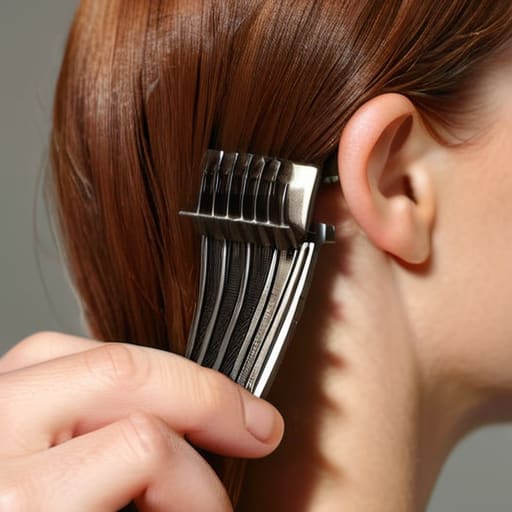
The problem starts with the physics of your hair, not the aesthetic of the clip. If you have a massive amount of volume and you’re trying to force it into a flimsy, drugstore plastic claw, you aren’t “styling”—you’re just asking for a structural failure. To actually find something that stays, you need to look at the types of hair grips and tension the hardware provides. A clip with a weak spring will give up by lunchtime, especially if it’s fighting against gravity and density.
If you’re struggling with sliding, it’s usually because the accessory lacks the necessary friction for your specific texture. For those of us dealing with silkier strands, finding non-slip hair accessories for fine hair usually means looking for matte finishes or even tiny integrated teeth rather than smooth, polished surfaces. On the flip side, if you’re hunting for the best hair clips for thick hair, stop looking at the “cute” ones and start looking at the spring strength and the width of the jaw. If the clip can’t physically encompass the mass of your ponytail, it’s never going to hold, no matter how many bobby pins you jam into it.
Key Things to Know
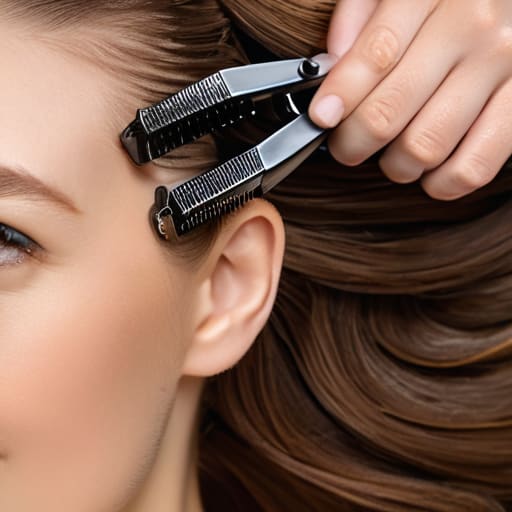
First, let’s talk about the physics of it. Most people fail because they’re trying to use a tool designed for a different hair density. If you have a massive amount of texture and you’re using a flimsy, thin plastic clip, you aren’t going to get a hold; you’re just going to get a headache and a clip that snaps in half by lunch. You need to look for best hair clips for thick hair that actually have enough spring tension to bite into the bulk. Conversely, if you have silk-straight, fine strands, a heavy metal claw is just going to slide right down your neck. You need non-slip hair accessories for fine hair—think matte finishes or internal teeth that actually grip rather than just resting on top.
Then there is the damage factor. I spent two years watching people ruin their hair by using cheap, jagged metal clips that act like tiny saws every time they move. If you want to actually keep your hair healthy, you have to prioritize minimizing hair damage with clips that have smooth, rounded edges and enough surface area to distribute the pressure. If the clip is digging into your scalp, it’s not a style choice; it’s a structural failure.
Practical Tips and Steps
First, stop treating your hair like it’s a static object. If you have a lot of volume, you cannot use those tiny, flimsy plastic clips you see on TikTok; they will snap or, worse, slide down your head by lunch. You need to look for best hair clips for thick hair that feature a high-tension spring and a wide jawline. If the clip feels lightweight and “cute,” it probably lacks the mechanical strength to actually grip. I always tell my clients: if you have to re-pin it every twenty minutes, you haven’t bought an accessory, you’ve bought a temporary distraction.
Second, let’s talk about the friction. If you’re constantly pulling at your hair because a headband is migrating or a tie is slipping, you’re likely causing unnecessary tension. For those struggling with smoothness, searching for non-slip hair accessories for fine hair—specifically those with a rubberized interior or a textured grip—is a game changer. Most importantly, if you want to avoid that “snagged” feeling, prioritize materials like acetate over cheap, molded plastic. It’s the difference between a tool that holds your style and one that’s just minimizing hair damage with clips by sheer luck.
Common Mistakes to Avoid
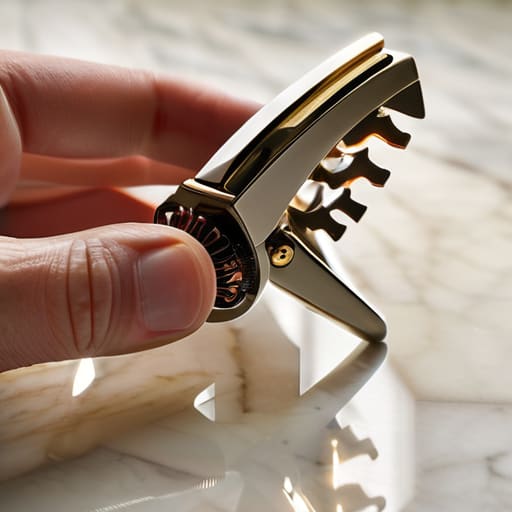
The biggest mistake I see is people treating hair accessories like jewelry rather than tools. You see a gorgeous, oversized acetate claw clip in a window and think, “That’s it,” but if you have fine hair and that clip has zero internal tension, it’s going to be on the floor within twenty minutes. Stop buying based on the aesthetic alone. If you’re looking for non-slip hair accessories for fine hair, you need to look at the teeth and the spring mechanism, not the marble pattern. A clip that looks expensive but lacks a strong grip is just a very pretty way to waste ten pounds.
On the flip side, I see people with massive amounts of texture trying to force their hair into tiny, flimsy metal barrettes. This is a recipe for disaster. You aren’t just losing the hold; you’re actively tugging at the follicle. If you’re searching for the best hair clips for thick hair, look for wide-aperture designs with a heavy-duty spring. If the clip feels like it’s struggling to close, it’s too small. Forcing it doesn’t just cause a headache; it causes breakage. If it doesn’t click shut without a fight, put it back.
Final Thoughts
At the end of the day, stop looking for a “miracle” accessory in a glossy magazine and start looking at your own hair texture and the physics of tension. A clip isn’t just a piece of plastic; it’s a tool that either works with your hair or fights against it. If you’ve been struggling with everything sliding down your head by lunchtime, you don’t need a more expensive brand—you likely just need to understand the different types of hair grips and tension available.
My rule of thumb is simple: prioritize the health of your strands over a fleeting trend. If you are constantly pulling and tugging to get a clip to stay, you aren’t just losing your hairstyle; you’re risking split ends. Focus on minimizing hair damage with clips that have rounded teeth and enough grip to stay put without needing to be cinched tight enough to cause a headache. Once you stop treating accessories like cheap disposable trinkets and start treating them like the functional tools they are, your morning routine gets a lot less frustrating. Stop buying more; just buy better.
The Real-World Checklist for Hair That Stays Put
- Stop buying “aesthetic” silk scrunchies if you have fine hair; they are beautiful for a photo, but they have zero structural integrity. If you actually need your hair up while you’re moving, you need a high-tension elastic or a fabric with a bit of grit to it, otherwise, you’ll be chasing that scrunchie across the floor by lunchtime.
- Check the weight of the clip before you pay for it. I see so many people buy these heavy, chunky acetate claw clips because they look expensive, but if the spring isn’t industrial-grade, the weight of the plastic will just pull the clip down through your hair. You want something that feels substantial in the hand but has a spring that actually bites.
- Look at the teeth, not the color. A hair comb or a claw clip with rounded, blunt teeth is going to snag and snap your hair strands, whereas a clip with sharp, well-defined teeth will actually grip the different layers of your hair. It’s the difference between a tool that works and a piece of jewelry that just sits on top of your head.
- Match the accessory to your hair’s density, not the trend. If you have thick, heavy hair, a thin metal headband is going to slide back within five minutes regardless of how much gel you use. You need width and surface area—think wider bands or larger clips—to create enough friction to counteract the weight of your hair.
- Do the “tension test” on any elastic or headband you buy. If it feels like it’s barely stretching while it’s in the packaging, it’s going to lose its elasticity after three wears. A good accessory should have some resistance; if it’s too easy to stretch, it’s not going to hold the tension required to keep your hair from slipping.
The Physics of Hair Accessories
Stop blaming your hair density for why a clip keeps sliding down; most of the time, you’ve just bought a piece of plastic with zero structural tension. A hair accessory isn’t ‘decorative’ if it spends half the day in your pocket—it’s just expensive clutter. Look for weight, look for grip, and for heaven’s sake, stop buying ‘aesthetic’ items that ignore the actual physics of your head.
Neve Okonkwo-Barr
The Bottom Line on Hair Hardware
At the end of the day, finding a hair accessory that actually stays put isn’t about chasing the latest aesthetic on your feed; it’s about understanding the physics of your own hair and the mechanics of the tool. Stop blaming your hair for being “slippery” when you’re actually just using a clip with zero tension or a silk scrunchie that has no grip. Look for the weight of the material, check the strength of the spring, and pay attention to whether the teeth are designed to actually anchor into the follicle rather than just sit on top of it. If you spend ten minutes fighting a headband in the mirror every morning, you haven’t found a style solution—you’ve just bought a very expensive headache.
My best advice? Stop treating hair accessories like disposable jewelry and start treating them like functional tools. A good metal clip or a sturdy, textured tie is worth more than five flimsy plastic ones that snap after three wears. You don’t need a massive collection of “trendy” bits to look put-together; you just need three or four pieces that actually respect your time and your hair texture. Build a kit that works for your Wednesday morning rush, and I promise you’ll spend a lot less energy worrying about your hair and a lot more time actually living your life.
Frequently Asked Questions
I have really fine, thin hair—is there any point in buying those heavy claw clips, or am I just going to end up with a headache and a pile of hair on the floor?
Honestly? Don’t bother. If you’re buying those chunky, heavy resin clips you see on TikTok, you’re just paying for a headache and a handful of snapped strands. Fine hair doesn’t have the structural integrity to support heavy weight; the clip will just slide down or pull at your scalp. Look for lightweight acetate or even small metal clips. You need tension and grip, not mass. Save your money for something that actually stays put.
How do I know if a hair tie is actually going to last, or if it’s one of those cheap elastic ones that snaps the second it gets damp?
Look at the core, not the color. If it’s just a thin, translucent string of rubber, run. It’ll snap the second you hit a humid afternoon or a workout. You want a core made of high-density braided elastic—it should feel substantial, almost slightly stiff, when you stretch it. If it’s covered in fabric, check the seam allowance; if the fabric is fraying or looks like it’s barely holding the elastic in, it’s trash.
If I find a vintage silk scarf or a beautiful headband at a charity shop, can a tailor actually fix it to stay put, or is that a lost cause?
It is absolutely not a lost cause. If it’s a vintage silk scarf, don’t just tie it and pray; ask a tailor to sew in a tiny, discreet piece of grosgrain ribbon or even a hidden silicone grip strip along the edge. For a headband, if the tension is off, they can usually add small elastic inserts or adjust the circumference. It’ll cost you about the price of a fancy latte, but it beats a sliding mess.
