I’ve spent way too many hours in basement studios watching people treat their precious metals like they’re disposable, only to panic when a “miracle” cleaning kit turns their silver into a dull, scratched mess. The jewelry industry loves to sell you these overpriced, chemical-heavy kits that promise a professional shine, but most of the time, they’re just a way to overcharge you for something you could do with a bit of dish soap and a soft brush. If you’re Googling how to clean jewellery safely, you’re probably tired of the conflicting advice that makes you feel like you need a degree in metallurgy just to fix a tarnished ring. Honestly, most of these “expert” methods are just expensive marketing fluff designed to make you afraid of your own accessories.
I’m not here to sell you a subscription to a cleaning service or a fancy bottle of liquid gold. I’m going to show you how to maintain your pieces using logic, the right tools, and a bit of common sense. We’re going to talk about which metals can handle a soak and which ones will crumble if you even look at them wrong, ensuring you know exactly how to clean jewellery safely without turning a sentimental piece into a sunk cost.
Understanding How to Clean Jewellery Safely
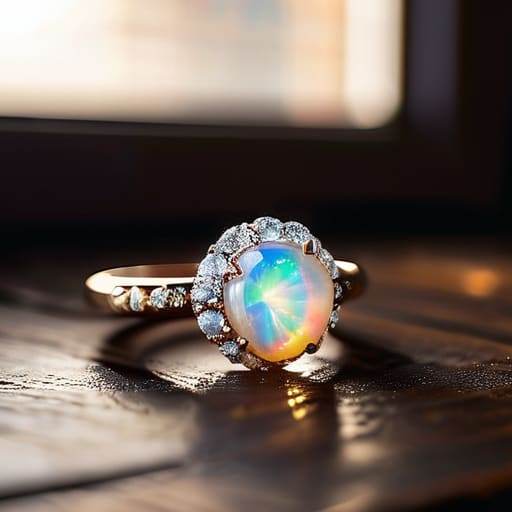
Before you grab the dish soap or a random cloth from the bathroom cabinet, you need to understand that not all metals and stones are created equal. I see people all the time trying to scrub a soft gemstone with something abrasive because they want that “instant shine,” only to end up with a permanent cloudiness that no amount of polishing will fix. If you aren’t careful, you’re essentially turning a piece you love into a sunk cost. The goal is cleaning gemstones without damage, which means knowing that a diamond is a tank, but an opal is basically a delicate little soul that will crack if you look at it wrong.
The real secret is knowing when to DIY and when to concede. For most everyday pieces, using gentle cleaning solutions for precious metals—like a tiny bit of pH-neutral soap and warm water—is plenty. But if you’re dealing with something high-stakes, like an heirloom cocktail ring or a heavy gold piece with intricate filigree, you have to weigh up professional vs home jewellery cleaning. Sometimes, the twenty quid you save by doing it yourself isn’t worth the risk of a scratched setting or a lost stone.
Key Things to Know
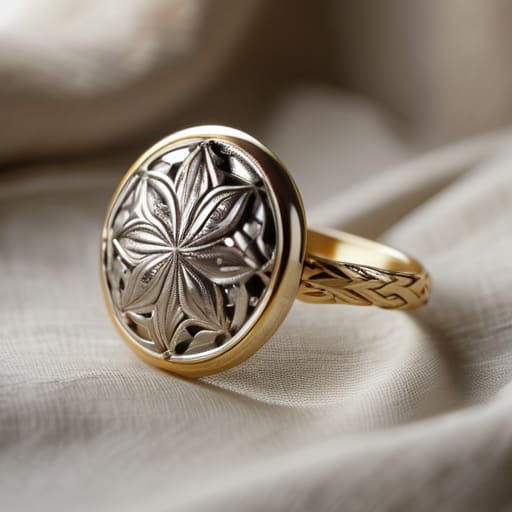
Before you grab the dish soap and a toothbrush, you need to realize that not all metal is created equal. I see people treat a gold vermeil ring like a stainless steel kitchen utensil, and that is a one-way ticket to losing your deposit. If you are avoiding scratches on gold, you have to stop using anything abrasive; even a “soft” cloth can be a nightmare if it’s got grit in the fibers. For silver, it’s a different battle entirely. You aren’t just cleaning it; you’re fighting chemistry. Removing tarnish from silver requires a bit of patience and the right pH balance, otherwise, you’re just rubbing black oxidation deeper into the crevices of the design.
The real danger zone, though, is the stones. There is a massive difference between a diamond and an opal, and treating them the same is how you end up with a pile of expensive gravel. You need to be incredibly careful with cleaning gemstones without damage, especially if they are organic like pearls or porous like turquoise. For those, skip the chemicals entirely—warm water and a tiny bit of mild soap are your best friends. If you’re staring at a piece that looks like it’s been through a war, don’t guess. Knowing when to choose professional vs home jewellery cleaning is the difference between a refreshed heirloom and a total loss.
Practical Tips and Steps
First, let’s talk about the “soak and scrub” method, but please, for the love of your things, don’t go grabbing the dish soap and a scouring pad. If you’re working with gold, your biggest enemy isn’t dirt; it’s friction. I always tell my clients that avoiding scratches on gold is much easier than trying to buff them out later. Use a soft-bristled toothbrush—the kind for babies, ideally—and some lukewarm water. If you’re tackling silver, a dedicated dip or a specialized cloth for removing tarnish from silver is worth the few quid, but avoid the DIY baking soda hacks; they can be way too abrasive and leave your metal looking dull and tired.
When you move into the realm of stones, things get trickier. You aren’t just cleaning a surface; you’re managing a structure. Cleaning gemstones without damage means knowing that a diamond is a tank, but an opal is basically a fragile sponge. For anything organic, like pearls or turquoise, you need to stick to safe jewellery care for pearls which usually just means a damp, soft cloth. No chemicals, no soaking, just a gentle wipe. If a piece looks truly grim, don’t gamble with it—know when the line between a home fix and a professional service is worth the extra cost.
Common Mistakes to Avoid
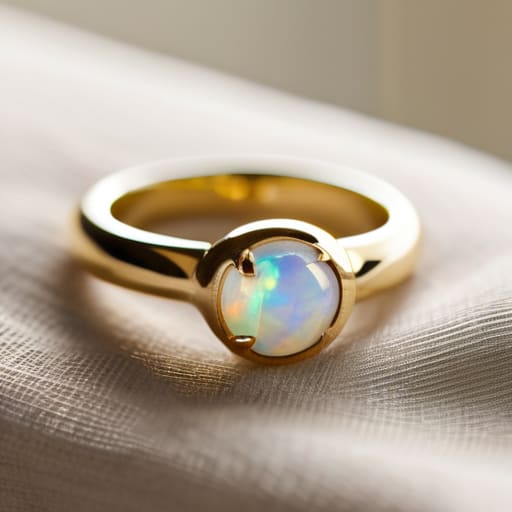
The biggest mistake I see is people treating their jewellery like a kitchen floor. Just because something looks “natural” doesn’t mean it’s safe. I’ve seen people scrub a delicate piece with baking soda or toothpaste because they saw it on a viral video, only to end up with a dull, scratched mess. If you are cleaning gemstones without damage, you have to remember that some stones are porous. You wouldn’t pour lemon juice on a sponge and expect it to stay soft; don’t do it to your opals or turquoise.
Another massive blunder is the “one size fits all” approach to chemicals. People grab a heavy-duty silver dip for everything, completely forgetting that safe jewellery care for pearls requires a much lighter touch—usually just a damp, soft cloth. If you use harsh acids on organic gems, you aren’t cleaning them; you’re eating away at the surface. When in doubt, remember that the line between professional vs home jewellery cleaning is often defined by how much risk you’re willing to take with a permanent mistake. If a piece is sentimental or high-value, stop trying to be a chemist and just take it to a pro.
Final Thoughts
Look, at the end of the day, your jewellery shouldn’t be something you’re afraid to wear, but it also shouldn’t be something you just toss in a bowl of whatever’s under the sink. There is a massive difference between a quick polish and actually ruining a piece you love. If you’re dealing with something delicate, like safe jewellery care for pearls, please, I am begging you: put the harsh chemicals away. Some things simply aren’t built for a DIY scrub session.
If you’ve spent your hard-earned money on a piece, the most cost-effective thing you can do is learn the limits of your own hands. Knowing when to attempt removing tarnish from silver at home and when to admit defeat and head to a pro is how you avoid turning a bargain into a total loss. Think of it like tailoring; you wouldn’t try to reconstruct a vintage silk blazer with a sewing machine you found in a car boot, so don’t treat your gold the same way. Keep it simple, keep it gentle, and stop overthinking it.
Five ways to clean your pieces without turning them into a total loss
- Stop treating every piece like it’s solid gold; if you use a heavy-duty scrub on a delicate pavé setting, you’re going to knock stones loose, and a stone setter will charge you way more than a bit of warm soapy water would have cost.
- Check your stones before you even think about a soak—if it’s an organic gem like pearl or turquoise, stay far away from harsh chemicals or even ultrasonic cleaners, because those porous materials will soak up the grime and die a slow, cloudy death.
- Use a soft-bristled toothbrush, not a nail brush or anything with stiff bristles; you want to lift the oils and skin cells out of the crevices without scratching the metal surface or denting the delicate prongs.
- If you’re dealing with tarnished silver, don’t go overboard with the polishing cloths every single day; over-polishing actually thins the metal over time, and once a ring is too thin, there isn’t much a tailor or a jeweler can do to bring that structural integrity back.
- Always dry your jewellery thoroughly after cleaning; leaving water to sit in the settings or under a stone can lead to moisture being trapped, which is a recipe for dullness and, in some cases, can actually weaken the glue or settings on your more affordable pieces.
The Cost of Neglect
Stop treating your jewellery like it’s indestructible just because it’s metal; a bit of grit or the wrong chemical can turn a meaningful piece into a total write-off, and trust me, a professional polish is significantly cheaper than replacing a sentimental heirloom you accidentally corroded in the sink.
Neve Okonkwo-Barr
The Bottom Line on Your Bits and Bobs
At the end of the day, keeping your jewellery looking decent isn’t about buying a fancy, overpriced cleaning kit from a department store; it’s about being smart with what you already have. Remember that different metals and stones have different rules—what works for a heavy gold band will absolutely wreck a delicate pearl or an opal. Stick to the basics: mild soap, soft cloths, and knowing your materials before you start scrubbing. If you treat your pieces with a bit of respect and avoid the temptation to use harsh household chemicals, you’ll save yourself the massive headache (and the even larger bill) of having to take a damaged piece to a professional for repairs.
We spend so much time chasing the next “must-have” item, but the real magic happens when you actually take care of the things you already own. Your jewellery shouldn’t be a collection of disposable trinkets that lose their shine after three wears; it should be a curated set of pieces that actually last. When you learn to clean and maintain your items properly, you aren’t just preserving metal and stone, you are protecting your own money. Stop looking for the next sparkle and start making sure the sparkle you already have stays bright for as long as possible.
Frequently Asked Questions
If I find a beautiful vintage ring at a charity shop, how do I know if it's safe to soak in cleaning solution or if the metal is too old and brittle for that?
First, check the hallmarks. If it’s got a clear stamp for silver or gold, you’re usually okay with a gentle soak, but if it’s mystery metal or heavily tarnished, stop. Grab a magnifying glass; if the metal looks pitted, flaky, or has tiny cracks near the setting, it’s too brittle for a soak. In those cases, stick to a damp cloth. Don’t risk a beautiful find becoming a pile of scrap just to save ten minutes.
Is it actually worth paying a professional to deep-clean my pieces, or am I just paying for a fancy marketing label when a bit of warm soapy water does the job?
Look, if it’s a gold band you wear every day, warm soapy water is your best friend. But if you’ve got an heirloom with delicate stones or intricate settings, don’t DIY it. You might accidentally strip a plating or loosen a prong, and then you’re paying a professional triple to fix the damage you caused. Pay the pro for the “scary” stuff; for everything else, save your money for a decent tailor.
How can I tell if a stone is going to get ruined by a standard cleaning method before I actually try it?
Don’t go in swinging with the ultrasonic cleaner or the vinegar soak until you know what you’re dealing with. If it’s an organic stone—think pearls, opals, or turquoise—standard chemical cleansers are basically an eviction notice for the finish. The safest bet? The “damp cloth test.” Use a soft, lint-free cloth with just lukewarm water. If the stone looks dull or reacts weirdly to a tiny bit of moisture, stop immediately and stick to a gentle wipe.
